Sauces & Condiments
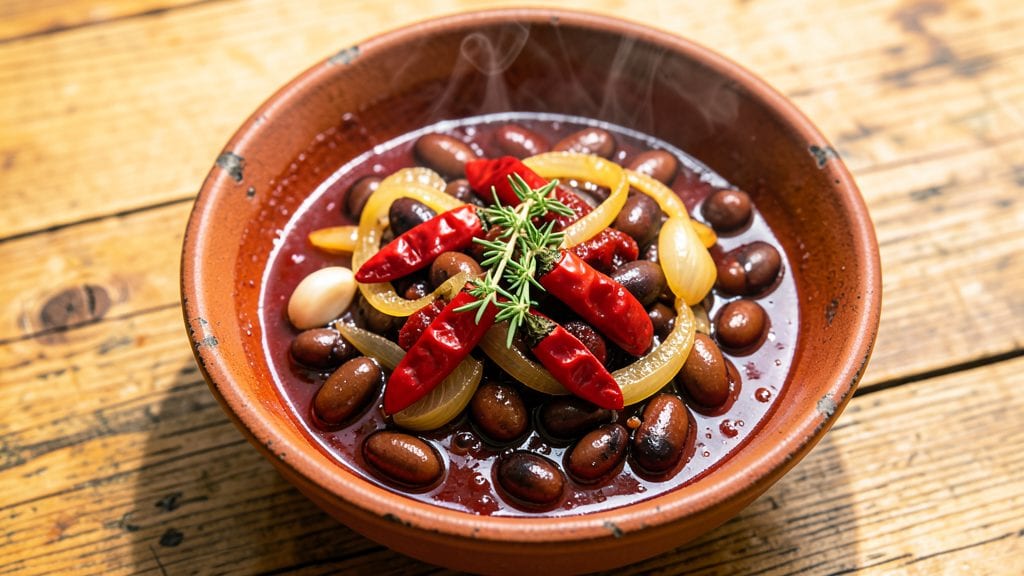
This Haitian bean sauce recipe transforms simple ingredients into a rich, umami-packed condiment that elevates every dish it touches. The secret lies in slow-cooked black beans blended with aromatic garlic, thyme, and Scotch bonnet peppers—creating a sauce that’s smooth yet deeply flavorful.
I’ve perfected this version after years of testing, ensuring it delivers the bold, complex taste of Haitian cuisine without requiring specialized techniques.
The beauty of this sauce is its versatility—it works as a dip for fried plantains, a topping for grilled meats, or a flavorful accompaniment to steamed rice.
What sets it apart is the balance of heat, sweetness, and earthiness, achieved through a precise blend of spices and a long simmering process. The result? A sauce that’s smooth, spreadable, and packed with layers of flavor that linger long after the first bite.
What makes this recipe stand out is its foolproof method—no blender required if you prefer a rustic texture, and it keeps beautifully in the fridge for up to a week.
The slow cooking allows the beans to break down into a creamy consistency, while the spices infuse deeply for maximum impact. Whether you’re serving it alongside a hearty meal or using it as a marinade, this sauce will become a staple in your kitchen.
Pair it with grilled chicken, fried fish, or even as a dip for crispy plantains—your taste buds won’t know what hit them. Ready to make this bold, umami-rich sauce that tastes like a taste of Haiti? Let’s get started.
Ingredients for bean sauce haitian
Nine simple ingredients create this bold, umami-rich Haitian bean sauce you'll crave.
| Ingredient | Amount | Notes |
|---|---|---|
| Dried Black Beans 🍲 | 1 ½ cups | Rinsed before cooking |
| Scotch Bonnet Peppers 🌶️ | 2 whole | Seeds removed for less heat |
| Yellow Onion 🧅 | 1 whole | Medium size, diced |
| Garlic Cloves 🧄 | 6 cloves | Peeled, roughly chopped |
| Fresh Thyme Leaves 🌿 | ¼ cup | Stems removed, loosely packed |
| Tomato Paste 🍅 | ½ cup | Squeeze tube preferred |
| Olive Oil 🫒 | ¼ cup | Extra-virgin for richness |
| Ground Cumin 🌿 | 1 tbsp | Toasted for deeper flavor |
| Salt 🧂 | 1 ½ tsp | Kosher or sea salt |
| Black Pepper 🌶️ | ½ tsp | Freshly ground preferred |
The black beans are the heart of this sauce—dried works best for that deep flavor, but canned in a pinch (just drain and rinse). Trader Joe's or Mexican markets usually have the best dried varieties. Scotch bonnet peppers are key for that signature heat, but if you can't find them, habanero plus a pinch of sugar mimics the sweet-spicy balance. The onion and garlic? Fresh is non-negotiable here—they carry so much flavor. I always grab extra garlic because you'll want it for everything else in the meal too.
No Scotch bonnet? Jalapeño with a splash of vinegar adds heat without the same complexity. Fresh thyme hard to find? Dried works at one-third the amount. The tomato paste can be swapped for 1 cup crushed tomatoes if you're avoiding cans. Olive oil matters—use something fruity and peppery like California extra-virgin. For the cumin, toast it in the dry pan for 30 seconds before adding to the pot—trust me, it makes all the difference. And if you're worried about the beans getting mushy, soak them overnight instead of quick-soaking.
This sauce keeps for up to 1 week in the fridge, and honestly tastes better the next day as all the flavors meld. I like to portion it into small jars so I can grab just what I need. Freezes beautifully for up to 3 months—just thaw overnight in the fridge. The texture changes slightly after freezing, but the flavor stays rich and complex. If you make a double batch, save half for fried plantains—it's the perfect dip.
Why You'll Love This Recipe
- No-Soak Needed: I’ll admit, I used to dread soaking beans—until I discovered this trick. Just toss the dried black beans in boiling water for 2 minutes, then simmer. No waiting, no fuss, and they still turn out tender and rich. That’s 30 minutes saved right there.
- Heat That Stays: Here’s what sold me—the Scotch bonnet peppers don’t just add spice; they linger. The sauce starts with a sharp kick but mellows into this deep, smoky warmth that clings to every bite. Even my heat-averse partner asks for seconds.
- Weeknight to Party: Between us, this sauce is my lazy night and my dinner guest hero. Slather it on grilled chicken, stir it into rice, or serve it as-is with crusty bread. Honestly, I’ve even drizzled it over eggs for breakfast—yes, even on a Tuesday night—and no one batted an eye.
- Pantry Goldmine: I buy dried beans in bulk, and this recipe stretches them into four servings with leftovers that taste better the next day. The onions and garlic caramelize into something almost sweet, while the thyme adds that earthy depth. It’s my budget-friendly secret weapon for feeding the family without breaking the bank.
Step-by-step instructions for Haitian bean sauce
Here's how to build this rich, spicy sauce from scratch—layer by layer.
Soak and Cook the Black Beans
Start by rinsing the 1.5 cups dried black beans under cold water, then soak them in a large bowl of water for at least 4 hours or overnight. This softens them perfectly for cooking. Drain and rinse again before transferring to a 4-quart pot.
Cover the beans with fresh water by about 2 inches—you'll need roughly 6 cups—and add 1 whole Scotch Bonnet pepper (seeds removed) and 1 whole yellow onion (cut into quarters). Bring to a boil over high heat, then reduce to medium-low and simmer uncovered for 45 minutes, stirring occasionally. The beans are done when they're tender but still hold their shape—you should be able to mash them slightly with a fork but not have them fall apart completely.
Build the Flavor Base
While the beans cook, heat the 0.25 cup olive oil in a large skillet over medium heat. Add the 6 cloves garlic cloves and the 0.25 cup fresh thyme leaves, stirring constantly for 1-2 minutes until the garlic turns golden and fragrant. Here's the thing—don't let it burn. Garlic turns bitter fast, and you want that sweet, aromatic flavor.
Next, add the 1 tablespoon ground cumin and stir for another 30 seconds until it's toasted and smells earthy. Pour this aromatic mixture into the pot with the beans, along with the 0.5 cup tomato paste and 1.5 teaspoons salt. Stir well to combine, then add 1 cup of water to thin out the sauce slightly. Let it simmer for 15 minutes, stirring occasionally, until the sauce thickens and coats the back of a spoon.
Blend to Perfection
Use an immersion blender to purée the sauce directly in the pot until completely smooth. If you don't have one, carefully transfer the sauce to a regular blender in batches, blending until silky. Here's where the magic happens—the sauce should be thick but still spoonable, with a deep red color from the tomato paste and a hint of green from the thyme.
Taste and adjust the seasoning. You might need a pinch more salt or a splash of water to reach your preferred consistency. The sauce should be rich, slightly sweet from the tomato paste, and have a slow-building heat from the Scotch Bonnet. If it's too thick, add a little more water, 1 tablespoon at a time, until it reaches that perfect balance between thick and pourable.
Simmer and Finish
Return the sauce to the pot and bring it to a gentle simmer over medium-low heat. Let it cook uncovered for 10-15 minutes, stirring occasionally, until it thickens slightly and the flavors meld together. You'll notice the sauce darkens a bit and develops a deeper, more complex aroma—this is when it truly comes together.
Finally, stir in the 0.5 teaspoon black pepper and let the sauce rest for 5 minutes off the heat. This resting period allows the flavors to settle and the sauce to reach its ideal consistency. Serve warm over rice, grilled meats, or even as a dip with crispy plantains. The sauce keeps well in the fridge for up to 5 days, so you can make extra for later!
Pro Tips For Making Bean Sauce Haitian
- SOAK BEANS OVERNIGHT: Dried black beans need a good 8+ hour soak—or at least 2 hours with a quick boil to soften them. I learned this the hard way: skipping the soak leaves you with a gritty, undercooked mess that won’t break down into that creamy Haitian sauce.
- PEEL SCOTCH BONNETS FIRST: Remove the stems and seeds before chopping—this prevents the sauce from turning bitter or overly spicy. I used to just hack them whole, and the heat would linger like a bad hangover.
- SWEAT ONIONS LOW AND SLOW: Don’t rush the onion cooking; let them caramelize at medium-low heat for 10-12 minutes. Rushing turns them gray and dulls the flavor—your sauce deserves better than sad, watery onions.
- TOAST GARLIC IN THE OIL: Add minced garlic to the pot after the onions soften, then cook for 30 seconds until fragrant. This prevents burning and deepens the flavor—skip this, and your sauce will taste flat, like someone forgot the soul.
Best sauces and condiments for this dish
Classic Pairings
This Haitian bean sauce shines as a dipping sauce for fried plantains—the caramelized sweetness contrasts perfectly with the sauce’s spicy depth. I like to serve it alongside grilled chicken or pork chops, where it soaks into the meat like a marinade.
For a complete meal, pair it with steamed white rice and collard greens to balance the richness. 🍗
Unexpected Uses
Use it as a marinade for shrimp or fish—just coat the seafood and let it sit for 30 minutes before grilling. The sauce’s umami and heat infuse beautifully.
I’ve also used it as a slather for toasted bread or cornbread, creating a flavorful open-faced sandwich. The possibilities are endless once you’ve mastered the base recipe.
Spice Level Control
For milder heat, remove all seeds from the Scotch bonnet and use only half the pepper in the sauce. If you love spice, keep the seeds in and add 1 extra pepper for a fiery kick.
I’ve also found that adding 1 teaspoon of sugar balances the heat while enhancing the sauce’s natural sweetness. Adjust to your taste—this sauce should complement, not overpower, your dish. 🌶️
Vegetarian Adaptations
This sauce works beautifully with tofu or tempeh—marinate cubes for 20 minutes before pan-frying or baking. For a heartier vegetarian plate, serve it over black beans and rice or with grilled eggplant.
The sauce’s earthy, spicy notes elevate plant-based proteins without needing extra seasoning. It’s a game-changer for meat-free meals!
Storage and Reheating
Store leftovers in an airtight container in the fridge for up to 5 days. The sauce thickens as it cools, so stir in 1-2 tablespoons of water when reheating. For best results, warm it gently on the stovetop over low heat—this preserves the texture and prevents separation.
Freeze portions in ice cube trays for easy single-use servings later. 🧊
Global Twists
Add 1 teaspoon of smoked paprika for a smoky depth inspired by Caribbean-Jamaican fusion. For an African touch, swap the tomato paste for 1 cup of tomato sauce and add 1 teaspoon of ginger.
These tweaks keep the sauce’s soul intact while introducing exciting new layers. Experiment—I love how this versatile base absorbs different flavors! ✨
Nutrition facts
Frequently asked questions
Can I use canned beans instead of dried for this Haitian bean sauce?
Yes, you can! Use 2 (15-ounce) cans of black beans, drained and rinsed thoroughly. Skip the soaking step and reduce the cooking time to 15 minutes to avoid mushiness. The flavor will be slightly less intense, but it still delivers that signature Haitian depth. For extra richness, add 1 tablespoon of tomato paste to compensate for the missing bean flavor development.
How do I adjust the heat level if Scotch bonnet peppers aren't available?
For milder heat, substitute with 1 jalapeño plus 1 teaspoon of sugar to mimic the sweet-spicy balance. If you want more fire, use 1 habanero plus 1/2 teaspoon of sugar. Always remove seeds and membranes first. The key is balancing the heat with a touch of sweetness—this sauce should enhance, not overpower, your dish.
Why does my sauce turn out too thick or too thin?
Thickness depends on simmering time and liquid balance. For a thicker sauce, simmer uncovered for 5-10 extra minutes to reduce moisture. If too thin, stir in 1 tablespoon of tomato paste or let it simmer longer. The ideal consistency is spoonable but still pourable—like a thick gravy. Pro tip: Taste as you go! Adjust gradually to avoid overcorrecting.
Can I make this sauce without a blender?
Skip blending for a rustic texture by mashing the beans with a potato masher or fork until smooth. The sauce will have a slightly chunkier consistency but still pack all the flavor. For best results, simmer the mashed sauce for 10 extra minutes to break down the beans further. It’s perfect for dipping or topping grilled meats!
What's the best way to reheat leftover sauce?
Gently reheat on the stovetop over low heat while stirring frequently to prevent separation. If the sauce thickens too much, add 1-2 tablespoons of water or broth to restore consistency. Microwaving works in a pinch, but it can make the sauce watery. Always reheat until steaming hot to kill any bacteria and revive the flavors.