Sauces & Condiments
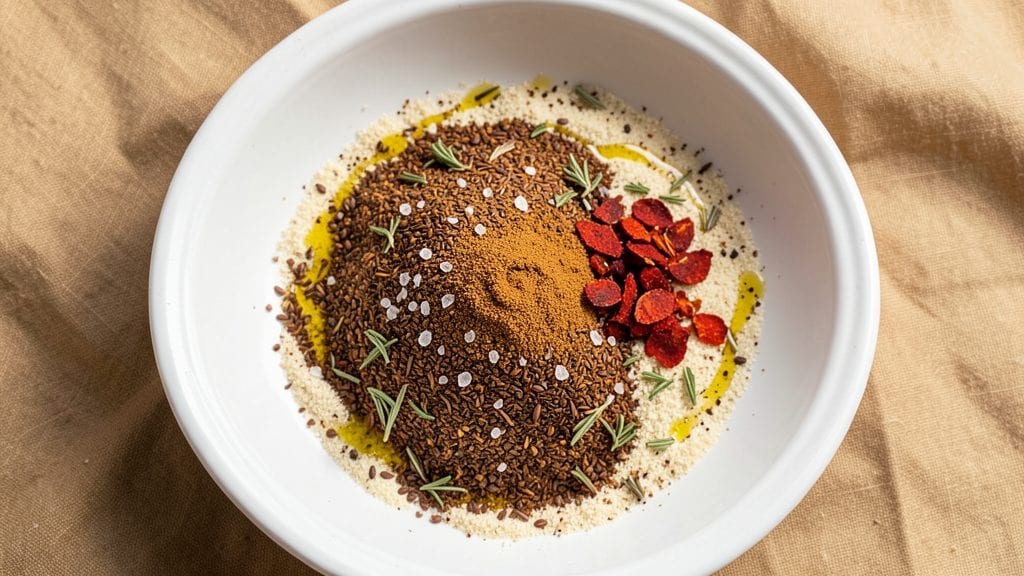
Creating a bean seasoning recipe that transforms ordinary beans into something extraordinary starts with this simple yet powerful spice blend. I developed this mix after realizing how much flavor dried beans needed to shine—especially when paired with minimal effort.
The secret lies in balancing earthy cumin, smoky paprika, and bright garlic powder to create a blend that works for everything from refried beans to black bean tacos.
This foolproof seasoning requires just five ingredients: ground cumin, smoked paprika, garlic powder, dried oregano, and a touch of onion powder. Each spice plays a role—cumin adds depth, paprika brings smokiness, and garlic powder ensures every bite packs a punch.
The blend is designed to enhance, not overpower, so you can adjust to taste while keeping prep under five minutes. Store it in an airtight container for up to six months, making it a pantry staple for quick, flavorful meals.
Use 1 tablespoon per pound of dried beans (or ½ tablespoon per cup of cooked beans) to elevate any dish. Toss it into simmering beans during the last 10 minutes of cooking, or sprinkle it over black beans for tacos, rice bowls, or salads.
The result? Beans that taste restaurant-quality without the fuss. This is the kind of seasoning that turns a simple side dish into the star of the meal.
Once you try this blend, you’ll never go back to bland beans again. The spices work together so seamlessly that you’ll want to keep it on hand for soups, stews, or even roasted vegetables. Let’s get started—your taste buds will thank you.
Ingredients for bean seasoning
Five simple spices transform bland beans into restaurant-quality flavor in minutes.
| Ingredient | Amount | Notes |
|---|---|---|
| Ground Cumin 🌿 | 2 tbsp | Toasted for deeper flavor |
| Smoked Paprika 🌶️ | 1 ½ tbsp | High-quality for smokiness |
| Garlic Powder 🧄 | 1 ½ tbsp | Freshly ground preferred |
| Dried Oregano 🍃 | 1 tbsp | Mexican oregano if available |
| Onion Powder 🧅 | 1 tbsp | Fine grind for even blending |
| Sea Salt 🧂 | ½ tbsp | Kosher or fine grain |
| Black Pepper 🌶️ | ½ tbsp | Freshly cracked for heat |
| Cayenne Pepper 🔥 | ¼ tbsp | Adjust for heat preference |
The cumin is the backbone—Penzeys or bulk bins have the best quality. Smoked paprika makes all the difference; Trader Joe's carries a great affordable option, but McCormick Gourmet is worth the splurge. Garlic powder should smell vibrant—if it's stale, toss it. I always double-check the expiration date on the spices. For the oregano, Mexican oregano has a different, brighter flavor, but regular dried oregano works in a pinch. The salt and pepper are just there to balance—don't skip them.
No smoked paprika? Regular paprika plus a pinch of liquid smoke gets you close. Short on cayenne? Red pepper flakes at half the amount work too. If you've got whole spices, toast them in a dry pan for 30 seconds first—it brings out their oils. The blend works perfectly with canned beans too—just toss in at the end. For soups or stews, add a little extra garlic powder (up to another ½ tbsp) to boost flavor. This mix is so versatile you'll want to keep it in every pantry cabinet.
Store in an airtight container—glass jar with a tight lid keeps it fresh longest. Lasts up to 6 months in a cool, dark place. I make a double batch so I always have some ready. The spices mellow over time, so if it's been sitting for a while, add a pinch more cayenne or garlic powder to kick up the flavor. Perfect for freezing in ice cube trays if you want single-use portions.
Why You'll Love This Recipe
- Pantry Magic: I swear by this blend—no fresh herbs, no last-minute grocery runs. Just open the spices you already own, measure, and mix. That’s it. The smoked paprika alone gives it this smoky depth that makes everything taste like it simmered for hours.
- Deep Umami Punch: Honestly, the combo of cumin and garlic powder is ridiculously good—earthy, warm, with that little kick. Sprinkle it on beans, toss it in rice, or even dust it over roasted veggies, and suddenly, everything tastes like it’s been slow-cooked with love.
- Weeknight Workhorse: Between us, this is my go-to for lazy nights. It turns canned beans into a meal in 10 minutes, bulk-cooked lentils into a crowd-pleaser, or even plain rice into something special. No fancy prep, just flavor.
- Lasts Forever: I make a big batch and keep it in a jar—it stays fresh for months. A little goes a long way, so it’s my budget-friendly secret weapon. Plus, no waste: just toss in what you need and store the rest. Perfect for when you’re not feeling creative.
Instructions for creating a versatile bean seasoning
Mix these spices together and you'll have a bold, aromatic blend perfect for beans, roasted vegetables, and more.
Measure All Ingredients Precisely
Start by gathering all your measuring tools and ingredients. I like to use a small bowl for this process to keep everything contained. Begin with the ground cumin—measure out exactly 2 tablespoons using your measuring spoon. The toasted cumin will have a deeper, earthier aroma than regular ground cumin, so take a moment to appreciate its rich color and scent.
Next, measure out 1.5 tablespoons each of smoked paprika and garlic powder. The smoked paprika should have a rich, reddish-brown hue and a noticeable smoky aroma. Freshly ground garlic powder will have a more intense flavor than pre-ground, so if you have the option, use freshly ground. The garlic powder will add a subtle sweetness that pairs beautifully with the other spices.
Combine the Dry Spices
Add the remaining ingredients to your bowl: 1 tablespoon each of dried oregano and onion powder, 0.5 tablespoon each of sea salt and black pepper, and 0.25 tablespoon of cayenne pepper. If you're using Mexican oregano, you'll notice a more citrusy, slightly floral note compared to regular oregano. The onion powder should be finely ground for even distribution throughout your seasoning.
Give everything a gentle stir with a fork or small whisk. You should see the spices begin to blend together, creating a rich, dark brown mixture. The cayenne pepper will add a subtle kick of heat, so if you're sensitive to spice, you might want to reduce this amount slightly. The sea salt and black pepper will tie all the flavors together, balancing the heat and depth of the other spices.
Mix Thoroughly for Even Distribution
Use the fork or whisk to break up any clumps and ensure the spices are evenly distributed. You're looking for a homogeneous blend where you can't pick out individual spices. This step is crucial—uneven mixing can lead to pockets of intense heat or flavor in your dishes. I like to give the mixture a good stir for about 30 seconds, making sure to scrape the bottom and sides of the bowl to incorporate everything.
Take a moment to smell the finished blend. You should detect a complex aroma with notes of smokiness from the paprika, earthiness from the cumin, and a subtle sweetness from the garlic and onion powders. The oregano and cayenne pepper will add layers of warmth and a hint of heat. This blend is incredibly versatile and will elevate any dish it touches, from simple baked beans to roasted vegetables or even grilled meats.
Store for Freshness and Convenience
Transfer the seasoning to an airtight container, like a small jar or spice tin. Make sure the container is completely sealed to keep the spices fresh and prevent moisture from getting in. Label the container with the date and contents—this helps you keep track of how long the seasoning has been stored. Properly stored, this blend will keep its flavor for up to 6 months, though I find it's best used within 3 months for maximum potency.
When you're ready to use the seasoning, simply shake the container well before each use to redistribute any settled spices. Start with about 1 teaspoon per pound of beans or 1 tablespoon per pound of meat or vegetables. Taste as you go and adjust to your preference. This blend is incredibly forgiving, so don't be afraid to experiment—it's designed to add depth and complexity to a wide range of dishes.
Pro Tips For Making Bean Seasoning
- Toast the Spices: Dry-toast your ground cumin and smoked paprika in a skillet over medium heat for 30 seconds—just until you smell that deep, nutty aroma. I learned this the hard way by skipping it; now my seasoning has real depth instead of just dusty flavor.
- Measure by Spoon, Not Eye: Use a level teaspoon for each spice—cumin and paprika pack differently, and eyeballing leads to uneven results. My first batch tasted flat because I overdid the oregano; now I weigh it out if I’m feeling fancy.
- Skip the Pre-Grinding: Buy whole spices if possible, then grind them fresh in a spice grinder or mortar and pestle. The difference in aroma is night and day—your beans will taste like they’re from a proper kitchen, not a jar.
- Bloom the Garlic: Heat your oil first, then add garlic powder and onion powder before the cumin and paprika. Let them sizzle for 10 seconds to wake up their flavors—this stops them from tasting like dust when mixed with beans later.
Wine and beer pairings for bean seasoning
Red Wine Pairings
For a bold, smoky kick, I reach for a Spanish Garnacha (Grenache)—its juicy berry notes and subtle earthiness complement the cumin and smoked paprika beautifully.
A California Zinfandel also works wonders, especially if your seasoning has extra cayenne. Both wines stand up to the spice while enhancing the dish’s depth. 🍷
Light Beer Options
A crisp Mexican lager like Modelo Especial or Pacífico cuts through the richness of seasoned beans without overpowering them. The clean, slightly malty profile balances the smokiness and heat perfectly.
For a hoppier option, try a wheat beer like Blue Moon—its citrusy notes play nicely with the garlic and oregano in the blend.
Craft Beer Pairings
If you’re serving seasoned beans in a hearty stew or chili, a smoked porter like Founders Kentucky Breakfast Stout (with its caramel and coffee notes) mirrors the seasoning’s depth. For tacos or bowls, a Mexican-style IPA with citrus and peppery hops (like Ballast Point Sculpin) brightens the dish.
The bitterness in IPAs also helps cleanse the palate between bites of spicy beans.
Non-Alcoholic Pairings
Don’t overlook sparkling hibiscus tea (agua de Jamaica) for a refreshing, tangy contrast. The floral and tart notes of hibiscus tea balance the smokiness of the seasoning perfectly.
For something richer, a ginger beer with a squeeze of lime adds a zesty kick that pairs surprisingly well with the earthy spices. 💛
Unexpected Pairings
Here’s a fun twist: mango salsa with your seasoned beans—its sweetness and acidity create a perfect balance. The smoky, spicy seasoning in beans pairs surprisingly well with the tropical fruit’s brightness.
For a savory option, try pickled red onions alongside—their tang cuts through the richness and adds another layer of complexity.
Nutrition facts
Frequently asked questions
Can I use this seasoning on other foods besides beans?
This blend works beautifully on roasted vegetables, grilled meats, and even popcorn. The smoky paprika and cumin add depth to chicken, pork, or tofu, while the garlic and onion powders make it perfect for seasoning roasted potatoes or Brussels sprouts. Just start with 1 teaspoon per pound of food and adjust to taste.
How do I adjust the spice level for sensitive eaters?
Simply reduce or omit the cayenne pepper entirely. For a milder version, use 0.125 tablespoon (half) or swap it for 0.25 tablespoon red pepper flakes, which provide heat without the same intensity. The rest of the blend will still deliver rich, aromatic flavor without the kick.
Can I make a smaller batch for occasional use?
Yes! Halve all ingredients to create a 1-tablespoon batch perfect for single servings. Store in a small spice jar with a tight seal—it’ll last 3-4 months in your pantry. This works great if you only cook beans occasionally or want to experiment without committing to a full batch.
What's the best way to revive stale seasoning?
Toast the spices gently in a dry pan over low heat for 1-2 minutes, stirring constantly. This reactivates their oils and flavors. For extra potency, add 0.125 tablespoon fresh ground cumin or smoked paprika to your next use. Most seasoning blends can be refreshed this way 2-3 times before needing replacement.
Why does my seasoning taste weak after storage?
Spices lose potency over time due to oxidation. Store your blend in an airtight glass container away from light and heat. If it's been stored longer than 3 months, the flavors will naturally mellow. For a quick fix, add 0.25 tablespoon extra garlic powder or smoked paprika to your next dish to boost flavor.