Main Courses
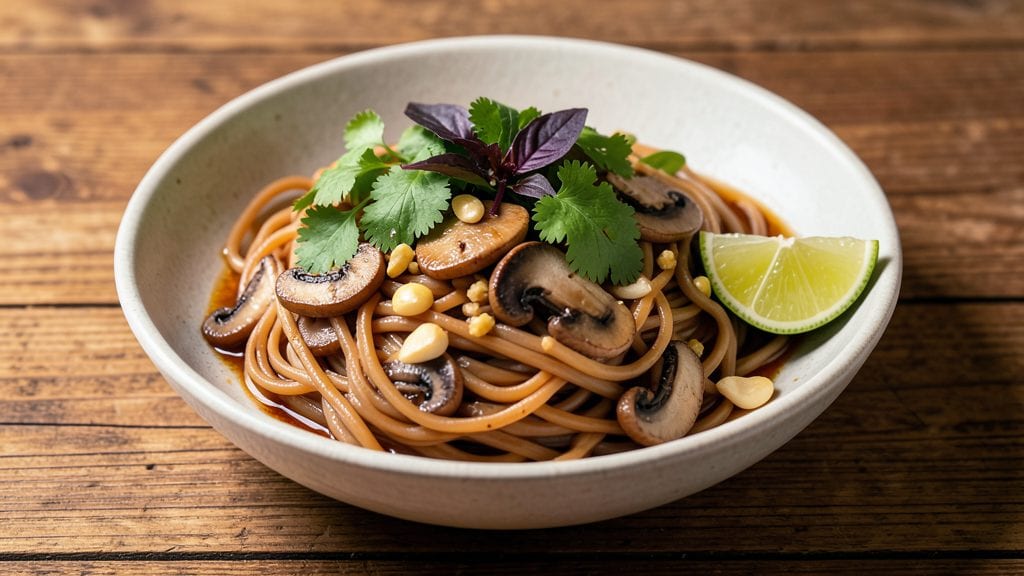
This bean vermicelli recipe transforms simple rice noodles into a restaurant-worthy dish with deep umami flavors and silky texture. The key lies in balancing earthy mushrooms, tangy fish-free sauce, and fresh herbs—each element working together to create a harmonious bowl.
I developed this recipe after years of refining my vegetarian Asian dishes, ensuring every bite delivers that perfect contrast of textures and flavors.
The process starts with perfectly soaked vermicelli noodles that remain tender yet hold their shape, then stir-fried with shiitake mushrooms until they release their rich, meaty essence.
A simple yet robust sauce made from soy sauce, garlic, and lime ties everything together, while fresh herbs like cilantro and Thai basil add brightness. This dish is vegetarian-friendly but packed with umami depth that satisfies even the most devoted meat lovers.
What you’ll end up with is a vibrant, aromatic bowl of silky noodles coated in savory sauce, topped with crisp mushrooms and fresh herbs. The dish is light enough for a summer meal but hearty enough for a satisfying dinner, and it comes together in under 30 minutes.
Serve it with pickled vegetables or a side of chili-lime dressing for extra zing.
This recipe draws inspiration from Vietnamese bún chả chay but simplifies the technique while keeping the soul of the dish intact. Whether you're feeding a crowd or treating yourself to a comforting meal, these noodles deliver restaurant-quality results at home. Let’s get cooking!
Ingredients for bean vermicelli
Earthy mushrooms, silky noodles, and vibrant herbs—this recipe delivers restaurant-quality umami in every bite.
| Ingredient | Amount | Notes |
|---|---|---|
| Bean Vermicelli Noodles 🍜 | 8 oz | Dried, rice noodles preferred |
| Shiitake Mushrooms 🍄 | 8 oz | Fresh, stems removed |
| Garlic Cloves 🧄 | 6 cloves | Fresh, minced finely |
| Fresh Cilantro 🌿 | ½ cup | Stems removed, chopped |
| Thai Basil Leaves 🌿 | ¼ cup | Fresh, torn by hand |
| Lime 🍋 | 2 whole | Juiced, seeds removed |
| Tamari or Soy Sauce 🥢 | 3 tbsp | Gluten-free tamari preferred |
| Sesame Oil 🫒 | 1 tbsp | Toasted, for aroma |
| Vegetable Oil 🫒 | 2 tbsp | High smoke point |
| Brown Sugar 🍚 | 1 tbsp | Light or dark preferred |
| Red Chili Flakes 🌶️ | ½ tsp | Adjust to taste |
| Sesame Seeds 🌰 | 1 tbsp | Toasted for garnish |
| Fresh Ginger 🧅 | 1 tbsp | Finely grated |
| Water 💧 | 4 cups | Room temperature for soaking |
| Vegetable Broth 🥫 | ½ cup | Low-sodium preferred |
The shiitake mushrooms are the heart of this dish—fresh, organic from Whole Foods or Trader Joe's deliver the deepest umami flavor. Look for caps that are plump and slightly springy, not slimy or dried out. If you can't find shiitake, cremini mushrooms work in a pinch, though they'll be slightly milder. The vermicelli noodles should be labeled 'bean' or 'rice'—Thai Kitchen brand is a reliable pantry staple. Soak them in room-temperature water for exactly 10-12 minutes; they'll double in size and become silky when drained. Over-soaking makes them mushy, so set a timer.
No tamari on hand? Regular soy sauce works fine, though it may have a slightly saltier profile. The sesame oil is non-negotiable for aroma—toasted sesame oil from La Choy or Annie Chun's adds that nutty depth. Fresh herbs are ideal, but if you're using dried, reduce the amount by half—dried Thai basil or oregano can mimic the flavor, though nothing beats the real thing. For extra heat, swap the chili flakes for fresh bird's eye chilies, seeded and finely chopped. The ginger should be fresh; powdered lacks the bright zing that balances the umami. If you're short on time, pasteurized ginger juice works in a bind.
Soaked noodles keep in the fridge for 2 days if submerged in water, but they're best used fresh. The sauce components (soy, lime, sugar) can be prepped ahead and stored for 5 days in an airtight container. For meal prep, assemble the dish just before serving—noodles soften when reheated. Garnish with toasted sesame seeds and extra herbs right before eating to preserve their freshness. This dish reheats beautifully if you're short on time, though the mushrooms may lose some crispness. For a quick fix, stir-fry the mushrooms and sauce separately, then toss with the noodles over ice for a refreshing twist.
Why You'll Love This Recipe
- No-Soak Needed: I swear by this trick—just rinse the bean vermicelli under cold water for 2 minutes, and they’re ready. No waiting, no fuss, and they still hold up perfectly when tossed with those chewy shiitake mushrooms.
- Umami Bomb: Between the earthy shiitake mushrooms and the punch of garlic, this dish has layers—like a flavor hug. The Thai basil and cilantro finish it off with that bright, herby zing that makes every bite feel like a little victory.
- Lunchbox Hero: Pack this cold or at room temp—it’s my go-to for work lunches or kids’ school meals. The noodles stay al dente, and the mushrooms add enough substance to keep everyone full. (Yes, even my picky eater asks for seconds.)
- Budget Stretch: Shiitake mushrooms might sound fancy, but they’re cheaper than you think, and a single bag lasts me weeks. Add a handful of cilantro and basil, and suddenly you’ve got a restaurant-quality meal without the markup. My wallet thanks me every time.
Step-by-step instructions for silky noodles with earthy mushroom umami
Here's how to transform simple ingredients into a vibrant, umami-rich noodle dish with perfect texture and balance.
Soak the Bean Vermicelli Noodles
Bring the 4 cups water to a boil in a medium saucepan. Once boiling, remove from heat and add the 8 oz bean vermicelli noodles. Let them soak for exactly 8-10 minutes until they become pliable and silky. You'll know they're ready when they're soft enough to bend easily but still hold their shape when pinched.
Drain the noodles thoroughly in a colander and rinse briefly under cold water to stop the cooking process. This prevents them from becoming mushy. Toss the drained noodles with 1 teaspoon of the vegetable oil to prevent sticking while you prepare the rest of the dish. The noodles should be at room temperature when you're ready to assemble them.
Sauté the Aromatics and Mushrooms
Heat the remaining 1 tablespoon vegetable oil in a large wok or skillet over medium-high heat. Add the 8 oz shiitake mushrooms, sliced, and cook for 5-6 minutes until they release their moisture and develop golden brown spots. Remove the mushrooms and set aside, leaving the flavorful oil in the pan.
In the same pan, add the 6 cloves minced garlic and the 1 tablespoon finely grated ginger. Sauté for 30 seconds until fragrant—you should smell that pungent garlic aroma wafting through your kitchen. Be careful not to let the garlic burn, as it can quickly turn bitter. This quick cooking preserves their fresh flavors while building the sauce foundation.
Build the Flavorful Sauce
Return the cooked mushrooms to the pan and add the 3 tablespoons tamari or soy sauce, 1 tablespoon brown sugar, and 0.5 teaspoon red chili flakes. Stir well to combine, letting the sauce simmer for 2-3 minutes until it reduces slightly and coats the mushrooms. The sauce should be glossy with a deep umami flavor from the mushrooms and savory notes from the tamari.
Remove the pan from heat and stir in the 1 tablespoon toasted sesame oil. This adds a nutty aroma that complements the earthy mushrooms perfectly. The sesame oil should be the last ingredient added to preserve its delicate flavor. Keep the sauce warm while you prepare the final garnishes.
Assemble and Garnish
In a large serving bowl, combine the drained noodles with the mushroom sauce. Toss gently but thoroughly to ensure every strand is coated. The noodles should absorb the sauce while maintaining their silky texture. If the sauce seems too thick, add the 0.5 cup vegetable broth, 1 tablespoon at a time, until you reach your desired consistency.
Divide the noodles among serving bowls and garnish each portion with the 0.5 cup chopped fresh cilantro, 0.25 cup torn Thai basil leaves, and 1 tablespoon toasted sesame seeds. Finish with a sprinkle of the 0.5 teaspoon red chili flakes and a generous squeeze of the 2 whole limes, juiced and seeds removed. The bright citrus cuts through the rich umami flavors beautifully.
Serve Immediately
Serve the noodles while still warm, as they cool quickly and the texture becomes less appealing. The dish should have a perfect balance of silky noodles, earthy mushrooms, and vibrant herbs with a touch of spicy heat. Each bite should deliver a harmonious blend of textures and flavors that make this dish truly special.
For best results, serve with additional lime wedges on the side and a small dish of extra chili flakes for those who prefer more heat. The combination of fresh herbs and citrus ensures this dish remains refreshing despite its rich umami base.
Pro Tips For Making Bean Vermicelli
- SOAK NOODLES SEPARATELY: I learned this the hard way—dumping bean vermicelli straight into boiling water makes them stick together like glue. Instead, divide them into 3-4 batches and soak in cold water for 10-15 minutes. They’ll separate perfectly and absorb flavor better.
- SLICE MUSHROOMS THIN: Thick shiitake slices turn rubbery while waiting for the noodles. Cut them paper-thin (almost translucent) and they’ll cook in under 2 minutes—just enough to soften without turning to mush.
- GARLIC FIRST, THEN BASIL: Add minced garlic to the wok before mushrooms, but toss in Thai basil leaves at the very end. If you cook them together, the basil wilts into sad little blobs instead of keeping that bright, herby crunch everyone loves.
- USE LEFTOVER NOODLE WATER: That starchy water from soaking? Don’t pour it down the drain. Toss in a splash (about ¼ cup) when stir-frying—it adds natural umami and helps the sauce cling to the noodles instead of pooling at the bottom.
Wine and beer pairings for this bean vermicelli
Light White Wine
For this dish, I reach for a crisp, aromatic white wine like Sauvignon Blanc or Pinot Grigio—both complement the dish's bright citrus and fresh herbs beautifully. A Sancerre from France, with its zesty lemon and herbal notes, mirrors the lime and cilantro flavors in the noodles.
Serve it slightly chilled (45-50°F) to enhance its refreshing qualities. 🍷
Crisp Lager Beer
A light, crisp lager like Heineken or Corona cuts through the richness of the mushrooms and umami sauce while balancing the dish's acidity. The effervescence cleanses your palate between bites, making it an ideal choice for casual dining.
For a local option, try a Mexican lager—its subtle malt sweetness pairs well with the brown sugar in the sauce.
Rosé Wine
If you prefer red wine, a dry Provence rosé offers a perfect middle ground with its delicate fruitiness and subtle earthiness. The wine’s acidity matches the lime, while its floral notes harmonize with the Thai basil.
Opt for a chilled rosé (48-52°F) to preserve its crispness and avoid overpowering the dish.
Non-Alcoholic Pairings
For a non-alcoholic option, a ginger beer like Feather Ginger Beer adds a spicy kick that echoes the chili flakes. Alternatively, a sparkling lime soda (like San Pellegrino Aranciata Rossa) with its citrus notes enhances the dish’s brightness. Serve both chilled to complement the noodles’ warmth. ✨
Asian-Inspired Sake
If you’re feeling adventurous, try a dry junmai sake—its clean, slightly nutty profile aligns with the sesame oil and mushrooms. A well-chilled honjozo sake (40-45°F) adds a sophisticated touch without overpowering the dish. Look for brands like Hakkaisan or Dassai for quality options.
Coffee or Tea Pairings
For a caffeine boost, a light roast Vietnamese coffee (like Trung Nguyen) with its nutty, herbal notes mirrors the dish’s earthy flavors. If you prefer tea, a jasmine green tea or oolong adds a floral contrast that complements the fresh herbs.
Serve both hot to balance the dish’s cool, citrusy finish.
Nutrition facts
Frequently asked questions
Can I substitute rice vermicelli for bean vermicelli?
Rice vermicelli works perfectly in this recipe—they have a similar texture and absorb flavors well. Just be sure to soak them for 8-10 minutes in room-temperature water until pliable. The dish will still deliver that same silky mouthfeel and umami balance.
How do I prevent the noodles from turning mushy?
Timing is everything! Soak the noodles for exactly 8-10 minutes in boiling water (removed from heat), then rinse briefly with cold water to stop cooking. Toss them with a tiny bit of oil immediately after draining to prevent sticking. Never over-soak—they’ll turn mushy and lose their delicate texture.
What’s the best way to add protein to this vegetarian dish?
Try crispy baked tofu, marinated tempeh, or even shredded king oyster mushrooms for meaty texture. For extra protein, add 1 cup of cooked edamame or lentils to the stir-fry. If you want something creamy, top with a dollop of peanut sauce or cashew-based satay sauce. The mushrooms already provide umami depth, so these additions will complement rather than overpower.
Can I make this ahead of time?
Prep the sauce and chop all veggies/garnishes in advance, but assemble the dish right before serving. Noodles soften when reheated, so store the sauce separately and toss with fresh noodles. If making ahead, soak the noodles, drain, and refrigerate in water (covered) for up to 2 days
Why does my sauce taste too salty?
Tamari/soy sauce is concentrated, so start with 2 tablespoons and adjust to taste. If it’s too salty, balance it with 1 extra tablespoon of lime juice or a splash of vegetable broth. The brown sugar also helps mellow the saltiness—simmer the sauce longer to reduce it slightly. Taste as you go!