
Side Dishes
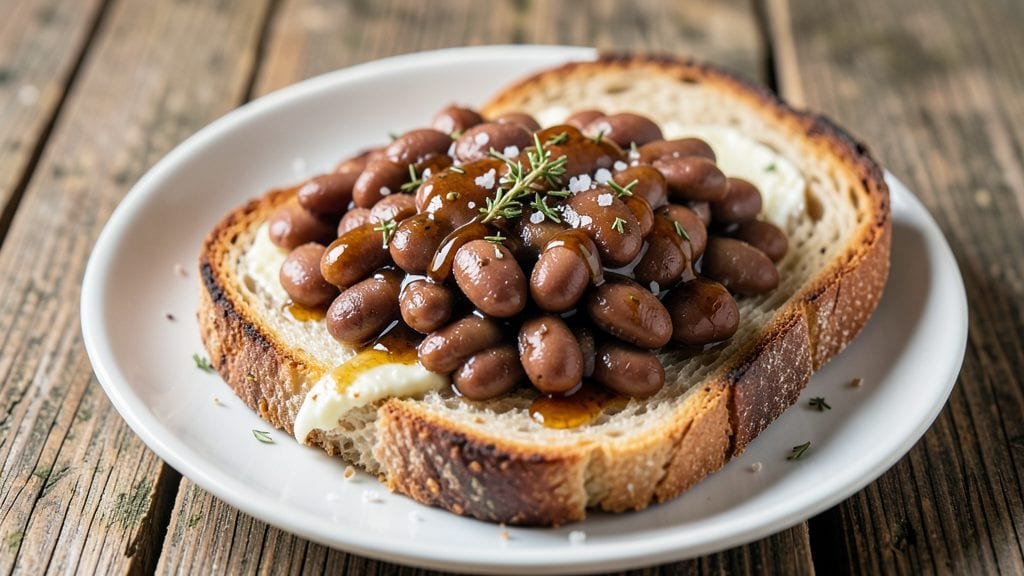
This British beans on toast recipe delivers the ultimate comfort food combination—crispy toast with creamy baked beans that taste like a proper British pub meal.
After years of perfecting the technique, I've cracked the code for achieving that ideal texture: golden-brown toast with just the right crunch, paired with rich, slightly sweet baked beans that melt into every bite.
The secret lies in toasting the bread properly and heating the beans with just enough butter to create that velvety finish.
What makes this recipe special is its simplicity—just a handful of ingredients, 15 minutes of prep, and a method that's foolproof even for beginners. I developed it during a particularly chilly Portland winter when I craved something hearty yet easy to prepare.
The beans are simmered with a touch of brown sugar and mustard for depth, while the toast gets buttered until it's perfectly golden and crisp at the edges. It's the kind of dish that feels indulgent without being complicated.
By the time you're done, you'll have a plate that looks and tastes like it came from a classic British café—crispy toast that holds its shape, creamy beans with just the right thickness, and that satisfying contrast of textures.
The aroma alone will have everyone asking what's for dinner. This is comfort food at its finest, perfect for breakfast, brunch, or even a quick supper when you need something satisfying without the fuss.
For those who prefer a vegetarian version, this recipe delivers exactly that—no meat required. You can also add a sprinkle of grated cheddar or a dollop of sour cream for extra richness.
Serve with a side of crispy bacon if you're feeling indulgent, or keep it as-is for a pure, plant-based version. Let's get started on this British classic!
Ingredients for british beans on toast
Just six core ingredients for that iconic British pub combo—crispy toast and creamy beans.
| Ingredient | Amount | Notes |
|---|---|---|
| Baked Beans (Vegetarian) 🍲 | 2 cups | Canned, no added meat |
| Unsalted Butter 🧈 | 2 tbsp | For crispy toast topping |
| Sourdough Bread 🍞 | 4 slices | Thick-cut, crust removed |
| Brown Sugar 🍯 | 1 tbsp | For bean sweetness |
| Dijon Mustard 🍯 | 1 tsp | For depth of flavor |
| Vegetable Stock 💧 | ¼ cup | For extra richness |
| Fresh Thyme Leaves 🌿 | ¼ tsp | Dried works in pinch |
| Sea Salt 🧂 | ½ tsp | Adjust to taste |
| Black Pepper 🌶️ | ¼ tsp | Freshly ground preferred |
| Vegetable Oil 🫒 | 1 tbsp | For toast crispiness |
| Cheddar Cheese (Optional) 🧀 | ¼ cup | Shredded, for extra richness |
The beans are the heart of this dish, so grab Heinz Vegetarian Baked Beans—it's the closest you'll get to that classic British flavor. If you can't find it, any no-meat canned beans will work, but the sweetness matters. Trader Joe's or Whole Foods usually carry it, or check the international aisle. The bread? Sourdough is ideal—it holds up better to toasting and adds a nice tang. If you're using store-bought, pick the thickest slices you can find. The butter? Unsalted gives you control over the saltiness, but salted works too if that's what you've got.
No brown sugar? Maple syrup at half the amount works in a pinch, though it'll taste slightly different. Short on thyme? Dried thyme at one-third the amount gets you close. The mustard is non-negotiable though—it's what gives those pub-style beans their depth. If you're feeling fancy, add a splash of balsamic vinegar to the beans while warming them up. The cheddar? Only add it if you're going for that extra-rich version—it's not traditional but makes a great vegetarian upgrade. Toast the bread in a pan with the oil until it's golden and crispy on both sides—don't skip this step, or you'll miss the magic.
This dish reheats beautifully—just pop the beans in a saucepan with a splash of water and warm through. The toast? Best eaten fresh, but you can reheat it in the oven at 350°F for 2-3 minutes if needed. Store the beans in their can or transfer to a jar with the liquid—they'll keep for up to 5 days in the fridge. The bread? Wrap it tightly in foil and store at room temp for 1 day or freeze for up to 3 months. I always make extra toast—it disappears faster than the beans.
Why You'll Love This Recipe
- Five-Ingredient Magic: I swear by this combo—no chopping, no fuss, just open the can, toast the bread, and let the butter and mustard work their charm. The beans heat up in minutes, and suddenly, you’ve got a meal that feels like a hug.
- Sweet-Savory Balance: That brown sugar glaze on the beans? It’s the secret weapon. The mustard cuts through the richness while the butter makes the toast melt-in-your-mouth, and the sourdough? It soaks up every last bit like a dream.
- Breakfast or Lunch: Honestly, it’s my go-to when I’m dragging—perfect for a lazy weekend brunch or a quick lunch after a long day. Add a fried egg if you’re feeling fancy, or keep it simple. Either way, it never disappoints.
- Budget Breakfast Win: A can of beans, a loaf of sourdough, and butter? This is cooking on a shoestring. Leftovers? Just reheat and repeat—no waste, no stress. My wallet (and my stomach) thank me every time.
Step-by-step instructions for British beans on toast
Here's how to make this classic comfort dish with perfect crispy toast and ultra-creamy beans.
Prepare the Enhanced Bean Mixture
In a medium saucepan, combine the 2 cups of baked beans with the 0.25 cup vegetable stock, 1 tbsp brown sugar, 1 tsp Dijon mustard, 0.25 tsp fresh thyme leaves, 0.5 tsp sea salt, and 0.25 tsp black pepper. I like to use a wooden spoon to stir everything together gently - this helps distribute the flavors evenly without breaking up the beans.
Place the saucepan over medium heat and bring the mixture to a gentle simmer. Let it cook for about 8-10 minutes, stirring occasionally. You're looking for the beans to thicken slightly and the flavors to meld together. The thyme leaves will infuse their aromatic essence, while the sugar and mustard create that perfect balance of sweet and tangy. Keep an eye on it - you don't want it to boil vigorously, just maintain a gentle simmer throughout.
Toast the Bread to Crispy Perfection
While the beans are heating, let's get that toast just right. Heat a large skillet over medium heat and add the 1 tbsp vegetable oil. Once the oil is shimmering but not smoking, add the 4 slices of sourdough bread. I like to press down gently on each slice during the first minute - this prevents them from curling and ensures even contact with the pan.
Toast each side for about 2-3 minutes until they're golden brown with those beautiful crispy spots. The edges should be particularly crisp - that's what makes this dish so satisfying. If you're using the optional 0.25 cup cheddar cheese, sprinkle it lightly over the toasted sides now while they're still warm. The cheese will melt slightly from the residual heat, adding another layer of richness.
Butter the Toast for Extra Crunch
Transfer the toasted bread to a plate and let it cool for just a minute. This brief rest prevents the butter from melting too quickly when we add it next. Take the 2 tbsp unsalted butter and melt it in the same skillet you used for toasting, over low heat. You want it just warm enough to coat a spoon but not hot enough to brown.
Using a pastry brush or spoon, generously coat both sides of each toast slice with the melted butter. The butter should be evenly distributed - you'll see it soak in slightly but still leave a glossy sheen. This buttering step is what creates that perfect contrast between the crispy exterior and soft interior of the toast. The butter also adds another layer of flavor that complements the creamy beans beautifully.
Assemble and Serve Immediately
Now for the best part - putting it all together. Spoon the creamy bean mixture generously over each slice of buttered toast. I like to make a little well in the beans so they don't slide off when you pick up your slice. The beans should be hot and the toast still warm - this is when they're at their absolute best texture.
Serve immediately while everything is at its peak temperature. The contrast between the crispy, buttery toast and the creamy, flavorful beans is what makes this dish so irresistible. Don't wait too long to eat - the toast will start to soften as it cools, and you'll lose that perfect textural contrast. Pair with a simple green salad or some pickled vegetables for a complete meal.
Pro Tips For Making British Beans On Toast
- Toast First: DESCRIPTION: Warm your sourdough in a dry toaster or under the broiler for 2–3 minutes until it’s crisp but not burnt—this prevents soggy bread when the hot beans hit it. I learned this the hard way after scraping up a mushy mess the first time I skipped it.
- Sweeten the Beans: DESCRIPTION: Stir in the brown sugar while heating the beans—this lets the heat caramelize it slightly, deepening the flavor instead of just sprinkling it on top like an afterthought. A splash of water (1–2 tablespoons) helps dissolve it evenly.
- Butter Last: DESCRIPTION: Spread the unsalted butter on the toast after the beans go on—it melts faster and creates a richer, glossier finish. If you butter first, the beans will steam the bread into a sad, limp blanket.
- Mustard Matters: DESCRIPTION: Mix the Dijon into the beans before serving—just 1 teaspoon per can—so every bite gets that tangy cut-through. Skipping this step leaves you with a one-dimensional, sweet-and-salty flavor that’s missing its backbone.
Pro cooking tips for perfect results
Toast Temperature Control
This is where most people mess up—under-toasting or over-toasting the bread. The ideal toast should be golden brown with crisp edges and just a hint of softness in the center.
I use a cast iron skillet (like my Lodge 10-inch) because it retains heat perfectly and creates that signature crunch. Heat it over medium heat until it's hot but not smoking, then add the bread.
Press down gently with a spatula for the first 30 seconds to prevent curling. 🔥
Bean Texture Secrets
The beans should be thick but still spoonable—not dry or pasty. After adding the stock, sugar, and mustard, simmer them for 8-10 minutes on medium-low heat. Stir occasionally to prevent sticking, but don’t over-stir or you’ll break up the beans.
If they’re too thick, add 1 tbsp water or stock; if too thin, simmer uncovered for another 2 minutes. The goal is that creamy, slightly glossy texture that clings to the toast.
Butter Timing Matters
Buttering the toast too early makes it soggy, but waiting too long means the butter won’t soak in properly. Melt the 2 tbsp unsalted butter in the same skillet over low heat (just warm enough to coat a spoon).
Brush it on immediately after toasting while the bread is still warm but not scorching. For extra crispiness, I like to sprinkle a pinch of flaky sea salt (like Maldon) right after buttering—it adds a gourmet touch.
Cheese Hack for Extra Richness
If you’re adding the optional cheddar, sprinkle it lightly over the toasted sides while they’re still warm. The residual heat will melt just enough to create a slightly crispy cheese crust—no need to fully melt it.
I use sharp cheddar (like Cabot) because it holds up better to the toast’s heat. For a vegan version, swap in nutritional yeast or vegan cheddar shreds—they’ll give a similar umami depth.
Pan Prep for Perfect Crisp
A clean, dry pan is non-negotiable. Any leftover food residue can cause the bread to stick or burn. I wipe mine down with a paper towel before adding oil, then let it heat for 2 minutes to get properly hot.
If your pan isn’t hot enough, the toast will steam instead of crisp. Pro tip: Use avocado or vegetable oil—they have higher smoke points than butter, so they won’t burn when toasting.
Serving Temperature
This dish is best served immediately when the toast is still crisp and the beans are hot. If you’re prepping ahead, keep the toast and beans separate until serving. Reheat the beans in a saucepan with 1 tbsp water over low heat, and toast fresh slices in the pan.
The contrast of crispy, buttery toast with warm, creamy beans is what makes this dish legendary—don’t let it sit too long, or you’ll lose that magic. ✨
Nutrition facts
Frequently asked questions
Can I make this vegetarian version without cheese?
The classic British beans on toast doesn't require cheese at all. The recipe works perfectly with just the creamy beans, buttery toast, and a sprinkle of flaky salt. For extra flavor without cheese, try adding a pinch of smoked paprika or a dash of Worcestershire sauce to the beans. The contrast of textures alone makes it satisfying.
What's the best bread for this recipe?
Sourdough is ideal because it holds up to toasting and adds a nice tang, but you can use any sturdy bread like brioche or whole grain. Avoid soft breads like white sandwich bread—they'll turn soggy too quickly. For extra crispiness, look for thick-cut slices with a good crust. If you can't find sourdough, rye or pumpernickel work well too.
How do I fix beans that are too thick or too thin?
If your beans are too thick, stir in 1 tablespoon of water or vegetable stock while heating. For thin beans, simmer uncovered for another 2-3 minutes to reduce the liquid. The perfect texture should be creamy but still spoonable—not dry or watery. Remember, the beans should coat the back of a spoon with a slight gloss.
Can I make this ahead of time?
Yes, but keep the toast and beans separate until serving. Store the beans in their saucepan (with lid) in the fridge for up to 5 days, reheating gently with 1 tablespoon water. Toast fresh slices in the pan just before serving—they're best eaten crispy. For make-ahead convenience, prep all ingredients the night before and assemble in the morning.
What are some good toppings or sides?
For a classic British touch, try a fried egg on top or crumbled bacon on the side. Veggie options include sliced avocado, cherry tomatoes, or a simple green salad. For extra richness, add a dollop of sour cream or crème fraîche to the beans. The key is balancing textures—keep something crispy or fresh to complement the creamy beans.