
Side Dishes
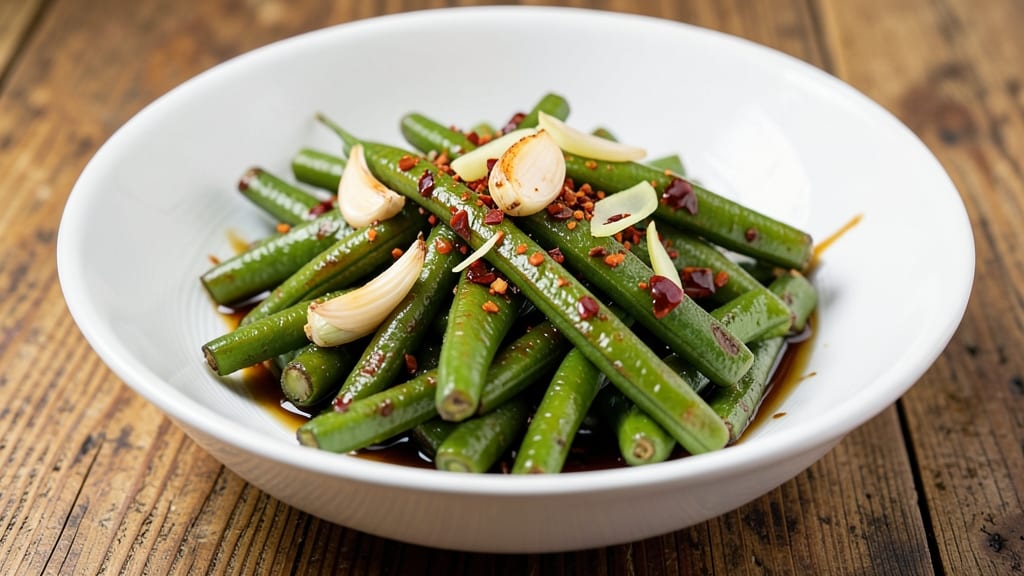
This Chinese fried green beans recipe delivers the perfect balance of crisp-tender texture and bold, aromatic flavors in just 15 minutes. The secret lies in high-heat wok tossing that keeps the beans vibrant while developing deep garlic, chili, and soy notes.
I first mastered this dish after discovering how traditional stir-frying techniques transform simple ingredients into something restaurant-worthy.
The beauty of this recipe is its versatility—it works as a standalone side or pairs perfectly with rice, dumplings, or grilled proteins. Traditional seasonings like garlic, ginger, and chili create that signature Chinese restaurant crunch, while modern adaptations with fish sauce or oyster sauce add umami depth.
The key technique is continuous tossing to prevent overcrowding, ensuring each bean gets properly caramelized.
What you’ll end up with is a dish that’s crisp on the outside, tender inside, and packed with flavor—every bite delivers that perfect contrast of heat, garlic punch, and savory soy.
The aroma alone will have everyone at the table asking for seconds. Ready to transform your weeknight dinners with this classic?
This recipe scales easily for crowds and reheats beautifully, making it ideal for meal prep or last-minute dinner solutions. Whether you’re serving it as a side or making it the star of the meal, the results are consistently impressive. Let’s get cooking!
Ingredients for chinese fried green beans
Wok-tossed green beans with garlic-chili heat—crisp, aromatic, and restaurant-quality in minutes.
| Ingredient | Amount | Notes |
|---|---|---|
| Fresh Green Beans 🥬 | 1 ½ lb | Trimmed, cut into 2-inch pieces |
| Extra-Virgin Olive Oil 🫒 | 2 tbsp | High smoke point for wok tossing |
| Garlic Cloves 🧄 | 4 cloves | Minced, fresh preferred |
| Fresh Ginger 🌿 | 1 tbsp | Finely grated, aromatic |
| Red Chili Flakes 🌶️ | 1 tbsp | Adjust for heat preference |
| Light Soy Sauce 🥄 | 2 tbsp | For umami depth |
| Sesame Oil 🫒 | 1 tsp | Toasted, for finishing |
| Toasted Sesame Seeds 🌾 | 1 tbsp | For garnish, optional |
| Vegetable Oil 🫒 | ½ cup | High smoke point, neutral flavor |
| Diamond Crystal Kosher Salt 🧂 | ½ tsp | Fine grain, for seasoning |
| Black Peppercorns 🌶️ | ¼ tsp | Freshly cracked, for heat |
| Vegetable Stock 💧 | ¼ cup | Low-sodium, for deglazing |
| Lemon Wedges 🍋 | 2 whole | For serving, optional |
The green beans are the foundation—look for bright green, crisp varieties like haricots verts or snap beans. Whole Foods or local farmers' markets carry the freshest cuts, but any firm, straight beans work. Avoid woody ends and overcrowded bunches. For the garlic, peel and mince just before cooking to preserve freshness. Fresh ginger from the produce section adds complexity, but if unavailable, substitute with ground ginger at half the amount. The red chili flakes should be vibrant—Penzeys or local spice shops offer the best quality. Light soy sauce from Kikkoman ensures authentic umami without overpowering.
No fresh ginger? Ground ginger at half the amount works in a pinch. Short on sesame oil? Toasted sesame seeds can be ground with a pinch of salt for a dry substitute. Vegetable stock can be swapped for water plus a dash of bouillon, though the umami depth will differ. Diamond Crystal kosher salt dissolves easily, but Morton fine sea salt is a fine alternative. Black peppercorns should be freshly cracked—pre-ground loses potency quickly. For extra crunch, add a pinch of cornstarch to the beans before tossing, but it’s optional. Sesame seeds can be omitted if avoiding nuts, though they add texture.
Store cooked beans in an airtight container for up to 3 days—they reheat beautifully in a dry skillet over medium heat for 2-3 minutes. Freeze for up to 3 months by spreading on a tray first, then transferring to a bag. Lemon wedges should be added fresh before serving to brighten flavors. Sesame oil should be added last—its aroma is delicate and can evaporate with prolonged heat. Double the batch for meal prep; portion into glass containers to maintain crispness.
Why You'll Love This Recipe
- No-Chop Needed: I swear by this trick—just trim the ends of the beans and toss them whole. The heat and garlic do all the work breaking them down while you sip your tea.
- Umami Bomb: That garlic-ginger-chili combo? It’s the kind of flavor that lingers. The olive oil keeps it from being too heavy, so every bite’s bright and addictive—like a hug for your taste buds.
- Leftover Goldmine: Fry a big batch on Sunday, and you’ve got a side dish ready for stir-fries, rice bowls, or even sandwiches all week. Stays crispy if you store it right (airtight container, no thanks).
- Budget Crunch-Saver: Green beans are cheap, olive oil stretches far, and you’re not drowning in specialty ingredients. Honestly, it’s the kind of dish that makes me feel like I’m eating fancy without the grocery bill.
Step-by-step instructions for Chinese fried green beans
Master this classic stir-fry technique for vibrant, crisp-tender green beans bursting with aromatic heat.
Blanch and Prep the Green Beans
Trim the ends from the 1.5 lb fresh green beans and cut them into 2-inch pieces. Place them in a large pot of boiling salted water—use about 1 tablespoon of the diamond crystal kosher salt—for exactly 2 minutes. You're not cooking them fully, just softening the edges slightly so they hold their shape during frying.
Drain immediately in a colander and rinse under cold water to stop the cooking process. Pat them completely dry with a kitchen towel or clean dish towel. Any moisture left on the beans will prevent them from achieving that coveted crisp-tender texture. Spread them on a baking sheet and set aside while you prepare the aromatics.
Build the Flavor Base
Heat the 0.5 cup vegetable oil in a wok or large skillet over medium-high heat until it shimmers at 350°F. Add the 4 minced garlic cloves and 1 tablespoon finely grated fresh ginger, stirring constantly for 30 seconds until fragrant but not browned—this prevents bitterness. Immediately add the 1 tablespoon red chili flakes and stir for another 10 seconds to distribute the heat evenly.
Pour in the 2 tablespoons light soy sauce and let it sizzle for 20 seconds, allowing the sauce to coat the aromatics. This creates a flavorful base that will infuse the green beans during the stir-fry. Keep the heat at medium-high throughout this process—too low and the aromatics will steam instead of develop flavor.
Stir-Fry to Crisp-Tender Perfection
Add the prepared green beans to the wok in a single layer, spreading them out evenly. Stir-fry vigorously for 3-4 minutes, working in batches if needed, until the beans are bright green, slightly blistered in spots, and still offer a gentle resistance when pierced with a fork. This is the critical texture window—overcooking turns them mushy while undercooking leaves them raw.
Once they reach this ideal doneness, pour in the 0.25 cup vegetable stock and the 2 tablespoons extra-virgin olive oil. Toss everything together for another 30 seconds, allowing the stock to deglaze the pan and create a glossy finish. The olive oil adds richness while the stock helps distribute the flavors evenly throughout the green beans.
Finish and Garnish
Remove the wok from heat and immediately drizzle with 1 teaspoon sesame oil. Toss gently to coat the beans evenly with the nutty aroma. Sprinkle with 1 tablespoon toasted sesame seeds and adjust seasoning if needed—add a pinch more soy sauce if the dish tastes bland, or more chili flakes if you prefer extra heat.
Serve immediately with the 2 lemon wedges on the side for a bright contrast to the rich, spicy flavors. The beans should be vibrant green with crisp edges and tender centers, coated in a glossy sauce that balances sweet, salty, and spicy notes. This dish comes together quickly but requires precise timing and attention to texture—don't rush the stir-fry process or you'll sacrifice the signature crunch.
Pro Tips For Making Chinese Fried Green Beans
- TRIM STRAIGHT ACROSS: Cut the ends of your green beans at a sharp angle with a knife—no need to peel them—then slice them into 2-inch batons. This keeps them from curling in the pan and cooks them evenly. (I used to snip them unevenly, and they’d steam instead of sear.)
- STIR-FRY IN BATCHES: Don’t overcrowd the wok or skillet. Cook the beans in 2-3 batches over high heat so they sizzle and blister instead of stew. After burning one batch, I now double-check my pan size and split them early.
- GINGER SLICE THIN: Use a mandoline or sharp knife to slice ginger paper-thin—no need to grate. Thin slices crisp up faster and add aroma without overpowering. (Yes, it looks like confetti, but it works.)
- SALT THE BEANS FIRST: Toss the trimmed green beans with 1/2 teaspoon salt right after cutting. This draws out moisture so they crisp up better in the pan—no soggy aftermath. (I skipped this once and regretted it.)
Troubleshooting perfect results
Beans Too Soft
If your green beans turn mushy instead of crisp-tender, you likely overcrowded the wok or underheated the oil. I’ve found that using a carbon steel wok (like Mauviel) heats up faster and maintains even temperatures better than cast iron.
Always stir-fry in single layers—if you have more beans than fit, work in batches. Also, ensure your oil reaches 350°F before adding the beans; test it by dropping in a pinch of salt—if it sizzles immediately, it’s ready. 🔥
Bland Flavor Profile
Flat flavors usually mean insufficient seasoning or underdeveloped aromatics. First, double-check your soy sauce—use light soy sauce (not dark) for authentic flavor. For extra umami, add 1 teaspoon fish sauce or 1 teaspoon oyster sauce to the stir-fry.
I also recommend toasting the garlic and ginger in the oil for 10-15 seconds longer before adding the beans—this deepens their natural sweetness and aroma. 💡
Oily or Greasy Texture
Greasy beans happen when too much oil is used or the dish isn’t drained properly. Measure your oil precisely—0.5 cup vegetable oil is plenty for this recipe. After blanching, pat the beans completely dry with a clean kitchen towel or paper towels.
If the dish still seems oily after cooking, drain on a wire rack for 2-3 minutes to let excess oil drip away. 🫒
Uneven Cooking
If some beans are raw while others are overcooked, your heat isn’t distributed evenly. Use a wok with a flat bottom (or a heavy skillet) and ensure it’s preheated for at least 5 minutes before cooking.
Also, cut all beans to uniform size—this ensures even cooking. If your stove has hot spots, stir more frequently or use a wok with a built-in heat diffuser. ⚡
Burnt Aromatics
Burnt garlic or ginger means you let the aromatics cook too long. Keep the heat at medium-high and stir constantly—30 seconds max for garlic and ginger before adding chili flakes.
If they start to brown too quickly, reduce the heat slightly or remove the pan from the burner for a few seconds. Freshly minced garlic burns faster than pre-minced, so work efficiently. 🌿
Sticky or Glossy Sauce
A overly glossy sauce often means too much soy sauce or stock. The recipe calls for 2 tablespoons soy sauce and 0.25 cup stock—measure carefully. For a lighter finish, reduce the stock by half or skip it entirely, focusing on the oil and aromatics for moisture.
If the sauce is still too heavy, toss the beans with 1 teaspoon cornstarch before serving to absorb excess liquid. 💫
Nutrition facts
Frequently asked questions
Can I use frozen green beans instead of fresh?
but with adjustments! Thaw frozen beans first and pat them completely dry before stir-frying. Since they're already cooked, skip the blanching step and reduce stir-fry time to 2-3 minutes—they'll cook faster than fresh. For best texture, choose high-quality frozen beans without ice crystals.
How spicy should this dish be? Can I adjust the heat?
The recipe uses 1 tablespoon chili flakes for moderate heat, but you can easily customize it. For milder flavor, reduce to ½ teaspoon or swap with ½ teaspoon dried chili powder. For extra kick, add ½ teaspoon Sichuan peppercorns or a dash of chili crisp at the end. Taste before serving!
What are the best proteins to add for a complete meal?
This dish pairs perfectly with shrimp (½ lb, cooked separately), thinly sliced pork (½ lb), or firm tofu (1 block, pressed and cubed). Add proteins after the beans are mostly cooked (1-2 minutes before serving) to prevent overcooking. For authenticity, use Chinese sausage (lap cheong) or dried shrimp for umami depth.
Why do my beans turn dark green or gray during cooking?
This happens when beans release too much water or cook too long, causing oxidation. To prevent it: Pat beans extremely dry after blanching, use high heat, and stir-fry in single layers. If it happens, add 1 teaspoon lemon juice or a splash of rice vinegar at the end to brighten the color. Fresh beans should stay vibrant green!
Can I make this dish ahead of time for meal prep?
Yes, but with texture considerations. Cooked beans reheat best when stored in an airtight container for 2-3 days. To maintain crispness, reheat in a dry skillet over medium-high heat for 2-3 minutes, adding a splash of water to deglaze. For freezing, spread beans on a tray first to prevent clumping, then transfer to a bag for up to 3 months.