
Side Dishes
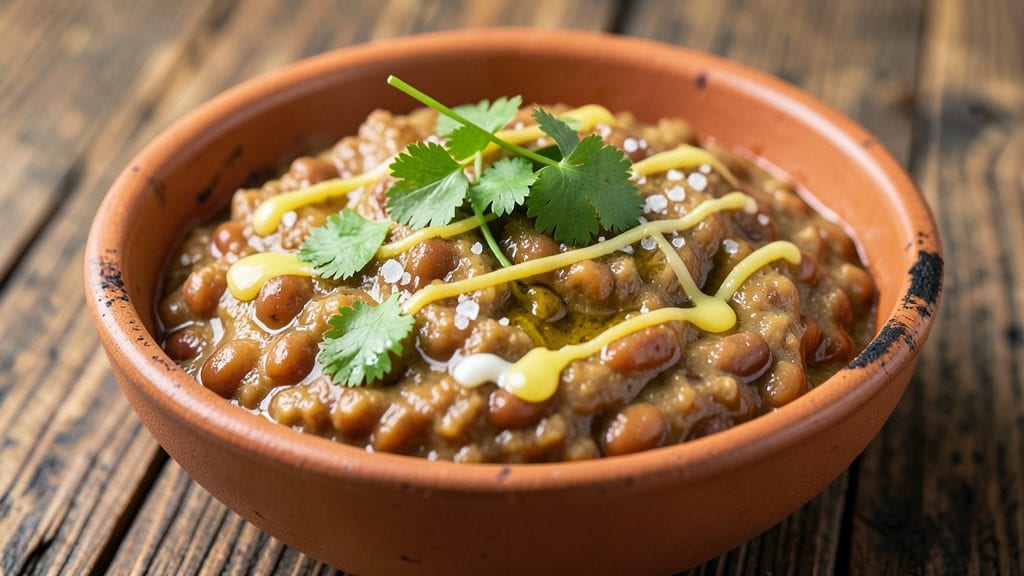
This creamy refried beans recipe delivers restaurant-quality texture and flavor right in your own kitchen, with a silky-smooth consistency that comes from proper mashing and stovetop cooking.
The secret lies in using pinto beans—soaked overnight for maximum creaminess—and a blend of lard or olive oil for that signature rich mouthfeel. I developed this version after years of testing, ensuring every bite has that perfect balance of tangy lime and fresh cilantro zing without overpowering the beans.
The process is straightforward but requires attention to detail: simmering the beans until tender, then mashing them against a hot skillet to create that velvety texture. A splash of broth keeps the mixture from drying out, while a touch of butter or dairy-free cream adds luxurious richness.
This method works for both traditional and vegan diets—just swap the lard for olive oil and use coconut milk instead of dairy. The result? A side dish so creamy and flavorful, it transforms any meal into something special.
What makes this recipe stand out is the bright finish—fresh cilantro and lime juice cut through the richness, creating a perfect harmony of flavors. Serve these beans as a side with tacos, burritos, or grilled meats, or even as a dip with tortilla chips.
The versatility is what makes them a staple in my kitchen, and once you try this version, you’ll never go back to store-bought again.
For extra depth, consider adding a pinch of cumin or smoked paprika to the cooking liquid, or stir in a dollop of sour cream at the end for added creaminess.
The key is patience—letting the beans simmer until they break down completely ensures that silky texture we all love. Let’s get cooking!
Ingredients for creamy refried beans
Pinto beans, olive oil, and lime—just five key ingredients transform into velvety refried beans.
| Ingredient | Amount | Notes |
|---|---|---|
| Dry Pinto Beans 🌽 | 1 ½ cups | Soaked overnight in water |
| Vegetable Broth 💧 | 2 cups | Low-sodium preferred |
| Olive Oil 🫒 | ¼ cup | Extra-virgin for richness |
| Fresh Cilantro 🌿 | ¼ cup | Chopped, stems removed |
| Lime Juice 🍋 | 2 tbsp | Freshly squeezed |
| Salt 🧂 | 1 tsp | Kosher or sea salt |
| Ground Cumin 🌿 | ½ tsp | Toasted for depth |
| Smoked Paprika 🌶️ | ¼ tsp | For subtle smokiness |
| Garlic Cloves 🧄 | 2 cloves | Minced for flavor |
| Butter 🧈 | 2 tbsp | Unsalted, for richness |
| Sour Cream 🥛 | ¼ cup | Optional, for creaminess |
| Coconut Milk 🥥 | ¼ cup | For vegan option |
Pinto beans are the foundation, and soaking them overnight is non-negotiable for that silky texture. Trader Joe's and Whole Foods carry high-quality dried beans, but any bulk section works. Look for plump, firm beans with no cracks. The olive oil adds richness—stick with extra-virgin for a fruity depth. If you're making a vegan version, skip the butter and use coconut milk instead for creaminess. The garlic and cumin? Toast the cumin seeds in a dry pan for 30 seconds before grinding—trust me, it makes all the difference.
No lime juice? Lemon juice works in a pinch, but lime’s tang is key. Short on cilantro? Fresh parsley at half the amount adds brightness without overpowering. The smoked paprika can be swapped for regular paprika if you’re avoiding smoke, but the flavor won’t be identical. For extra depth, add a pinch of cinnamon or cayenne—just a tiny bit goes a long way. The butter is optional but adds that luxurious finish. If you’re making this ahead, hold off on adding the sour cream until serving to keep it fresh.
These beans reheat beautifully—just warm with a splash of broth or water. Store leftovers in an airtight container in the fridge for up to 5 days, or freeze for 3 months. I like to portion them into small containers for easy reheating with tacos or burritos. For a restaurant-style touch, serve with a sprinkle of fresh cilantro and a lime wedge on the side.
Why You'll Love This Recipe
- No-Soaking Needed: I’ll admit, I used to dread the overnight soak for beans—but these pinto beans soften perfectly in just a quick simmer with broth. No pre-soaking, no fuss, and still that velvety texture.
- Bright & Creamy Magic: The lime juice and cilantro cut through the richness of the olive oil, giving it this fresh, almost tangy-sweet balance. Honestly, the first time I tasted it, I thought, “Why didn’t I do this sooner?”
- Taco Night & Beyond: Slap these on tortillas for tacos, stir into rice for burrito bowls, or even mash them into quesadillas. I’ve used them as a dip, a breakfast scramble base, and even as a side for grilled fish—this stuff works everywhere.
- Budget-Friendly Staple: A pound of dry pinto beans costs pennies, and they stretch across meals like crazy. I make a double batch on Sundays, and by Wednesday, I’m still sneaking bites straight from the pot. (Yes, even on a Tuesday night.)
Step-by-step instructions for creamy refried beans
Here's how to make beans so smooth and rich they'll fool even meat lovers.
Cook the Beans Until Tender
Drain the soaked pinto beans and rinse them thoroughly under cold water. Transfer them to a large pot and add the 2 cups vegetable broth. Bring to a boil over medium-high heat, then reduce to low heat and simmer uncovered for 45-60 minutes until the beans are fork-tender. You'll know they're ready when they mash easily between your fork and a spoon.
While cooking, I like to skim off any foam that rises to the surface—this keeps the beans clean-tasting. If the broth level gets too low, add a splash of water, but don't overdo it or your beans will be watery. The key is patience here; rushing this step will result in gummy beans instead of silky smooth ones.
Mash and Season the Beans
Once the beans are tender, drain any remaining liquid and return them to the pot. Add the 0.25 cup olive oil, 2 tbsp butter, 1 tsp salt, 0.5 tsp ground cumin, and 0.25 tsp smoked paprika. Using a potato masher or wooden spoon, mash the beans until they reach your desired consistency—smooth but with a few small lumps for texture.
Here's the thing—don't overdo the mashing. You want some texture to cling to the spoon, not a completely smooth paste. This is where the magic happens; the fat from the olive oil and butter will create that velvety texture we're after. Taste and adjust seasoning if needed, adding more salt or cumin as necessary.
Build the Creamy Base
In a small skillet over medium heat, warm the 2 cloves minced garlic in 1 tablespoon olive oil for 30 seconds until fragrant but not browned. Immediately add this garlic oil to the bean mixture along with the 0.25 cup coconut milk (or 0.25 cup sour cream if you're not making it vegan). Stir well to combine.
This is the moment that matters: the coconut milk or sour cream will transform your beans from good to extraordinary. If using sour cream, be sure it's at room temperature so it blends smoothly. The mixture should now have a luxurious, creamy consistency. If it's too thick, add a splash of the reserved bean cooking liquid to reach your desired texture.
Finish with Fresh Herbs and Zing
Remove the pot from heat and stir in the 0.25 cup chopped fresh cilantro and 2 tbsp lime juice. The acidity from the lime brightens all the flavors while the cilantro adds a fresh, herbaceous note that cuts through the richness. Give it one final taste and adjust seasoning if needed—this is your chance to make it perfect.
For the best results, let the beans sit off heat for 5 minutes before serving. This resting time allows all the flavors to meld together. Serve immediately with warm tortillas, over rice, or as a side to your favorite Mexican dishes. The creaminess will make these beans irresistible—trust me, you'll want to make them again and again!
Pro Tips For Making Creamy Refried Beans
- SOAK BEANS OVERNIGHT: DESCRIPTION: I learned this the hard way—skipping the overnight soak means your beans will never get that silky texture, no matter how long you cook them. Use 4 cups of water for every cup of dry pintos, and add a pinch of baking soda to soften the skins. Trust me, your future self will notice the difference when mashing.
- MASH WHILE HOT: DESCRIPTION: Don’t wait until the beans are cool to mash—do it right after they’re tender but still hot. Use a potato masher or the back of a wooden spoon, and work in batches if needed. The heat helps break down the starches, making the beans creamier without needing extra fat. (Yes, even if you’re impatient like me.)
- SALT THE BROTH: DESCRIPTION: If your vegetable broth isn’t salted, add at least 1 teaspoon of salt per quart before using it. The beans absorb flavor like a sponge, and bland broth means bland beans. I used to skip this, and the final dish always tasted flat—now I season it upfront.
- FINISH WITH LIME: DESCRIPTION: Add the lime juice last—right before serving—and taste it first. A squeeze of fresh lime brightens the dish, but too much can make the beans taste sour. Start with 1 tablespoon and adjust; the acidity cuts through the richness and wakes up the cilantro. (Save the zest for garnish if you’re feeling fancy.)
Regional styles of these flavors
Mexican Tradition
Refried beans trace their roots to pre-Columbian Mexico, where indigenous peoples mashed dried beans with lard or animal fat. The Spanish later introduced dairy, creating the creamy versions we love today.
In Oaxaca, beans are often cooked with epazote and served with mole, while in Puebla, they’re a key part of chiles en nogada. My family’s recipe uses lard for authenticity, but olive oil works perfectly for a lighter take. 🌶️
Texas Comfort Twist
Tex-Mex style takes refried beans in a richer, smokier direction, often using ground beef or chorizo in the cooking liquid. In San Antonio, they’re a must at taco stands, served with crispy tortillas and cheddar cheese.
I like adding smoked paprika and a dash of cayenne for that signature Texas kick. For a vegan version, swap the lard for avocado oil and top with pickled jalapeños for heat. 🔥
Southwestern Fusion
New Mexico and Arizona blend Native American and Spanish influences, often using blue cornmeal or poblano peppers in the beans. Try adding roasted poblano purée for depth or stirring in crumbled feta cheese at the end.
In Santa Fe, they’re a staple with posole and green chile stews. For extra texture, I sometimes toast pumpkin seeds and sprinkle them on top before serving. 🌵
California Modern
West Coast chefs put a lighter, brighter spin on refried beans, using avocado oil and lime zest instead of heavy fats. In Los Angeles, they’re often served with grilled fish tacos or as a dip with plantain chips.
I love adding chopped avocado and radish slices for freshness. For a smoky touch, char garlic cloves in a dry skillet before mashing them into the beans. 🥑
Vegan Adaptations
For plant-based versions, coconut milk replaces butter, and olive oil stands in for lard. I’ve had great success using white beans or black beans in place of pinto for extra creaminess. Add nutritional yeast for a cheesy flavor and smoked salt for depth.
These beans work perfectly as a taco filling or burrito base—just hold off on the sour cream until serving. 🌱
Street Food Style
In Mexico City, vendors sell creamy refried beans from carts, often with queso fresco and crema on top. For a quick street-style version, use canned beans (rinsed well) and mash them with garlic powder and chili powder.
Serve with warm corn tortillas and salsa verde for an instant fiesta. The key is high heat and quick mashing to keep them smooth. 🚚
Nutrition facts
Frequently asked questions
Why do some refried bean recipes turn out dry or crumbly?
Over-mashing or cooking the beans too long removes all moisture, while insufficient fat (like olive oil or butter) prevents creaminess. The key is to mash just until smooth with a few small lumps, then stir in enough fat to coat the beans. For extra richness, add a splash of broth or coconut milk when reheating.
Can I make these beans without lard or butter?
For a lighter version, use 0.25 cup olive oil or avocado oil instead of lard. Add 0.25 cup coconut milk or vegan butter for creaminess. The recipe still delivers that velvety texture—just swap fats 1:1 and adjust seasoning to taste.
How do I fix beans that are too thick or too thin?
For thick beans, stir in 1-2 tablespoons warm broth or water until creamy. If too thin, simmer uncovered for 5-10 minutes to evaporate excess liquid. Pro tip: Keep a small cup of broth nearby while cooking—it’s the easiest fix for texture issues.
What’s the best way to store or reheat these beans?
Store in an airtight container in the fridge for 5 days or freeze for 3 months. To reheat, warm gently in a pot with 1-2 tablespoons broth or water over low heat—never microwave directly. Stir in fresh cilantro and lime juice after reheating for maximum flavor.
Can I use canned beans instead of dried?
Yes, but rinse 2 cans (15 oz each) pinto beans well to remove excess sodium. Simmer them for 10 minutes with 1 cup broth to soften, then mash as directed. For extra creaminess, add 1 extra tablespoon olive oil since canned beans have less natural fat.