Sauces & Condiments
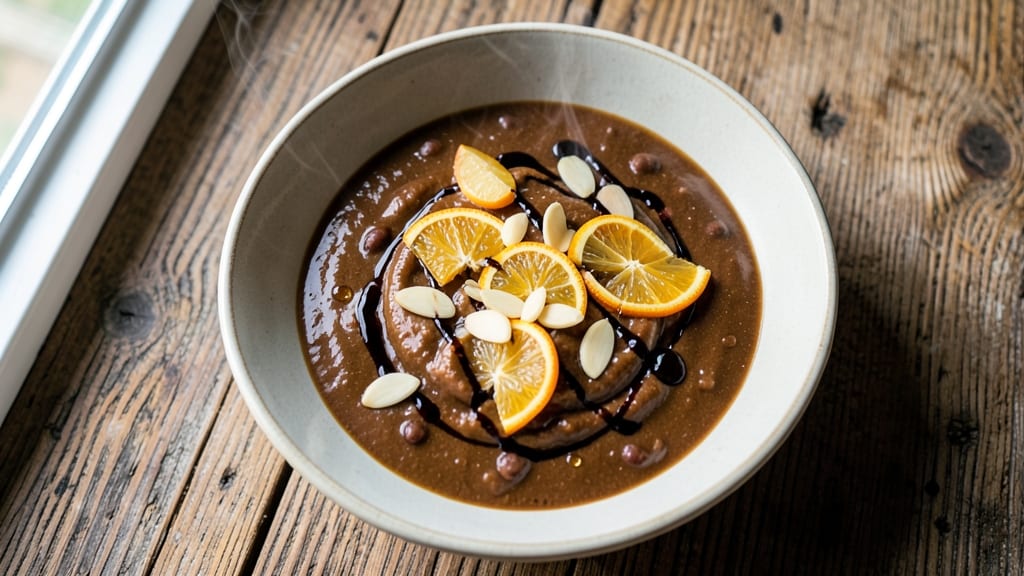
This fermented black bean sauce recipe unlocks deep, complex umami flavors that transform ordinary stir-fries into restaurant-quality meals. The process combines traditional fermentation with simple blending to create a thick, savory paste that adds richness to any dish.
I developed this recipe after years of experimenting with fermented condiments, and it’s now a staple in my kitchen for its versatility and bold flavor profile.
The secret lies in the fermentation step, where black beans develop their signature funky aroma and concentrated umami taste. You’ll soak the beans overnight, then ferment them for 3–5 days, allowing natural enzymes to break down the starches and create that signature tangy depth.
No special equipment is needed—just patience and a few basic ingredients.
Once fermented, the beans blend into a thick, glossy sauce with a texture that clings beautifully to noodles, vegetables, or proteins. This isn’t just a dipping sauce—it’s a marinade, stir-fry enhancer, and even a glaze for roasted dishes.
The result is a condiment that’s vegan, nutrient-dense, and packed with flavor that builds over time.
Store it in the refrigerator for up to 2 weeks, or extend its shelf life with proper canning techniques. Whether you’re adding it to a quick weeknight meal or elevating a special dinner, this sauce delivers professional-level flavor with minimal effort. Let’s get started on creating your umami bomb.
Ingredients for fermented black bean sauce
Six ingredients transform into this umami-rich fermented black bean sauce that elevates stir-fries and dips.
| Ingredient | Amount | Notes |
|---|---|---|
| Dried Black Beans 🌱 | 1 ½ cups | Rinsed before soaking |
| Filtered Water 💧 | 4 cups | Room temperature preferred |
| Garlic Cloves 🧄 | 6 cloves | Peeled, roughly chopped |
| Fresh Ginger 🌿 | 2 tbsp | Finely grated, organic preferred |
| Soy Sauce 🍶 | ½ cup | Tamari for gluten-free |
| Apple Cider Vinegar 🍋 | 2 tbsp | Raw, unfiltered preferred |
| Sesame Oil 🫒 | 1 tbsp | Toasted sesame preferred |
| Maple Syrup 🍯 | 1 tbsp | Pure, grade B preferred |
| Sea Salt 🧂 | 1 tsp | Diamond Crystal preferred |
| Red Chili Flakes 🌶️ | 1 tsp | Adjust for heat preference |
The black beans are the star here—dried, not canned, for maximum fermentation potential. Soak them overnight in a non-reactive container (glass or ceramic) with plenty of water to cover. Trader Joe's and Whole Foods carry high-quality dried beans, but any organic brand works. Skip the pre-soaked canned beans—they won’t develop that signature funk. Ginger and garlic? Fresh is non-negotiable—dried just won’t cut it. For the ginger, peel it first, then grate it using a microplane for maximum surface area. The soy sauce should be full-bodied, not light—Kikkoman or Pearl River Bridge are solid choices.
No soy sauce? Coconut aminos works in a pinch, though the flavor will be subtly different. Short on ginger? Galangal root at half the amount adds a citrusy depth. The maple syrup might seem odd, but it balances the funk—agave works too. For heat, swap chili flakes for fresh red chili at double the amount. The sesame oil is optional but adds that nutty aroma that clings beautifully to noodles. Pro tip: Toast your sesame seeds before pressing for oil—it makes all the difference. If you’re fermenting in summer, add an extra 1/2 tsp salt to prevent mold.
This sauce builds flavor over time—3-5 days at room temperature is ideal, but it won’t spoil if left longer (just taste test). Once blended, store in a sterilized glass jar in the fridge for 2 weeks. For longer storage, water bath canning extends it to 6-12 months. The sauce thickens as it ferments, so add a splash of water if it gets too stiff. Freezes beautifully too—portion into ice cube trays for single-use servings. The first batch will be your best teacher—adjust salt, sweetness, or heat next time based on your taste.
Why You'll Love This Recipe
- No-Fuss Ferment: I swear, this takes less effort than waiting for takeout. Soak the dried beans overnight—that’s it—then let them ferment in water with garlic and ginger for a few days. No chopping, no stirring, no stress. Just open the jar and taste the magic.
- Umami Bomb: That deep, funky-sweet flavor? It’s like someone took all the best parts of soy sauce and garlic and let them get cozy with fermented beans. The ginger adds a little kick that makes it ridiculously good on everything—no extra seasoning needed.
- Pantry Superstar: I keep a jar of this in my fridge because it works everywhere. Drizzle it on rice bowls, toss it into stir-fries, or even slather it on grilled chicken. It’s my secret weapon for turning simple meals into something special—no fancy ingredients required.
- Budget Magic: A handful of dried beans and a splash of soy sauce stretch into months of flavor. Honestly, I’ve used this sauce to dress up cheap cuts of meat or bulk up boring rice dishes. It’s the kind of recipe that makes grocery day feel like a win.
Step-by-step instructions for fermented black bean sauce
This process transforms simple ingredients into a complex, fermented sauce with layers of umami depth and vibrant flavor.
Prepare and Soak the Black Beans
Begin by rinsing the 1.5 cups dried black beans thoroughly under cold water to remove any debris or dust. Place them in a large bowl and cover with the 4 cups filtered water by at least 2 inches. Let them soak at room temperature for 12 hours—this long soak ensures they soften completely and develop the fermented tang we're after.
I like to use a wide, shallow bowl for soaking because it allows for better air circulation, which is crucial for the fermentation process. After soaking, drain the water completely, reserving none of the soaking liquid. The beans should now be plump and ready for fermentation. This initial preparation sets the foundation for the sauce's rich, complex flavor profile.
Ferment the Black Beans
Transfer the drained black beans to a clean, airtight container with a lid that allows for ventilation—such as a fermentation jar with an airlock or a mason jar with a loosely fitted lid. Add the 6 peeled garlic cloves and 2 tablespoons finely grated fresh ginger to the container. The garlic and ginger will infuse their aromatic qualities into the beans during fermentation.
Leave the container at room temperature, away from direct sunlight, for 48 hours. You'll notice bubbles forming and a slightly sour aroma developing—this is the fermentation process at work. The beans should soften further and develop a tangy, almost vinegary smell. This step is where the magic happens, transforming the simple beans into a flavorful base for your sauce.
Blend the Fermented Beans with Aromatics
After fermentation, transfer the black beans, along with any accumulated liquid, to a high-speed blender. Add the 0.5 cup soy sauce, 2 tablespoons apple cider vinegar, 1 tablespoon sesame oil, and 1 tablespoon maple syrup. The vinegar and soy sauce will balance the fermentation tang, while the sesame oil and maple syrup add depth and a touch of sweetness.
Blend until the mixture is completely smooth, scraping down the sides as needed. You should end up with a thick, paste-like consistency. Taste the mixture at this stage—it should have a complex balance of tangy, sweet, and umami flavors. If it needs more depth, you can add a splash of water to loosen it slightly, but aim for a thick, spreadable texture that will coat your dishes beautifully.
Season and Rest the Sauce
Return the blended mixture to a clean saucepan and place it over medium-low heat. Stir in the 1 teaspoon sea salt and 1 teaspoon red chili flakes, allowing the sauce to warm through gently for 5-7 minutes. The heat will help meld all the flavors together while ensuring the chili flakes are evenly distributed and not too sharp.
Remove the sauce from heat and let it cool to room temperature. Once cooled, transfer it to an airtight container and refrigerate for at least 24 hours before using. This resting period allows the flavors to fully develop and harmonize. The sauce will thicken slightly as it chills, becoming even more concentrated and flavorful. The longer it sits, the more complex and delicious it will become.
Adjust Consistency and Use
When ready to use, give the sauce a good stir and taste it. If it's too thick, thin it with a splash of water or a bit of the reserved fermentation liquid until it reaches your desired consistency—it should coat the back of a spoon but still be pourable. The sauce is now ready to elevate any dish, from stir-fries and noodles to dipping sauces and marinades.
This fermented black bean sauce will keep in the refrigerator for up to 2 weeks, with the flavors continuing to deepen over time. The umami richness and tangy brightness make it a versatile addition to your culinary repertoire, turning simple dishes into something extraordinary.
Pro Tips For Making Fermented Black Bean Sauce
- Soak Beans Overnight: I learned this the hard way—rushing the soak leads to uneven fermentation and a gummy texture. Use filtered water, cover them by 2 inches, and let them sit 12+ hours. No need to change the water afterward; just drain and rinse before fermenting.
- Smash Garlic, Don’t Mince: A quick smash with the flat side of your knife releases more flavor than mincing. Use 6-8 cloves, crush them into a paste with a pinch of salt, and let them sit 10 minutes before adding to the beans. The garlic will soften into the sauce instead of floating on top.
- Cover Ginger with Oil: Thinly slice the ginger, then toss it in 1 teaspoon of neutral oil before adding to the fermenting mix. This prevents it from turning to mush and ensures it infuses the sauce evenly. (Yes, even if you’re impatient like me—trust the process.)
- Burp the Jar Daily: Fermentation creates gas, and skipping this step means your jar might explode or the beans could turn sour. Open the lid slightly twice a day to release pressure, then tighten it back. A 5-minute burp is all it takes—no need to overthink it.
Troubleshooting perfect results
Fermentation Gone Wrong
If your beans develop a rotten egg smell or mold within 24 hours, your fermentation environment is too warm or contaminated.
Move the container to a cooler spot (68-72°F) and check for proper ventilation—use a fermentation lid with an airlock or a loosely fitted lid to prevent excess moisture buildup. Discard any moldy batches immediately, as mold can produce harmful toxins. 🌡️
Sauce Too Thin
A thin sauce usually means you added too much liquid during blending or fermentation. Next time, reduce the soaking water to 3 cups instead of 4, and skip adding extra water when blending.
For immediate fixes, simmer the sauce uncovered over low heat for 5-10 minutes to evaporate excess moisture. If needed, thicken with 1 teaspoon cornstarch mixed with 1 tablespoon water, stirring until smooth.
Overpowering Funk
If the fermented aroma is too strong or unpleasant, your beans fermented too long. The ideal fermentation time is 3-5 days—any longer risks over-fermentation. To balance the funk, add 1 extra tablespoon of maple syrup or apple cider vinegar during blending.
A pinch of baking soda (⅛ teaspoon) can also neutralize excess acidity, but use sparingly—it can mute flavors if overdone.
Blender Struggles
Fermented black beans can be stubborn in blenders, especially if under-soaked. For stubborn batches, add 2-3 tablespoons of water in increments while blending, scraping down the sides frequently. A high-speed blender like the Vitamix handles this best, but even a Ninja can work if you pulse repeatedly.
If the sauce still separates, strain it through a fine-mesh sieve and re-blend the solids with a splash of water.
Mold or Yeast Overgrowth
White or gray fuzzy spots on the beans mean mold growth, while foamy bubbles indicate yeast overgrowth. Both are signs of improper fermentation conditions. To prevent this, use sterilized equipment, keep the environment cool (68-72°F), and ensure proper ventilation.
If mold appears, discard the batch—it’s not safe to eat. For yeast overgrowth, reduce fermentation time to 2-3 days and use a tighter lid to limit oxygen exposure.
Sauce Too Salty
If your sauce tastes overly salty, you likely used too much soy sauce or salt. Balance it by adding 1-2 tablespoons of maple syrup or agave to counteract the saltiness.
For a more natural fix, blend in ½ cup of unsalted roasted peanuts or cashews—they add creaminess and dilute the salt without altering the flavor profile. Taste as you go to avoid overcorrecting. 💡
Nutrition facts
Frequently asked questions
Can I use canned black beans instead of dried?
Canned beans won't work for this recipe—they're pre-cooked and lack the starches needed for proper fermentation. Dried beans develop that signature funky depth through fermentation, which canned beans simply can't replicate. If you're short on time, try using dried adzuki beans as a substitute, but expect slightly different flavor notes.
How long should I ferment the beans for best flavor?
The ideal fermentation time is 3-5 days at room temperature. The longer you ferment, the more complex the flavor becomes, but beyond 5 days, the funk can become overpowering. Taste test after 3 days—if it's too mild, let it ferment another day or two. Store-bought fermented bean pastes often ferment for 7+ days, but homemade batches develop flavor faster.
What are the best ways to use this sauce?
This versatile sauce works as a marinade for tofu or chicken, a stir-fry glaze, or a dipping sauce for spring rolls. Try adding 1-2 tablespoons to ramen or noodle broths, or mix it with 1 teaspoon of rice vinegar for a quick dipping sauce. It also elevates rice bowls—just drizzle 1 tablespoon over steamed rice with veggies. The possibilities are endless!
Can I make this sauce without vinegar?
Yes, but the flavor will be less balanced. If you omit vinegar, increase the soy sauce to ⅔ cup and add 1 extra tablespoon of maple syrup to compensate. The vinegar helps control fermentation acidity and adds brightness—without it, the sauce may taste more one-dimensional. For a vinegar substitute, try 1 tablespoon of lemon juice plus ½ teaspoon of baking soda (neutralizes acidity).
How do I store leftover sauce?
Transfer to a sterilized glass jar and refrigerate for up to 2 weeks. For longer storage, use water bath canning for 6-12 months. Freeze in ice cube trays for single-use portions—thaw overnight in the fridge. The sauce thickens as it chills, so stir well before using and add a splash of water if needed.