Side Dishes
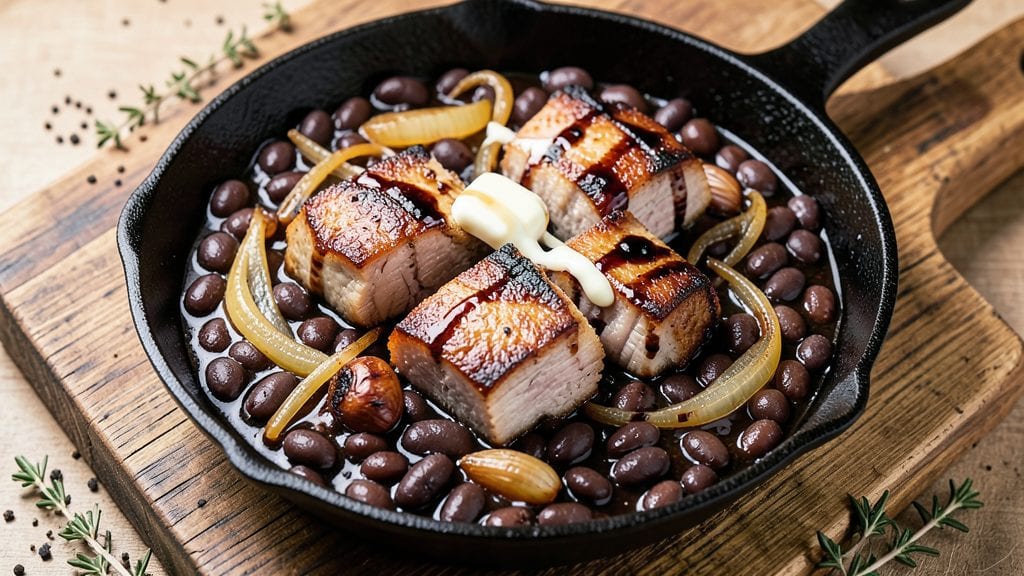
Grandma’s Boston baked beans recipe delivers that unmistakable smoky, molasses-kissed depth that turns a simple side dish into a centerpiece. The secret lies in slow cooking navy beans with pork, rich broth, and just the right balance of sweet and savory spices—all developed over generations in New England kitchens.
This isn’t your canned version; it’s the real deal, with tender beans and a caramelized crust that forms in the cast-iron pan.
What makes this recipe special is its foolproof technique—whether you’re baking in the oven or simmering on the stovetop, the process is straightforward but packed with flavor. The molasses adds that signature sweetness, while brown sugar and mustard create a tangy depth that cuts through the richness.
Even better, it’s a make-ahead dish that tastes even better the next day, perfect for meal prep or holiday gatherings.
The result is a hearty, satisfying side with a glossy, caramelized top that’s impossible to resist. Serve it alongside cornbread, grilled meats, or even as a main dish with a crisp green salad.
The beans stay tender, the broth reduces into a thick, flavorful sauce, and every bite carries that nostalgic taste of home.
For modern shortcuts, you can use pre-soaked beans or adapt this for an Instant Pot—without sacrificing that classic Boston flavor. Let’s get started on a recipe that’s as much about tradition as it is about taste.
Ingredients for grandma's boston baked beans
Fifteen essential ingredients transform into a legendary New England side dish.
| Ingredient | Amount | Notes |
|---|---|---|
| Navy Beans (Dry) 🌾 | 2 cups | Unsoaked, quality organic preferred |
| Pork Shoulder (Bone-In) 🥓 | 2 lbs | Cut into 1-inch cubes, fat cap intact |
| Unsalted Butter 🧈 | ½ cup | Full-fat for optimal richness |
| Yellow Onion 🧅 | 1 whole | Medium, diced into 1/4-inch pieces |
| Garlic Cloves 🧄 | 6 cloves | Fresh, minced for aromatic depth |
| Molasses 🍯 | ½ cup | Unsulphured, robust flavor profile |
| Light Brown Sugar 🍚 | ¾ cup | Packed, turbinado for caramelization |
| Dijon Mustard 🌶️ | 2 tbsp | High-quality, tangy variety |
| Apple Cider Vinegar 🍎 | 2 tbsp | Bottled, for subtle acidity |
| Beef Broth 🥫 | 2 cups | Low-sodium, homemade preferred |
| Diamond Crystal Kosher Salt 🧂 | 1 ½ tsp | Fine grain, for balanced seasoning |
| Ground Black Pepper 🌶️ | ½ tsp | Freshly cracked, for subtle heat |
| Smoked Paprika 🌶️ | 1 tsp | Spanish, for authentic smokiness |
| Bay Leaves 🌿 | 2 whole | Fresh, for subtle herbal depth |
The pork shoulder is the foundation—bone-in cuts from a trusted butcher yield the deepest flavor, while Costco or Whole Foods often carry pre-cubed options for convenience. Navy beans should be organic, plump, and free of blemishes; Bob's Red Mill or Naval Brand are reliable choices. For molasses, unsulphured varieties like Goya or Brer Rabbit ensure that authentic, smoky-sweet profile without artificial aftertaste. The brown sugar should be packed tightly—turbinado or light brown works best for caramelization, while regular granulated sugar lacks the molasses-like depth. Fresh garlic and onions are non-negotiable; Heirloom garlic and yellow onions from the farmers' market elevate the dish beyond basic grocery store produce.
No pork shoulder? Smoked sausage or bacon can substitute, though the texture and flavor will differ—render the fat first for maximum richness. Substituting molasses with equal parts honey and maple syrup works in a pinch, but the depth won’t be identical. For mustard, Dijon mustard powder can replace fresh mustard at a 1:1 ratio, though it lacks the tang. If you’re short on time, pre-soaked beans (like Great Northern) save hours, but soaking overnight yields the most tender results. The smoked paprika can be swapped for liquid smoke at half the amount, though it’s an acquired taste. For a vegetarian version, mushrooms and smoked tofu mimic the umami richness, but the dish loses its traditional soul.
Store the cooked beans in an airtight container with a layer of butter or broth on top to preserve moisture and flavor for up to 5 days in the refrigerator. For longer storage, freeze in glass containers with a parchment paper barrier to prevent freezer burn—3 months at peak quality. The caramelized crust is best enjoyed fresh, but reheating with a splash of broth or water restores its glossy texture. This dish tastes even better the next day, making it ideal for meal prep or holiday gatherings where flavors meld over time. Portion into individual cast-iron pans for a restaurant-quality presentation.
Why You'll Love This Recipe
- One-Pot Magic: I swear by this—just toss everything in a slow cooker, walk away, and come back to perfectly tender beans with that smoky pork flavor. No extra pots, no fuss.
- Rich & Deep: The bone-in pork shoulder melts into the beans, while the butter and onions caramelize into a glossy, slightly sweet sauce. Honestly, the first bite is like a hug in food form.
- Leftovers That Shine: These beans taste better the next day—yes, really. I pack them for lunches or reheat them for a lazy dinner, and no one ever guesses they’re not fresh.
- Budget-Friendly Feast: Dry beans and pork shoulder stretch into a meal that feeds four for under $15. Between us, this is my go-to when I need to stretch groceries without sacrificing flavor.
Step-by-step instructions for grandma's Boston baked beans
Here's how to create that signature smoky-sweet molasses flavor with tender pork and beans.
Prepare the Pork Shoulder and Beans
Cut the 2 lbs pork shoulder (bone-in) into 1-inch cubes, leaving the fat cap intact for moisture during cooking. In a large Dutch oven, combine the pork cubes with the 2 cups navy beans (dry)—no need to soak them first. This traditional method allows the beans to absorb all the rich flavors during the long cook.
Add the 1 whole yellow onion, diced into ¼-inch pieces, and the 6 cloves garlic cloves, minced finely. This aromatic base forms the flavor foundation for the entire dish. The onion should soften slightly during the initial cooking phase, releasing sweetness that balances the molasses' intensity.
Build the Molasses-Sweet Glaze
In a separate bowl, whisk together the 0.5 cup molasses, 0.75 cup light brown sugar (packed), 2 tbsp Dijon mustard, and 2 tbsp apple cider vinegar. The molasses should be unsulphured for its robust, caramel-like depth. This mixture creates the signature sweet-savory glaze that coats every bean and pork cube.
Stir in the 2 cups beef broth, 1.5 tsp Diamond Crystal kosher salt, 0.5 tsp ground black pepper, and 1 tsp smoked paprika. The smoked paprika adds an authentic, subtle smokiness that mimics traditional wood-fired bean recipes. Add the 2 whole bay leaves last—they'll infuse the liquid with subtle herbal notes as it simmers.
Combine and Simmer Low and Slow
Pour the molasses mixture over the pork and beans in the Dutch oven, ensuring every cube is coated. Add the 0.5 cup unsalted butter, which melts into the mixture, creating a glossy finish and adding richness. Bring everything to a gentle boil over medium-high heat, then immediately reduce to a low simmer. This prevents the molasses from burning while allowing the flavors to meld.
Cover the Dutch oven and simmer for 3 hours without stirring. The beans should soften completely, and the pork should become fork-tender. Here's the key: resist the urge to check or stir. Every time you lift the lid, you risk drying out the beans and losing heat. Instead, trust the process and let the flavors develop undisturbed.
Finish with Crispy Edges and Glossy Sheen
After 3 hours, uncover the Dutch oven and increase the heat to medium. Simmer uncovered for an additional 30-45 minutes, stirring occasionally. This final phase reduces the liquid slightly, creating a thicker, more concentrated sauce. The beans should be tender enough to crush between your fingers, and the pork should pull apart easily.
For the signature crust, transfer the entire mixture to a 9x13-inch cast-iron baking dish. Broil on high for 3-5 minutes until the top develops a deep golden-brown crust. Watch closely—this step happens quickly, and you want a caramelized finish without burning. The contrast of crispy top and creamy interior is what makes these beans unforgettable.
Rest and Serve with Confidence
Remove from the broiler and let the beans rest for 10 minutes before serving. This allows the juices to redistribute, ensuring each bite is moist and flavorful. The beans should be glossy from the reduced molasses glaze, with tender pork cubes scattered throughout. The aroma alone—smoky, sweet, and savory—will have everyone at the table anticipating the first bite.
Serve directly from the cast-iron dish for maximum presentation, or transfer to a serving bowl. The beans should be thick enough to hold their shape when spooned, with a sauce that clings to each bean. Pair with cornbread or crusty sourdough to soak up every last drop of that molasses-kissed goodness.
Pro Tips For Making Grandma'S Boston Baked Beans
- Brown the Pork First: Skip the raw pork in the sauce—sear the bone-in shoulder until it’s deep golden, even if it takes 15 minutes. That crust packs more flavor than any spice blend, and the bones will render fat that keeps the beans tender. (Yes, even if you’re impatient like me.)
- Soak Beans Overnight: Navy beans expand like balloons—give them 12 hours in water to soften, then drain. Rinsing them right before cooking removes excess starch, which keeps the beans from turning gummy. I learned this the hard way after a batch that looked like glue.
- Don’t Crowd the Pot: When simmering the beans, keep the liquid at least 1 inch above the surface. Packing them in too tight traps steam, which turns the beans mushy. Stir occasionally and add water if needed—this isn’t a race.
- Save the Butter: Stir in that unsalted butter in the last 30 minutes of cooking, not at the start. It melts into the sauce, coating the beans and pork for a rich finish. (Your future self will notice the difference.)
Storing and reheating your grandma's boston baked beans
Refrigerator Storage
Transfer your baked beans to an airtight glass container (like a Pyrex or Le Creuset) with a tight-sealing lid. The caramelized crust and pork fat will solidify slightly, so add a thin layer of beef broth or melted butter on top to preserve moisture.
Store at 40°F or below for up to 5 days—the flavors actually deepen over time as the spices meld. 💪
Freezer Prep
For longer storage, portion beans into freezer-safe glass containers (like Ball mason jars) or heavy-duty freezer bags. Leave 1 inch of headspace to prevent expansion cracks, and press out excess air to avoid freezer burn.
Label with the date—these keep 3 months at peak quality, though the texture may soften slightly after thawing. 📅
Stovetop Reheating
This is my go-to method for restoring that glossy, caramelized finish. Transfer beans to a heavy-bottomed pot (like All-Clad) and add 2-3 tablespoons of water or broth. Heat over medium-low for 10-15 minutes, stirring occasionally, until reaching 165°F.
The residual fat helps rebuild the sauce’s richness. For extra shine, finish with a drizzle of molasses and a sprinkle of smoked paprika. 🔥
Oven Crisp Revival
For a restaurant-quality crust, transfer beans to a cast-iron skillet or baking dish and broil on high for 3-5 minutes. Watch closely—the sugar can burn quickly! The broiler reactivates the caramelization, creating that coveted crispy top. This works best for leftovers with intact crusts. ✨
Microwave Shortcut
When time is tight, microwave covered on 50% power for 2-3 minutes, stirring halfway. Add 1 tablespoon of broth or water to prevent drying. For a quick fix, top with crumbled bacon or grated cheddar while reheating to add extra flavor.
This isn’t as elegant, but it’s a lifesaver for busy weeknights. ⏰
Freezer-to-Fresh Tips
Thaw overnight in the fridge for best results. If you’re in a hurry, place the sealed container in lukewarm water (not hot) for 30 minutes, then reheat as directed.
Avoid refreezing—once thawed, beans are best enjoyed within 2 days. The molasses and butter can separate slightly after freezing, so give it a good stir before reheating. 💡
Nutrition facts
Frequently asked questions
Why do these beans need such a long cooking time?
Slow cooking for 3 hours breaks down the tough skins of navy beans while allowing the pork to become fork-tender. This method also lets the molasses and spices meld into a rich, caramelized sauce that coats every bean. The patience pays off with that signature Boston flavor—rushing would leave the beans mushy and the sauce thin.
Can I substitute pork with another meat?
Yes! For a vegetarian version, use smoked tofu or mushrooms (like cremini) for umami depth. For other meats, try bacon or ham hocks—both add smokiness. Just remember: bone-in cuts (like pork shoulder) add more flavor than lean proteins. The fat renders down to create that luscious sauce.
How do I fix beans that turned out too dry?
Add 2-3 tablespoons of beef broth or water and simmer uncovered for 10-15 minutes on low heat. Stir occasionally to prevent sticking. For extra richness, top with a pat of butter or a drizzle of molasses before serving. The key is moisture—never skip the broth in the recipe!
Can I make this in an Instant Pot?
Use the high-pressure setting for 25 minutes after sautéing the pork and aromatics. Once done, let the pressure release naturally, then transfer to a cast-iron skillet to broil for 3-5 minutes to develop that signature crust. The Instant Pot cuts cooking time by 2 hours but still delivers deep flavor.
What’s the secret to the perfect caramelized crust?
Transfer the beans to a hot cast-iron pan right after simmering and broil on high for 3-5 minutes. Watch closely—the sugar burns fast! The crust forms when the molasses and butter concentrate under direct heat. For extra shine, finish with a sprinkle of smoked paprika while still hot.