Main Courses
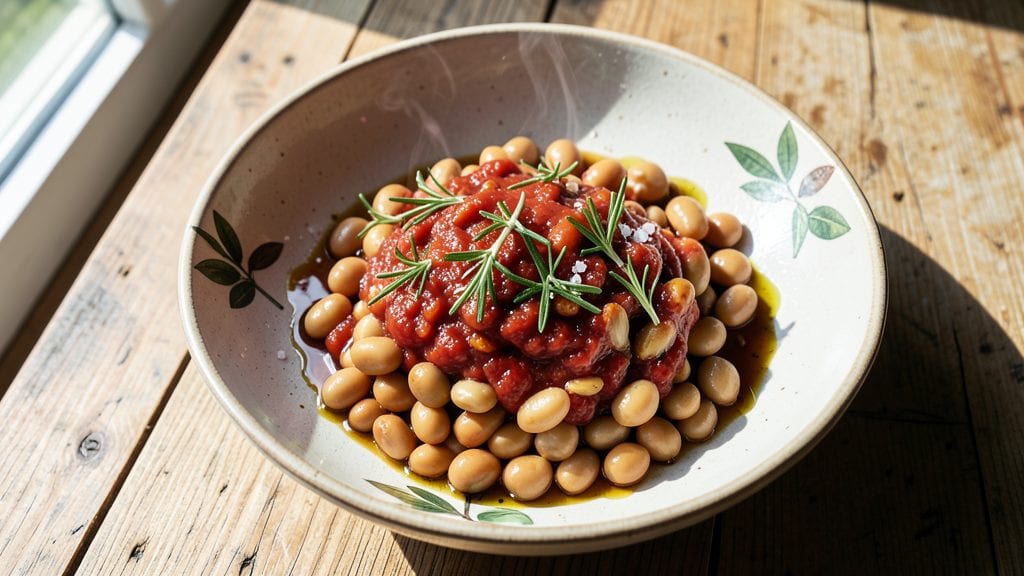
This Tuscan bean recipe brings the rustic flavors of Italy's heartland to your table with a simple yet deeply satisfying dish. The secret lies in slow-simmering cannellini beans with sun-ripened tomatoes, fragrant rosemary, and garlic until the flavors meld into a rich, smoky harmony.
I developed this version after years of experimenting with traditional Tuscan techniques, and it never fails to deliver that perfect balance of tangy, herby, and savory notes.
The beauty of this recipe is in its simplicity—just a handful of ingredients that work together to create a dish bursting with character. You'll start with dried cannellini beans (or use canned for a quicker version), then build layers of flavor through slow cooking.
The key is patience: letting the beans simmer until they're tender yet still hold their shape, while the tomatoes break down into a velvety sauce infused with aromatic herbs.
What you'll end up with is a dish that's hearty enough to stand alone but elegant enough to pair with grilled fish or crusty bread. The beans become irresistibly tender, the tomatoes caramelize into a deep, smoky sweetness, and the rosemary adds a piney freshness that cuts through the richness.
This is the kind of recipe that gets better with each bite—and even better when shared with family.
The best part? This Tuscan bean recipe is incredibly versatile. Add crispy pancetta for extra depth, toss in kale for a touch of green, or serve it as a side with roasted meats. Let's get cooking—your taste buds will thank you.
Ingredients for tuscan bean
Simple pantry staples transform into Tuscan-inspired beans with smoky depth and herby brightness.
| Ingredient | Amount | Notes |
|---|---|---|
| Dried Cannellini Beans 🌱 | 1 ½ cups | Rinsed before soaking overnight |
| San Marzano Tomatoes 🍅 | 2 cups | Crushed by hand for texture |
| Garlic Cloves 🧄 | 4 cloves | Freshly minced for aroma |
| Fresh Rosemary 🌿 | ¼ cup | Chopped, stems removed |
| Extra-Virgin Olive Oil 🫒 | ½ cup | For richness and depth |
| Vegetable Broth 💧 | 3 cups | Low-sodium preferred |
| Red Wine Vinegar 🍷 | 1 tbsp | For tangy brightness |
| Sea Salt 🧂 | 1 ½ tsp | Adjust to taste |
| Black Pepper 🌶️ | ½ tsp | Freshly cracked |
| Red Pepper Flakes 🔥 | ½ tsp | Optional for heat |
| Fresh Parsley 🌿 | ¼ cup | Chopped for garnish |
| Lemon Zest 🍋 | 1 tsp | Brightens flavors |
Cannellini beans are the heart of this dish. Dried beans give the best texture, but canned work in a pinch—just rinse them well. I buy mine from Whole Foods or the bulk section at Trader Joe's for the freshest harvest. The San Marzano tomatoes? Worth the splurge—their sweetness stands out. If you can't find them, any high-quality crushed tomatoes will do. Rosemary needs to be fresh here—dried just won't cut it. Grab a small bunch, chop the needles, and save the stems for tea later. The olive oil should be fruity and peppery, not mild. California Olive Ranch or Olisal are my go-tos.
No red wine vinegar? White wine vinegar or apple cider vinegar works too—just add a pinch more salt. Fresh rosemary too strong? Dried rosemary at half the amount gets you close. The vegetable broth can be swapped for tomato juice if you're out, but it'll be less rich. For extra depth, add a bay leaf while simmering—remove before serving. The red pepper flakes are optional, but if you like heat, go for it. I usually skip them unless I'm feeling adventurous. Parsley is just for garnish, but it adds that fresh pop of green at the end.
This dish tastes even better the next day—flavors meld overnight. Store in an airtight container in the fridge for 4-5 days. For leftovers, reheat gently with a splash of water or broth. Freezes beautifully for up to 3 months. I like to portion mine into meal prep containers so I can grab and go. If you're making this ahead, add the lemon zest just before serving—it brightens everything up.
Why You'll Love This Recipe
- No-Soaking Needed: I’ll admit, I used to dread soaking beans—but these cannellini? Just toss them in a pot with water, simmer overnight, and wake up to pre-cooked magic. No fancy tricks, just patience (and a lid).
- Rosemary-Garlic Punch: That first whiff of garlic sizzling in olive oil with fresh rosemary? It’s like Tuscan sunshine in a pot. The tomatoes caramelize into a sweet-tangy sauce that clings to every bean—simple, but ridiculously satisfying.
- Lunch for Days: Between us, this is my go-to for meal prep. Make a big batch, and you’ve got hearty lunches all week—over toast, with crusty bread, or even stuffed into a sandwich. (Yes, even on a Tuesday night.)
- Pantry Hero: Dried beans, canned tomatoes, garlic—this recipe costs next to nothing but tastes like you spent hours. Honestly, it’s my budget-friendly secret for feeding a crowd without breaking the bank.
Step-by-step instructions for Tuscan beans
Here's how to make this hearty Tuscan bean dish that's packed with smoky tomato flavor and fresh herbs.
Soak and Prepare the Beans
Start by rinsing the 1.5 cups of dried cannellini beans under cold water to remove any debris. Place them in a large bowl and cover with plenty of cold water - at least 4 cups should do it. Let them soak overnight at room temperature, or for at least 8 hours if you're short on time. This long soak ensures they cook evenly and become tender without getting mushy.
After soaking, drain the beans and give them a quick rinse. In a large pot with a tight-fitting lid, combine the beans with the 3 cups of vegetable broth. Bring to a boil over medium-high heat, then immediately reduce to a simmer. Let them cook uncovered for 45 minutes, stirring occasionally. You'll know they're ready when they're tender but not falling apart - they should still have a slight bite to them.
Build the Flavor Base
While the beans simmer, heat the 0.5 cup of extra-virgin olive oil in a large skillet over medium heat. Add the 4 cloves of freshly minced garlic cloves and cook for just 30 seconds until fragrant - don't let them brown or they'll turn bitter. Add the 0.25 cup of chopped fresh rosemary and cook for another 30 seconds, stirring constantly.
Pour in the 2 cups of crushed San Marzano tomatoes and the 1 tablespoon of red wine vinegar. Let this mixture simmer gently for 10 minutes, stirring occasionally, until it thickens slightly and the flavors meld together. You should smell that beautiful combination of tomato, garlic, and rosemary - this is where all the magic happens.
Combine and Simmer
Carefully transfer the cooked beans and their broth to the skillet with the tomato mixture. Stir everything together gently, making sure the beans are well-coated in that flavorful sauce. Add the 1.5 teaspoons of sea salt, 0.5 teaspoon of freshly cracked black pepper, and the 0.5 teaspoon of red pepper flakes if you like some heat.
Bring the entire mixture to a gentle simmer over medium-low heat. Let it cook uncovered for 30-40 minutes, stirring occasionally. You're looking for the beans to absorb all that delicious liquid and become even more tender. The sauce should reduce slightly and coat the beans beautifully. Taste occasionally and adjust seasoning if needed - this is where you can really customize the dish to your preference.
Finish with Fresh Herbs
Once the beans are perfectly tender and the sauce has thickened to your liking, remove the skillet from heat. Stir in the 1 teaspoon of lemon zest and the 0.25 cup of chopped fresh parsley. The lemon zest will brighten up all those rich flavors, while the parsley adds a fresh finish that makes the dish pop.
Let the beans sit off the heat for 5 minutes to allow all the flavors to meld together completely. Serve warm, either as a main dish with crusty bread or alongside grilled meats and roasted vegetables. This Tuscan bean recipe is even better the next day as the flavors continue to develop, so make extra if you can - it keeps well in the refrigerator for up to 5 days.
Pro Tips For Making Tuscan Bean
- SOAK BEANS OVERNIGHT: I learned this the hard way—rushing beans with a quick soak leaves them tough. Toss dried cannellinis in cold water for 8+ hours (or at least 4 hours), then drain and rinse. The longer they soak, the creamier they’ll get when simmered.
- CRUSH TOMATOES BY HAND: Skip the blender—San Marzanos burst beautifully with a wooden spoon. Rough up the skins first, then crush them into large chunks. This keeps texture and lets the natural sweetness shine without turning the sauce into mush.
- SWEAT GARLIC LOW AND SLOW: High heat burns garlic before it fragrantizes. Cook minced cloves in olive oil over medium-low for 3-4 minutes until just golden, stirring often. Patience here means no bitter aftertaste—trust me, you’ll taste the difference.
- SALT THE BEANS LATE: Adding salt early toughens the skins. Wait until beans are tender but still firm (about 45 minutes into simmering), then boost flavor with 1 tsp salt per pound of dried beans. Let them finish cooking in the seasoned broth—this keeps them silky.
Wine and beer pairings for this dish
Italian Red Wine
Tuscan beans shine with bold Chianti Classico—its bright acidity and cherry notes complement the dish's smoky tomato depth. I recommend a 2019 Chianti Classico DOCG from Castello di Volpaia for its balance of earthy herbs and dark fruit.
Serve slightly chilled (55-60°F) to let the wine's acidity cut through the richness. 🍷
Chianti Pairing Tips
For a lighter option, try Vernaccia di San Gimignano—its citrusy brightness matches the lemon zest perfectly. Avoid heavy reds like Barolo; they’ll overpower the delicate herbs. I like to pour mine 10 minutes before serving to let it breathe and open up.
White Wine Alternatives
If you prefer white, Vermentino from Sardinia works beautifully—its mineral notes and zesty finish enhance the rosemary and garlic. A crisp Pinot Grigio from Alto Adige also pairs well, especially if you’ve added kale to the dish. Chill to 45-50°F for optimal refreshment. 🍷
Beer Pairings
A Sicilian bitter like Peroni or Moretti cleanses the palate between bites. For craft beer lovers, a Belgian-style witbier (like Stella Artois or Hoegaarden) adds a citrusy contrast to the tomatoes. Avoid malty stouts—they’ll clash with the dish’s bright acidity.
Non-Alcoholic Options
For a refreshing non-alcoholic match, try San Pellegrino Aranciata—its bitter orange and mandarin notes mirror the lemon zest. A sparkling blood orange soda (like San Pellegrino Aranciata Rossa) also works wonderfully. Serve chilled (40-45°F) for a crisp finish. ✨
Serving Temperature
Wine should be served at the right temperature to enhance the dish’s flavors. Red wines like Chianti should be 55-60°F, while whites like Vermentino should be 45-50°F.
Beer works best at 45-50°F—too warm, and it loses its crispness. I always chill mine in the fridge for 30 minutes before serving. 🌡️
Nutrition facts
Frequently asked questions
Can I use canned beans instead of dried for this recipe?
Yes, canned beans work perfectly if you're short on time! Use 2 (15-ounce) cans of cannellini beans, drained and rinsed thoroughly. Skip the overnight soak and initial 45-minute simmer—just add them directly to the tomato-herb sauce after 10 minutes of cooking. Reduce the simmering time to 20-25 minutes total to avoid mushy beans.
How do I make this Tuscan bean dish vegetarian?
This recipe is already vegetarian, but you can enhance it further by omitting pancetta and adding 1 cup chopped kale or spinach during the final 5 minutes of cooking. For extra protein, stir in ½ cup crumbled feta cheese at the end. The dish stays hearty and satisfying while keeping all its traditional flavors.
Why does my Tuscan bean sauce taste too acidic?
Too much red wine vinegar or unripe tomatoes can make the dish taste sharp. Balance it by adding 1 teaspoon sugar or ½ teaspoon honey to sweeten the acidity. If using canned tomatoes, opt for San Marzano (sweeter) or add a pinch of salt to round out the flavors. Taste as you go—adjust gradually!
Can I make this recipe in a slow cooker?
Combine soaked beans, broth, tomatoes, garlic, rosemary, and vinegar in your slow cooker. Cook on low for 6-7 hours or high for 3-4 hours, stirring occasionally. Add salt and pepper at the end. The slow cooking deepens the flavors—perfect for hands-off prep. Just skip the final 5-minute rest and serve directly.
What’s the best way to reheat leftovers?
Gently reheat leftovers in a saucepan over low heat with 2 tablespoons water or broth to prevent drying. Stir frequently and add more liquid if needed. For microwave reheating, cover with a damp paper towel and heat in 30-second bursts, stirring between each. Never reheat to a boil—this keeps the beans tender and sauce rich.