
Side Dishes
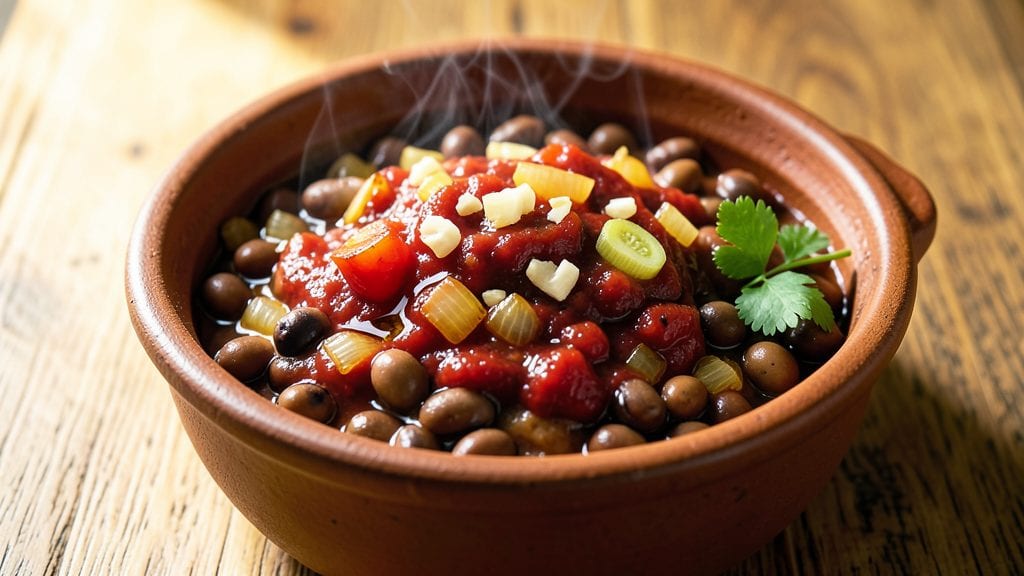
This African beans recipe transforms simple ingredients into a smoky, spice-packed one-pot dish that carries the rich flavors of West African cuisine. The slow-cooked combination of tomatoes, onions, and aromatic spices creates a deep, savory base that pairs perfectly with rice or crusty bread.
I first discovered this recipe during a trip to Ghana, where it became a staple in local homes—simple yet deeply satisfying.
The beauty of this dish lies in its versatility and ease. With just a handful of ingredients—black-eyed peas, tomatoes, onions, garlic, and a blend of spices like thyme, ginger, and scotch bonnet—you’ll create a hearty, protein-rich meal that’s ready in under an hour.
The spices infuse the beans with layers of warmth, while the tomatoes add a tangy brightness that balances the richness. It’s the kind of dish that tastes even better the next day, making it perfect for meal prep.
What you’ll end up with is a fragrant, one-pot wonder—tender beans swimming in a thick, flavorful sauce with just the right amount of heat. The smoky aroma alone will have everyone at the table asking for seconds.
This recipe is not only a celebration of African flavors but also a foolproof method for turning pantry staples into something extraordinary. Whether you’re serving it alongside rice, fried plantains, or as a standalone dish, it’s sure to impress.
For those looking to adapt, this recipe works beautifully as a vegetarian or vegan option—simply omit any meat and rely on the beans and spices for protein. The dish also freezes well, so you can make a big batch and enjoy it all week. Let’s get cooking!
Ingredients for african beans
Simple pantry staples and aromatic spices create this fragrant West African one-pot magic.
| Ingredient | Amount | Notes |
|---|---|---|
| Black-Eyed Peas 🌱 | 1 ½ cups | Dried, soaked overnight |
| Fresh Tomatoes 🍅 | 2 cups | Chopped, medium size |
| Yellow Onions 🧅 | 1 whole | Chopped, medium size |
| Garlic Cloves 🧄 | 4 cloves | Minced, fresh preferred |
| Fresh Ginger 🌿 | 1 tbsp | Grated, fresh preferred |
| Scotch Bonnet Peppers 🌶️ | 1 whole | Seeds removed, chopped |
| Fresh Thyme 🌿 | 2 tbsps | Chopped, stems removed |
| Vegetable Oil 🫒 | 3 tbsps | For sautéing |
| Tomato Paste 🍅 | 2 tbsps | Squeeze tube preferred |
| Salt 🧂 | 1 tsp | Sea salt preferred |
| Black Pepper 🌶️ | ½ tsp | Freshly ground |
| Vegetable Broth 💧 | 2 cups | Low-sodium preferred |
| Red Palm Oil 🫒 | 1 tbsp | For smoky flavor |
| Lemon Juice 🍋 | 1 tbsp | Freshly squeezed |
The black-eyed peas are the heart of this dish—dried beans soak overnight for best texture, but canned works in a pinch. For the tomatoes, heirloom or vine-ripened add the most flavor, but any fresh tomatoes will do. The scotch bonnet peppers bring the heat, but jalapeño or habanero can substitute if you're sensitive to spice. Fresh ginger and thyme are non-negotiable—they carry the authentic West African flavor profile. Whole Foods or African specialty stores often carry the freshest versions, but regular grocery stores usually have what you need.
No scotch bonnet? Dried red pepper flakes at half the amount will give you some heat. Fresh thyme unavailable? Dried thyme works at one-third the quantity. The tomato paste can be swapped for additional chopped tomatoes if you prefer a lighter sauce. For the vegetable broth, low-sodium is key—you don't want to over-salt the dish. The red palm oil adds that signature smoky flavor—substitute with a little more olive oil if you can't find it, though the flavor won't be identical. Always taste as you go—adjust salt and pepper to your preference.
This dish tastes even better the next day as flavors meld. Store in an airtight container for up to 5 days in the fridge. Freezes beautifully for up to 3 months—portion into individual containers for easy reheating. The sauce thickens as it cools, so add a splash of water or broth when reheating if it's too thick. Serve with steamed jasmine rice or crusty bread to soak up all that flavor. Leftovers make fantastic lunches or quick dinners all week.
Why You'll Love This Recipe
- Pantry-to-Pot Magic: I swear by this recipe when I’m staring at my fridge wondering what to make—no fancy shopping list, just what’s already there. The black-eyed peas soak while you chop onions and tomatoes, and before you know it, you’ve got a simmering pot of something rich and warm. Honestly, the ginger and garlic alone transform basic ingredients into something special.
- Deep, Earthy Richness: Between us, the way the tomatoes break down into that sweet, tangy sauce while the peas soften just enough—it’s the kind of balance that makes you pause mid-bite. The onions caramelize at the bottom, adding this irresistible depth that turns a simple bean dish into something you’d order at a restaurant.
- Weeknight Workhorse: This is my go-to when I need to feed the family fast but still want something hearty. Double the batch, and you’ve got lunch for tomorrow or a freezer meal ready in 10 minutes. (Yes, even on a Tuesday night when you’re exhausted.)
- Budget-Friendly Powerhouse: A bag of black-eyed peas and a handful of fresh veggies stretch farther than you’d think. The flavor is so bold you won’t miss expensive cuts of meat, and leftovers actually improve overnight—like a secret upgrade. My wallet and my taste buds both win.
Step-by-step instructions for smoky tomato and spice-packed African beans
Here's how to transform simple ingredients into a rich, flavorful one-pot dish with deep African-inspired flavors.
Sauté the Aromatic Base
Heat the 3 tablespoons vegetable oil in a large, heavy-bottomed pot over medium heat. Add the chopped yellow onions and cook for 5 minutes until they soften and begin to turn translucent. This foundational step builds flavor through slow cooking.
Add the minced garlic cloves and grated fresh ginger, stirring constantly for 1 minute until fragrant. The garlic should turn golden without browning—this prevents bitterness. Immediately add the chopped scotch bonnet peppers (seeds removed) and cook for another 30 seconds while stirring to distribute the heat evenly.
Here's the thing—don't rush this step. The aromatics need time to develop their full flavor potential. If the garlic starts to brown too quickly, reduce the heat slightly. You're building the flavor foundation for the entire dish.
Develop the Tomato Sauce
Add the 2 tablespoons tomato paste and stir to combine with the aromatics, cooking for 2 minutes until it darkens slightly. This creates a rich, concentrated base for your sauce. Then add the chopped fresh tomatoes and cook for 5-7 minutes until they break down into a thick, chunky consistency.
Stir in the 2 tablespoons chopped fresh thyme and continue cooking for another 3 minutes until the tomatoes release their juices and the mixture thickens. The sauce should coat the back of a spoon—this indicates proper development. If it's too thick, add 1-2 tablespoons vegetable broth to loosen it.
This is where the magic happens. The tomato paste and fresh tomatoes combine to create a complex, umami-rich base that will carry all the other flavors. Don't skip this cooking time—the flavor develops through this reduction process.
Build the One-Pot Foundation
Pour in the 2 cups vegetable broth and bring the mixture to a gentle simmer. Add the 1.5 cups soaked black-eyed peas, 1 teaspoon salt, and 0.5 teaspoon black pepper. Stir well to combine all ingredients evenly. The broth should just cover the beans—this ensures proper hydration without making the dish watery.
Reduce the heat to low and let the mixture simmer uncovered for 30 minutes, stirring occasionally. You'll notice the beans begin to soften and the sauce thicken as it reduces. This slow cooking process allows all the flavors to meld together beautifully.
Real talk: This is the most critical step for texture. The beans need time to absorb the flavors while maintaining their integrity. If you see the liquid reducing too quickly, add another ¼ cup vegetable broth to maintain the proper consistency.
Finish with Smoky Depth
After 30 minutes, stir in the 1 tablespoon red palm oil and 1 tablespoon lemon juice. The red palm oil adds that characteristic African smokiness while the lemon juice brightens the dish. Simmer for another 10-15 minutes until the beans are tender but still hold their shape—you should be able to slightly crush them between your fingers.
Taste and adjust the seasoning if needed. The beans should be flavorful but not overly salty. If the sauce is too thick, add a splash more vegetable broth. The final texture should be creamy yet still have some bite from the beans themselves.
This finishing step transforms your dish from good to exceptional. The red palm oil and lemon juice create that perfect balance of smoky, tangy, and savory flavors that define this African-inspired recipe.
Pro Tips For Making African Beans
- SOAK THE PEAS: Skip the overnight soak—just boil them 10 minutes first, then drain and rinse. This softens them faster for the stew without turning them mushy, and you won’t waste time waiting. (I learned this the hard way after a batch of rubbery beans.)
- CHAR THE ONIONS: Walk away when the onions hit 350°F—let them caramelize until they’re deep golden, almost sticky. That’s where the flavor lives, not just the raw onion taste. Use medium heat, not high, or you’ll burn them before they break down.
- SALT THE TOMATOES: Toss chopped tomatoes with a pinch of salt and let them sit 10 minutes before adding to the pot. This pulls out excess water, so your sauce stays thick and vibrant instead of watery. (Yes, even if you’re impatient like me.)
- LOW AND SLOW: After the initial sear, drop the heat to a simmer and cover the pot. African beans need time—at least 45 minutes—to let the flavors meld. Peeking every 5 minutes just makes them tougher. Trust the process.
Flavor customization for african beans
Spice Level Control
Adjust the heat to your preference by modifying the scotch bonnet pepper quantity. For mild heat, use ½ pepper or swap for 1 jalapeño. For medium heat, keep the whole pepper but remove seeds.
For fiery kick, add 1 extra pepper or 1 tsp cayenne pepper at the end. Always taste before serving—you can balance heat with 1 tbsp honey or lemon juice if needed. 🌶️
Smoky Variations
Enhance the smoky depth beyond red palm oil. For grilled flavor, add 1 tbsp smoked paprika with the tomato paste. For charred notes, char 1 onion and 2 garlic cloves in a dry pan before sautéing.
For nutty undertones, stir in 1 tbsp peanut butter during the final 10 minutes of cooking. These tweaks add complexity without overpowering the dish. ✨
Vegetable Boosts
Incorporate local produce for freshness. Add 1 cup diced bell peppers or 1 zucchini when simmering the beans. For heartiness, include 1 cup chopped sweet potatoes (add with broth).
For greens, stir in 1 cup spinach or kale in the last 5 minutes. These additions keep the dish vibrant and nutrient-packed. 🥦
Protein Additions
Turn this into a complete meal by adding protein. For meat lovers, stir in ½ lb shredded chicken or 1 cup cooked ground turkey in the last 15 minutes. For vegan options, add 1 cup chickpeas (drained) or ½ cup coconut milk for creaminess.
For seafood fans, poach ½ lb shrimp separately and fold in at the end. Each addition pairs beautifully with the smoky tomato base. 🍗
Herb Swaps
Customize the herb profile to your taste. Replace thyme with 1 tbsp fresh basil for brightness or 1 tsp dried oregano for earthiness. Add 1 sprig rosemary for a piney note or 1 tbsp cilantro for freshness.
For warmth, include ½ tsp ground cinnamon (common in West African cuisine). These swaps let you tailor the dish to your favorite flavors. 🌿
Texture Adjustments
Modify the sauce texture to your liking. For a chunkier sauce, reduce the tomatoes to 1 cup and skip the tomato paste. For a smoother sauce, blend ½ cup of the cooked mixture and stir it back in.
For extra creaminess, add ¼ cup coconut milk or 2 tbsp tahini at the end. These tweaks ensure the dish matches your preferred mouthfeel. 🥄
Nutrition facts
Frequently asked questions
Can I use canned beans instead of dried?
Yes, you can absolutely use canned beans for convenience! Use 2 (15 oz) cans of black-eyed peas (drained and rinsed) instead of the 1.5 cups dried. Reduce the simmering time to 20-25 minutes since canned beans are pre-cooked. This cuts prep time significantly while keeping all the flavor.
What makes this recipe authentically African?
The signature African touches come from the spice blend and smoky depth. The combination of scotch bonnet peppers, fresh thyme, ginger, and red palm oil creates that unmistakable West African profile. Many traditional African dishes use similar aromatic bases with tomatoes and onions as the foundation.
How do I adjust this for spice-sensitive eaters?
Remove the seeds from the scotch bonnet pepper for mild heat, or swap it for 1 jalapeño. For no heat at all, omit the pepper entirely and add 1 extra teaspoon of tomato paste for depth. The dish will still be flavorful—just without the spice kick. Always taste before serving!
Can I make this recipe in an Instant Pot?
Sauté the onions, garlic, ginger, and pepper first, then add all remaining ingredients except the red palm oil and lemon juice. Seal the lid and cook on high pressure for 10 minutes, then quick-release. Finish with the red palm oil and lemon juice, adjusting seasoning as needed. The pressure cooker cuts total time to about 30 minutes!
What's the best way to store leftovers?
Store in an airtight container in the fridge for up to 5 days. The flavors actually improve overnight! For freezing, portion into individual containers and freeze for up to 3 months. When reheating, add a splash of water or broth if the sauce seems too thick. Never reheat directly from frozen—thaw first.