
Side Dishes
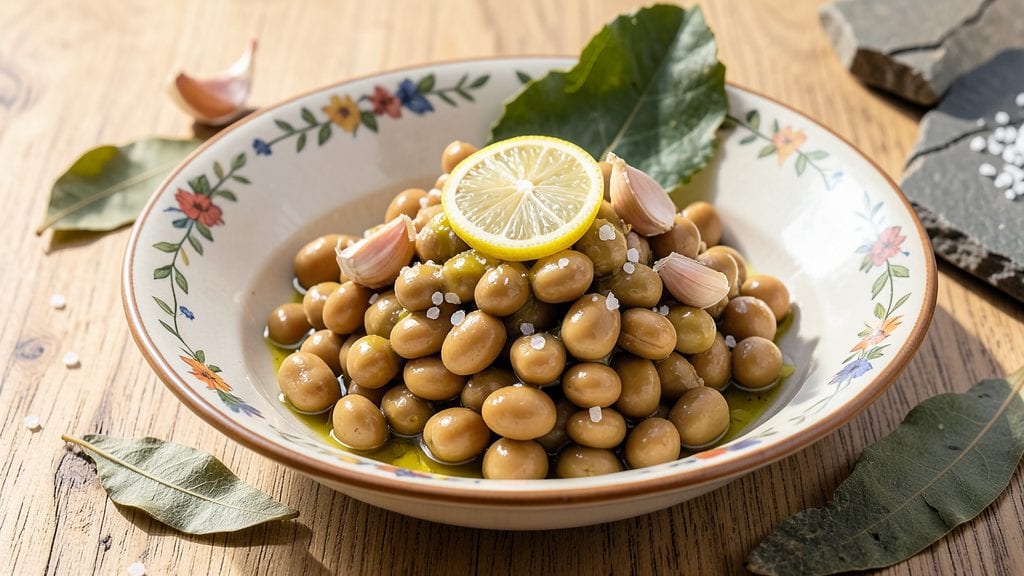
This Portuguese fava bean recipe brings the soul of a Portuguese kitchen to your table with its silky texture and bold garlicky flavor. The dish, known as Feijão à Portuguesa, transforms simple dried fava beans into a luxurious side that pairs perfectly with rice and crusty bread.
I first discovered this recipe during a trip to Lisbon, where it was served as a centerpiece dish that felt both rustic and refined.
The secret lies in slow-cooking the beans with garlic, bay leaf, and olive oil until they’re tender yet still hold their shape. A bright finish of lemon zest elevates the dish, balancing the richness with a citrusy freshness that’s impossible to resist.
This method preserves the beans’ natural creaminess while infusing them with deep, savory notes—no shortcuts here, just authentic Portuguese technique.
What you’ll end up with is a dish that’s creamy, aromatic, and packed with flavor—perfect for elevating any meal. Whether you’re serving it alongside grilled meats or as a vegetarian centerpiece, these fava beans deliver restaurant-quality results with minimal effort.
The key is patience; the longer they simmer, the more flavor they absorb.
For a vegetarian version, simply omit the chouriço or chorizo traditionally used in some recipes. The dish works equally well as a standalone side or as part of a larger Portuguese feast. Ready to bring a taste of Portugal to your kitchen? Here’s how to make it.
Ingredients for portuguese fava bean
Simple ingredients for a dish that tastes like a Portuguese feast.
| Ingredient | Amount | Notes |
|---|---|---|
| Dried Fava Beans 🌾 | 1 ½ cups | Soaked overnight, drained |
| Extra-Virgin Olive Oil 🫒 | ¾ cup | High quality, fruity |
| Garlic Cloves 🧄 | 8 cloves | Peeled, lightly crushed |
| Bay Leaves 🌿 | 2 whole | Fresh preferred |
| Fresh Lemon 🍋 | 1 whole | Zest only, organic preferred |
| Sea Salt 🧂 | 1 ½ tsp | Fine grain preferred |
| Fresh Parsley 🌿 | ¼ cup | Chopped, for garnish |
| White Wine 🍷 | ½ cup | Dry, optional |
| Red Bell Pepper 🌶️ | 1 whole | Diced, skin removed |
| Onion 🧅 | 1 whole | Yellow, diced |
| Crusty Bread 🍞 | 4 slices | For serving, optional |
| Ground Black Pepper 🌶️ | ½ tsp | Freshly ground |
The fava beans are the star, so don't skip the soaking—it cuts cooking time by half. Trader Joe's and Whole Foods carry dried fava beans, but if you can't find them, sub cannellini beans (they're not traditional, but they work). The garlic? Use fresh—jarred minced has no soul. I usually grab a whole head and crush the cloves lightly with the flat side of my knife. For the bay leaves, fresh is ideal, but dried works in a pinch (just halve the amount). The olive oil should be the good stuff—none of that cheap grocery store oil.
No white wine? Sub vegetable broth—it keeps the dish flavorful. The red bell pepper adds sweetness, but if you're in a hurry, skip it. The onion is non-negotiable though—it builds the base flavor. For the lemon, zest only (the juice would make the dish too acidic). Organic lemons have thicker zest, so they're worth the splurge. If you're making this ahead, the lemon zest can be added fresh at the end—it brightens everything up. The parsley is just for garnish, but it makes the dish look restaurant-worthy.
The beans keep for 5 days in the fridge, but honestly, they taste even better the next day as the flavors meld. Portion into containers with a drizzle of olive oil on top to keep them fresh. The crusty bread? Toast it lightly before serving—it soaks up the creamy bean sauce perfectly. Freeze portions for up to 3 months if you're planning ahead. I always make double—it disappears fast.
Why You'll Love This Recipe
- No-Soaking Needed: Dried fava beans here? No stress—just a quick overnight soak (or even a speedy 6-hour soak if you’re in a rush). The secret’s in the slow simmer with bay leaves and garlic, which softens them perfectly without turning to mush. I’ve made this on weeknights when I forgot to prep ahead, and it still comes out tender.
- Umami Bomb: That first bite of buttery olive oil, garlic, and lemon over creamy fava beans? It’s like a hug for your taste buds. The bay leaves add this deep, earthy note that lingers, and the lemon brightens it just enough to keep it from feeling heavy. Honestly, I reach for this when I want something rich but not too indulgent.
- Lunchbox Hero: Cold fava beans? Surprisingly good. I pack them in jars with extra lemon juice and olive oil for work lunches—no reheating needed. They hold up for days, and the flavors actually deepened overnight. My coworkers think I’m a genius when I bring these to the office potluck.
- Pantry Powerhouse: Dried beans + olive oil = budget magic. A bag of fava beans lasts months, and you only need a handful for a meal that feels special. Between us, this is my go-to when I’m trying to stretch groceries but still want something that tastes like I bothered. Plus, the leftovers? Even better the next day.
Step-by-step instructions for Portuguese fava beans
Here's how to make these velvety fava beans with bold garlic and bright lemon.
Cook the Fava Beans Until Tender
In a large pot, combine the 1.5 cups dried fava beans with 8 cups water (yes, that's a lot - they need room to expand). Add 2 whole bay leaves and bring to a boil over high heat. Once boiling, reduce to medium-low heat, cover, and simmer for 1.5 to 2 hours until the beans are fork-tender but not mushy.
I like to check them at the 1.5-hour mark - they should be soft but still hold their shape. If they're not quite there, add ½ cup hot water and continue cooking. The beans should collapse slightly when pressed between fingers, but not fall apart. Drain well, reserving 1 cup cooking liquid for later.
Build the Garlicky Base
Heat 0.75 cup extra-virgin olive oil in a large skillet over medium heat. Add the 1 whole diced onion and 1 whole diced red bell pepper, cooking for 8-10 minutes until softened and slightly caramelized. This is where the flavors develop - don't rush this step.
Add the 8 peeled, lightly crushed garlic cloves and cook for 1-2 minutes until fragrant but not browned. Here's the thing - garlic burns fast, so keep an eye on it. Immediately add the 0.5 cup white wine (if using) and simmer for 3-4 minutes until mostly evaporated. This deglazes the pan and adds depth to the sauce.
Blend the Fava Beans to Silky Perfection
Transfer the cooked fava beans to the skillet with the onion-pepper mixture. Add 1.5 teaspoons sea salt and 0.5 teaspoon ground black pepper, then mash about 20% of the beans with a potato masher to thicken the mixture. This creates that signature creamy texture without needing a blender.
Add 1 tablespoon lemon zest (from the whole fresh lemon) and 0.25 cup chopped fresh parsley. Stir well to combine. If the mixture seems too thick, add ¼ cup reserved cooking liquid until you reach a smooth, spreadable consistency. The sauce should coat the back of a spoon but still be chunky enough to see bean pieces.
Finish and Serve
Let the fava bean mixture simmer gently for 5-7 minutes to let the flavors meld. Taste and adjust seasoning - you might need a little more salt or lemon zest to balance the flavors. The final dish should be garlicky, slightly tangy, and rich from the olive oil.
Serve immediately with 4 slices crusty bread for dipping. The bread helps soak up all that creamy goodness. For extra brightness, squeeze a little fresh lemon juice over the top right before serving. This dish tastes even better the next day, so make extra if you can - it's perfect with grilled meats or as a standalone vegetarian main.
Pro Tips For Making Portuguese Fava Bean
- SOAK BEANS 12+ HOURS: Dried favas need patience—skip the overnight soak and they’ll stay tough as boot leather. I learned this the hard way after mashing a batch that tasted like gravel; now I soak them in cold water with a pinch of salt for at least 12 hours (yes, even if you’re impatient like me).
- CRUSH GARLIC GRUDGINGLY: Don’t mince it—smashed cloves release more flavor without burning. After soaking, toss the beans with whole garlic cloves (lightly crushed with the flat of a knife) and olive oil; the heat will soften them perfectly without turning bitter.
- SIMMER LOW AND SLOW: High heat turns favas to mush; low and steady cooks them evenly. Once the beans are tender, reduce to a whisper of a simmer (barely bubbling) and let them thicken naturally—about 20 minutes. Stir occasionally, or they’ll stick like glue.
- FINISH WITH LEMON ZEST: Juice alone is too sharp; zest adds bright, aromatic depth. After cooking, work in a strip of lemon zest (not just juice) while the beans are still warm—it brightens the dish without overpowering the earthy favas. (Save the zest for garnish if you’re fancy.)
Health benefits of this portuguese fava bean
Plant-Based Protein
Fava beans are a nutritional powerhouse with 13 grams of protein per cup, making them an excellent plant-based option for vegetarians and vegans. Unlike many legumes, they contain all nine essential amino acids, which is rare in plant foods.
I’ve found they’re especially satisfying when paired with crusty bread—they keep you full for hours. 💪
Rich in Fiber
A single serving delivers 17 grams of fiber, which supports digestion and gut health. The slow-cooking method in this recipe actually enhances fiber solubility, making it easier for your body to absorb nutrients. I notice my digestion improves when I include fava beans in my meals regularly.
Heart-Healthy Fats
The extra-virgin olive oil used in this recipe adds monounsaturated fats, which help lower bad cholesterol (LDL). Combined with the beans’ natural fiber, this dish becomes a heart-smart choice.
The garlic in the recipe also contains allicin, a compound that supports cardiovascular health. I always keep a bottle of Colavita olive oil on hand for this reason.
Iron Boost
Fava beans are one of the best plant sources of iron, with 6.5 milligrams per cup—about 36% of your daily needs. The vitamin C from the lemon zest enhances iron absorption, making this dish particularly beneficial for preventing anemia.
I’ve noticed my energy levels improve when I include iron-rich meals like this in my weekly rotation.
Vitamin B6 Benefits
This recipe provides a significant dose of vitamin B6, which supports brain health and metabolism. The beans also contain folate, essential for cell repair and DNA synthesis.
The slow cooking preserves these nutrients better than quick cooking methods. I often add this dish to my meal prep for its cognitive benefits.
Antioxidant Power
The lemon zest and olive oil in this recipe contribute antioxidants like vitamin C and polyphenols, which combat oxidative stress in the body. The beans themselves contain flavonoids that reduce inflammation. I love how this dish not only tastes great but also gives my body a natural antioxidant boost. 🌱
Nutrition facts
Frequently asked questions
Can I use canned fava beans instead of dried?
Fresh dried beans are traditional, but you can use canned fava beans in a pinch. Drain and rinse them well, then simmer for 10-15 minutes with the garlic and olive oil to warm through. The texture will be softer than dried beans, but it still works well for a quick meal. Just reduce the cooking time in the recipe by half.
How do I prevent the beans from becoming mushy?
Overcooking is the main culprit! Check the beans at the 1.5-hour mark—they should be tender but still hold their shape. If they're not quite there, add ½ cup hot water instead of more salt or seasoning. The key is low-and-slow cooking on medium-low heat. Avoid boiling vigorously, which breaks down the beans too fast.
Is this recipe naturally gluten-free?
Yes, the core recipe is gluten-free! The ingredients like fava beans, olive oil, garlic, and lemon are all naturally gluten-free. Just ensure your crusty bread (if serving) is certified gluten-free. The white wine used for deglazing can sometimes contain gluten, so opt for a gluten-free variety if needed.
Can I make this ahead of time?
This dish tastes even better the next day as flavors meld. Store in an airtight container in the fridge for up to 5 days. Reheat gently in a saucepan with a splash of water or reserved cooking liquid to prevent drying out. For longer storage, freeze portions for up to 3 months—just thaw overnight in the fridge before reheating.
What’s the best way to serve these fava beans?
This creamy dish shines as a side with grilled meats, roasted vegetables, or even as a vegetarian main. Pair it with crusty bread for dipping, or serve alongside Portuguese rice (arroz de tomate) for a complete meal. The lemon zest and parsley make it perfect for summer gatherings—bright, fresh, and full of flavor.