
Side Dishes
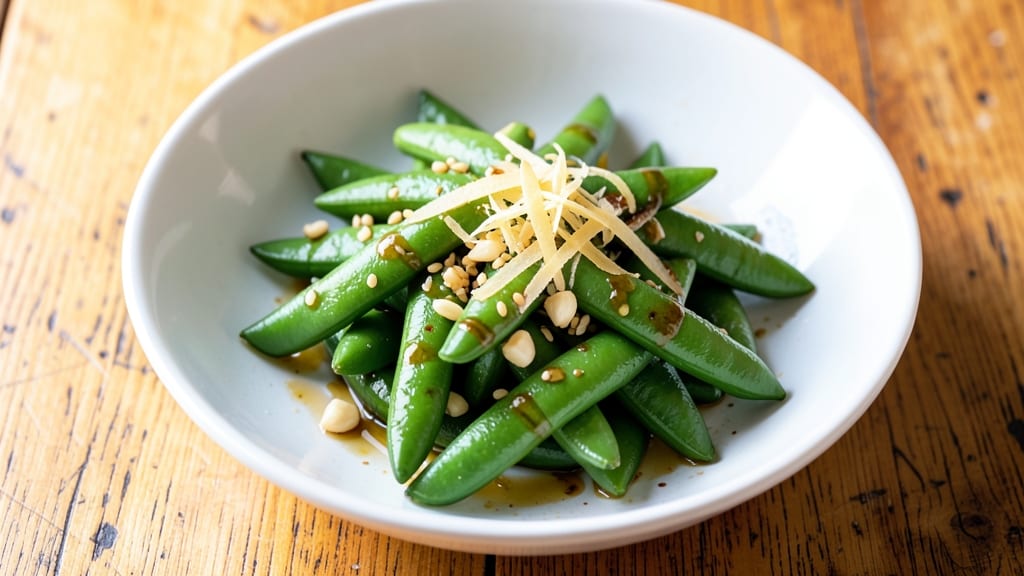
Transforming canned green beans into an Asian-inspired side dish takes just 10 minutes and delivers restaurant-quality flavor with minimal effort. The secret lies in balancing garlicky, ginger-infused aromatics with a touch of soy and sesame for depth, creating a dish that's crisp, aromatic, and packed with umami.
I developed this recipe after realizing how often canned green beans get overlooked—until you season them right, they become the star of any meal.
This method preserves the beans' natural crunch while infusing them with layers of flavor through a simple stir-fry technique. You'll need just five core ingredients—canned green beans, garlic, ginger, soy sauce, and sesame oil—plus optional additions like chili flakes or green onions for heat and freshness.
The process is straightforward: drain, rinse, and toss the beans with aromatics until they're coated and heated through, resulting in a dish that's ready in the same time it takes to boil rice.
What you'll end up with is a vibrant, aromatic side dish that's crisp on the edges and tender inside, with a glossy finish from the sesame oil. The garlicky-ginger notes cut through richer dishes like grilled meats or fried rice, making it a perfect balance for any Asian-inspired meal.
This recipe proves that canned vegetables can be just as impressive as their fresh counterparts when given the right treatment.
Serve this dish alongside steamed rice, grilled chicken, or even as a topping for noodle bowls. The versatility of the seasoning means it works equally well as a quick weeknight side or a component in larger Asian-inspired feasts. Here's how to make it—simple, flavorful, and ready in record time.
Ingredients for asian canned green beans
Five core ingredients plus optional toppings transform simple canned beans into restaurant-quality Asian flavor.
| Ingredient | Amount | Notes |
|---|---|---|
| Canned Green Beans 🌱 | 15 oz | Drained and rinsed thoroughly |
| Garlic Cloves 🧄 | 4 cloves | Freshly minced for maximum aroma |
| Fresh Ginger 🌿 | 1 ½ tbsp | Finely grated, not powdered |
| Light Soy Sauce 🥢 | 2 tbsp | Kikkoman preferred for balance |
| Toasted Sesame Oil 🫒 | 1 tbsp | For authentic nutty aroma |
| Neutral Oil 🫒 | 1 tbsp | Avocado or vegetable preferred |
| Red Chili Flakes 🌶️ | ½ tsp | Optional for heat |
| Green Onions 🧅 | 2 whole | Sliced thin for garnish |
| Sesame Seeds 🌾 | 1 tsp | Toasted for crunch |
| Salt 🧂 | ¼ tsp | Kosher or sea salt |
| Black Pepper 🌶️ | ¼ tsp | Freshly ground |
The canned green beans are the foundation, so choose a brand with firm, bright green beans—Green Giant or Del Monte work well. Fresh ginger is non-negotiable here; powdered lacks the bright, zesty punch. Look for plump, fibrous ginger roots at the store—avoid any with soft spots. Garlic should be firm and free of sprouts. For sesame oil, Kadoya or Lee Kum Kee deliver the best toasted aroma. If you're using chili flakes, Penzeys carries high-quality options that won't turn the dish bitter.
No fresh ginger? Substitute 1 tsp ginger powder, but you'll lose some depth. Light soy sauce unavailable? Tamari or coconut aminos work in a pinch, though the flavor profile shifts slightly. Want more umami? Add 1 tsp fish sauce or 1 tbsp miso paste. The neutral oil can be swapped for butter if you prefer richness, though sesame oil's aroma will dominate. For extra crunch, toasted peanuts make a great garnish alternative to sesame seeds. And if you're short on green onions, scallions or chives work just as well.
This dish reheats beautifully—just add a splash of water and toss. Store leftovers in an airtight container for up to 4 days in the fridge. For longer storage, freeze portions for up to 3 months. The sesame oil will separate when refrigerated, so give it a quick stir before reheating. Garnish with sesame seeds and green onions right before serving to keep them crisp. This recipe doubles easily, so make extra for meal prep—it's perfect alongside rice or noodles all week.
Why You'll Love This Recipe
- Pantry Powerhouse: I swear by this recipe when my fridge is bare—just open a can, minced garlic, and a thumb-sized ginger knob. No wilting, no chopping, no stress.
- Umami Bomb: That toasted sesame oil hitting the pan? Instant flavor explosion. The soy sauce and ginger marry the beans into something crisp-tender with a depth that’s ridiculously satisfying.
- Lunchbox Legend: Between us, this is my go-to for packed lunches or quick work dinners. Toss with rice or noodles, and it’s a full meal—no reheating required, just grab-and-go.
- Budget Win: Canned beans + pantry staples = under $3 for a side that feels fancy. Honestly, I make this twice a month just to stretch my grocery dollars without sacrificing taste.
Step-by-step instructions for garlicky ginger green beans
A quick, flavor-packed Asian-inspired side that transforms simple green beans into a vibrant dish bursting with aromatic depth.
Prepare the Aromatics and Seasoning
Start by mincing all 4 cloves of garlic cloves and grating the 1.5 tablespoons of fresh ginger using a fine grater or microplane. I like to use a small bowl for this step to keep everything contained. The ginger should be finely textured—no need for a food processor, as that can turn it into a paste.
In a separate small bowl, combine the 2 tablespoons of light soy sauce, 0.25 teaspoon of salt, and 0.25 teaspoon of black pepper. This creates a balanced seasoning base that will infuse the green beans. The soy sauce adds umami depth while the salt and pepper enhance the natural sweetness of the beans.
Sauté the Garlic and Ginger
Heat 1 tablespoon of neutral oil in a large skillet over medium heat until shimmering. Add the minced garlic and grated ginger, stirring constantly for 30 seconds until the garlic becomes fragrant but doesn't brown. This quick cooking preserves their fresh flavors rather than letting them turn bitter.
Immediately pour in the soy sauce mixture and stir for another 30 seconds. You'll notice the aromatics begin to sizzle and release their oils. This is the moment that matters: the flavors meld together, creating the foundation for your dish. If the mixture starts to darken too quickly, reduce the heat slightly to medium-low.
Cook the Green Beans
Add the drained and rinsed 15 oz canned green beans to the skillet, tossing gently to coat them evenly in the garlic-ginger-soy mixture. Cook for 3-4 minutes, stirring occasionally, until the beans are heated through and begin to develop a slight gloss. You're looking for beans that are tender-crisp with vibrant green color—this indicates they're perfectly cooked.
During this time, sprinkle in the 0.5 teaspoon of red chili flakes if using. These add a subtle heat that complements the sweetness of the beans. Stir once more to distribute evenly, then remove the skillet from heat. The residual heat will continue cooking the beans slightly, so don't overcook them at this stage.
Finish and Garnish
Drizzle the hot green beans with 1 tablespoon of toasted sesame oil and toss gently to coat. The oil adds a nutty aroma and helps distribute the flavors evenly. At this point, the dish should have a fragrant, slightly garlicky scent with a hint of ginger warmth.
Finally, sprinkle with the 1 teaspoon of sesame seeds and thinly sliced 2 whole green onions. The sesame seeds add a satisfying crunch, while the green onions provide a fresh contrast to the rich flavors. Toss everything together one last time and serve immediately while the beans are still crisp-tender and the aromas are at their peak.
Pro Tips For Making Asian Canned Green Beans
- Drain and Rinse First: Canned green beans come packed in salty brine—skip rinsing, and your dish will taste like a salt lick. Drain them into a colander, give a quick rinse, then drain again. This keeps the texture crisp while cutting the saltiness that’ll fight your soy sauce.
- Mince Ginger Like You Mean It: Pre-packaged ginger slices are fine, but for real flavor, use a microplane or knife to mince it into a paste—think 1/4-inch pieces, not thin slivers. The surface area hits the oil faster, releasing that zesty punch without bitterness. (Yes, even if you’re impatient like me.)
- Sauté Garlic Low and Slow: After adding garlic to the pan, turn the heat down to medium-low the second it hits the oil. Burnt garlic ruins everything—it turns acrid and overpowering. Stir constantly until just golden, then pull it out before it turns brown. Trust me, your nose will thank you.
- Finish with Sesame Oil Last: Toasted sesame oil is delicate—add it at the very end, right when you’re plating. Drizzle just a teaspoon over the top, swirl it around, and let it mingle with the steam. Add it earlier, and it’ll cook off, leaving you with just a faint hint of nutty aroma instead of that rich, toasty finish.
Essential equipment for perfect results
Skillet Essentials
Your large nonstick skillet is the star here—I recommend a 10-inch or 12-inch cast iron like Lodge for even heat distribution and durability. The nonstick surface prevents sticking, but if you prefer stainless steel, use a well-seasoned pan and reduce oil to ½ tablespoon to avoid burning aromatics. 🔥
For extra convenience, I use a small microplane to grate ginger quickly—it creates fine, even particles that infuse better than pre-grated versions. A sharp chef's knife with a rocking motion works too for mincing garlic. Avoid dull knives that crush garlic into a paste.
Oil & Heat Control
Neutral oils like avocado or vegetable oil have high smoke points (400°F+), protecting delicate garlic and ginger from burning. If you prefer sesame oil, use it only for finishing—its low smoke point (350°F) makes it unsuitable for initial cooking.
A thermometer helps maintain medium heat (325-350°F)—this is key for flavor without bitterness.
I swear by a stainless steel spoon for stirring—it conducts heat evenly and won’t melt like plastic utensils. For tossing beans, a tongue depressor works better than chopsticks to prevent crushing. Keep a small bowl nearby to catch any stray sesame seeds during garnishing.
Garnish Tools
Fresh green onions should be sliced with a serrated knife for clean cuts. For sesame seeds, toast them in a dry skillet over medium heat for 1-2 minutes until golden—this enhances their nutty flavor. A fine-mesh strainer comes in handy if you need to quickly rinse beans after draining.
Optional: A small plate with a slotted spoon makes plating effortless. Arrange beans in a mound, drizzle with extra sesame oil, and sprinkle garnishes artistically. For meal prep, glass airtight containers preserve freshness—store garnishes separately and add them fresh before serving.
Budget-Friendly Swaps
Skip the cast iron? A ceramic nonstick pan like GreenPan works well for health-conscious cooks. No microplane? A grater with a fine setting or food processor (pulse ginger briefly) suffices. For sesame oil, toasted sesame paste (mixed with water) mimics the flavor at half the cost.
Need a garlic press? Smash cloves with the side of your knife before mincing. No fresh ginger? Ginger powder (½ tsp) plus 1 tsp lemon juice adds brightness. A spoon and bowl can replace a skillet if you’re cooking for one—just stir constantly over low heat.
Nutrition facts
Frequently asked questions
Can I use frozen green beans instead of canned?
Yes, but you'll need to thaw and drain them first. Use frozen green beans that are still bright green and firm. Thaw overnight in the fridge, drain well, and pat dry with a paper towel before cooking. The texture will be slightly softer than canned, but the flavor works just as well in this recipe.
How do I make this spicier?
Add more chili flakes or swap them for fresh red chili slices. For extra heat, include ½ teaspoon of gochugaru (Korean chili flakes) or a dash of Sriracha at the end. If you love spice, try adding 1 teaspoon of minced Thai bird's eye chili when sautéing the garlic and ginger.
Can I prepare this dish ahead of time?
Store leftovers in an airtight container for up to 4 days in the fridge. Reheat gently in a skillet with a splash of water or soy sauce to restore crispness. For best results, add fresh sesame seeds and green onions right before serving to keep them crisp.
What are good protein pairings for this dish?
This dish pairs beautifully with grilled chicken, shrimp, or tofu. For a complete meal, serve with steamed rice and a drizzle of peanut sauce or a simple soy-ginger glaze. It also works well alongside stir-fried vegetables or as a topping for ramen or pho.
Why does my dish taste bland?
Check your seasoning balance—ensure you're using fresh ginger and garlic (not powdered) and that your soy sauce is light, not dark. Add a pinch more salt or a splash of fish sauce for umami depth. Also, don't skip the sesame oil—it adds crucial nutty flavor that can't be replicated.