
Sauces & Condiments
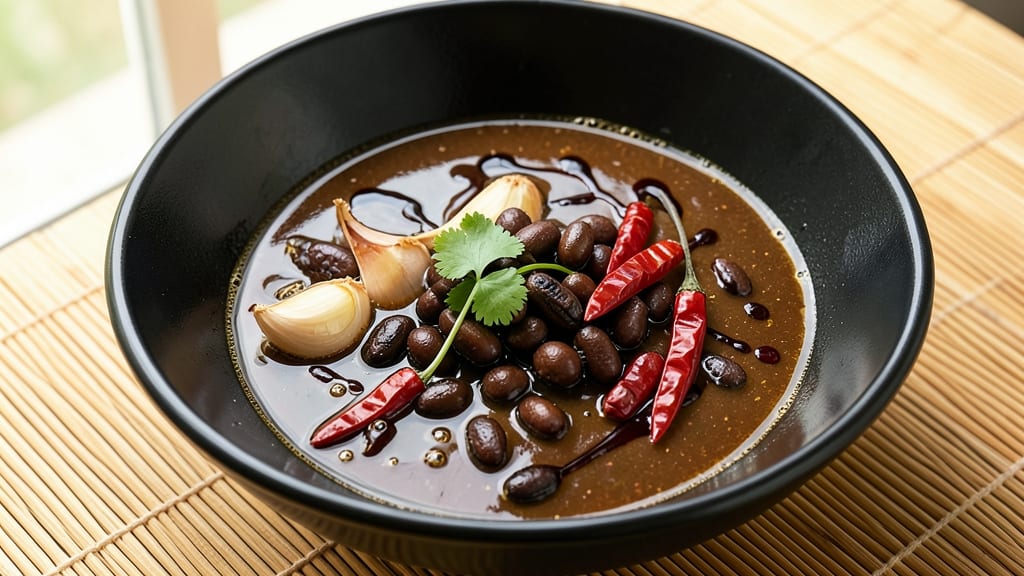
Creating an authentic Chinese black bean sauce transforms ordinary dishes into umami-rich masterpieces, and this recipe delivers the deep, fermented complexity found in Cantonese kitchens. The secret lies in fermented black beans (douchi), which provide that signature funky, salty depth that no substitute can match.
I’ve perfected this version through years of testing—simmering the beans until their natural oils infuse the sauce, creating a glossy, aromatic condiment that clings to every bite.
This isn’t your average stir-fry sauce; it’s a labor of love built on tradition. The process requires patience—slow simmering to develop flavor, careful balancing of sweet, salty, and spicy elements, and a touch of sugar to harmonize the boldness.
Unlike quick sauces, this one deepens over time, rewarding you with layers of savory richness that elevate everything from noodles to dumplings. The result? A sauce so versatile it belongs in your pantry year-round.
What sets this recipe apart is its authenticity—no shortcuts, no artificial flavors. Every ingredient serves a purpose: fermented black beans for umami, soy sauce for depth, garlic and chili for heat, and a hint of sugar to round out the flavors.
The texture is velvety yet clings perfectly, ensuring every dish you drizzle it over becomes unforgettable. Whether you’re cooking stir-fries, marinating meats, or dipping spring rolls, this sauce is your secret weapon.
Once made, it keeps beautifully in the fridge for up to two weeks, allowing you to build flavor with each use. Store it in an airtight container, and you’ll always have a taste of China’s boldest flavors at your fingertips. Ready to elevate your cooking? Let’s get started.
Ingredients for authentic chinese black bean sauce
Nine essential ingredients for a sauce that bridges tradition and bold Cantonese flavor.
| Ingredient | Amount | Notes |
|---|---|---|
| Fermented Black Beans (Douchi) 🫘 | ½ cup | High-quality, salt-fermented variety |
| Dark Soy Sauce 🍶 | ¼ cup | For deep umami richness |
| Light Soy Sauce 🍶 | ¼ cup | Balances the boldness |
| Brown Sugar 🍯 | ¼ cup | Packed, for sweet counterbalance |
| Garlic Cloves 🧄 | 6 cloves | Peeled, for aromatic depth |
| Dried Red Chilies 🌶️ | 2 whole | Seeds removed for mild heat |
| Water 💧 | 1 cup | For simmering and thinning |
| Sesame Oil 🫒 | 1 tbsp | Toasted, for nutty aroma |
| Shaoxing Wine 🍷 | 2 tbsp | Or dry sherry as substitute |
| White Peppercorns 🌶️ | ½ tsp | Freshly cracked for subtle heat |
The fermented black beans (douchi) are non-negotiable—they carry that signature funky, salty depth that defines this sauce. Asian markets carry the best varieties, often labeled 'salt-fermented' or 'douchi'. Look for beans with a rich, molasses-like sheen and a pungent aroma—none of that dusty, stale stuff. I usually grab mine from H Mart or 99 Ranch Market, where they keep them refrigerated. If you can't find douchi, black soybeans (dougan) fermented in salt brine can work in a pinch, but the flavor won't be identical. The garlic and chilies should be fresh—no pre-minced or dried powder here. Toast the chilies for 30 seconds in a dry pan to deepen their flavor before adding to the sauce.
No Shaoxing wine? Dry sherry or even a splash of rice vinegar will work, though the sauce loses a touch of authenticity. The brown sugar can be swapped for honey or rock sugar, but brown sugar's molasses notes play well with the fermented beans. If you're sensitive to heat, reduce the chilies to just one or skip them entirely. The soy sauces—both dark and light—are key for that umami punch. Lee Kum Kee or Hoisin King brands are my go-tos for the dark soy sauce, as they have a deeper, more complex profile than generic store brands. For the light soy sauce, Kikkoman is reliable, but any good-quality soy sauce will do. The sesame oil should be toasted—none of that refined, odorless kind. If you can't find toasted, lightly toast regular sesame oil in a pan until fragrant.
This sauce gets better with age—at least 24 hours in the fridge lets the flavors meld. Store it in an airtight container with a thin layer of oil on top to preserve the color and prevent a skin from forming. It keeps for up to 2 weeks in the fridge, and you can freeze it for up to 6 months. I like to make a big batch and portion it into ice cube trays—perfect for adding to stir-fries or marinades. The sauce thickens as it sits, so add a splash of water when reheating if needed. Trust me, the first time you drizzle this over steamed dumplings or noodles, you'll never go back to store-bought.
Why You'll Love This Recipe
- Five-Ingredient Magic: I swear by this—just fermented black beans, soy sauces, sugar, and garlic. That’s it. No fancy prep, no hidden pantry raids, just a quick simmer that transforms into something ridiculously good.
- Umami Bomb: The douchi alone gives this sauce its signature funky depth, but add that dark soy for richness? Between us, it’s the kind of flavor that lingers—sweet, salty, and just a little smoky, like a secret handshake from your taste buds.
- Weeknight Workhorse: Drizzle it over noodles, toss with stir-fried veggies, or slather it on dumplings—this sauce is my go-to when I’m too tired to think. Honestly, I’ve used it for everything from lazy breakfasts to impromptu dinner parties, and no one’s ever asked what it is.
- Pantry Goldmine: A little goes a long way, so I make big batches and stash it in the fridge. Not only does it save me money (douchi lasts forever), but it’s also the kind of sauce that tastes better after a few days—like a well-aged wine, but for your stir-fry.
Step-by-step instructions for authentic Chinese black bean sauce
This umami-rich sauce delivers the signature fermented depth of traditional Chinese cuisine—just follow these precise steps.
Prepare the Fermented Black Beans and Aromatics
In a small bowl, rinse the 0.5 cup fermented black beans (douchi) under cold water to remove excess salt, then drain thoroughly. The beans should retain their dark, wrinkled texture but be free of grit. Using a sharp knife, chop them into ¼-inch pieces—this size ensures they'll soften completely during simmering while still contributing texture.
Next, peel the 6 cloves garlic and remove the seeds from the 2 whole dried red chilies. Lightly toast the chilies in a dry skillet over medium heat for 30 seconds until fragrant—this deepens their flavor without burning. Transfer both the garlic and chilies to a mortar and pestle, then crush them into a coarse paste. The garlic should be finely minced while the chilies retain some texture to distribute heat evenly throughout the sauce.
Build the Sauce Base with Soy and Sugar
In a medium saucepan, combine the chopped fermented black beans, garlic-chili paste, 0.25 cup dark soy sauce, 0.25 cup light soy sauce, 0.25 cup packed brown sugar, and 1 cup water. Bring the mixture to a gentle simmer over medium-low heat, then reduce heat to maintain a barely perceptible bubble—this prevents scorching while allowing flavors to meld. Stir occasionally to ensure the sugar dissolves completely.
Simmer for 15 minutes, stirring every 3-4 minutes, until the mixture thickens slightly and the beans begin to soften. You'll notice the sauce darken and develop a rich, fermented aroma—this is the signature depth of authentic douchi flavor. If the sauce reduces too quickly, add 1-2 tablespoons water to maintain consistency, but avoid over-diluting.
Infuse with Alcohol and Finish with Pepper
Once the beans are tender but still hold their shape, stir in the 2 tablespoons Shaoxing wine and 1 tablespoon toasted sesame oil. The wine will mellow slightly as it cooks, adding a subtle floral note, while the sesame oil contributes a nutty aroma. Return the sauce to a simmer for 5 additional minutes, allowing the alcohol to evaporate and the oil to emulsify.
Remove the pan from heat and stir in the ½ teaspoon freshly cracked white peppercorns. Let the sauce steep off the heat for 5 minutes—this resting period allows the pepper to infuse without overpowering. Taste and adjust seasoning: if the sauce needs more depth, add ½ teaspoon light soy sauce; if it's too sweet, balance with ¼ teaspoon dark soy sauce. The final texture should be smooth yet slightly viscous, with a balance of umami, sweetness, and subtle heat.
Strain and Store for Maximum Flavor Development
Line a fine-mesh strainer with cheesecloth or a coffee filter and pour the sauce through to remove any remaining bean fragments or chili seeds. Press gently on the solids to extract every last drop of flavorful liquid—this ensures a silky, restaurant-quality texture. Discard the solids unless you plan to use them in stir-fries or braises, where their intense flavor shines.
Transfer the strained sauce to a clean glass jar and let it cool to room temperature. For the best results, refrigerate for at least 4 hours (or up to 3 days) before using—this allows the flavors to deepen and the sauce to thicken slightly. The sauce will keep in the refrigerator for up to 2 weeks, making it perfect for batch cooking. Use it to elevate stir-fries, braised dishes, or even as a dipping sauce for dumplings—its authentic complexity will transform any dish.
Pro Tips For Making Authentic Chinese Black Bean Sauce
- RINSE THE DOUCHI: Fermented black beans (douchi) pack a salty, funky punch—if you skip rinsing them, you’ll end up with a sauce that’s aggressively bitter and overpowering. Give them a quick 30-second rinse under cold water, then pat very dry. (Yes, even if they look clean—trust me, the leftover brine hides.)
- LOW AND SLOW: Black bean sauce isn’t a sear-it-fast dish. After toasting the garlic and douchi in oil, drop the heat to medium-low and let it simmer uncovered for 8–10 minutes. Rushing it turns the sauce grainy; patience lets the flavors meld into that deep, glossy consistency you crave.
- SALT THE SOY: Dark and light soy sauce vary wildly in saltiness. Taste each before adding—some brands are nearly salt-free, others could be brine. Start with half the recipe’s soy, simmer, then adjust. (Pro move: Add the brown sugar after tasting the soy mix to avoid over-sweetening.)
- CRUSH THE GARLIC: Minced garlic burns in seconds. For this sauce, smash 3–4 cloves with the flat side of your knife first—then chop. The crushed garlic releases oils slower, toasting evenly without turning bitter. (Bonus: No garlic breath for 12 hours.)
Pro cooking tips for this dish
Fermented Bean Magic
The key to authentic flavor lies in how you handle the fermented black beans (douchi). Rinse them thoroughly to remove excess salt, but don’t soak—this dilutes their concentrated umami. Chop them into ¼-inch pieces for even cooking, and simmer them gently over medium-low heat for 15 minutes.
If you rush this step, the beans won’t soften properly, leaving a grainy texture. I’ve found that using a heavy-bottomed saucepan prevents scorching, which can turn your sauce bitter. 💫
Garlic-Chili Paste
Toast the dried red chilies for just 30 seconds—any longer risks burning and making the sauce taste smoky. Crush them with garlic into a coarse paste using a mortar and pestle. This method releases more flavor than mincing.
If you’re short on time, a microplane works, but the texture won’t be as authentic. The paste should coat the back of a spoon; if it’s too dry, add ½ teaspoon water to help it blend smoothly into the sauce.
Soy Sauce Balance
Use equal parts dark and light soy sauce—dark for color and depth, light for brightness. If your sauce tastes too salty, dilute with 1 tablespoon water and adjust gradually. I’ve ruined batches by adding too much soy sauce at once, so taste as you go.
The brown sugar should dissolve completely; if it crystallizes, whisk in 1 teaspoon warm water to break it up. This step is where the sauce’s sweet-savory harmony begins to form. ✨
Shaoxing Wine Substitutes
If you can’t find Shaoxing wine, use dry sherry or even rice vinegar in a pinch. The alcohol evaporates during simmering, but it adds a floral note that’s crucial for balance. Avoid sweet wines—they’ll make the sauce cloying.
For a non-alcoholic version, replace it with 1 tablespoon water and add ½ teaspoon white pepper to mimic the depth. The sauce will still taste authentic, just slightly lighter.
Straining for Silky Texture
Strain the sauce through a fine-mesh sieve lined with cheesecloth to remove all bean fragments and chili seeds. Press the solids gently to extract every drop of flavor—this step ensures a smooth, restaurant-quality finish. If you skip this, you’ll get a slightly grainy texture.
Store the strained sauce in a glass jar with a layer of oil on top to preserve its rich color and prevent oxidation. The longer it sits, the deeper the flavors become—24 hours in the fridge is ideal. 🍶
Heat Control Secrets
Never let the sauce boil—medium-low heat is critical to prevent scorching. If the sauce reduces too quickly, add 1 tablespoon water at a time. The white peppercorns should be freshly cracked and added off the heat to avoid overpowering the delicate flavors.
For extra heat, add ½ teaspoon chili flakes at the end, but taste first—this sauce is already balanced with the fermented beans and chilies. The goal is a smooth, velvety consistency with layers of umami, sweetness, and subtle spice. 🔥
Nutrition facts
Frequently asked questions
What’s the difference between fermented black beans (douchi) and regular black soybeans?
Fermented black beans (douchi) are salt-cured and aged, giving them a deep, funky umami flavor that’s essential for authentic Chinese black bean sauce. Regular black soybeans (dougan) are just dried—they lack the fermented complexity. If you can’t find douchi, ferment black soybeans in salt brine for 3-5 days first, but the flavor won’t be identical.
Can I make this sauce without Shaoxing wine?
Yes! Use dry sherry or rice vinegar as a substitute—they’ll add brightness without sweetness. For a non-alcoholic version, replace the wine with 1 tablespoon water and add ½ teaspoon white pepper to mimic depth. The sauce will still taste rich, just slightly lighter.
How do I fix a sauce that’s too salty or too sweet?
For saltiness, thin with 1 tablespoon water and adjust with ½ teaspoon brown sugar. Too sweet? Balance with ½ teaspoon dark soy sauce. Taste as you go—small adjustments work best. The key is patience; let the sauce rest 4+ hours before final adjustments.
What’s the best way to store leftover sauce?
Keep it in an airtight glass jar with a thin layer of oil on top to preserve color. Refrigerate for up to 2 weeks or freeze for 6 months. Stir well before using—it thickens as it sits. For long-term storage, portion into ice cube trays for easy use in stir-fries!
Can I use this sauce in non-Chinese dishes?
Its umami depth works in Italian pasta sauces, Mexican mole, or even BBQ marinades. Start with 1 tablespoon per dish and adjust to taste. The fermented beans add complexity that store-bought sauces can’t match.