
Side Dishes
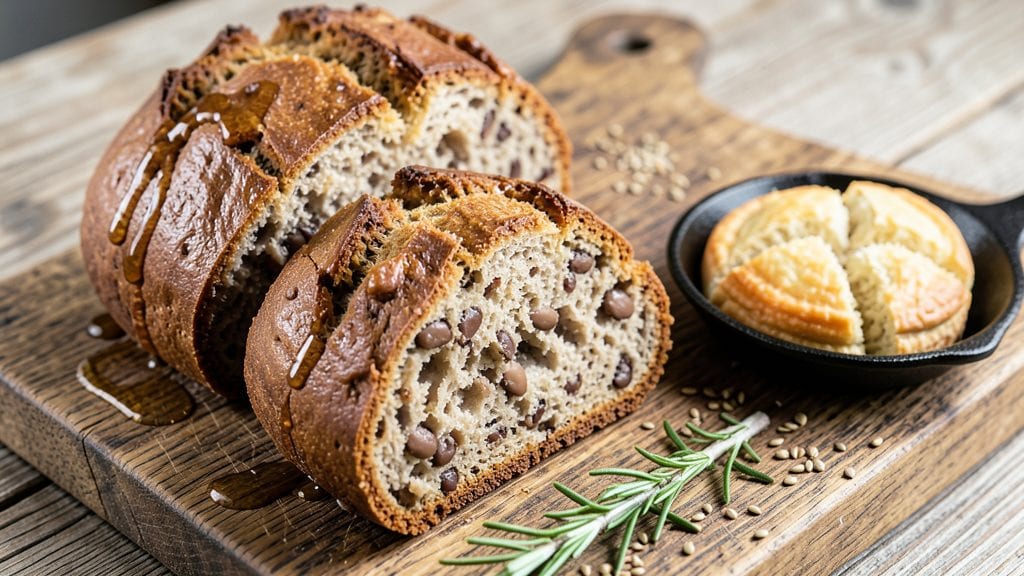
This bean bread recipe delivers the perfect balance of crunchy crust and moist heart in every slice, proving that plant-based baking can rival traditional loaves.
The secret lies in blending mashed beans with flour and leavening agents, creating a texture that’s both hearty and tender—ideal for vegan diets without sacrificing flavor.
I developed this recipe after years of experimenting with bean-based breads, and it’s now a staple in my kitchen for its versatility and satisfying bite.
The beauty of bean bread is its adaptability—whether you prefer a savory cornbread-style loaf, a lightly sweetened quick bread, or a hearty dinner roll, the foundation remains the same.
The key is achieving that moist interior while ensuring the crust stays crispy, which requires precise ingredient ratios and baking techniques. Once you master this, you’ll never buy store-bought bread again.
What makes this recipe stand out is its foolproof method for blending beans seamlessly into the dough, ensuring no graininess or dryness.
The result is a loaf with a golden, crackly crust that gives way to a soft, flavorful interior—perfect for soaking up soups, pairing with stews, or serving alongside roasted vegetables. The aroma alone will have everyone asking for seconds.
For added depth, consider topping the loaf with sesame seeds, poppy seeds, or a sprinkle of garlic powder before baking. This bread also freezes beautifully, making it a great make-ahead option for meal prep. Let’s get started on a loaf that’s as nourishing as it is delicious.
Ingredients for bean bread
Nine simple ingredients transform into a loaf with perfect crunch and moist heart every time.
| Ingredient | Amount | Notes |
|---|---|---|
| Great Northern Beans 🌱 | 1 ½ cups | Cooked until very soft, mashed smooth |
| All-Purpose Flour 🌾 | 2 cups | Unbleached for best texture |
| Baking Powder 🍞 | 1 ½ tsp | Aluminum-free for best rise |
| Baking Soda 🍞 | ½ tsp | Ensures proper leavening |
| Salt 🧂 | 1 tsp | Diamond Crystal preferred |
| Ground Flaxseed 🌾 | 1 tbsp | Mixed with 3 tbsp water for flax egg |
| Water 💧 | ½ cup | Room temperature for best blend |
| Extra-Virgin Olive Oil 🫒 | ¼ cup | For moisture and richness |
| Apple Cider Vinegar 🍎 | 1 tbsp | Balances flavors, enhances rise |
| Sesame Seeds 🌰 | 2 tbsp | For golden crust topping |
| Poppy Seeds 🌰 | 1 tbsp | Optional for nutty crunch |
| Garlic Powder 🧄 | ½ tsp | For subtle savory depth |
The beans are the foundation, so Great Northerns work best—they mash smoother than cannellini or kidney beans. Trader Joe's sells them pre-cooked, which saves time, but canned beans work too (just drain and rinse well). For the flour, King Arthur Unbleached is my go-to—it’s got that perfect balance of protein and gluten for structure. The baking powder and soda need to be fresh (if your loaf doesn’t rise, that’s your first clue they’re old). I always measure my dry ingredients by spooning them into the cup and leveling—no packing down. The flax egg is non-negotiable here; it’s what gives the bread that tender crumb without eggs.
No sesame seeds? Poppy seeds or crushed nuts work just as well for topping. Short on vinegar? Lemon juice at the same amount keeps the tang. The olive oil can be swapped for avocado oil if you prefer a milder flavor. For a sweeter loaf, add 1 tbsp maple syrup to the wet ingredients—it blends right in. The garlic powder is optional but adds that subtle depth that makes it taste homemade. If you’re worried about the texture being too dense, add 1/4 cup vital wheat gluten to the flour for extra lift.
This loaf keeps beautifully—wrap it in foil and store at room temperature for 2 days, or freeze for 3 months. I like to slice it fresh before serving, but it reheats well in a 350°F oven for 5-10 minutes if you want it warm. The crust stays crispy for about a day if you keep it in an airtight container. For extra crunch, brush the top with a little olive oil before baking. Trust me, the first slice is worth the effort.
Why You'll Love This Recipe
- No-Fuss Mix-In: I swear by this—just toss pre-cooked Great Northern beans into the batter with flour and leaveners, no fancy prep. The texture’s like a cross between cornbread and a dense muffin, and honestly? That’s exactly what I want when I’m too tired to fuss.
- Earthy, Toasty Bite: The beans bring this deep, nutty warmth that’s ridiculously satisfying, especially when the edges get that golden crunch. Between us, it’s the kind of flavor that makes you go back for another slice—no guilt, just pure comfort.
- Lunchbox Hero: Between us, this is my go-to for meal prep—it holds up for days, stays sturdy in containers, and even reheats like a dream. Pack it with a smear of butter or peanut butter, and you’ve got a lunch that’ll actually make someone smile.
- Pantry Staple Magic: I keep a can of Great Northerns on hand just for this—it’s cheap, it’s filling, and it turns basic ingredients into something special. Leftovers? Toast them for a crispy snack or crumble into soups. This bread’s basically a flavor multiplier.
Step-by-step instructions for bean bread recipe
Here's how to achieve that perfect balance of crispy crust and moist interior in your bean bread—every time.
Prepare the Bean Base
In a medium saucepan, combine the 1.5 cups Great Northern Beans with 0.5 cup Water. Bring to a boil over medium-high heat, then reduce to a simmer and cook for 1 to 1.5 hours until the beans are fork-tender. Drain any excess water and transfer the beans to a food processor or high-powered blender.
Add the 0.25 cup Extra-Virgin Olive Oil and the 1 tbsp Apple Cider Vinegar to the warm beans. Blend until completely smooth, scraping down the sides as needed. The result should be a thick, velvety puree—this is the foundation of your bread's moist heart. If the mixture is too thick, add 1 to 2 tablespoons of water to reach a pourable consistency.
Mix the Dry Ingredients
In a large mixing bowl, whisk together the 2 cups All-Purpose Flour, 1.5 tsp Baking Powder, 0.5 tsp Baking Soda, 1 tsp Salt, and 0.5 tsp Garlic Powder. This dry blend ensures even distribution of leavening agents and seasoning throughout the batter. Sift the mixture lightly to aerate the flour, which helps create a lighter texture in the final bread.
In a small bowl, combine the 1 tbsp Ground Flaxseed with 3 tablespoons of water and let it sit for 5 minutes to form a gel-like consistency. This flax egg acts as a binder and adds moisture without the need for additional eggs. Stir the flax mixture into the bean puree until fully incorporated.
Combine Wet and Dry Ingredients
Pour the bean-flax mixture into the bowl with the dry ingredients. Using a wooden spoon or rubber spatula, gently fold everything together until just combined—avoid overmixing to prevent a dense, tough crumb. The batter should be thick but still pourable. If it feels too stiff, add 1 to 2 tablespoons of water to loosen it.
In a separate small bowl, mix the 2 tbsp Sesame Seeds and 1 tbsp Poppy Seeds together. These seeds will create a beautiful, textured crust. Sprinkle half of the seed mixture into the batter and fold gently to distribute evenly. Save the remaining seeds for topping later.
Prepare the Loaf Pan and Bake
Preheat your oven to 350°F. Lightly grease an 8x4-inch loaf pan with a bit of Extra-Virgin Olive Oil or line it with parchment paper for easy removal. Pour the batter into the prepared pan, spreading it evenly. Sprinkle the remaining sesame and poppy seeds evenly over the top, pressing them lightly into the batter to ensure they adhere.
Bake for 50 to 55 minutes, or until a toothpick inserted into the center comes out clean. The top should be golden brown and slightly crispy, while the interior remains moist. If the top browns too quickly, tent the pan with foil to prevent over-browning while ensuring the center cooks through.
Rest and Serve
Remove the bread from the oven and let it cool in the pan for 10 minutes. This resting period allows the bread to set and makes it easier to slice. Transfer the bread to a wire rack and let it cool completely before slicing. The contrast of the crispy crust and moist interior will be at its best when served fresh.
Slice the bread into ½-inch thick pieces and serve warm. The garlic powder adds a subtle savory depth, while the seeds provide a delightful crunch with every bite. Store any leftovers in an airtight container at room temperature for up to 3 days or freeze for longer storage.
Pro Tips For Making Bean Bread
- SOAK BEANS OVERNIGHT: I learned this the hard way—rushing the soak means gummy, uneven texture. Use 4 cups water per 1 cup beans, soak 12+ hours, then drain and rinse twice before cooking. Cold water breaks down the skins better than hot, and the extra rinse cuts that beany aftertaste.
- DON’T SKIP THE BAKING SODA: This isn’t just leavening—it’s what makes bean bread tender. Use 1½ teaspoons for every 2 cups flour, or your loaf will turn out dense and crumbly. I used to halve it, and the difference is night and day.
- TEST DONENESS WITH A THERMOMETER: The toothpick trick fails here—bean bread’s dense. Pull it at 205°F internal temp, then tent with foil for 10 minutes. Overbaking dries it out; underbaking leaves it gummy. (Yes, even if it looks underdone.)
- MIX DRY INGREDIENTS FIRST: Whisk flour, baking powder, baking soda, and salt before adding beans. This prevents lumps and ensures even distribution—especially critical for baking soda, which reacts with moisture. I skip this sometimes, and the texture suffers.
Regional styles of bean bread
Southern Cornbread Style
In the American South, bean bread often takes on a cornbread-like form, blending the heartiness of beans with the familiar crumb of classic cornbread. I swap ½ cup of the all-purpose flour for ½ cup fine cornmeal and add 1 tsp smoked paprika for a smoky depth.
The result is a loaf with a slightly grainy texture and a warm, earthy flavor that pairs perfectly with chili or BBQ. For extra richness, I drizzle the batter with 1 tbsp melted vegan butter before baking. 🌶️
Mexican-Style Pan de Frijoles
This variation draws from Mexican traditions where beans are a staple in bread-making. Start by replacing ½ cup of the water with ½ cup vegetable broth for extra flavor.
Add 1 tsp ground cumin and ½ tsp chili powder to the dry ingredients, then fold in ¼ cup diced jalapeños for heat. Top with 1 tbsp crushed tortilla chips before baking for a crunchy, spicy crust. This version is perfect for serving with tacos or enchiladas.
Italian Focaccia Twist
For a Mediterranean-inspired take, I transform the bean bread into a focaccia-style loaf. After mixing the batter, spread it into a 9x13-inch baking pan instead of a loaf pan. Drizzle with 2 tbsp olive oil and dimple the top with your fingers.
Sprinkle with 1 tsp dried oregano and ½ tsp red pepper flakes, then bake at 375°F for 35-40 minutes. The result is a crispy, olive-oil-rich bread with a rustic, focaccia-like texture. 🍅
Sweet Breakfast Loaf
Turn your bean bread into a sweet morning staple by adding ½ cup raisins or chopped dates and 1 tsp cinnamon to the batter. Replace the sesame seeds with 1 tbsp chopped pecans and a drizzle of 1 tbsp maple syrup before baking.
This version is perfect for breakfast toast or French toast—just slice and serve warm with a smear of vegan butter and a sprinkle of powdered sugar. The natural sweetness of the beans balances the spices beautifully.
Herbed Dinner Rolls
For a dinner roll variation, divide the batter into 6 equal portions and shape them into small rounds. Place on a baking sheet lined with parchment paper and bake at 375°F for 15-18 minutes.
Before baking, brush the tops with a mix of 1 tbsp olive oil and 1 tsp fresh rosemary, then sprinkle with flaky sea salt. These rolls are ideal for serving with soups or alongside roasted vegetables—each bite offers a perfect blend of herby, crispy, and soft textures.
Nutrition facts
Frequently asked questions
Why does my bean bread turn out dense instead of light and airy?
Overmixing the batter or using old baking powder are the most common culprits. Mix just until combined (lumps are okay!) and ensure your baking powder is fresh—it loses potency over time. Also, don't skip the flax egg; it's what creates that tender crumb. For extra lift, sift your dry ingredients and consider adding ¼ cup vital wheat gluten to the flour.
Can I substitute canned beans for the recipe?
Use 1.5 cups drained and rinsed canned Great Northern Beans (no need to cook). For best results, mash them thoroughly before blending with oil and vinegar. Avoid kidney beans—they're too firm and won't blend as smoothly. Drain well to prevent a watery batter, and adjust liquid as needed during mixing.
How do I make this bread gluten-free?
Replace the 2 cups all-purpose flour with a 1:1 gluten-free baking flour blend (like Bob's Red Mill) plus ½ tsp xanthan gum for structure. Use ½ cup almond flour or cornmeal for added texture. The flax egg remains crucial—it's what binds gluten-free flours together. Expect a slightly denser crumb but still moist interior.
What's the best way to store and reheat bean bread?
Wrap cooled bread in foil or store in an airtight container at room temperature for 2-3 days. For longer storage, freeze slices wrapped individually for up to 3 months. To reheat, warm at 350°F for 5-8 minutes or toast in a dry skillet over medium heat for 2-3 minutes per side to restore crispiness.
Can I add cheese to make it non-vegan?
Fold in ½ cup shredded vegan cheese (like Daiya or Violife) or ½ cup dairy cheese when combining wet and dry ingredients. For extra flavor, try ½ cup sharp cheddar or ½ cup pepper jack. The cheese will melt slightly during baking, creating pockets of gooey goodness. Reduce water by 1 tbsp if adding dairy cheese to account for its moisture.