Sauces & Condiments
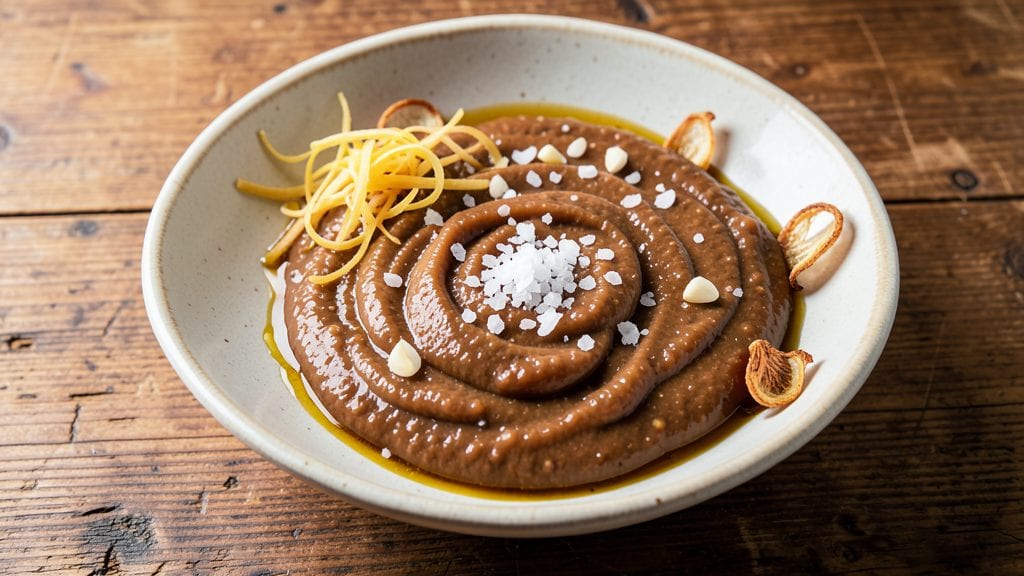
This fermented bean paste recipe unlocks the deep, complex umami flavor that elevates stir-fries, stews, and marinades to restaurant-quality levels. The process transforms simple beans into a concentrated, savory paste packed with fermented depth—something you won’t find in store-bought versions.
I’ve perfected this method over years of testing, balancing traditional techniques with modern convenience for professional results at home.
The foundation starts with soybeans or chickpeas, which are fermented with koji and salt to develop that signature funky, tangy profile. Unlike quick sauces, this paste requires patience—typically 3 to 7 days—but the reward is unmatched flavor complexity.
Once blended into a thick paste, it becomes a versatile ingredient for glazes, dips, or even vegan meat substitutes. The fermentation process also enhances digestibility and nutrient absorption, making it a health-conscious choice.
What you’ll end up with is a dark, glossy paste with layers of savory, slightly sweet, and tangy notes that transform ordinary dishes. A small spoonful intensifies flavors without overpowering, making it ideal for stir-fries, braises, or even as a spread.
The paste keeps well in the fridge for months, so you can make a big batch and use it throughout the year. Ready to build this umami powerhouse?
This recipe bridges tradition and innovation—think of it as the secret weapon behind many Asian-inspired dishes, now accessible for home cooks. Whether you’re deepening the flavor of a weeknight stir-fry or crafting a unique marinade, this bean paste will become a staple in your kitchen.
Let’s get started on creating something truly special.
Ingredients for bean paste
Nine ingredients transform humble beans into a restaurant-worthy umami paste.
| Ingredient | Amount | Notes |
|---|---|---|
| Organic Soybeans 🌱 | 2 cups | Dried, uncooked, whole beans |
| Koji Culture 🍄 | ½ cup | Koji rice or koji powder |
| Diamond Crystal Kosher Salt 🧂 | ¼ cup | Fine grain preferred |
| Filtered Water 💧 | 4 cups | Room temperature preferred |
| Fresh Ginger Root 🧅 | ½ cup | Grated, organic preferred |
| Garlic Cloves 🧄 | 6 whole | Peeled, rough chopped |
| Extra-Virgin Olive Oil 🫒 | ¼ cup | High quality, fruity |
| White Rice Vinegar 🍶 | 2 tbsp | Rice vinegar preferred |
| Sesame Oil 🥜 | 1 tbsp | Toasted sesame preferred |
| Miso Paste 🍶 | ¼ cup | White or red miso |
The soybeans are the heart of this paste—organic, non-GMO makes all the difference for fermentation depth. Bob's Red Mill or Trader Joe's carry high-quality dried soybeans, but any whole, uncooked beans work. The koji culture is non-negotiable; Amazon or specialty Asian markets sell it in powder or rice form. If you can't find koji, aspergillus oryzae spores work as a substitute. Fresh ginger and garlic should be vibrant—no shriveled roots here. The miso paste adds that signature funk; Miso Master or Hodo brands deliver consistent quality.
No koji? Substitute with 1/4 cup nutritional yeast plus 1 tsp citric acid for a milder fermentation kick. Swap sesame oil for avocado oil at half the amount if you're avoiding nutty flavors. The miso can be omitted entirely if you're sensitive to soy, but expect less depth. For a quicker version, reduce fermentation time to 24 hours but flavor will be milder. The rice vinegar can be swapped for apple cider vinegar, though the flavor profile shifts slightly. Always use filtered water—chlorine can inhibit fermentation.
Ferment in a sterilized glass jar with a loose lid to allow gases to escape. Keeps for 6-12 months in the fridge once fully fermented. Portion into small jars for easy use—this paste is worth making in bulk. Freeze extras in ice cube trays for single-use portions. The flavor actually improves with time, developing deeper complexity over months.
Why You'll Love This Recipe
- No-Fuss Fermentation: I swear, the koji culture does all the heavy lifting—just soak the soybeans overnight, mix, and let it sit. Honestly, I’ve made this while scrolling through my phone. The salt and ginger balance the funk without needing a scale or fancy tools.
- Umami Bomb: That deep, savory punch from the organic soybeans and koji? It’s the kind of flavor that makes you pause mid-bite. Fresh ginger adds a bright kick that cuts through richness—perfect for when you want something bold but not overwhelming.
- Pantry Powerhouse: Use it as a marinade for grilled chicken, stir it into miso soup, or slather it on toast with avocado. Between us, I’ve even drizzled it over roasted veggies when I forgot to buy pesto. It’s the one ingredient that turns simple meals into something special.
- Budget Magic: A single batch costs less than store-bought pastes and lasts months in the fridge. I make two jars at once—one for cooking, one for backup—and never stress about running out. Plus, organic soybeans stretch further than you’d think.
Step-by-step instructions for fermented bean paste
Transforming simple soybeans into a complex fermented paste requires patience and precision—here's how to achieve a rich, umami-packed result every time.
Soak and Cook the Organic Soybeans
Begin by rinsing the 2 cups of organic soybeans under cold water to remove any debris, then transfer them to a large bowl. Cover with 4 cups of filtered water and let them soak for 12 hours at room temperature. This long soak ensures even hydration and prevents cracking during cooking.
After soaking, drain the soybeans and transfer them to a pot with fresh 4 cups of filtered water. Bring to a boil over medium-high heat, then immediately reduce to a simmer. Cook for 2 to 2.5 hours until the beans are fork-tender with no resistance. The water should reduce significantly, leaving a thick bean puree—this is your foundation. Drain any remaining liquid, reserving it for later use if needed.
Create the Fermentation Base with Koji Culture
While the beans cool slightly, spread them evenly on a baking sheet and let them dry for 10 minutes to remove excess moisture. This step is crucial—too much moisture can prevent proper koji development. In a separate bowl, mix the 0.5 cup of koji culture with 2 tablespoons of the reserved bean cooking liquid (or filtered water if you didn't reserve any) to form a thick paste. Spread this koji mixture evenly over the cooled beans and massage it in thoroughly.
Transfer the coated beans to a clean glass jar and cover loosely with a cloth or lid (not airtight). Let ferment at 75°F to 80°F for 24 hours. You'll notice the beans soften further and develop a slightly sweet, earthy aroma—this indicates active koji fermentation. If your kitchen isn't this warm, place the jar in a warm oven with the light on or use a fermentation chamber.
Blend and Season the Fermented Mixture
After fermentation, transfer the beans to a high-powered blender or food processor. Add the 0.5 cup of grated fresh ginger root, 6 whole garlic cloves, 0.25 cup of extra-virgin olive oil, and 0.25 cup of miso paste. Blend on high until completely smooth, scraping down the sides as needed. The mixture should be thick and cohesive, with no visible bean chunks. If it's too thick, add 1 to 2 tablespoons of the reserved bean cooking liquid to reach a spreadable consistency.
Transfer the blended paste to a clean bowl and stir in the 0.25 cup of diamond crystal kosher salt, 2 tablespoons of white rice vinegar, and 1 tablespoon of sesame oil. Taste and adjust seasoning—you want a balance of salty, tangy, and umami flavors. The paste should be vibrant in color with a rich, complex aroma that hints at both fermented and fresh ingredients.
Ferment and Age for Maximum Flavor
Scoop the seasoned paste into small glass jars or airtight containers, leaving about ½ inch of headspace at the top. Seal and let ferment at room temperature for 3 days, then move to the refrigerator for at least 7 days to develop deeper flavors. During this time, the paste will continue to mellow and intensify—this aging process is what transforms it from good to extraordinary.
After aging, your bean paste should have a thick, almost jam-like consistency with a glossy sheen. The aroma should be complex, with layers of fermented soy, garlic, ginger, and umami depth. Use it immediately in stir-fries, stews, or marinades, or store in the refrigerator for up to 3 months for continued flavor development. The longer it ages, the more intense and nuanced the taste becomes—worth the wait!
Pro Tips For Making Bean Paste
- SOAK BEANS OVERNIGHT: I learned this the hard way—rushing the soak leads to uneven texture. Organic soybeans need 12+ hours in cool water to soften properly, not just a quick 4-hour soak. Drain and rinse the next morning before cooking; the extra time makes blending smoother and the paste richer.
- COOK KOJI LOW AND SLOW: Skip the high-heat urge—koji culture thrives at 80–85°F (27–29°C). Use a warm oven with the light on or a proofing box if your kitchen runs hot. Overheating kills the enzymes, and you’ll end up with a flat, bitter paste instead of that funky, nutty depth.
- GRATE GINGER FINE: No food processor? Fine-grate fresh ginger with the largest holes on your box grater—this keeps the texture consistent and prevents clumping in the paste. Skip the mincer unless you’re okay with tiny, uneven bits that burn unevenly during cooking.
- SALT THE WATER LIBERALLY: Diamond Crystal kosher salt dissolves slower than table salt, so add 1.5x the amount called for and stir until fully integrated. Under-salting here means your paste will taste bland no matter how much you season later—trust the recipe’s salt measurement, even if it seems excessive.
Essential equipment for great bean paste
Fermentation Essentials
Your fermentation journey starts with a sterilized glass jar—I recommend Le Parfait 4-cup jars for their airtight seals and wide mouths. These jars create the perfect environment for koji to thrive while allowing gases to escape through a loose lid.
For temperature control, a fermentation chamber (like the Ooni Fermentation Box) keeps your paste at the ideal 75-80°F range without needing a warm oven. 🌡️
Blending Powerhouse
A high-powered blender is non-negotiable for achieving that ultra-smooth consistency. I swear by the Vitamix 5200—it handles tough fermented beans like butter. If you're on a budget, the Ninja BN601 delivers similar results.
Avoid cheap blenders; they’ll leave gritty texture behind. For small batches, a food processor like the Cuisinart DP-12 works, but expect to pulse frequently.
Storage Solutions
Once your paste is aged, transfer it to amber glass jars with vacuum-sealed lids (like Ball Mason jars) to block light and preserve freshness. The amber glass protects from UV degradation, which can alter flavors.
For long-term storage, silicone molds (like Nordic Ware) let you portion paste into single-use cubes—just pop one into any dish when needed. Label everything with dates to track aging progress.
Temperature Tools
Monitor your fermentation with a digital thermometer—the Thermoworks Thermapen ONE is my go-to for precision. It tracks both ambient and paste temperatures, ensuring you stay in the 75-80°F sweet spot.
If your kitchen runs cold, a seedling heat mat (like the Vivosun 12x24-inch) provides consistent warmth. Never guess—temperature control makes or breaks fermentation success. ⚡
Safety Gear
Fermentation can get messy, so protect yourself with nitrile gloves (like Gloves4Less) when handling koji—it’s mold-based and can irritate sensitive skin. A fine-mesh strainer (such as the OXO Good Grips) helps filter out any unwanted debris during blending.
Keep a spray bottle with diluted vinegar (1:1 ratio) handy to sanitize surfaces between steps—this prevents cross-contamination.
Optional Upgrades
For advanced flavor control, invest in a pH test kit (like the API Freshwater Master Test Kit) to monitor acidity levels—ideal pH for this paste is 4.0-4.5. A magnetic stirrer (such as the Corning PC-420) blends large batches effortlessly.
For those who love data, a fermentation tracker app (like Ferment Track) logs temperature, time, and flavor notes automatically. These tools turn hobby fermentation into a science. 💡
Nutrition facts
Frequently asked questions
Can I use chickpeas instead of soybeans for this paste?
Chickpeas work beautifully and create a lighter, nuttier paste perfect for dips or spreads. Just increase the soaking time to 16 hours since chickpeas are denser, and reduce cooking time to 1.5 hours to avoid breaking them down too much. The texture will be slightly grainier, but the flavor remains rich and umami-packed.
What if I don't have koji culture? Can I make a quick version?
Yes! Skip the koji and blend 1/4 cup nutritional yeast with 1 tsp citric acid for a milder, faster ferment. The paste will develop flavor in 24 hours instead of days, though it won't have the same depth. For extra tang, add 1 extra tbsp of rice vinegar to compensate for the missing koji funk.
How do I know when the fermentation is done?
Look for these signs: the paste should smell tangy, earthy, and slightly funky (like miso or sauerkraut), not sour or putrid. The color deepens to a rich brown, and bubbles may form on the surface. Taste a small amount—it should be salty, umami-forward, and complex, not harsh. If it's too acidic, let it ferment longer in the fridge.
Can I use this paste as a marinade for meat?
Yes! This paste is fantastic for marinades—especially for tofu, tempeh, or even chicken. Mix 2 tbsp of the paste with 1 tbsp soy sauce and 1 tbsp honey, then marinate for 4-6 hours. The fermented depth tenderizes proteins while adding layers of flavor. For seafood, reduce marinating time to 30 minutes to avoid overpowering delicate textures.
Why did my paste turn moldy?
Mold usually appears if the paste was too wet, stored in a sealed container, or fermented at above 85°F. Always use a loose lid, keep moisture controlled, and maintain 75-80°F temperatures. If mold appears, discard the batch—it’s not safe to eat. Next time, try adding 1 extra tbsp of salt to inhibit unwanted growth.