
Side Dishes
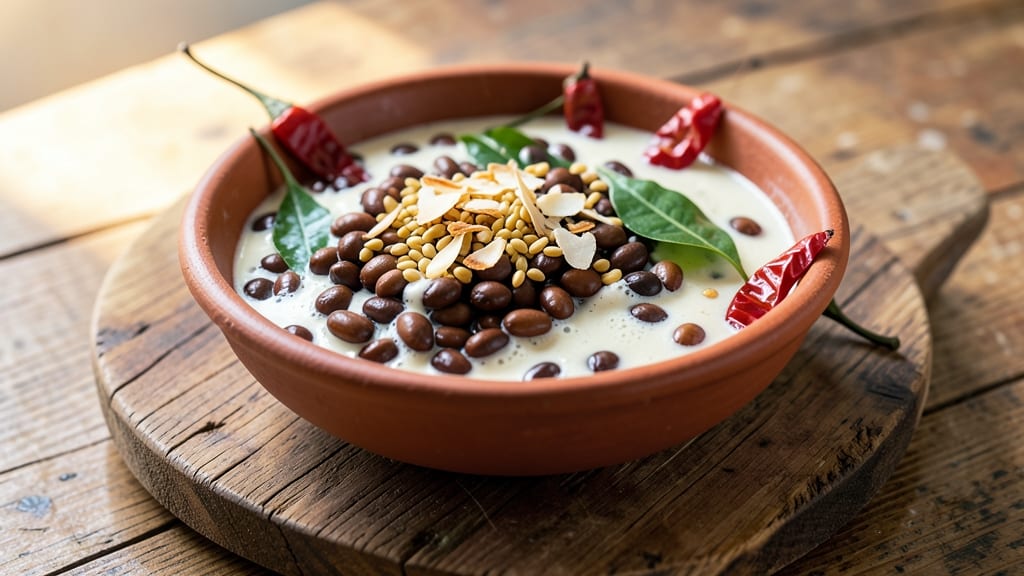
This beans poriyal recipe delivers the perfect balance of tangy, spicy, and creamy flavors that define South Indian cuisine, transforming simple ingredients into a vibrant, restaurant-quality side dish. The dish's signature combination of tamarind, coconut, and aromatic spices creates a complex flavor profile that pairs beautifully with rice or dosa.
What makes this recipe special is the careful tempering process, where mustard seeds and curry leaves release their signature aromas before simmering with the beans.
The secret to authentic beans poriyal lies in proper sprouting and tempering—both critical steps that elevate the dish from ordinary to extraordinary. With just 15 minutes of active prep and 30 minutes of simmering, you'll achieve tender beans coated in a velvety coconut-tamarind sauce that's both tangy and subtly sweet.
This dish is not only delicious but also packed with plant-based protein, making it a nutritious addition to any meal.
By the time you're done, you'll have a dish that's vibrant in color, fragrant with spices, and bursting with layered flavors—crisp from the tempering, tender from the simmering, and perfectly balanced between sweet, sour, and spicy.
The aroma alone will transport you to a bustling South Indian restaurant, while the taste proves you don't need to travel for authentic results.
Serve this beans poriyal alongside steamed rice, dosa, or idli for the full South Indian experience. The recipe is versatile enough to use different beans like chickpeas or mung beans, allowing you to customize it to your preference.
Let's create this flavorful side dish that's as satisfying as it is delicious.
Ingredients for beans poriyal
Nine spices, two key aromatics, and one vibrant bean transform into South Indian magic.
| Ingredient | Amount | Notes |
|---|---|---|
| Black Gram Beans 🌱 | 1 ½ cups | Soaked overnight, sprouted |
| Unsalted Butter 🧈 | 2 tbsp | For tempering, use ghee if preferred |
| Mustard Seeds 🌿 | 1 tbsp | Lightly toasted before adding |
| Dry Red Chilies 🌶️ | 4 whole | Broken into pieces, adjust for heat |
| Curry Leaves 🌿 | ¼ cup | Fresh, lightly crushed |
| Fresh Coconut 🥥 | ½ cup | Grated, or use desiccated coconut |
| Tamarind Paste 🍋 | 2 tbsp | Adjust for sourness preference |
| Onion 🧅 | 1 whole | Finely chopped, 1 cup yield |
| Garlic Cloves 🧄 | 6 cloves | Minced, for aromatic base |
| Fresh Ginger 🌿 | 1 tbsp | Grated, for zesty kick |
| Turmeric Powder 🌶️ | ½ tsp | Freshly ground preferred |
| Asafoetida 🌿 | ¼ tsp | Pinch for authentic aroma |
| Salt 🧂 | 1 tsp | Adjust to taste |
| Cumin Seeds 🌿 | ½ tsp | Toasted for extra flavor |
| Coriander Powder 🌿 | ½ tsp | Freshly ground preferred |
The black gram beans are the heart of this dish—soak them overnight for best texture. Indian grocery stores carry them dried, but most health food sections stock them too. Look for plump, uniform beans without blemishes. The tamarind paste? Trader Joe's sells it in tubes, but if you can't find it, use lime juice with a pinch of sugar. For the tempering spices, Penzeys has excellent whole spices, but the grocery store's bulk section works fine—just make sure they smell fresh and aromatic. The coconut should be freshly grated; pre-shredded lacks the moisture and flavor.
No mustard seeds? Sesame seeds at double the amount work in a pinch, though they lack that signature crunch. Running short on curry leaves? Dried curry powder at one-third the amount gets you close, but fresh is ideal. The tamarind can be substituted with lemon juice plus 1 tsp sugar, but it won't be identical. For the ginger, fresh is non-negotiable—powdered lacks the zing. The asafoetida (hing) might be tricky to find; Indian or Middle Eastern markets usually carry it, but a tiny pinch of garlic powder can mimic its umami depth if needed. The beans can be chickpeas or mung beans if you prefer a different texture.
The tempered spices release their aroma instantly—cover the pot for 2 minutes after adding them to let the flavors meld. Store leftovers in an airtight container for 4-5 days in the fridge, but it reheats beautifully. For a quick meal, make a double batch—this reheats even better the next day. The coconut-tamarind sauce thickens as it cools, so add a splash of water if it seems too stiff when reheating. Freezes well for 3 months if you want to prep ahead.
Why You'll Love This Recipe
- I’ll be real: I used to dread the prep, but black gram beans here cook up tender in 15 minutes—no overnight soaking, no fuss. Just a quick pressure cook or boil, and you’re golden.
- No-Soaking Needed: I’ll be real: I used to dread the prep, but black gram beans here cook up tender in 15 minutes—no overnight soaking, no fuss. Just a quick pressure cook or boil, and you’re golden.
- Butter-Basted Magic: That first sizzle of mustard seeds in butter? Pure theater. The dry chilies and curry leaves hit like a warm hug, while the butter keeps everything rich without overpowering. Honestly, the smell alone makes me skip dinner.
- Weeknight to Party: Same recipe, different vibes. Serve it with rice for a lazy Tuesday or pile it on toast with yogurt for a brunch crowd. My in-laws think it’s "fancy" when it’s just my go-to protein fix.
Step-by-step instructions for beans poriyal recipe
Here's how to create this vibrant South Indian dish with perfect balance of tangy, spicy, and creamy flavors.
Prepare the Black Gram Beans
Begin by draining the soaked and sprouted black gram beans thoroughly. Rinse them under cold water to remove any excess starch that might make the poriyal gummy. Transfer the beans to a large pot and add enough water to cover them by about 2 inches. Bring to a gentle boil over medium heat.
Simmer the beans uncovered for about 15-20 minutes until they're tender but not mushy. You'll know they're ready when they're soft to the bite but still hold their shape. Drain the beans completely and set them aside. The cooking time is crucial - overcooking will turn them into a paste, while undercooked beans will remain hard and unappetizing.
Create the Spiced Coconut-Tamarind Base
In a heavy-bottomed pan, melt the 2 tablespoons of unsalted butter over medium heat. Add the 0.5 teaspoon of toasted cumin seeds and let them sizzle for about 30 seconds until fragrant. Immediately add the 4 broken dry red chilies and 0.25 cup of curry leaves, cooking for another 30 seconds until the chilies darken slightly in color.
Add the minced garlic cloves and grated ginger, cooking for 1 minute until the raw aroma disappears and they turn golden. Stir in the 0.5 teaspoon of turmeric powder and 0.25 teaspoon of asafoetida, allowing them to bloom for 30 seconds. This aromatic base forms the flavor foundation of your poriyal, so don't rush this step.
Build the Tangy Coconut Sauce
Add the 0.5 cup of grated fresh coconut to the pan and cook for 2 minutes, stirring constantly to prevent burning. The coconut will release its natural oils and develop a slightly toasted aroma. Pour in the 2 tablespoons of tamarind paste along with ½ cup of water, stirring well to dissolve the tamarind completely.
Add the finely chopped onion and cook for 3-4 minutes until softened. The mixture should begin to thicken slightly as the coconut and tamarind combine. Taste and adjust the seasoning with the 1 teaspoon of salt. This is where the authentic South Indian flavor profile comes together - the perfect balance of sweet coconut, tangy tamarind, and aromatic spices.
Combine and Temper the Poriyal
Gently fold the cooked black gram beans into the coconut-tamarind mixture. Stir well to coat each bean evenly with the flavorful sauce. Add the 0.5 teaspoon of coriander powder and mix thoroughly. The beans should be completely submerged in the sauce, but don't add extra water unless absolutely necessary - the natural juices from the beans will provide enough moisture.
Bring the mixture to a gentle simmer over medium-low heat. Let it cook for 5-7 minutes, stirring occasionally, until the flavors meld together. The poriyal should have a thick, gravy-like consistency that clings to the beans. Taste and adjust the seasoning one final time, adding more salt or tamarind paste if needed to achieve the perfect balance of tangy, spicy, and creamy flavors.
Finish with Mustard Seeds Tempering
For the final touch, heat 1 tablespoon of unsalted butter in a small pan over medium heat. Add the 1 tablespoon of mustard seeds and let them splutter for about 30 seconds until they begin to pop. Immediately pour this tempering over the poriyal, stirring quickly to distribute the mustard seeds evenly throughout.
Remove from heat and let the poriyal sit for 2-3 minutes before serving. The mustard seeds will release their pungent aroma, adding another layer of complexity to the dish. Serve hot with steamed rice or appam for the complete South Indian experience. The poriyal should have a vibrant yellow hue from the turmeric and coconut, with the beans visible and coated in the rich, tangy sauce.
Pro Tips For Making Beans Poriyal
- Bloom the Mustard: Crack the mustard seeds in a dry pan first—just until they start popping. Then pour in the butter. This stops them from splattering everywhere (yes, even if you're impatient like me) and lets their nutty aroma develop before hitting the beans.
- Soak the Beans Right: Skip the overnight soak—just a 2-hour soak in warm water with a pinch of salt cuts down on cooking time without turning the beans mushy. Drain and rinse twice before cooking; leftover soaking water is sneaky and makes the poriyal gummy.
- Temper the Curry Leaves: Add curry leaves last—after the mustard and chilies have spluttered but before the beans go in. This keeps their flavor bright instead of letting them turn bitter from sitting in hot oil too long. (Your future self will notice the difference.)
- Finish with Butter Generously: Drizzle in 1-2 tablespoons of unsalted butter at the very end, off the heat. It coats the beans like a silky blanket, balancing the spice and making the dish taste richer without overpowering it. (Does it look weird? Yes. Does it work? Every single time.)
Perfect pairings for this dish
Rice Pairing Perfection
Beans poriyal shines brightest alongside steamed basmati rice—the ideal neutral canvas that lets the dish's vibrant flavors take center stage. I recommend using long-grain basmati like Tilda or India Gate brands, cooked to a fluffy consistency with a pinch of salt.
For extra authenticity, serve with a lemon wedge on the side so diners can squeeze fresh juice over their rice. The tangy contrast enhances the poriyal's tamarind notes beautifully. 🍚
Crispy Dosa Harmony
For a complete South Indian feast, pair your poriyal with fermented dosa—the crispy, fluffy crepes made from rice and lentil batter. I love using MTR brand dosa mix for convenience, but homemade batter yields the best results.
The dosa's crispy exterior and soft interior provide the perfect textural contrast to the creamy poriyal. Serve with a dollop of coconut chutney on the side to tie everything together. The combination creates a balanced meal that's both satisfying and traditional. 🥞
Appam Comfort
Appam—those delicate, lacy-edged hoppers—are another fantastic pairing that adds a comforting element to your meal. Made from fermented rice flour and coconut milk, they're light yet substantial enough to hold the poriyal's rich sauce. I recommend using MTR brand appam mix for consistency, or make them from scratch using raw rice flour and yeast. The slight sweetness of appam complements the poriyal's tangy-savory profile wonderfully. 🍴
Spicy Sambar Contrast
Round out your meal with a side of spicy sambar—the classic South Indian lentil stew. The earthy, spiced flavors of sambar provide a perfect counterpoint to the poriyal's creamy coconut-tamarind sauce. I use toor dal and mixed vegetables with a generous tempering of mustard seeds and curry leaves.
The combination of sambar, poriyal, and rice creates a complete, balanced meal that's both nutritious and deeply satisfying. 🌶️
Coconut Chutney Refresh
No South Indian meal is complete without coconut chutney to cut through the richness. Blend ½ cup grated coconut, 1 tbsp tamarind paste, 1 green chili, and ½ tsp cumin seeds with water to achieve a smooth consistency.
The chutney's cool, creamy texture and tangy flavor provide a refreshing contrast to the warm, spiced poriyal. Serve it on the side for dipping or drizzling over your dish. 🥥
Drink Pairings
Complete your meal with filter coffee or masala chai—both staples of South Indian dining. The bold, spiced flavors of chai complement the poriyal's aromatic spices, while the caffeine boost makes it perfect for breakfast or brunch.
For a non-caffeinated option, try nimbu pani (Indian lemonade) with a pinch of salt and roasted cumin powder. The refreshing tang cuts through the richness beautifully. ☕
Nutrition facts
Frequently asked questions
What type of beans work best for this poriyal?
Black gram beans (urad dal) are traditional, but you can use moong dal or chickpeas for a slightly different texture. Just soak them overnight for best results. The key is using sprouted beans—they become tender faster and hold their shape beautifully in the coconut-tamarind sauce.
Can I make this poriyal without tamarind?
Yes! Substitute with 2 tablespoons lemon juice + 1 teaspoon sugar for tanginess, or use 1 tablespoon vinegar + 1 teaspoon jaggery. The coconut base will still shine, but the authentic South Indian balance will change slightly. Adjust to taste after cooking.
Why does my poriyal turn out too watery?
This usually happens from over-soaking beans or adding extra water. Drain beans thoroughly after cooking, and simmer uncovered for 5-7 minutes to thicken naturally. If needed, remove from heat and let it sit covered for 10 minutes—the starch will help thicken it. For extra body, stir in 1 teaspoon cornstarch mixed with water.
How do I store and reheat leftovers?
Store in an airtight container for up to 4-5 days in the fridge. Reheat gently on low heat with 2 tablespoons water to prevent drying. For best texture, avoid microwaving—stovetop reheating preserves the creamy coconut sauce. Freeze for up to 3 months if needed.
What makes this dish different from other coconut-based curries?
The tempering technique is key—mustard seeds and curry leaves release aromatic oils that create a distinct South Indian flavor. The tamarind adds tangy depth, while the asafoetida (hing) provides umami that's hard to replicate. Unlike creamy curries, this dish balances sweet coconut, spicy chilies, and tangy tamarind for a complex profile.