
Main Courses
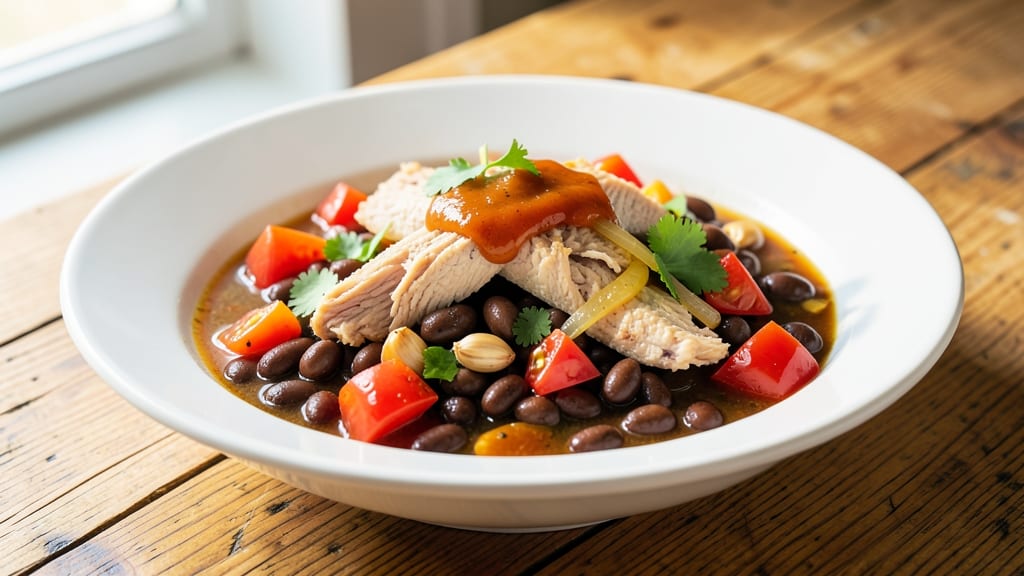
Transforming canned fish and black beans into a hearty, protein-rich meal is easier than you think—this one-pot black bean fish recipe delivers restaurant-quality flavors in just 30 minutes.
The secret lies in balancing the earthy richness of black beans with the briny depth of canned fish, all simmered together into a cohesive, satisfying dish that feels both comforting and modern.
This recipe works with any canned fish—tuna, sardines, or mackerel—and requires minimal prep. You’ll sauté aromatics like garlic and onion, then combine everything in a single pot with spices, broth, and a touch of tomato paste for depth.
The result? A dish that’s foolproof, packed with plant-based and seafood protein, and ready in under an hour.
By the time you’re done, you’ll have a vibrant, flavorful stew with tender black beans, flaked fish, and a sauce that’s rich yet balanced. Serve it over rice for extra heartiness or alongside warm tortillas for a satisfying, handheld meal.
The best part? No leftovers to worry about—this dish is that good.
Perfect for weeknights, meal prep, or even a quick lunch, this recipe proves you don’t need fancy ingredients to create something extraordinary. Let’s get cooking—your taste buds (and protein intake) will thank you.
Ingredients for black bean fish canned
Pantry staples meet canned convenience for a protein-packed, one-pot wonder that’s ready in 30 minutes.
| Ingredient | Amount | Notes |
|---|---|---|
| Canned Black Beans 🫘 | 2 cups | Drained and rinsed thoroughly |
| Canned Tuna in Water 🐟 | 2 cans | 5 oz each, drained well |
| Yellow Onion 🧅 | 1 whole | Diced, medium size |
| Garlic Cloves 🧄 | 3 cloves | Minced, fresh preferred |
| Tomato Paste 🍅 | 2 tbsp | Squeeze tube works best |
| Vegetable Broth 💧 | 1 ½ cups | Low-sodium preferred |
| Lime Juice 🍋 | 2 tbsp | Freshly squeezed |
| Cumin Ground 🌿 | 1 tsp | Toasted for deeper flavor |
| Smoked Paprika 🌶️ | ½ tsp | For subtle smokiness |
| Cayenne Pepper 🔥 | ¼ tsp | Adjust for heat preference |
| Extra-Virgin Olive Oil 🫒 | 2 tbsp | For sautéing aromatics |
| Cilantro Fresh 🌿 | ¼ cup | Chopped, for garnish |
| Sea Salt 🧂 | ¾ tsp | Diamond Crystal preferred |
| Black Pepper 🌶️ | ½ tsp | Freshly ground preferred |
| Canned Diced Tomatoes 🍅 | 1 can | 14.5 oz, fire-roasted preferred |
The canned fish makes this dish effortless—tuna, sardines, or mackerel all work, but tuna is the most accessible. Look for wild-caught options at stores like Whole Foods or Trader Joe's if you want higher quality, but the regular canned stuff from the supermarket aisle is perfectly fine. Black beans? Drained and rinsed is non-negotiable—no one wants mushy beans. For the tomato paste, those little squeeze tubes are a game-changer—they’re mess-free and last forever. The fire-roasted diced tomatoes add depth without extra prep, so grab a Muir Glen can if you’re at the store.
No tuna? Sardines or mackerel bring even more flavor, but they’re pricier. Short on lime juice? Substitute lemon juice at the same amount, or skip it entirely if you’re sensitive to acidity. The smoked paprika is key for that subtle smokiness—if you only have regular paprika, add an extra pinch of cayenne to compensate. For the cilantro, fresh is ideal, but if you’re not a fan, skip it entirely or use parsley instead. The cumin and cayenne can be adjusted to taste—start with less if you’re new to spicy flavors.
This dish tastes even better the next day, so double the batch if you’re feeding a crowd. Keeps for 4-5 days in the fridge, and freezes beautifully for up to 3 months. I like to portion it into containers with a side of rice—just reheat with a splash of water. The fish flakes better when reheated gently, so avoid microwaving. For extra freshness, add a squeeze of lime right before serving.
Why You'll Love This Recipe
- Pantry Magic: I swear by this when my fridge is bare—just open cans and a knife. No fancy prep, no last-minute grocery runs, and still feels like a meal.
- Umami Bomb: That tomato paste and garlic? They turn simple tuna and beans into something rich and layered. Honestly, the first time I tasted it, I thought I’d missed a step.
- Lunchbox Hero: Pack it cold for work or school—holds up better than most salads. My kids actually eat it for lunch, and I’ll take that win any day.
- Budget Win: Feed four for under $8 with cans you already own. Between us, this is how I stretch my grocery money without sacrificing flavor.
Step-by-step instructions for black bean fish canned recipe
Here's how to create a flavorful, protein-rich dish using pantry staples and minimal effort.
Sauté Aromatics in Olive Oil
Heat the 2 tablespoons extra-virgin olive oil in a large, deep skillet or Dutch oven over medium heat. Add the 1 whole yellow onion and cook for 5 minutes until softened and translucent. This foundational step builds flavor through caramelization.
Add the 3 cloves minced garlic and stir for 30 seconds until fragrant. You'll smell the garlic release its pungent aroma—this is when the magic starts. Immediately add the 2 tablespoons tomato paste and cook for another 1 minute, stirring constantly to prevent burning. The paste will darken slightly, deepening the sauce's richness.
Add Spices and Liquids
Pour in the 1 can fire-roasted diced tomatoes (with juices) and stir to combine with the aromatics. Add the 1.5 cups vegetable broth, scraping up any browned bits from the bottom of the pan. These bits, called fond, carry concentrated flavor that will infuse your entire dish.
Next, add the 1 teaspoon ground cumin, 0.5 teaspoon smoked paprika, and 0.25 teaspoon cayenne pepper. Stir well to distribute the spices evenly. Let the mixture simmer gently for 3 minutes until the spices bloom and the liquid begins to reduce slightly. This step develops the complex, layered flavors that make this dish special.
Incorporate Protein and Beans
Add the 2 cups drained black beans and 2 cans drained tuna in water to the skillet. Stir gently to combine with the sauce, ensuring the beans are well-coated. The beans will begin to warm through almost immediately, while the tuna will absorb the surrounding flavors.
Simmer the mixture for 5 minutes over medium-low heat, allowing the flavors to meld together. You'll notice the liquid will thicken slightly as it reduces, creating a cohesive, hearty texture. This is where the dish comes together—each ingredient contributing its unique character to the final bowl.
Finish with Acid and Season
Add the 2 tablespoons freshly squeezed lime juice, 0.75 teaspoon sea salt, and 0.5 teaspoon freshly ground black pepper. Stir well and taste the mixture. The lime juice brightens all the flavors, cutting through the richness of the beans and tuna. Adjust the seasoning if needed—this is your opportunity to perfect the balance of flavors before serving.
Let the dish simmer for an additional 2 minutes to allow the lime juice to fully integrate. The aroma should be vibrant and inviting, with notes of smoky paprika, earthy cumin, and bright citrus. This is your signal that the dish is ready to serve.
Garnish and Serve
Remove the skillet from heat and stir in the 0.25 cup chopped fresh cilantro. The cilantro adds a fresh, herbaceous note that contrasts beautifully with the smoky, spicy, and tangy flavors. Let the dish sit for 1-2 minutes to allow the cilantro to infuse the mixture.
Serve immediately while still warm. The dish should be thick and hearty, with each bite delivering a perfect balance of protein, fiber, and vibrant flavors. This one-pot wonder is ideal for busy weeknights or meal prep—just reheat gently to maintain its texture and flavor.
Pro Tips For Making Black Bean Fish Canned
- Drain and Rinse the Beans: Black beans straight from the can taste like they’ve been swimming in brine—skip the salt bomb later. Drain them, give them a quick rinse under cold water, and pat dry with a towel. This keeps the flavors balanced and stops your dish from tasting like a can of beans exploded in your pot.
- Sauté Onion Until Soft, Not Brown: I used to rush this step and end up with bitter onions. Cook them over medium heat until they’re translucent but still hold their shape—about 5-6 minutes. If you let them brown, you’ll taste it in every bite, and it’ll throw off the clean, bright flavor of the tuna and beans.
- Crush Garlic, Don’t Mince It: Minced garlic burns faster than a toddler with a lighter. Crush the cloves with the flat side of your knife first, then chop them into rough pieces. They’ll release flavor without turning to ash, and your sauce won’t taste like you charred your spices.
- Stir in Tomato Paste Early: Add the tomato paste to the pot before the beans and tuna—let it cook for 2-3 minutes until it darkens slightly. This deepens the flavor and prevents a metallic aftertaste from the canned fish. Trust me, your taste buds will notice the difference.
Essential equipment for this dish
Skillet or Dutch Oven
Your one-pot powerhouse starts with a 10-12 inch cast iron skillet or Dutch oven—I swear by my Lodge 10-inch cast iron for even heat distribution. These heavy-bottomed pans handle the medium heat needed for sautéing onions and garlic without burning.
If you don’t have cast iron, a stainless steel skillet like All-Clad works too, but watch for hot spots. Avoid nonstick—it can’t handle the simmering time without releasing toxins. 🔥
Measuring Tools
Precision matters for this dish, so grab a stainless steel measuring spoons set (like OXO Good Grips) for spices and liquids. A kitchen scale isn’t mandatory, but it’s handy for nailing the 2 cups drained black beans—I often eyeball it, but scales eliminate guesswork.
For the 2 tbsp tomato paste, a squeeze tube (like Muir Glen) makes cleanup effortless. Never use a knife to scoop—it’s messy and inaccurate. 💡
Knife and Cutting Board
A sharp 8-inch chef’s knife (I love Wüsthof) and a cutting board (bamboo or plastic) are essential for dicing the yellow onion and mincing garlic. Dull knives make prep frustrating, so hone your blade before starting.
For the cilantro, a pair of kitchen shears speeds up chopping—just snip the stems and toss them in. Pro tip: Use a microplane to zest lime rind if you want extra brightness. ✨
Wooden Spoon and Tongs
A heat-resistant wooden spoon (like OXO’s silicone-coated version) is your best friend for stirring without scratching the pan. Tongs help flip the tuna flakes evenly if they clump. Avoid metal utensils—they can react with the lime juice and spices, altering flavors.
For serving, I grab a slotted spoon to portion the dish neatly over rice or tortillas. 🍲
Lid for Simmering
While the recipe doesn’t require a lid, having one handy helps control the medium-low heat during simmering. A clear glass lid lets you peek at the sauce’s progress without losing steam. If you’re using a Dutch oven, its tight-fitting lid traps heat efficiently, reducing cook time.
For a skillet, a loose lid works—just prop it open slightly to let excess moisture escape. 💫
Optional: Immersion Blender
For a creamy texture, blend half the dish with an immersion blender (like Ninja) before mixing it back in. This step isn’t required but adds restaurant-quality depth. If you don’t own one, a regular blender works—just transfer a portion to a jar and pulse.
Skip this if you prefer chunky textures, but I find it elevates the dish to new heights. 💪
Nutrition facts
Frequently asked questions
Can I use other canned fish besides tuna?
Sardines or mackerel work beautifully—they add richer, more complex flavors. Just drain them well and flake with a fork before adding. For a milder taste, try light canned tuna instead of albacore.
How do I prevent the black beans from getting mushy?
Rinse the beans thoroughly before using and avoid overcooking. Simmer them for just 5 minutes after adding to the pot. For extra texture, add them to the dish only in the last 3 minutes of cooking.
What are the best sides to serve with this dish?
Warm cilantro-lime rice or corn tortillas complement the flavors perfectly. For a lighter option, try a simple avocado salad or steamed greens. The dish also pairs well with crusty bread for dipping.
Can I make this recipe without fresh lime juice?
Yes! Use lemon juice in a 1:1 ratio, or skip it entirely if you dislike acidity. For a tangy alternative, add 1 teaspoon apple cider vinegar at the end. The dish will still taste great—just slightly less bright.
How long does this dish keep in the fridge?
The recipe stays fresh for 4-5 days when stored in an airtight container. Reheat gently on the stove with a splash of water to maintain texture. It actually tastes better the next day as flavors meld!