
Side Dishes
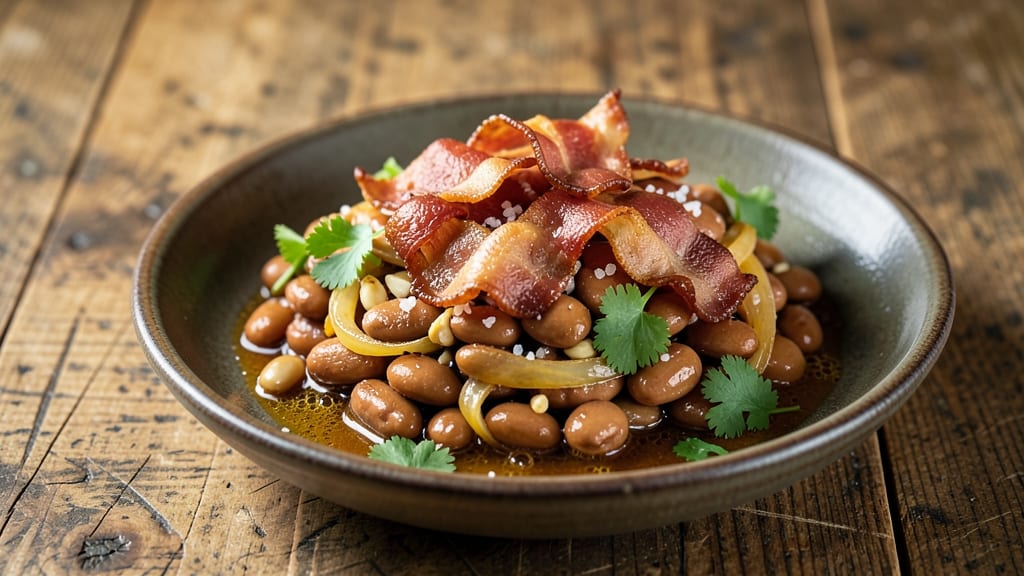
This boracho beans recipe transforms simple pinto beans into a festive, smoky-sweet side dish that steals every Mexican celebration. The secret lies in slow-cooking them with bacon, beer, and vinegar—a tangy, crunchy, and deeply flavorful combination that pairs perfectly with grilled meats.
I first made these for a family gathering, and they disappeared faster than the main dish.
The process starts with soaking the beans overnight to ensure tender texture, then simmering them in a rich broth of bacon, beer, and vinegar—this trio creates that signature "drunken" depth. The bacon adds smoky crunch, while the vinegar brightens the beans with a tangy kiss.
It’s a dish that feels indulgent yet balanced, perfect for holidays or weeknight dinners when you want something special.
By the end, you’ll have beans that are creamy yet firm, infused with layers of flavor from the bacon fat, beer’s maltiness, and vinegar’s sharpness. The result is a side that’s hearty enough to stand alone but elegant enough for festive tables.
Serve it with warm tortillas, grilled chicken, or as a standalone appetizer—every bite is a celebration in itself.
For a modern twist, swap the beer for vegetable broth or use smoked paprika instead of bacon. The traditional method delivers the best flavor, but these adaptations keep it versatile for any kitchen. Let’s get cooking—these beans are worth the wait.
Ingredients for boracho beans
Transform simple dried beans into a festive, smoky-sweet side with these essential ingredients.
| Ingredient | Amount | Notes |
|---|---|---|
| Dried Pinto Beans 🌱 | 2 cups | Unsoaked, quality brand preferred |
| Thick-Cut Bacon 🥓 | ½ lb | Smoked or hickory flavor preferred |
| Light Lager Beer 🍺 | 1 ½ cups | Mexican or pale ale recommended |
| White Vinegar 💧 | ½ cup | Distilled for consistent tang |
| Yellow Onion 🧅 | 1 whole | Medium size, diced |
| Garlic Cloves 🧄 | 4 cloves | Fresh, minced |
| Bay Leaves 🍃 | 2 whole | Dried, standard size |
| Ground Cumin 🌿 | 1 tbsp | Toasted for depth |
| Smoked Paprika 🌶️ | 1 tbsp | High-quality for smokiness |
| Salt 🧂 | 1 ½ tsp | Diamond Crystal preferred |
| Black Peppercorns 🌶️ | ½ tsp | Freshly cracked |
| Fresh Cilantro 🌿 | ¼ cup | Chopped, for garnish |
| Lime Wedges 🍋 | 2 whole | For serving |
| Vegetable Oil 🫒 | 2 tbsp | For initial cooking |
The foundation starts with high-quality dried pinto beans—they should be uniform in size and free of debris. Whole Foods or Mexican markets often carry the best varieties, but any reputable brand works. Soaking overnight ensures even tenderness, but if you're short on time, a quick 2-hour soak in hot water with a pinch of baking soda will do. The thick-cut bacon is non-negotiable; it renders slowly, creating that signature smoky crunch. Look for smoked or hickory-flavored bacon at Costco or local butchers—it adds depth that pre-cubed bacon can't match. The beer should be light and crisp, like a Mexican lager or pale ale, to complement rather than overpower the beans. Modelo Especial or Pacifico are excellent choices, but any light lager will work in a pinch.
No beer on hand? Vegetable broth with a splash of apple cider vinegar mimics the maltiness and acidity beautifully. The white vinegar is crucial for that signature tang—distilled vinegar ensures consistency, but apple cider vinegar adds a subtle sweetness if you prefer. For the aromatics, fresh garlic and onion are ideal, but if you're in a hurry, powdered garlic and onion (used at half the amount) will suffice. The smoked paprika should be high-quality, like Penzeys or Goya, to avoid a bitter aftertaste. If you can't find smoked, regular paprika plus a pinch of liquid smoke works in a bind. The cilantro is purely for garnish, but if you're sensitive to its flavor, fresh parsley is a neutral substitute. For the lime, Mexican key limes add a brighter acidity, but regular limes work perfectly fine.
These beans develop deeper flavor with time, so reheat gently—they’re even better the next day. Store leftovers in an airtight container for up to 5 days in the fridge, or freeze for 3 months by portioning into ziplock bags. To reheat, add a splash of water or beer and simmer until heated through. The bacon bits can be crisped up again in a skillet for extra crunch. For meal prep, double the batch and freeze half—nothing beats serving these straight from the freezer on a chilly evening, especially with warm corn tortillas or grilled chicken thighs. The dish also freezes beautifully with the bacon on top, so you can toast it fresh when serving.
Why You'll Love This Recipe
- Beer-Braised Magic: The beer isn’t just there to flavor—it tenderizes the beans and cuts through the richness of the bacon in the best way. That tangy vinegar kick? It brightens everything, making the beans taste like they’ve been slow-cooked for hours, even if you’re short on time.
- Leftovers That Don’t Suck: Between us, most bean recipes turn into sad, dry mush by day three. Not these. The beer and vinegar keep them juicy, so I make a double batch and eat them for lunch all week. Tacos, rice bowls, or straight from the pot with a spoon—no judgment here.
- Budget Crowd-Pleaser: Thick-cut bacon makes it feel fancy, but a single package stretches to feed four (or five, if someone’s hungry). Pinto beans are dirt cheap, and that light lager? Often cheaper than wine, and way more useful. It’s the kind of dish where I can feed my whole family without stressing over grocery receipts.
Step-by-step instructions for boracho beans
Transform simple pinto beans into a rich, smoky-sweet masterpiece with this precise method.
Parboil and Soak the Dried Pinto Beans
Rinse the 2 cups dried pinto beans thoroughly under cold water to remove any debris. In a large pot, combine the beans with 6 cups of cold water and bring to a boil over high heat. Once boiling vigorously, reduce heat to medium-high and let the beans simmer uncovered for exactly 2 minutes. This brief parboil softens the skins slightly, preventing them from splitting during cooking.
Immediately drain the beans in a colander and transfer them to a large bowl. Cover with cold water by at least 2 inches and let them soak at room temperature for 1 hour. This hydration step ensures even cooking and prevents the beans from becoming mushy. I've found that skipping this soak leads to uneven texture in the final dish.
Render the Bacon and Build the Flavor Base
While the beans soak, heat the 2 tablespoons vegetable oil in a large Dutch oven over medium heat. Add the 0.5 lb thick-cut bacon in a single layer, making sure not to overcrowd the pan. Cook the bacon for 8-10 minutes, stirring occasionally, until it becomes crispy and the fat has rendered out. Use a slotted spoon to remove the bacon and set it aside on paper towels, leaving the rendered fat in the pot.
In the same Dutch oven, add the diced 1 whole yellow onion and cook for 5 minutes until softened. Add the 4 cloves minced garlic and cook for another 30 seconds until fragrant. Sprinkle in the 1 tablespoon ground cumin and 1 tablespoon smoked paprika, stirring constantly for 1 minute to toast the spices and release their aromas. This step develops the complex smoky-sweet flavor profile that defines boracho beans.
Simmer the Beans in Beer and Vinegar
Drain the soaked beans and add them to the Dutch oven along with the 1.5 cups light lager beer, 0.5 cup white vinegar, 1.5 teaspoons salt, and 0.5 teaspoon black peppercorns. Stir well to combine, then add the 2 whole bay leaves. Bring the mixture to a boil over high heat, then immediately reduce heat to low and cover partially. Let the beans simmer gently for 1 hour and 15 minutes, stirring occasionally to prevent sticking.
Here's the thing—you want the beans to absorb the liquid gradually but not dry out. The beer and vinegar combination creates a perfect balance of tangy sweetness and smoky depth. After 45 minutes of simmering, check the beans for doneness by tasting one. They should be tender but still hold their shape with a slight bite. If they're not quite there, continue simmering for another 15 minutes.
Finish with Crispy Bacon and Fresh Garnishes
Once the beans are perfectly tender, increase heat to medium and let the liquid reduce slightly until it coats the back of a spoon. Add the crispy bacon back to the pot and stir to combine. The bacon will crisp up again and infuse the beans with its smoky richness. Taste and adjust seasoning if needed, adding a pinch more salt or a splash of vinegar if necessary.
Remove the bay leaves and transfer the beans to a serving bowl. Garnish with the 0.25 cup chopped fresh cilantro and serve immediately with the 2 whole lime wedges on the side. The contrast of the bright citrus cuts through the rich, smoky-sweet flavors of the beans. I like to serve these with warm corn tortillas or crusty bread to soak up every last bit of the flavorful sauce.
Pro Tips For Making Boracho Beans
- CRACK THE BEANS FIRST: Soak your dried pinto beans overnight in plenty of cold water with a splash of vinegar—this cuts cooking time by half and keeps them from turning mushy. I learned this the hard way after slaving over a pot for 4 hours with beans that still tasted like cardboard.
- SWEAT THE ONIONS LOW: Cook your onions in bacon fat until they’re golden and slightly caramelized—about 10 minutes on medium-low. Rushing this step means your beans will taste flat, not deep and smoky like they should.
- USE FULL-FLAVOR BEER: Skip the lightest lager if you can—opt for a slightly darker, hoppier beer (like a pale ale) for more complexity. The beer’s bitterness balances the beans’ earthiness, and you’ll taste the difference.
- SAVE THE BEER DRIPPINGS: After simmering the beans, don’t pour out the beer—strain it through a fine-mesh sieve into a small pot and reduce it by half. Stir this back into the beans at the end for a richer, more concentrated flavor. (Yes, it’s extra work, but it’s worth it.)
Creative variations of this recipe
Smoky Chipotle Twist
Swap the bacon for 4 slices of smoked bacon and add 2 chipotle peppers in adobo sauce to the simmering beans. The chipotle peppers infuse a deep, smoky heat that pairs beautifully with the beer and vinegar.
I like to blend the adobo sauce with 1 tablespoon of the beer before adding it to the pot for a smoother integration. Garnish with pickled red onions for an extra tangy kick that balances the richness. 🌶️
Vegetarian Version
For a meat-free take, replace the bacon with ½ lb of smoked sausage (like chorizo or vegetarian chorizo) and use vegetable broth instead of beer. Add 1 tablespoon of soy sauce or miso paste to deepen the umami flavor.
I’ve also had great success using mushroom broth for an earthier taste. Top with avocado slices and crumbled cotija cheese for a creamy, satisfying finish. 🌱
Spicy Jalapeño Beer
Infuse the beer with 2 sliced jalapeños and 1 cinnamon stick while simmering for 15 minutes before using it in the recipe. The jalapeños add a bright, spicy heat that cuts through the richness of the beans, while the cinnamon adds a warm, aromatic depth.
Remove the jalapeños and cinnamon stick before adding the beer to the beans. Serve with extra lime wedges to cool the heat. 🔥
Creamy Avocado Mash
For a luxurious twist, mash 1 ripe avocado with ½ cup of the bean broth and a squeeze of lime juice, then stir it into the finished beans. The result is a creamy, velvety texture with a rich, buttery flavor.
Garnish with crumbled queso fresco and extra cilantro for a restaurant-worthy dish. This version is perfect for serving as a main course with warm tortillas. 🥑
Slow-Cooker Adaptation
For hands-off cooking, combine all ingredients in a 6-quart slow cooker and cook on low for 6-8 hours or high for 3-4 hours. The slow cooker enhances the flavors, making the beans even more tender and the broth richer.
I recommend adding the bacon 15 minutes before serving so it stays crispy. This method is ideal for busy days or meal prep—just store leftovers in an airtight container for up to 5 days. ⏰
Tequila-Infused Version
Replace the beer with 1.5 cups of light tequila (like reposado) and add 1 tablespoon of orange zest to the simmering beans. The tequila adds a bold, slightly sweet depth, while the orange zest brightens the dish.
Garnish with orange slices and a sprinkle of tajín for a festive, celebratory touch. This version is perfect for Cinco de Mayo or any Mexican-themed gathering. 🍹
Nutrition facts
Frequently asked questions
Can I use canned beans instead of dried for boracho beans?
While you can use canned beans for convenience, dried beans create the ideal texture—creamy yet firm with that signature bite. If using canned, opt for no-salt-added pinto beans and reduce the beer by ½ cup to maintain balance. Drain and rinse thoroughly to remove excess starch, which can make the beans gummy. For best results, stick with dried beans soaked overnight.
What's the secret to getting the right beer-to-vinegar balance?
The key is starting with a light lager (like Modelo) and using white vinegar for its sharp acidity. The beer provides maltiness while the vinegar cuts through the richness. For a 1:3 ratio (beer to vinegar), taste as you go—add more vinegar if the dish tastes too sweet or more beer if it's overly tangy. The vinegar also helps tenderize the beans during simmering.
Why do some recipes add lard instead of beer?
Traditional Mexican boracho beans often use lard (manteca) instead of beer for a richer, more authentic flavor. Lard creates a deeper, meatier taste that pairs perfectly with the vinegar's tang. If substituting, use ½ cup lard instead of beer and reduce the vinegar slightly (¼ cup) to balance the richness. For a lighter version, use bacon fat instead of regular lard.
How do I prevent the beans from becoming mushy?
Mushy beans usually happen from overcooking or improper soaking. Always parboil dried beans for 2 minutes before soaking, then soak for at least 1 hour. During simmering, maintain a low heat and stir occasionally. Check doneness at 45 minutes—beans should be tender but still hold their shape. If using a slow cooker, opt for low heat for 6-8 hours rather than high.
Can I make boracho beans ahead of time?
These beans taste even better the next day. Store leftovers in an airtight container in the fridge for up to 5 days. Reheat gently on the stove with a splash of water or beer until warmed through. For freezing, portion into ziplock bags and freeze for up to 3 months. To serve, thaw overnight in the fridge and reheat with fresh bacon crisped in a skillet for extra crunch.