
Sauces & Condiments
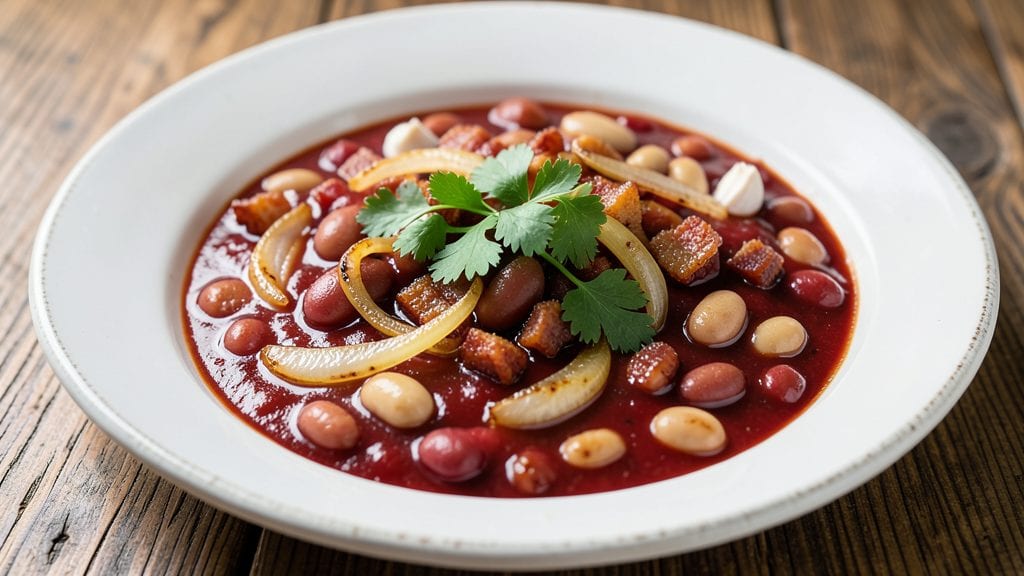
Transforming canned baked beans in tomato sauce into a slow-simmered masterpiece with smoky depth and crispy bacon edges is simpler than you'd expect. This recipe takes pantry staples and elevates them into a hearty, restaurant-worthy side dish that pairs perfectly with grilled meats or crusty bread.
The key lies in balancing the natural sweetness of the beans with savory bacon and aromatic spices for a dish that feels both comforting and refined.
The process begins with crisping bacon in a skillet until the edges turn golden and the fat renders out—this rich, smoky fat becomes the flavor foundation for the entire dish.
From there, it’s just a matter of combining the beans with onions, garlic, and a touch of molasses or brown sugar to deepen the caramelization. The result is a dish that’s tender, slightly sweet, and packed with layers of flavor that develop as it simmers.
What you’ll end up with is a pot of slow-simmered beans that’s rich, smoky, and just thick enough to hold its shape—ideal for serving alongside roasted chicken, pulled pork, or even as a filling for tacos.
The bacon adds a satisfying crunch, while the tomato sauce keeps everything cohesive and flavorful. This recipe proves that even canned ingredients can deliver restaurant-quality results with the right technique.
For added texture, top with fresh herbs like parsley or chives, or serve with a dollop of sour cream for creaminess. Vegetarians can easily skip the bacon and add smoked paprika or liquid smoke for depth.
The possibilities for customization make this dish versatile enough for weeknight dinners or holiday gatherings—all while keeping prep simple and ingredients accessible.
Ingredients for canned baked beans in tomato sauce
Pantry staples meet smoky depth in this vegetarian baked beans transformation.
| Ingredient | Amount | Notes |
|---|---|---|
| Canned Baked Beans in Tomato Sauce 🍲 | 2 cans | 15-ounce cans, drained |
| Vegetarian Bacon Bits 🥓 | 6 oz | Smoky, crispy texture |
| Yellow Onion 🧅 | 1 whole | Diced, medium size |
| Garlic Cloves 🧄 | 3 cloves | Minced, fresh preferred |
| Molasses 🍯 | 2 tbsp | Unsulphured for best flavor |
| Brown Sugar 🍯 | 1 tbsp | Light or dark variety |
| Smoked Paprika 🌶️ | 1 tsp | For smoky depth |
| Ground Black Pepper 🌶️ | ½ tsp | Freshly ground preferred |
| Dried Thyme 🌿 | ½ tsp | Or 1 tsp fresh thyme |
| Vegetable Broth 💧 | ½ cup | Low-sodium preferred |
| Extra-Virgin Olive Oil 🫒 | 1 tbsp | For crisping bacon |
| Fresh Parsley 🌿 | ¼ cup | Chopped, for garnish |
| Lemon Juice 🍋 | 1 tbsp | Freshly squeezed |
| Salt 🧂 | ½ tsp | Adjust to taste |
The vegetarian bacon bits are the game-changer here. Lightly toasted in a dry skillet until crispy, they mimic the smoky crunch of traditional bacon without any meat. Trader Joe's or Whole Foods carry excellent brands like Lightlife or Upton's—look for options with at least 20% protein for that satisfying bite. If you can't find them, smoked tempeh crumbles work surprisingly well. The canned beans should be tomato-based, not sweet—brands like Bush's or Libby's work perfectly. For the molasses, unsulphured is key—it has a cleaner flavor without that chemical aftertaste.
No molasses? Maple syrup at half the amount works in a pinch, though it's sweeter. The brown sugar can be swapped for white sugar, but the molasses adds that deep, caramelized complexity. Fresh thyme is ideal, but dried works at one-third the amount. The vegetable broth matters—low-sodium is a must so you can control the seasoning. For extra smokiness without bacon, add 1/2 tsp liquid smoke or an extra 1/2 tsp smoked paprika. The lemon juice brightens everything—don't skip it, even if it seems small.
This dish reheats beautifully—just add a splash of water or broth to loosen it up. Keeps for 5-6 days in the fridge, though it tastes even better the next day as flavors meld. For make-ahead meals, freeze in 1-cup portions—perfect for lunches or potlucks. The parsley garnish is optional but adds freshness; store it in a damp paper towel in the fridge for up to 5 days. If you're prepping for a crowd, double the batch—it's that good.
Why You'll Love This Recipe
- Pantry Magic: I swear by this one—open a can, dump in a handful of bacon bits and onions, and you’ve got dinner. No chopping, no fuss, just there. The molasses ties it all together with that deep, smoky sweetness without extra effort.
- Umami Bomb: That vegetarian bacon? It’s the star. Crispy, salty, and packed with flavor—way better than the sad stuff you get in cheap canned beans. The garlic and onion caramelize right into the sauce, so every bite has that rich, savory punch.
- Game for Any Meal: Serve it on toast for breakfast, pile it on a burger for lunch, or turn it into a loaded baked potato at dinner. I’ve even used it as a dip for fries—yes, really. It’s that adaptable, and honestly? It never gets old.
- Budget Win: A single can feeds my whole family for two meals, and the ingredients cost less than takeout. Leftovers? They taste just as good reheated the next day—sometimes even better, because the flavors meld overnight. My wallet and my taste buds thank me.
Step-by-step instructions for slow-simmered baked beans
Here's the method for transforming canned beans into rich, smoky-sweet baked beans with crispy bacon.
Sauté the Onion and Bacon Until Golden
Heat the 1 tablespoon extra-virgin olive oil in a large, heavy-bottomed pot over medium heat. Add the 6 ounces vegetarian bacon bits and cook for 3-4 minutes until they begin to crisp and release their smoky aroma. Real talk: don't rush this step—the bacon needs time to develop that satisfying crunch.
Remove the bacon with a slotted spoon and set aside, leaving the rendered fat in the pot. Add the 1 whole yellow onion, diced into ¼-inch pieces, and cook for 5-6 minutes until softened and translucent. Here's the thing—you want the onions to caramelize slightly at the edges, which adds depth to the final flavor. If they start to brown too quickly, reduce the heat slightly.
Add Aromatics and Spices for Depth
Push the onions to one side of the pot and add the 3 cloves garlic cloves, minced. Cook for 30 seconds until fragrant—you'll know it's ready when the kitchen fills with that unmistakable garlic scent. Stir everything together and add the 1 teaspoon smoked paprika, 0.5 teaspoon dried thyme, 0.5 teaspoon ground black pepper, and 0.5 teaspoon salt. Stir well to coat the onions and garlic in the spice mixture.
Cook for another 1 minute until the spices are toasted and aromatic. This step builds the flavor foundation for your beans. If you smell the spices burning, immediately reduce the heat to medium-low—burnt spices will make your beans taste bitter. The goal here is to toast, not char.
Combine All Ingredients and Simmer
Pour in the 0.5 cup vegetable broth and scrape up any browned bits from the bottom of the pot with a wooden spoon. This deglazing step captures all the flavor you've built so far. Add the 2 cans canned baked beans in tomato sauce, 2 tablespoons molasses, and 1 tablespoon brown sugar. Stir everything together until well combined and the beans are evenly coated.
Bring the mixture to a gentle boil, then immediately reduce the heat to low. Here's where patience pays off—let the beans simmer uncovered for 45-50 minutes, stirring occasionally. You're looking for the sauce to thicken and the flavors to meld. If the mixture gets too thick before the time is up, add 1-2 tablespoons water to maintain the right consistency.
Finish with Crispy Bacon and Fresh Herbs
After simmering, return the 6 ounces vegetarian bacon bits to the pot and stir gently to distribute them throughout the beans. Add the 1 tablespoon lemon juice and taste—this brightens the dish and cuts through the sweetness. Adjust the seasoning if needed, adding more salt or a pinch of black pepper if the beans taste flat.
Remove the pot from heat and stir in the 0.25 cup fresh parsley, chopped. The parsley adds a fresh contrast to the rich, smoky-sweet beans. Let the beans sit off the heat for 5 minutes to allow the flavors to settle. Serve warm, straight from the pot, with crusty bread or over mashed potatoes for a hearty meal.
Rest and Serve for Maximum Flavor
For the best texture and flavor, let the baked beans rest for 10 minutes before serving. This allows the sauce to thicken slightly and the flavors to fully develop. The beans should be tender with a thick, glossy sauce that clings to each bite, and the bacon should be crispy throughout.
Here's the moment that matters: the contrast of the crispy bacon against the creamy beans creates the perfect texture combination. If you're serving this at a gathering, I recommend making it ahead and reheating gently on the stove—it only gets better with time as the flavors continue to meld.
Pro Tips For Making Canned Baked Beans In Tomato Sauce
- Sauté Onions Low and Slow: I learned this the hard way—blasting onions on high heat turns them to mush before they caramelize. For this dish, cook them over medium-low for 8-10 minutes until soft but still holding shape, then add garlic just until fragrant (30 seconds max). That sweet, jammy base is what makes the beans sing.
- Toast Bacon Bits First: Skip the pre-cooked shortcut—crisp those vegetarian bacon bits in a dry pan for 2-3 minutes before adding them to the beans. The extra crunch cuts through the sauce’s stickiness, and the smoky flavor integrates better. (Yes, even if you’re impatient like me.)
- Stir in Molasses Last: Add that molasses at the very end, right when the beans are hot but off the heat. Stirring it in too early makes the sauce clump and lose its glossy finish. A splash of water (1-2 tbsp) thinned into the molasses first helps it blend smoothly—no weird sugar lumps.
- Simmer Uncovered for Depth: The canned beans already have sauce, but letting them bubble uncovered for the last 5 minutes drives off the raw tomato acidity and thickens the consistency. Resist the urge to cover—steam turns the sauce watery, and you lose that rich, concentrated flavor.
Troubleshooting your canned baked beans in tomato sauce
Mushy Beans Fix
If your beans turn out mushy, it’s likely from overcooking or using too much liquid. Always start with 2 cans of beans and only add ½ cup vegetable broth—never water. Simmer uncovered on low heat for no more than 45-50 minutes.
If the sauce thickens too much, add 1 tablespoon water at a time. I’ve found that Bush’s or Libby’s brands hold up best during simmering. 💫
Sauce Too Thin?
A thin sauce usually means you didn’t reduce enough liquid or simmered too quickly. After draining the beans, place them in a heavy-bottomed pot and simmer uncovered for 10-15 minutes longer, stirring occasionally.
For extra thickness, mash 1-2 beans with a fork to release starch. If you’re short on time, stir in 1 tablespoon cornstarch mixed with 1 tablespoon water and simmer for 2 minutes.
Bacon Too Soft
Vegetarian bacon bits lose their crunch when submerged in liquid too long. To fix this, crisp the bacon fresh in a dry skillet just before serving—about 2-3 minutes on medium heat.
For extra crunch, toss the cooled beans with 1 teaspoon olive oil and 1 tablespoon crushed potato chips (like Lay’s Classic) before serving. 🥓
Flat or Bland Flavor
If your beans taste bland, it’s likely from skipping the flavor-building steps. Always sauté onions until caramelized and toast spices for 1 minute to release their aromas. For a quick fix, stir in 1 teaspoon soy sauce or ½ teaspoon liquid smoke to deepen the umami.
A pinch of cayenne pepper or ½ teaspoon mustard powder adds brightness.
Tomato Sauce Too Acidic
If the tomato sauce overpowers the dish, balance it with sweetness. Stir in 1 extra tablespoon molasses or ½ teaspoon brown sugar while simmering. A splash of lemon juice (up to 1 tablespoon) also brightens the flavor.
For a smoky touch, add ½ teaspoon smoked salt or an extra ¼ teaspoon smoked paprika.
Preventing Future Issues
To avoid common mistakes, always drain and rinse the beans before adding them to the pot—this removes excess sodium and starch. Use a heavy-bottomed pot (like All-Clad) to prevent scorching.
Taste as you go: adjust sweetness, salt, or acidity in 5-minute intervals during simmering. The key is patience—rushing leads to uneven textures and flavors. ⏱️
Nutrition facts
Frequently asked questions
Can I use sweet canned baked beans instead of tomato sauce?
The recipe is specifically designed for tomato-based canned baked beans—the acidity and depth of tomato sauce balance the sweetness perfectly. If you only have sweet beans, try adding 1 extra tablespoon of molasses and ½ teaspoon smoked paprika to mimic the smoky-sweet profile, but expect a slightly sweeter result.
How do I make this vegetarian without bacon?
Skip the bacon entirely and boost flavor with ½ teaspoon liquid smoke or 1 extra teaspoon smoked paprika. For crunch, add 1 tablespoon crushed potato chips (like Lay’s Classic) or 2 tablespoons toasted breadcrumbs before serving. The molasses and brown sugar will still provide that rich, caramelized depth.
Can I make this in a slow cooker?
Sauté the onions, garlic, and spices in a skillet first, then transfer everything to the slow cooker. Cook on LOW for 4-5 hours or HIGH for 2-3 hours, stirring occasionally. The slow cooker keeps the beans tender without overcooking. Add the bacon bits fresh at the end to maintain crispiness.
What’s the best way to store leftovers?
Let the beans cool completely, then store in an airtight container in the fridge for up to 5-6 days. For freezing, portion into 1-cup servings and freeze for up to 3 months. Thaw overnight in the fridge—never microwave directly from frozen. Reheat gently on the stove with a splash of water or broth.
Why does my sauce get too thin?
Thin sauce usually means the beans weren’t simmered long enough or too much liquid was added. Always use ½ cup broth (not water) and simmer uncovered for 45-50 minutes. For extra thickness, mash 1-2 beans with a fork to release starch or stir in 1 tablespoon cornstarch mixed with 1 tablespoon water at the end.