
Side Dishes
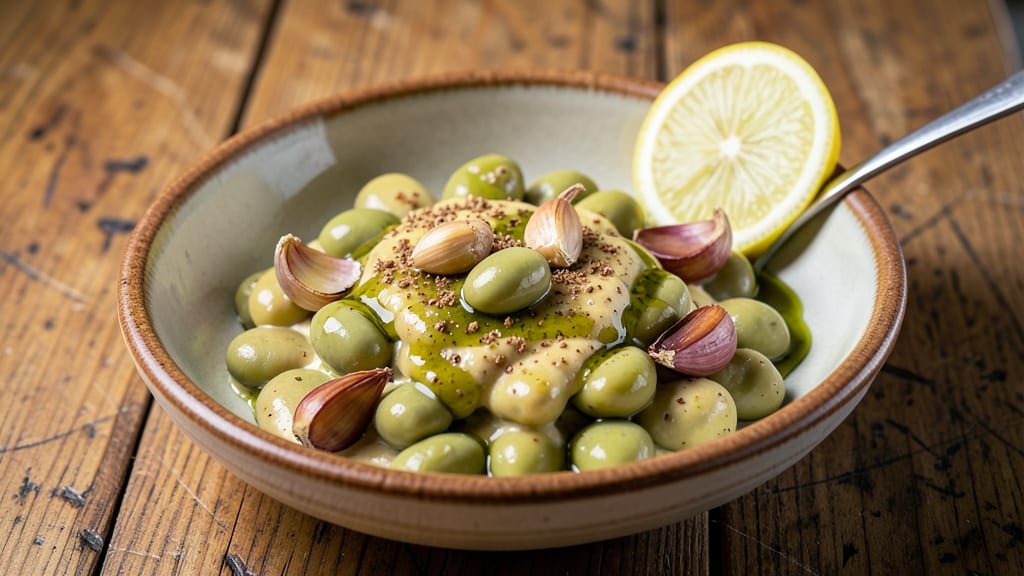
Transforming canned fava beans into this lemon-garlic hummus with crunchy topping is a game-changer for plant-based meals. The creamy texture and bright citrus notes make it perfect for dips, sandwich spreads, or even as a protein-rich salad base.
I developed this recipe after realizing how versatile fava beans can be when blended with tahini and lemon juice.
The key to this hummus lies in the balance of flavors—zesty lemon brightens the earthy fava beans, while garlic and tahini add depth. A crunchy topping of toasted nuts or seeds elevates it from ordinary to extraordinary, giving every bite texture contrast.
This recipe requires just 10 minutes of prep and delivers restaurant-quality results without the fuss.
What you’ll end up with is a velvety hummus that’s tangy, garlicky, and packed with plant-based protein. The crunchy topping adds a satisfying bite, making it ideal for veggie platters, crackers, or even as a sandwich filling. It’s the kind of dish that turns simple ingredients into something truly special.
Use this hummus as a dip, spread, or even a salad topping—its versatility makes it a must-have in any kitchen. The best part? You can make a big batch and store it for up to a week, ensuring you always have a flavorful, protein-rich option on hand.
Ingredients for canned fava beans
Bright, creamy, and packed with plant-based protein—this hummus transforms simple pantry staples into something extraordinary.
| Ingredient | Amount | Notes |
|---|---|---|
| Canned Fava Beans 🌱 | 15 oz | Drained and rinsed thoroughly |
| Tahini 🥜 | ½ cup | Sesame paste, unsweetened |
| Fresh Lemon Juice 🍋 | ⅓ cup | Strained for smooth texture |
| Garlic Cloves 🧄 | 4 cloves | Roasted for mellow sweetness |
| Extra-Virgin Olive Oil 🫒 | ⅓ cup | High-quality, fruity variety |
| Ground Cumin 🌿 | ½ tsp | Toasted for deeper aroma |
| Sea Salt 🧂 | ½ tsp | Fine grain preferred |
| Fresh Cilantro 🌿 | ¼ cup | Stems removed, chopped |
| Toasted Pine Nuts 🥜 | ¼ cup | For crunchy topping |
| Toasted Sesame Seeds 🌾 | 2 tbsp | For nutty crunch |
| Cold Water 💧 | ¼ cup | For blending consistency |
| Chickpeas 🌱 | ½ cup | Rinsed, for extra creaminess |
The fava beans are the star here, so pick a high-quality canned brand—Whole Foods or Trader Joe's carry the best options. Look for brightly colored, plump beans with no off smells. Tahini makes or breaks the texture—Al Yaman or Soom brand are my go-tos for that perfect balance of richness. The garlic needs to be roasted (400°F for 10 minutes) to avoid bitterness, but if you're short on time, raw minced garlic works fine. I always grab extra lemon juice—half goes in the hummus, half gets squeezed over the top for brightness. The chickpeas add creaminess without overpowering the fava flavor, but skip them if you're using a particularly thick canned bean blend.
No tahini? Substitute with 0.25 cup extra olive oil plus 1 tbsp sesame paste—though the texture won't be quite as luscious. Out of pine nuts? Toasted almonds or walnuts work beautifully, but toast them first (350°F for 5-7 minutes) to bring out their flavor. The sesame seeds can be swapped for crushed pistachios or pumpkin seeds if you're avoiding sesame. For extra zing, add a dash of smoked paprika to the blend. The hummus thickens as it sits, so if it's too stiff after blending, add 1 tbsp cold water at a time until it reaches a smooth, spreadable consistency. Trust me, the crunchy topping is worth the extra minute of toasting—it's what takes this from good to restaurant-quality.
This hummus keeps beautifully—5-7 days in an airtight container in the fridge, or 3 months frozen in ice cube trays for single servings. The topping stays crisp for 2 days if stored separately. I always make double batches because it disappears fast—perfect for veggie platters, sandwiches, or even as a protein-rich salad base. For extra flair, drizzle with olive oil and a sprinkle of smoked paprika before serving. The flavors actually improve overnight as everything melds together.
Why You'll Love This Recipe
- No Chopping Needed: I’ll be real—this recipe is my lazy-day hero. The canned fava beans are already peeled and ready, so I’m just mashing them with tahini, lemon, and garlic while the kettle boils. Five minutes of stirring, and dinner’s basically done.
- Tahini Magic: That first bite? Creamy, nutty, and bright all at once. The tahini gives it this rich, velvety texture, while the lemon cuts through it like a fresh breeze—especially when I drizzle extra olive oil right on top. It’s the kind of flavor that makes you pause mid-bite.
- Meal Prep MVP: I make a big batch on Sundays and keep it in the fridge for the week. Works as a dip with pita, a spread on toast, or even a quick salad topper. Honestly, I’ve eaten it cold, warm, and room temp—still delicious every time.
- Budget-Friendly Luxury: Canned fava beans and tahini are cheap staples that taste like you spent hours in the kitchen. I’ve fed four people for under $10 with this, and the leftovers? Just as good the next day. No waste, no fuss—just good food.
Step-by-step instructions for lemon-garlic hummus with crunchy topping
This hummus comes together faster than you'd expect—creamy, bright, and packed with texture.
Roast the Garlic for Sweet Depth
Preheat your oven to 375°F and place the 4 cloves garlic cloves on a parchment-lined baking sheet. Drizzle lightly with extra-virgin olive oil (just enough to coat) and sprinkle with a pinch of sea salt. Roast for 15-20 minutes until golden and fragrant—you'll know it's perfect when the aroma fills your kitchen.
Roasting mellows the garlic's sharpness and brings out its natural sweetness, which balances the lemon beautifully. Let the cloves cool slightly before peeling, then squeeze the flesh into a small bowl and set aside. This step makes all the difference in flavor complexity.
Blend the Base Ingredients
In a high-powered blender, combine the 15 oz drained and rinsed canned fava beans, 0.5 cup tahini, 0.33 cup fresh lemon juice, 0.33 cup extra-virgin olive oil, 0.5 tsp ground cumin, and 0.5 tsp sea salt. Add the roasted garlic and 0.25 cup cold water to help emulsify everything smoothly.
Blend on high for 1-2 minutes, scraping down the sides as needed, until completely smooth. The mixture should be thick but pourable—if it's too stiff, add 1 tablespoon cold water at a time until it reaches the right consistency. Taste and adjust seasoning; you might need a touch more lemon juice or salt to balance the flavors.
Fold in Fresh Cilantro and Chickpeas
Transfer the hummus to a serving bowl and gently fold in the 0.25 cup chopped fresh cilantro and 0.5 cup rinsed chickpeas using a rubber spatula. The chickpeas add extra creaminess and texture, while the cilantro brightens the flavor. Stir just until combined—don't overmix, or you'll break down the chickpeas too much.
This is where the hummus gets its signature texture. The chickpeas add bite, and the cilantro keeps the dish fresh. Cover the bowl and refrigerate for at least 30 minutes to let the flavors meld—this step ensures a cohesive taste in every bite.
Toast the Topping Components
In a dry skillet over medium heat, toast the 0.25 cup toasted pine nuts and 2 tbsp toasted sesame seeds for 2-3 minutes, stirring constantly, until golden and fragrant. Watch closely—they burn quickly! Transfer to a small plate and let cool slightly.
This topping is the star of the dish. The pine nuts add crunch, while the sesame seeds bring a nutty depth. Toasting them fresh ensures maximum flavor, and their contrast with the creamy hummus makes every bite exciting. Keep them separate until serving to maintain their crispness.
Serve With Style
Spoon the chilled hummus onto a platter and drizzle with an extra 1 tablespoon extra-virgin olive oil for shine. Sprinkle the toasted pine nuts and sesame seeds evenly over the top, pressing down gently so they stick. Serve immediately with warm pita bread, veggie sticks, or crusty bread for dipping.
The hummus should be silky smooth with a vibrant lemon-garlic flavor, while the topping adds a satisfying crunch. If it thickens after chilling, stir in 1 tablespoon cold water to loosen it. This hummus keeps well in the fridge for 3-4 days, making it perfect for meal prep.
Pro Tips For Making Canned Fava Beans
- Drain, Rinse, Repeat: Canned fava beans come packed in salty brine—skip rinsing, and your tahini-lemon sauce will taste like a sad, briny afterthought. Drain them first, then give them a quick cold-water rinse to cut the salt. Trust me, the flavor balance will thank you.
- Toast the Tahini: Warm your tahini in a small saucepan over low heat for 2-3 minutes—just until it smells nutty and fragrant. Cold tahini mixes like glue; heated tahini emulsifies better with olive oil and lemon. (Yes, even if you’re impatient like me.)
- Mash, Don’t Blend: Smash the fava beans with a fork or potato masher instead of pureeing them. You want texture—tiny chunks hold up better in the dish and give each bite a satisfying bite. Over-blending turns them into mush, and nobody wants that.
- Lemon First, Oil Last: Add the lemon juice before the olive oil when mixing—it prevents the tahini from curdling. Stir in the oil last, a drizzle at a time, until you hit that creamy, almost mayo-like consistency. (If it splits, a splash of warm water fixes it.)
Regional styles of this recipe
Middle Eastern Twist
In countries like Lebanon and Syria, fava beans are a staple in ful medames, a breakfast dish where mashed beans are simmered with garlic, cumin, and olive oil.
For a regional twist, blend your hummus with 1 tbsp harissa paste and top with crumbled za'atar and toasted pomegranate seeds. Serve with warm pita bread and a side of pickled turnips for that authentic Middle Eastern touch. 🌿
Greek-Inspired Adaptation
Greece loves its fava dip, often served with grilled meats or crusty bread. Swap the lemon juice for ½ cup orange juice and add 1 tsp dried oregano to the blend.
Garnish with kalamata olives and a drizzle of olive oil. This version pairs perfectly with grilled halloumi cheese or roasted eggplant. The citrusy, herby notes make it a standout appetizer.
Mediterranean Salad Base
Transform your hummus into a salad dressing by thinning it with ¼ cup cold water and 2 tbsp red wine vinegar. Toss with mixed greens, cherry tomatoes, cucumber slices, and crumbled feta.
The creamy fava beans add protein and richness, while the acidity keeps the dish fresh. Perfect for a light lunch or as a side for grilled fish. 🥗
North African Spiced Version
For a bold flavor profile, blend in ½ tsp ground coriander and ¼ tsp cinnamon with the base ingredients. Top with toasted cumin seeds and a sprinkle of crumbled mint.
This Moroccan-inspired twist works beautifully with warm flatbread or as a dip for roasted vegetable skewers. The warm spices add depth, making it a hearty and aromatic dish.
Crispy Fava Bean Crostini
Spread your hummus on toasted baguette slices and top with thinly sliced roasted red peppers, crumbled goat cheese, and a sprinkle of flaky sea salt.
Broil for 2-3 minutes** until the cheese melts slightly. This Italian-inspired appetizer turns your hummus into a showstopping bite-sized dish, perfect for parties or game day. 🍽️
Nutrition facts
Frequently asked questions
Can I use dried fava beans instead of canned?
While possible, dried fava beans require extensive soaking (12 hours) and cooking (1-2 hours) to soften properly. Canned beans save time and ensure consistent texture—ideal for this recipe. If you prefer dried, soak them overnight, then pressure cook for 45 minutes until fork-tender. The flavor will be similar, but the texture may be slightly grainier.
Why does my hummus turn out too thick?
This usually happens if the beans aren't fully drained or if the blend lacks enough liquid. Start with 0.25 cup cold water in the blender, then add 1 tablespoon at a time until smooth. For extra insurance, chill the hummus for 30 minutes before serving—it thickens as it cools. If it's still too stiff, stir in 1-2 teaspoons water or lemon juice to loosen it.
How do I store leftover hummus?
Transfer to an airtight container and refrigerate for up to 5-7 days. The topping stays crisp for 2 days if stored separately. For longer storage, freeze the hummus in ice cube trays (thaw overnight in the fridge). To revive texture, stir in 1 teaspoon water or olive oil after thawing. The flavors actually improve overnight!
Can I make this gluten-free?
This recipe is naturally gluten-free, but check your tahini and pine nuts for cross-contamination warnings. Serve with gluten-free crackers, veggie sticks, or fresh fruit like apple slices. For extra protein, add ¼ cup chickpea flour to the blend—it thickens beautifully and adds a nutty depth. Always verify all ingredients for GF certification if needed.
What’s the best way to reheat hummus?
Hummus isn’t meant to be reheated—it’s best served cold or at room temperature. If you must warm it slightly (e.g., for crostini), microwave for 10-15 seconds in 15-second bursts, stirring between each. For the topping, toast fresh before serving to restore crunch. The texture and flavor degrade with heat, so enjoy it fresh whenever possible.