
Side Dishes
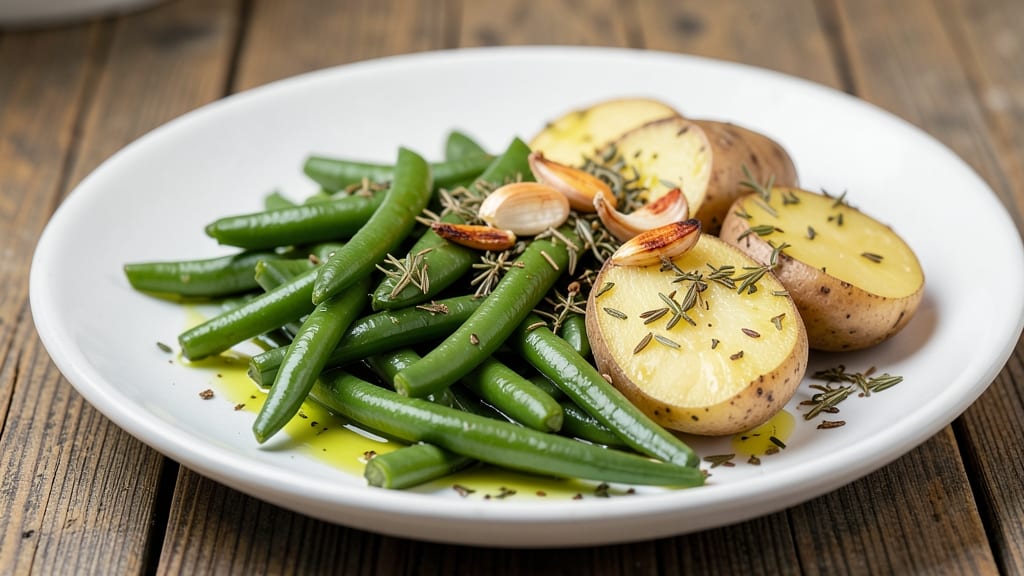
Transforming canned green beans and potatoes into a flavorful one-pot dish is simpler than you think, and this garlic-herb recipe delivers restaurant-quality sides with minimal effort.
The magic lies in combining pantry staples with fresh aromatics—garlic, herbs, and a touch of acidity—to create a dish that’s vibrant, satisfying, and ready in under 30 minutes.
I developed this method after realizing how often canned vegetables get overlooked in favor of fresh, yet they hold their own when seasoned properly.
This recipe works perfectly as a standalone side or a hearty accompaniment to grilled meats, roasted chicken, or even fish. The key is balancing the natural flavors of the canned vegetables with bold seasonings—garlic, dried herbs, and a splash of vinegar or lemon juice—to brighten the dish without overpowering it.
The one-pot approach means less cleanup, and the result is a dish that’s tender, aromatic, and packed with layers of flavor.
By the time you’re done, you’ll have a pot of golden, herb-infused potatoes and green beans that are tender yet still hold their shape, all coated in a savory garlic-herb sauce. The aroma alone will have everyone at the table asking for seconds.
This method is foolproof, adaptable, and perfect for busy weeknights when you want something hearty but don’t have time to fuss over fresh ingredients.
Whether you’re feeding a family or prepping for a meal, this recipe scales easily and keeps well in the fridge for up to 3 days, making it a go-to for quick, flavorful sides. Ready to turn pantry staples into a standout dish? Let’s get started.
Ingredients for canned green beans and canned potatoes
Pantry staples meet bold seasonings—minimal effort, maximum flavor in one pot.
| Ingredient | Amount | Notes |
|---|---|---|
| Canned Green Beans 🌿 | 15 oz | Drained, liquid reserved |
| Canned Baby Potatoes 🥔 | 15 oz | Drained, halved if large |
| Garlic Cloves 🧄 | 4 cloves | Minced, fresh or jarred |
| Dried Thyme 🌿 | 1 tsp | Or 1 tbsp fresh thyme |
| Dried Rosemary 🍃 | ½ tsp | Crushed between fingers |
| Dried Parsley 🌿 | ½ tsp | Or 1 tbsp fresh chopped |
| White Wine Vinegar 🍋 | 2 tbsp | Or lemon juice |
| Extra-Virgin Olive Oil 🫒 | 2 tbsp | For richness and flavor |
| Salt 🧂 | ¾ tsp | Kosher or sea salt |
| Black Pepper 🌶️ | ½ tsp | Freshly ground preferred |
| Butter 🧈 | 1 tbsp | Unsalted, for richness |
| Chicken Broth 💧 | ½ cup | Low-sodium preferred |
| Fresh Lemon Juice 🍋 | 1 tbsp | Optional, for brightness |
The canned vegetables are the foundation, so choose brands with minimal sodium—look for labels like Green Giant or Del Monte with the 'no salt added' designation. Fresh garlic is ideal, but jarred minced garlic works in a pinch (just drain it well). For dried herbs, Penzeys or bulk bins at Whole Foods offer the most potent options—crush the rosemary between your fingers to release its aroma. The white wine vinegar adds brightness; if you don’t have it, lemon juice is a perfect swap, though it’s slightly sweeter. Extra-virgin olive oil matters here—California Olive Ranch or Bertolli are reliable choices for a fruity, peppery kick.
No thyme? Dried oregano at half the amount works in a bind, though it’ll lack the earthy depth. Short on fresh lemon juice? White vinegar or apple cider vinegar both brighten the dish, but taste first—vinegar can be sharp. The butter adds richness, but olive oil can substitute if you’re watching dairy (just reduce the olive oil by 1 tbsp to balance). For a vegetarian version, swap chicken broth for vegetable broth—just ensure it’s low-sodium to avoid over-salting. The potatoes should be halved if they’re large; red or Yukon Gold potatoes hold their shape best when canned, but any variety will work.
This dish reheats beautifully—cover and simmer on low for 5 minutes to restore its moisture. Store leftovers in an airtight container in the fridge for up to 3 days, though the flavors peak within the first 24 hours. For meal prep, portion into glass containers—it reheats even better the next day. Freezing isn’t ideal due to the potatoes’ texture, but if you must, blanch the veggies first and freeze for up to 2 months. The garlic-herb sauce clings to everything, so a sprinkle of extra parsley before serving adds freshness.
Why You'll Love This Recipe
- No-Chop Nightmare Buster: I swear by this when I’m too tired to even think about peeling potatoes. Just drain, toss with garlic and herbs, and bake—no knife skills required.
- Garlic-Herb Magic: That crispy little edge on the potatoes? The thyme and rosemary clinging to the beans? It’s the kind of flavor that makes you pause mid-bite, like, “Wait, this is actually good.”
- Lunchbox Army: Between us, this is my go-to for meal prep. Cold or warm, it’s the same reliable side—pack it for work, toss it in a thermos, or serve it at potlucks without stress.
- Pantry Goldmine: I keep cans of these year-round because they’re my budget lifeline. When fresh veggies cost an arm and leg, this recipe turns $3 cans into a dish that feels fancy. (Yes, even on a Tuesday night.)
Step-by-step instructions for one-pot garlic-herb green beans and potatoes
This method delivers a flavorful, one-pot dish with minimal cleanup and maximum taste.
Sauté Garlic and Herbs in Olive Oil
Heat the 2 tablespoons extra-virgin olive oil in a large skillet or deep sauté pan over medium heat. Add the 4 minced garlic cloves and cook for 1 minute until fragrant—you'll smell the aroma immediately. This is the foundation of your dish's flavor.
Next, add the 1 teaspoon dried thyme, ½ teaspoon dried rosemary, and ½ teaspoon dried parsley. Stir constantly for 30 seconds until the herbs release their oils and the mixture becomes aromatic. I always crush the rosemary between my fingers first to release its flavor—this makes a noticeable difference. Remove the pan from heat for now; we'll return to it shortly.
Combine Potatoes and Green Beans in One Pot
Return the pan to medium heat and add the 1 tablespoon butter. Let it melt completely, then stir in the 15 ounces drained canned baby potatoes and 15 ounces drained canned green beans. You want to coat everything evenly with the butter and oil mixture.
Pour in the ½ cup chicken broth and 2 tablespoons white wine vinegar. The vinegar adds brightness that balances the richness of the butter and potatoes. Bring the mixture to a gentle simmer, then reduce heat to low. Cover the pan with a lid and let it cook for 10 minutes, stirring occasionally. This allows the potatoes to soften slightly while absorbing all the flavors.
Season and Simmer to Perfection
Uncover the pan and increase heat to medium-low. Add the ¾ teaspoon salt and ½ teaspoon black pepper, stirring well to distribute evenly. The potatoes should begin to develop a slight golden color at the edges—this indicates they're absorbing the flavors.
Continue cooking uncovered for 8-10 minutes, stirring occasionally, until the potatoes are tender and the green beans are heated through. You'll know it's ready when the mixture has a slightly thickened consistency and the potatoes are fork-tender. If it looks too dry, add 1-2 tablespoons water to maintain moisture.
Finish with Lemon Juice and Serve
Remove the pan from heat and stir in the 1 tablespoon fresh lemon juice. This final touch brightens the dish and cuts through the richness of the butter. Taste and adjust seasoning if needed—sometimes the dried herbs need a bit more salt to balance their earthiness.
Let the dish rest for 2-3 minutes before serving. This resting time allows the flavors to meld completely. Serve immediately over crusty bread or with a simple protein like grilled chicken. The one-pot method keeps everything warm and ensures every bite is packed with garlic-herb flavor.
Pro Tips For Making Canned Green Beans And Canned Potatoes
- Drain and Rinse Right: Canned beans and potatoes come packed in liquid—some salty, some briny. Dump them in a colander, give them a quick cold-water rinse, and shake off the excess. This cuts down on weird aftertastes and lets your herbs and garlic actually shine.
- Crush Garlic, Don’t Mince: I used to mince garlic for this dish, but crushed cloves (just smash them with the flat side of your knife) release more flavor without turning bitter. Toss them in raw—no need to cook first—and let them mingle with the potatoes while they warm through.
- Start Potatoes Cold: Toss the canned potatoes in your pan before heating it. Cold potatoes absorb heat slower, so they cook evenly instead of turning mushy on the edges while staying raw in the center. Add the beans later—they’ll warm up faster and stay bright green.
- Toast the Herbs First: Sprinkle thyme and rosemary over dry potatoes in the pan for 30 seconds before adding oil. The leaves crisp slightly, deepening their flavor—no need to burn them, just let them smell amazing. Then pour in the oil and beans; the aroma locks in instantly.
Pro cooking tips for this dish
Garlic Sauté Mastery
Garlic is the star of this dish, and cooking it properly makes all the difference. Sauté the 4 minced garlic cloves in 2 tbsp extra-virgin olive oil over medium heat for exactly 1 minute—any longer risks burning, which turns bitter.
I use California Olive Ranch oil for its fruity depth, but any high-quality brand works. Crush the garlic cloves with the flat side of your knife first to release their juices—this maximizes flavor. 🧄
Herb Infusion Technique
The dried herbs need time to bloom, so add them to the garlic and stir constantly for 30 seconds over medium heat. Focus on the ½ tsp crushed rosemary—this step releases its piney aroma.
Remove from heat immediately after to prevent burning. For extra potency, toast the herbs in the dry pan for 10 seconds before adding oil, but watch closely to avoid scorching.
One-Pot Moisture Control
After adding the potatoes and green beans, maintain a gentle simmer with the lid on for 10 minutes. If the mixture reduces too quickly, add 1-2 tbsp water to prevent sticking. The key is keeping the heat at low—too high causes the potatoes to toughen.
I use a 12-inch cast-iron skillet from Lodge because it distributes heat evenly and retains moisture better than nonstick.
Acid Balance Trick
The 2 tbsp white wine vinegar brightens the dish, but timing matters. Add it with the broth at the start to let the acidity mellow into the flavors. If your dish tastes too sharp, finish with 1 tbsp lemon juice—this adds freshness without overpowering.
For a tangier profile, increase vinegar to 3 tbsp and reduce broth by 1 tbsp.
Potato Tenderness Test
Potatoes should be fork-tender but still hold their shape—no mushiness! Test by piercing the largest potato with a fork. If it slides in easily, they're ready. Overcooking releases starch and makes the dish gluey.
For extra tenderness, add ½ cup water with the broth and simmer uncovered for 5 minutes after the initial 10 minutes of covered cooking.
Resting for Flavor Fusion
Let the dish rest for 2-3 minutes off heat before serving. This allows the garlic-herb sauce to coat every potato and bean evenly. Skipping this step means the first bite will be dry, while subsequent bites will be flavorful.
I cover the pan loosely with a lid during resting to retain heat. Serve immediately for the best texture and flavor meld. ✨
Nutrition facts
Frequently asked questions
Can I use frozen green beans instead of canned?
Frozen green beans work perfectly in this recipe. Just thaw them first by soaking in cold water for 5-10 minutes or microwaving for 1-2 minutes before adding to the pan. They'll release less moisture than canned, so you may need 1 extra tablespoon of broth to maintain the same consistency.
What if my potatoes turn mushy?
Mushy potatoes usually mean overcooking or too much liquid. For this recipe, keep the heat at low-medium and stir occasionally to prevent sticking. If using larger potatoes, halve them first and reduce cooking time by 2-3 minutes. The dish should have a slightly thickened sauce, not a watery one.
Can I make this dish ahead of time?
Yes, but with a few adjustments. Cook the dish as directed, then let it cool completely before storing in an airtight container in the fridge for up to 3 days. Reheat gently on the stove with 1 tablespoon of water or broth to restore moisture. For best texture, reheat only what you need and serve immediately.
What's the best way to reheat leftovers?
Reheat leftovers in a skillet over low heat with 1 tablespoon of olive oil or butter to prevent drying. Cover with a lid and stir occasionally for 3-5 minutes until warmed through. Avoid microwaving—it makes the potatoes rubbery. For extra flavor, add a splash of lemon juice or a pinch of fresh herbs when reheating.
Can I make this dish vegetarian?
Certainly! Simply swap the chicken broth for vegetable broth and use vegetable oil instead of butter if preferred. The dish remains hearty and flavorful. For extra protein, stir in ½ cup cooked chickpeas or ¼ cup nutritional yeast at the end. The garlic-herb seasoning works beautifully with plant-based ingredients.