
Side Dishes
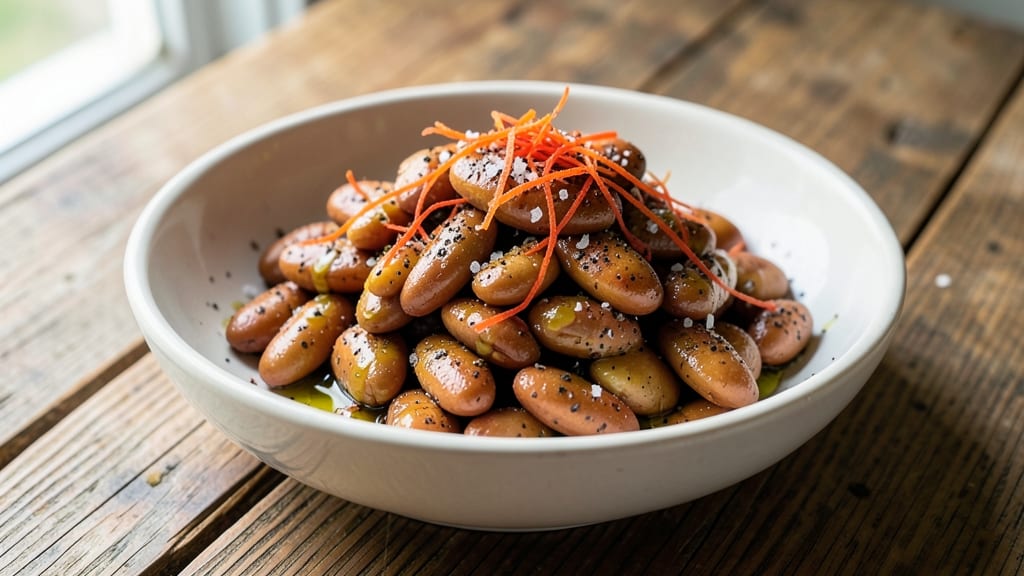
Transforming canned lupini beans into a Mediterranean crunch takes just 15 minutes—no soaking, no peeling, and no fuss. These underrated legumes deliver a satisfying, nutty texture that rivals roasted chickpeas or edamame, yet they remain overlooked in most kitchens.
I discovered their potential while searching for plant-based alternatives to crispy appetizers, and the results were game-changing.
The secret lies in the seasoning: a balance of lemon zest, garlic powder, and smoked paprika creates a bright, aromatic crust that clings to the beans' naturally firm texture. Unlike other legumes, lupini beans hold their shape beautifully when roasted, offering a satisfying crunch without turning mushy.
This dish is vegan, gluten-free, and packed with protein, making it a standout side for any meal.
By the end, you'll have a golden, crispy tray of lupini beans that taste like a Mediterranean vacation in every bite. The lemon brightens their earthy flavor, while the garlic and paprika add depth that lingers.
Perfect for snacking, salads, or as a topping for grain bowls, this recipe proves you don’t need fancy ingredients to create restaurant-worthy crunch.
Ready in 15 minutes, this dish requires just five ingredients and one pan—ideal for weeknight dinners or meal prep. The best part? Leftovers stay crispy for days when stored properly. Let’s bring lupini beans to the spotlight.
Ingredients for canned lupini beans
Five ingredients transform canned lupini beans into Mediterranean crunch perfection in record time.
| Ingredient | Amount | Notes |
|---|---|---|
| Canned Lupini Beans 🌱 | 15 oz | Drained and patted very dry |
| Extra-Virgin Olive Oil 🫒 | 2 tbsp | Lightly toasted for depth |
| Lemon Zest 🍋 | 1 tbsp | Freshly grated from organic lemon |
| Garlic Powder 🧄 | 1 tsp | Freshly ground preferred |
| Smoked Paprika 🌶️ | 1 tsp | High-quality Spanish smoked |
| Diamond Crystal Kosher Salt 🧂 | ½ tsp | Fine grain for even coating |
| Fresh Lemon Juice 🍋 | 1 tbsp | Balances the roasted flavor |
| Fresh Rosemary 🌿 | ¼ tsp | Finely chopped, optional garnish |
The quality of lupini beans makes all the difference. Look for brands like Mediterranean Pantry or Italian Specialties in the international aisle of major grocery stores like Whole Foods Market or Kroger. The beans should be firm, not mushy, and packed in water—not oil. Trader Joe's often carries them as well, and their quality is consistently reliable. If you can't find canned lupini beans, dried lupini beans can be soaked overnight and drained, but they require more prep time. The key is ensuring they're thoroughly dried before roasting—any moisture will prevent crispiness. For best results, use the beans within 2-3 days of opening the can, as they oxidize quickly.
No smoked paprika? Substitute with a mix of sweet paprika and a pinch of liquid smoke—it won't be identical, but it works in a pinch. Fresh rosemary is ideal, but dried rosemary at one-third the amount will suffice if you're short on time. The lemon zest and juice are non-negotiable for that bright Mediterranean tang, but if you're out of lemons, lime zest and juice will work. For extra crunch, toss the beans with 1 tbsp nutritional yeast after roasting—it adds a cheesy, umami depth that pairs perfectly. The garlic powder can be swapped for 1/4 tsp onion powder plus 1/4 tsp garlic powder if you prefer a milder flavor. And if you're concerned about sodium, reduce the kosher salt to 1/4 tsp and boost the lemon juice to 1.5 tbsp.
Roasted lupini beans stay crispy for up to 5 days when stored in an airtight container at room temperature, but for maximum freshness, refrigerate them in a sealed container for up to 1 week. To revive stale beans, toss them with 1 tsp extra-virgin olive oil and reheat at 350°F for 5-7 minutes. For meal prep, portion the beans into small glass jars—they'll stay crunchy longer and are perfect for snacking or adding to salads. Freezing isn't recommended, as the texture becomes rubbery. If you're making a large batch, consider dividing the beans into two roasting pans to ensure even cooking and prevent overcrowding.
Why You'll Love This Recipe
- No-Fuss Pantry Staple: I keep a can of these in my cupboard just for days when I’m too tired to think. Drain, rinse, toss with olive oil and lemon zest—it’s the kind of dish where the prep feels shorter than the time it takes to microwave water for pasta.
- Smoky Citrus Magic: That smoked paprika and garlic powder combo? It’s like a Mediterranean vacation in your mouth. The beans soak up the oil until they’re tender but still hold their shape, with a bright lemon finish that cuts through anything—even a lazy weeknight dinner.
- Snack or Side Star: Honestly, I eat these straight from the bowl while chopping veggies. But they’re also perfect as a crunchy salad topper, a protein boost in grain bowls, or even mashed into a quick dip with a splash of lemon. (Yes, even on a Tuesday night.)
- Budget Meal Hero: A single can feeds four for under $3, and the leftovers? They last in the fridge for days without getting soggy. I’ve used them in place of chickpeas, lentils, or even falafix mix—same satisfying bite, way less cost.
Step-by-step instructions for Mediterranean crunch with canned lupini beans
A bold, flavorful preparation that transforms humble lupini beans into a crispy, aromatic Mediterranean snack.
Prepare the Lupini Beans for Roasting
Begin by draining the 15 oz canned lupini beans thoroughly and patting them completely dry with paper towels. This step is absolutely critical—the moisture must be eliminated to achieve that perfect crispy texture. I like to spread them out on a clean kitchen towel and press gently with another towel to ensure they're bone dry. If any moisture remains, the beans will steam instead of crisp during roasting.
Once dry, transfer the beans to a large mixing bowl. Here's where we build the flavor foundation: add the 1 tbsp lemon zest, 1 tsp garlic powder, 1 tsp smoked paprika, and 0.5 tsp diamond crystal kosher salt. Toss everything together with your hands or a rubber spatula until the beans are evenly coated. The lemon zest will brighten the earthy lupini flavor, while the smoked paprika adds that essential Mediterranean warmth. Let this mixture sit at room temperature for 10 minutes while you prepare the oil—this allows the seasonings to penetrate the beans slightly.
Toast the Olive Oil for Depth of Flavor
While the beans marinate, heat the 2 tbsp extra-virgin olive oil in a small saucepan over low heat for 2-3 minutes until it just begins to shimmer and releases a delicate nutty aroma. You're not cooking it—just gently warming to enhance its natural flavors. Transfer the warm oil to a large bowl and set aside. The toasted oil will carry the aromatic compounds that create that irresistible Mediterranean crunch.
Here's the thing—don't skip this toasting step. Cold oil won't develop the same depth of flavor, and you'll miss out on that subtle nutty complexity that makes this preparation truly special. The oil should be warm to the touch but not hot enough to burn your fingers when you dip them in. If it smells strongly of olive oil, it's ready.
Coat and Roast to Crispy Perfection
Working in batches if necessary, toss the seasoned lupini beans in the warm olive oil until they're completely and evenly coated. Spread them out on a parchment-lined baking sheet in a single layer, making sure they don't touch each other. This single layer arrangement is crucial—it prevents steaming and ensures even crisping. Preheat your oven to 400°F while you prepare the beans.
Place the baking sheet in the preheated oven and roast for 12-15 minutes, stirring once halfway through the cooking time. You're looking for beans that are deep golden brown with crisp edges and a slightly caramelized aroma. The exact time depends on your oven, but they should be crisp enough to hold their shape when you press two beans together—they should snap audibly. If they're browning too quickly, reduce the oven temperature to 375°F for the second half of cooking.
Finish with Fresh Herbs and Bright Acid
Remove the beans from the oven and transfer them immediately to a serving bowl. While they're still hot, drizzle with the 1 tbsp fresh lemon juice and sprinkle with the 0.25 tsp finely chopped fresh rosemary. Toss gently to combine, being careful not to break the crisp edges. The lemon juice cuts through the richness of the oil and beans, while the rosemary adds a fresh herbal note that elevates the dish.
Let the beans rest for 2-3 minutes before serving—this allows the flavors to meld slightly and the beans to crisp up even more. I know it's tempting to eat them immediately, but this brief resting period makes a noticeable difference in texture and flavor. Serve warm as an appetizer, snack, or garnish for salads and grain bowls. The contrast of crispy, smoky, and bright citrus flavors makes this preparation truly memorable.
Pro Tips For Making Canned Lupini Beans
- Drain and Rinse Thoroughly: Canned lupini beans come packed in brine or water, and if you skip rinsing, your dish will taste like a salt lick. I learned this the hard way—after making a batch where I just drained and tossed them straight into the pan, the flavor was all wrong. Give them a good rinse under cold water, even if the label says "ready to eat." The extra 30 seconds saves you from over-salting everything else.
- Toast the Spices First: Smoked paprika and garlic powder lose their punch if you just sprinkle them in raw. Heat your olive oil in a dry pan for 30 seconds until shimmering, then add the spices and toast for 20 seconds—just until fragrant. This wakes up their flavors and makes the whole dish taste deeper. (Yes, even if you’re impatient like me.)
- Zest, Don’t Juice: Lemon zest adds brightness without making the dish watery, but if you use juice, you’ll dilute the texture and turn your lupini beans into a sad, soupy mix. Use a microplane to get fine, bright yellow strips—about 1 teaspoon—and skip the juice unless you’re balancing acidity in a sauce. Trust me, the zest’s the star here.
- Roast Before Dressing: If you’re serving these as a snack or side, spread the drained lupini beans on a baking sheet and roast at 400°F (200°C) for 10-12 minutes before tossing with oil and spices. The heat crisps the edges just enough to make them irresistible—like a cross between a bean and a chip. Skip this, and you’re left with something that tastes more like a dip than a bite.
Serving suggestions for this recipe
Crispy Appetizer
Serve these golden lupini beans warm as an elevated appetizer alongside olive tapenade or hummus for a Mediterranean-inspired spread. Arrange them in a shallow glass dish with a drizzle of extra-virgin olive oil and a sprinkle of flaky sea salt for visual appeal.
The contrast of creamy dips with their crispy texture makes them irresistible. 🌟
Salad Topper
Add the roasted lupini beans to grain bowls or green salads for a protein-packed crunch. Toss them with mixed greens, cherry tomatoes, cucumber, and feta cheese, then drizzle with lemon-tahini dressing.
They also work beautifully in quinoa bowls with roasted vegetables and avocado. The beans hold their shape perfectly, adding satisfying texture to every bite.
Grain Bowl Garnish
Use them as a garnish for farro, couscous, or bulgur bowls to elevate the dish. Scatter them over roasted vegetable medleys or Mediterranean-style grain salads for an extra layer of flavor and texture.
I love pairing them with grilled halloumi or marinated artichokes for a complete flavor profile. The beans' nutty, smoky notes complement the creamy cheese beautifully.
Snack Mix Base
Create a Mediterranean snack mix by combining the roasted lupini beans with dried apricots, almonds, and pumpkin seeds. Toss everything with honey and za'atar seasoning for a sweet-savory blend.
Store in an airtight container for up to 5 days—perfect for on-the-go snacking. The beans add a satisfying crunch that balances the softer dried fruits.
Pasta Pairing
Sprinkle them over pasta dishes like penne alla vodka or lemon garlic linguine for added texture. They also work well in cold pasta salads with cherry tomatoes, olives, and basil.
The crispy beans provide a delightful contrast to the soft pasta and creamy sauces. For extra flavor, toss them with garlic powder and red pepper flakes before adding to the dish.
Dip Accompaniment
Pair them with warm pita bread or crudités for a vegan-friendly snack platter. Serve alongside roasted red pepper dip or white bean dip for a complete Mediterranean experience. The beans' smoky, garlicky flavor complements the creamy dips perfectly, making them a standout addition to any spread. 💫
Nutrition facts
Frequently asked questions
What's the secret to getting lupini beans extra crispy?
Thoroughly drying the beans is key—pat them with paper towels until completely dry before roasting. Spread them in a single layer on the baking sheet and avoid overcrowding. Roast at 400°F for 12-15 minutes, stirring halfway, until golden brown and crisp. The warm olive oil coating helps lock in moisture while creating that satisfying crunch.
Can I use dried lupini beans instead of canned?
Yes, but you'll need to soak them first! Soak dried lupini beans in water for 8-12 hours, then drain and pat dry thoroughly. The texture will be slightly firmer than canned beans, so roast at 375°F for 15-18 minutes to achieve crispiness. Just be sure to check for doneness—they should snap when pressed together.
How do I store these roasted lupini beans to keep them crispy?
Store them in an airtight container at room temperature for up to 5 days. For longer storage, refrigerate in a sealed container for up to 1 week. To revive stale beans, toss with 1 tsp olive oil and reheat at 350°F for 5 minutes. Avoid freezing—they lose their crisp texture when thawed.
What are good substitutions if I don't have smoked paprika?
Try a mix of sweet paprika and a pinch of liquid smoke (½ tsp each) for a similar smoky flavor. For a different twist, use 1 tsp cumin or ½ tsp chili flakes to add warmth. The lemon zest and garlic powder remain essential—they balance the earthy lupini flavor and create that signature Mediterranean brightness.
Why do my roasted lupini beans turn out soggy?
Soggy beans usually mean excess moisture wasn't removed properly. Double-check that you patted them very dry before roasting. Overcrowding on the baking sheet can also cause steaming. Spread them in a single layer and roast at a slightly lower temperature (375°F) for longer if needed. Stirring halfway helps ensure even crisping.