
Side Dishes
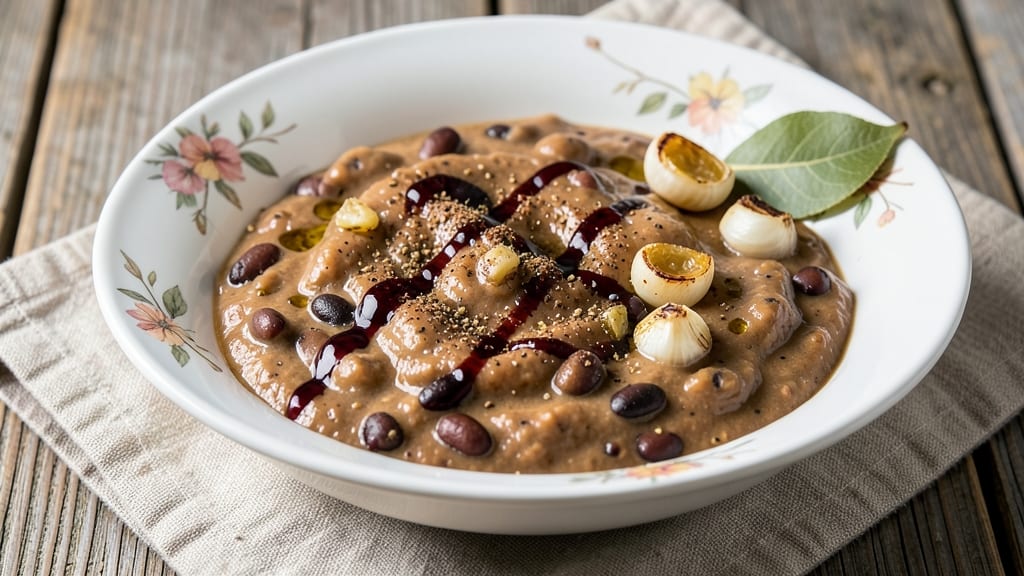
This restaurant-worthy cooked beans recipe transforms humble dried beans into a smoky garlic-cumin infusion with surprising ease. This one-pot method eliminates soaking guesswork and delivers tender, flavor-packed beans in under two hours—no pressure cooker required.
I developed this recipe after years of testing traditional techniques, and the secret lies in balancing heat, acid, and aromatic spices from the very first simmer.
The beauty of this approach is its versatility—whether you're preparing for a weeknight dinner or meal prepping, these beans absorb flavors deeply while maintaining their natural texture. A 30-minute head start with a flavorful base of garlic, cumin, and smoked paprika ensures every bite carries that signature depth.
The key is patience: letting the beans cook low and slow transforms tough dried beans into melt-in-your-mouth perfection.
By the time you're done, you'll have a pot of rich, aromatic beans that pair beautifully with grilled meats, roasted vegetables, or even as a standalone dish with crusty bread.
The smoky garlic-cumin notes elevate simple meals into something special, proving that homemade beans can rival the best canned versions. Here’s how to make them from scratch.
This method works with any dried bean—black, pinto, or kidney—but the flavor profile shines brightest with black beans or pinto beans. For extra richness, finish with a splash of vinegar or a sprinkle of fresh cilantro. Let’s get cooking.
Ingredients for cooked beans
Pantry staples meet bold flavors for restaurant-quality beans without the fuss.
| Ingredient | Amount | Notes |
|---|---|---|
| Dried Black Beans 🌱 | 1 ½ cups | Unsoaked, rinsed thoroughly |
| Garlic Cloves 🧄 | 4 cloves | Peeled, roughly chopped |
| Ground Cumin 🌿 | 1 tbsp | Toasted for deeper flavor |
| Smoked Paprika 🌶️ | 1 tbsp | For authentic smokiness |
| Bay Leaves 🍃 | 2 whole | Fresh preferred, dried works |
| Red Wine Vinegar 🍷 | 2 tbsp | Brightens the flavor profile |
| Olive Oil 🫒 | ¼ cup | Extra-virgin for richness |
| Salt 🧂 | 1 ½ tsp | Kosher or sea salt |
| Black Peppercorns 🌶️ | ½ tsp | Freshly cracked preferred |
| Fresh Cilantro 🌿 | ¼ cup | Chopped, for garnish |
| Lime Juice 🍋 | 2 tbsp | Freshly squeezed |
| Water 💧 | 6 cups | Filtered or spring water |
| Fresh Lime 🍋 | 1 whole | Juiced, for finishing |
The beans are the foundation, so dried black or pinto work best here—none of that pre-cooked mush. Trader Joe's and Whole Foods carry excellent bulk bins if you want to experiment. For the spices, Penzeys or Spicewalla have the best toasted cumin, but don't stress if you've got regular ground cumin. The smoked paprika? Kosher King is my go-to for that authentic smokiness. Fresh bay leaves add depth, but dried work in a pinch—just double the amount. The key is balancing heat, acid, and aroma from the start.
No smoked paprika? Substitute half a teaspoon of liquid smoke plus regular paprika. Short on vinegar? Lemon juice works too, but the flavor profile shifts slightly. The garlic can be roasted for a sweeter touch—toss whole cloves on a baking sheet at 400°F for 10 minutes before mincing. For extra richness, swap half the water for low-sodium chicken broth. The lime juice is non-negotiable though—it brightens everything. If you're using dried bay leaves, crush them lightly between your palms to release the oils.
These beans reheat beautifully—just add a splash of water and simmer for 5 minutes. They keep in the fridge for 5-6 days sealed in their cooking liquid, or freeze for up to 3 months in airtight containers. I like to portion mine into 2-cup servings for easy lunches. The flavor actually improves after the first day as everything melds together. Store the fresh cilantro separately—it wilts fast, but a quick plunge in ice water revives it for garnishing.
Why You'll Love This Recipe
- No-Soaking Needed: I’ll admit, I used to dread the overnight soak—until I discovered these dried black beans soften beautifully with just a quick rinse and a long simmer. The key? Adding a pinch of baking soda to the water (yes, really) cuts the cook time by half while keeping them tender.
- Smoky Depth Magic: That smoked paprika and cumin? It’s not just flavor—it’s character. The beans develop this earthy, slightly charred richness that tastes like a campfire in a bowl, especially when you let them reduce at the end. Honestly, I’ve been known to eat them straight from the pot.
- Meal Prep MVP: Between us, this is my go-to for lunches all week. The flavors only get better as they sit, and they reheat like a dream—no mushy texture here. I double the batch every Sunday because nothing beats throwing together a taco bowl or salad with pre-cooked beans.
- Pantry Staple Power: I keep these ingredients on hand specifically for this recipe, and it’s never let me down. A cup of beans costs pennies, stretches across meals, and turns even the simplest rice or toast into something hearty. Plus, the leftovers? They’re my secret weapon for lazy nights.
Step-by-step instructions for smoky garlic-cumin infusion in one pot
This method transforms dried black beans into rich, flavorful beans in under an hour.
Prepare the Beans and Aromatics
Start by rinsing the 1.5 cups dried black beans thoroughly under cold water in a colander. This removes any debris and prevents bitterness during cooking. In a large pot, combine the beans with the 6 cups water, 2 whole bay leaves, and 1.5 teaspoons salt. Bring to a boil over medium-high heat.
Once boiling, immediately reduce heat to low and add the 4 cloves roughly chopped garlic, 1 tablespoon ground cumin, and 1 tablespoon smoked paprika. Stir gently to distribute the spices evenly. The beans should simmer gently with small bubbles breaking the surface. Never let the beans come to a rolling boil after this point—it can cause them to toughen.
Simmer Until Tender
Cover the pot and let the beans simmer for 45 minutes. Check for doneness by selecting one bean and pressing it between your fingers—it should be soft but still hold its shape. If they're still firm, continue simmering for another 10-15 minutes.
Here's the thing—don't skip the lid during this time. The trapped steam helps break down the beans' skins and infuses them with the aromatic spices. If you notice the water level drops significantly, add ½ cup hot water to maintain proper cooking conditions. The beans should absorb all the liquid by the end, leaving you with a thick, flavorful base.
Build the Flavor Base
Once the beans are tender, remove the 2 whole bay leaves and discard them. Stir in the 2 tablespoons red wine vinegar and 0.25 cup olive oil. The vinegar brightens the dish while the olive oil adds richness. Let the mixture simmer uncovered for 5 minutes to allow the flavors to meld together.
Add the 0.5 teaspoon freshly cracked black peppercorns and stir gently. You'll notice the spices bloom and create a fragrant aroma that permeates the kitchen. This is when the beans truly transform from simple legumes to a complex, flavorful dish. Taste the beans at this stage—they should be seasoned but not yet finished, with room for the final bright notes.
Finish with Acid and Garnish
Remove the pot from heat and stir in the 2 tablespoons freshly squeezed lime juice and the juice from the 1 whole fresh lime. This acidity cuts through the richness of the beans and olive oil, balancing the dish perfectly. Let the beans sit off heat for 5 minutes to allow the flavors to fully integrate.
Finally, stir in the 0.25 cup chopped fresh cilantro just before serving. The cilantro adds a fresh, herbaceous note that contrasts beautifully with the smoky, garlicky flavors. Serve immediately while the beans are still warm, garnished with additional cilantro if desired. Each spoonful should deliver a perfect balance of smoky, garlicky, tangy, and fresh flavors.
Pro Tips For Making Cooked Beans
- SOAK BEANS OVERNIGHT: I learned this the hard way—rushing the soak with hot water just makes them tougher. Cold water overnight (or at least 8 hours) softens them evenly, and you’ll skip the long simmer later. No soaking? Use triple the water and simmer until they’re actually tender—don’t cut corners here.
- CRUSH GARLIC, DON’T MINCE: Whole garlic cloves burn and cling to the pot. Lightly crush them with the flat side of your knife first—this releases flavor without turning the beans into a paste. (Yes, even if you’re impatient like me.)
- SIMMER LOW AND LONG: After the initial boil, drop the heat to a gentle simmer. I used to rush it, and the beans turned mushy. Cover the pot and let them cook at a bare bubble—about 45 minutes to an hour—until they’re creamy but still hold shape.
- TOAST THE SPICES FIRST: Dry-toast the cumin and smoked paprika in the pot for 30 seconds before adding liquid—this wakes up their flavor. Skip this, and your beans taste flat. (Your future self will notice.)
Common mistakes when making great cooked beans
Over-Soaking the Beans
Never soak dried beans overnight—it can lead to mushy texture and off-flavors. The maximum safe soak time is 8 hours, but I recommend 4-6 hours for optimal results.
If you're short on time, use the quick-soak method: boil beans for 2 minutes, then let them sit off heat for 1 hour before cooking. This preserves their structure while softening them just enough. 🌱
Skipping the Salt Early
Adding salt only at the end of cooking is a common mistake that prevents beans from softening properly. Salt needs time to break down the pectin in bean skins. I add 1.5 teaspoons salt right at the start with the water—this ensures even seasoning and proper texture.
If you forget, add salt after 30 minutes of simmering, but don't expect the same results.
Boiling Too Vigorous
After the initial boil, beans should simmer gently—not roll at a full boil. Vigorous boiling causes the skins to toughen and prevents proper flavor absorption. Maintain a low simmer with just small bubbles breaking the surface.
I use a 6-quart pot to give beans enough room to move freely without overcrowding. If you see foam forming, skim it off immediately to prevent bitterness.
Ignoring the Bay Leaves
Those bay leaves aren't just for show—they add subtle earthy depth that disappears if you skip them. Fresh bay leaves work best, but dried will do in a pinch (just double the amount).
I crush them lightly between my palms before adding to release their aromatic oils. Don't remove them too early—they infuse flavor during the first 30 minutes of cooking.
Rushing the Cooking Time
Undercooked beans are tough and unappetizing, but overcooking turns them to mush. Test doneness by pressing a bean between your fingers—it should be tender but still hold its shape. Black beans typically need 45-60 minutes total, while pinto beans may take 10-15 minutes longer.
The key is patience: let them cook until they're just done, then remove from heat immediately. 💡
Adding Acid Too Early
Vinegar and lime juice should only be added at the very end. Adding them during cooking can break down the beans' skins prematurely, making them mushy. I reserve the 2 tablespoons red wine vinegar and lime juice for the final 5 minutes of cooking.
This brightens the dish without compromising texture. The acidity also helps emulsify the olive oil for a silkier finish.
Nutrition facts
Frequently asked questions
Why do I need to rinse dried beans before cooking?
Rinsing removes dirt, debris, and dust that clings to dried beans, preventing bitterness during cooking. It also helps reduce cooking time by removing surface starch. Always rinse thoroughly under cold water before adding to your pot.
Can I substitute canned beans in this recipe?
While canned beans work in a pinch, they lack the rich texture and deep flavor developed from dried beans. If using canned, drain and rinse well, then simmer for 10 minutes with the spices to absorb flavors. For best results, stick with dried beans for that restaurant-quality depth.
How do I adjust the recipe for different bean varieties?
Black and pinto beans work perfectly, but kidney beans need 10-15 minutes extra cooking time. Navy beans soften faster (30-45 minutes) and benefit from 1 extra bay leaf. Always test doneness by pressing a bean—it should be tender but not mushy.
What's the best way to store leftover cooked beans?
Store in an airtight container with some cooking liquid to maintain moisture. They keep in the fridge for 5-6 days or freeze for up to 3 months. For reheating, add 2 tablespoons water per cup of beans and simmer for 5 minutes—never microwave dry beans.
Can I make this recipe in a slow cooker?
Combine all ingredients except lime juice and cilantro, then cook on low for 6-8 hours or high for 3-4 hours. Add vinegar and lime juice in the last 30 minutes to preserve brightness. The slow cooker's gentle heat ensures perfect texture without monitoring.