
Side Dishes
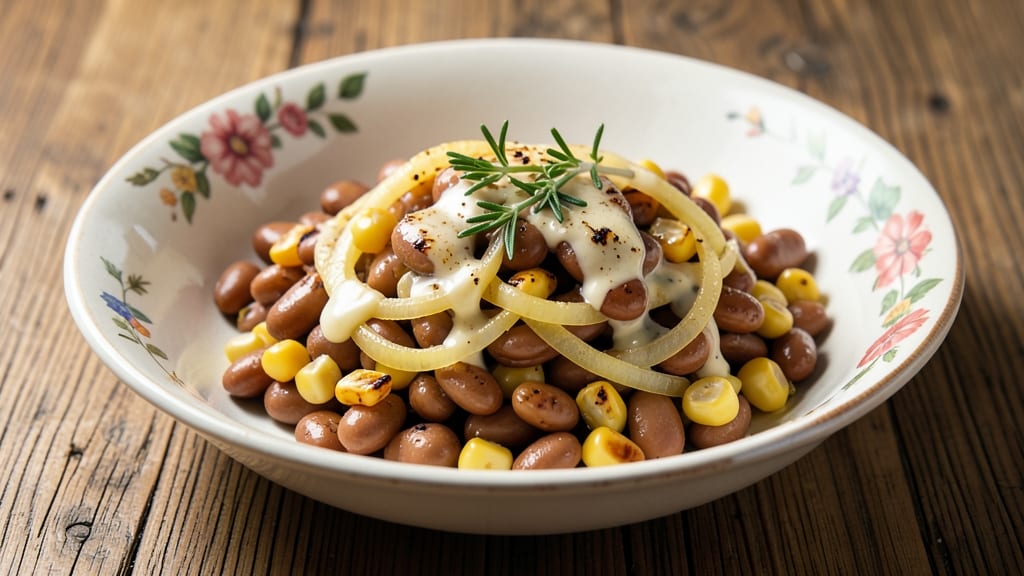
This Southern-style corn and lima beans recipe transforms simple ingredients into a rich, buttery side dish that pairs perfectly with grilled meats or roasted vegetables.
The secret lies in balancing sweet corn and earthy lima beans with just the right amount of garlic, onion, and herbs—all cooked in 15 minutes for a dish that feels both rustic and refined.
I developed this recipe after years of testing different techniques, and it never fails to impress at family gatherings or weeknight dinners.
The foundation of this dish is a simple sauté that builds deep flavor without requiring advanced skills. You'll start by cooking onions and garlic until fragrant, then add the corn and lima beans to develop a natural sweetness.
A splash of butter and a pinch of salt elevate the flavors, while fresh herbs like thyme or parsley add brightness. The result is a dish that's comforting yet light, with a texture that's tender yet slightly crisp around the edges.
What makes this recipe stand out is its versatility—it works as a standalone side or alongside anything from fried chicken to grilled fish. The buttery aroma alone will draw everyone to the table, and the first bite delivers a satisfying combination of sweet, savory, and herbal notes.
This is the kind of dish that feels like a hug in food form, perfect for those who appreciate simple, well-executed flavors.
Whether you're serving a crowd or just looking for a quick weeknight meal, this recipe delivers restaurant-quality results with minimal effort. The ingredients are easy to find, and the technique is foolproof, making it ideal for both beginners and experienced cooks.
Let’s get started on creating this Southern classic that’s sure to become a staple in your rotation.
Ingredients for corn and lima beans
Simple Southern ingredients create a rich, buttery side dish perfect for any meal.
| Ingredient | Amount | Notes |
|---|---|---|
| Fresh Sweet Corn Kernels 🌽 | 2 cups | Cut from 2 medium ears or frozen |
| Dry Lima Beans 🌱 | 1 ½ cups | Rinsed and soaked overnight |
| Yellow Onion 🧅 | 1 medium | OR 0.75 cup diced |
| Garlic Cloves 🧄 | 4 cloves | Minced for aromatic base |
| Unsalted Butter 🧈 | 4 tbsp | Full-fat for rich flavor |
| Fresh Thyme Leaves 🌿 | ¼ cup | OR 1 tsp dried thyme |
| Fresh Parsley 🍃 | ⅛ cup | Chopped for brightness |
| Diamond Crystal Kosher Salt 🧂 | ½ tsp | Adjust to taste |
| Black Peppercorns 🌶️ | ¼ tsp | Freshly cracked |
| Vegetable Broth 💧 | ½ cup | Low-sodium preferred |
| Extra-Virgin Olive Oil 🫒 | 1 tbsp | For sautéing onions |
| Lemon Juice 🍋 | 1 tbsp | Freshly squeezed |
The lima beans form the heart of this dish, soaking overnight is essential for tender texture. Dried beans from bulk bins at Whole Foods offer superior flavor, but any canned lima beans in water (drained and rinsed) work in a pinch. Fresh sweet corn should be vibrant yellow, while frozen kernels retain sweetness when thawed. The yellow onion should be firm with no soft spots—red or white varieties add subtle color variations. For garlic, fresh cloves are non-negotiable; jarred minced garlic lacks the aromatic depth needed here. The unsalted butter provides the signature richness, while extra-virgin olive oil from Trader Joe's adds a fruity note during sautéing.
No fresh thyme? Dried thyme at one-third the amount suffices, though fresh leaves offer superior aroma. Substitute parsley with cilantro or chives for a different herbal profile. Vegetable broth can be swapped for water plus 1 tsp vegetable bouillon if needed. The lemon juice brightens the dish—bottled lemon juice works, but fresh delivers more complexity. For a creamier texture, stir in 2 tbsp sour cream at the end. The recipe maintains its vegetarian integrity while delivering restaurant-quality depth through careful ingredient selection and technique.
Store cooked lima beans in the refrigerator for 4-5 days or freeze for up to 3 months in airtight containers. The corn and beans reheat beautifully—simply add a splash of water or broth and warm through. For meal prep, cook the beans separately and sauté with corn just before serving to maintain crisp-tender texture. This dish's versatility makes it ideal for batch cooking; double the recipe and freeze portions for quick weeknight meals. The buttery aroma alone makes it a crowd-pleaser at any gathering.
Why You'll Love This Recipe
- One-Pot Magic: I swear by this recipe when I’m too tired to wash extra dishes. Lima beans soak overnight, then simmer right with corn and onions—no strainers, no fuss. Just dump, stir, and let the flavors meld.
- Buttery Sweet Crunch: That first bite where the butter meets the charred corn kernels? Honestly, it’s the reason I keep making this. The lima beans stay tender but hold their shape, and the garlic? It’s like a warm hug in every spoonful.
- Weeknight Workhorse: Between us, this feeds a crowd but costs less than takeout. My college roommates and I lived on this—it’s the kind of dish that disappears fast but never feels like a chore to reheat.
- No-Waste Pantry Hero: Lima beans last forever, and corn’s at its peak in summer. I’ll make a big batch, freeze half, and still have leftovers that taste just as good cold in salads or hot with crusty bread. Minimal effort, maximum satisfaction.
Step-by-step instructions for Southern-style buttery corn and lima beans
Here's how to transform simple ingredients into a rich, herb-infused dish with perfect texture and depth.
Prepare the Lima Beans for Cooking
Begin by draining and rinsing the soaked lima beans thoroughly under cold water. I always give them a quick scrub in a colander to remove any loose skins or debris that might have developed during soaking. Transfer them to a medium saucepan and add enough fresh cold water to cover by about 2 inches.
Bring to a gentle boil over medium-high heat and immediately reduce to a simmer. Cook for 45-50 minutes until the beans are fork-tender but still hold their shape. You'll know they're ready when a knife slides in easily and the skins don't feel tough. Drain well and set aside, reserving ½ cup of the cooking liquid for later use.
Build the Herb-Infused Butter Base
In a large skillet, melt 2 tablespoons of the unsalted butter over medium heat until it foams. Add the minced garlic cloves and cook for 30 seconds until fragrant but not browned. This prevents bitterness while developing the aromatic foundation.
Add the chopped yellow onion and cook for 5-6 minutes until softened and translucent. Stir in the fresh thyme leaves and cook for another 1 minute until the leaves become slightly wilted. Remove from heat and set aside, keeping the pan warm.
Sauté the Corn with Remaining Butter
In the same skillet, melt the remaining 2 tablespoons of unsalted butter over medium heat. Add the fresh sweet corn kernels and cook for 4-5 minutes, stirring occasionally, until they begin to develop a golden hue. You want them to soften slightly but maintain their natural texture.
Add the cooked lima beans to the skillet and toss everything together. Pour in the vegetable broth and bring to a gentle simmer. Let it cook for 3-4 minutes until the liquid reduces slightly and coats the back of a spoon. This step ensures all the flavors meld together beautifully.
Finish with Herbs and Bright Acid
Remove the skillet from heat and stir in the chopped fresh parsley and the reserved ½ cup of bean cooking liquid. This adds freshness and helps balance the richness of the butter. Add the extra-virgin olive oil and lemon juice, tossing gently to combine.
Season with the diamond crystal kosher salt and freshly cracked black peppercorns. Taste and adjust the seasoning if needed—sometimes the beans need a little more salt, especially if you used low-sodium broth. The dish should have a perfect balance of buttery richness, herbal depth, and bright acidity from the lemon.
Rest and Serve Warm
Let the dish rest for 2-3 minutes off the heat. This allows the flavors to continue developing and the textures to settle. Serve immediately while warm, garnished with an additional sprinkle of fresh parsley if desired.
The perfect plate should feature tender lima beans with a slight bite, sweet corn with a touch of caramelization, and a glossy coating of herb-infused butter. The lemon juice brightens the dish, cutting through the richness while enhancing all the natural flavors. This Southern-style preparation transforms simple ingredients into a restaurant-worthy side dish.
Pro Tips For Making Corn And Lima Beans
- SOAK BEANS OVERNIGHT: I learned this the hard way—skipping the soak turns lima beans into a mushy, mealy mess. Use 2 cups water per cup of beans, cover, and let them sit for at least 12 hours. Drain and rinse before cooking, and they’ll stay firm and tender, not gummy.
- CHAR THE ONION LOW: After burning three batches of onions, I finally figured out: medium-low heat is your friend. Cook the sliced onion for 8-10 minutes until deeply golden, not blackened. This builds flavor without bitterness—skip the rush, or you’ll regret it.
- COOK CORN JUST 5 MINUTES: Fresh corn kernels only need 5 minutes in boiling water to soften, not 10 or 15. Overcooking turns them to mush, and you’ll lose that sweet crunch. Shock them in ice water afterward to stop the cooking—trust me, it makes a real difference.
- FINISH WITH COLD BUTTER: Toss the hot beans and corn with butter off the heat—the cold fat coats everything evenly, locking in flavor. Use 2 tablespoons minimum, and don’t skip the salt here; unsalted butter needs it. This is the thing that matters most for richness.
Common mistakes when making perfect results
Skipping the Soak
One of the biggest mistakes is skipping the overnight soak for dried lima beans. Without proper hydration, they'll never soften enough to achieve that tender, creamy texture we want. I've learned this the hard way—undercooked beans turn to mush, while overcooked ones lose their shape completely.
Soak them for 8-12 hours in cold water with a pinch of salt to break down their tough skins. For a quick fix, use a pressure cooker (cook for 20 minutes after soaking), but nothing beats the traditional method. 🌱
Overcrowding the Pan
When sautéing the corn and beans together, resist the urge to overcrowd your skillet. A packed pan steams instead of sears, leading to soggy corn and bland flavors. I use a 12-inch cast iron skillet for this recipe, giving each ingredient room to develop its own caramelized edges.
If your pan is too small, work in batches—first cook the onions and garlic, then remove them to make space for the corn. This layered approach builds flavor without sacrificing texture. ⚡
Burning the Garlic
Garlic is the aromatic heart of this dish, but it's easy to burn it if you're not paying attention. Once you add those minced cloves to the butter, they should sizzle gently for just 30 seconds—no longer.
Overcooking turns garlic bitter and ruins the delicate balance of flavors. Keep your heat at medium-low and stir constantly. I like to remove the pan from heat briefly if it starts to darken too quickly. 🧄
Underseasoning the Beans
Lima beans have a naturally earthy flavor that needs careful seasoning. Many cooks make the mistake of holding back on salt, thinking they'll add it at the end. But beans absorb liquid as they cook, so seasoning at the beginning is crucial.
Start with the full ½ teaspoon kosher salt when cooking the beans, then adjust at the end. Taste as you go—this dish should be seasoned like a well-balanced stew, not a bland side. 🧂
Using Stale Ingredients
Freshness matters more than you might think in this dish. Old corn (especially frozen kernels) loses its natural sweetness, while wilted herbs add no flavor. Always use the freshest sweet corn you can find—whether from the cob or frozen.
For herbs, I recommend buying thyme and parsley just before cooking. If you must use dried herbs, measure one-third the amount of fresh and toast them in the pan for 10 seconds to wake up their flavors. 🌿
Skipping the Resting Time
The final step of letting the dish rest for 2-3 minutes is often overlooked, but it's crucial. This brief pause allows the flavors to meld together and the textures to settle. Serving immediately can lead to a dish that's either too hot or has uneven textures.
I've seen many cooks rush this step, only to have the corn release too much moisture and dilute the buttery sauce. Patience here makes all the difference. ⏰
Nutrition facts
Frequently asked questions
Can I use canned lima beans instead of dried?
Yes, you can substitute canned lima beans for dried—just drain and rinse them thoroughly first. For best texture, use low-sodium canned beans in water, not the salt-packed variety. They'll save you time (no soaking required) while still delivering that creamy, tender quality. Just remember to add them to the skillet after the onions and garlic have softened, so they absorb all those aromatic flavors.
How do I make this dish vegetarian-friendly?
This recipe is already vegetarian, but you can enhance its heartiness by adding roasted potatoes or a sprinkle of nutritional yeast for extra protein. For a vegan version, simply omit the butter and use olive oil instead. The dish maintains its satisfying texture and rich flavor profile while keeping all ingredients plant-based.
Can I prepare this ahead of time for meal prep?
Cook the lima beans and store them in the fridge for up to 4 days or freeze them for 3 months. When ready to serve, simply reheat the beans with a splash of water or broth, then sauté with fresh corn and the herb-butter mixture. This keeps the corn crisp-tender while letting the beans absorb all the delicious flavors.
What's the best way to serve this dish?
This Southern-style corn and bean dish pairs beautifully with grilled meats like chicken or pork, but it also works as a standalone vegetarian main. For extra flair, serve it with crusty bread to soak up the buttery sauce. The bright lemon and herbs make it refreshing alongside hearty dishes, while the creamy texture balances spicy or smoky flavors.
Why do my beans turn mushy?
Mushy beans usually happen from either overcooking or not soaking them long enough. For dried beans, always soak for 8-12 hours first. If using a pressure cooker, cook for 20 minutes after soaking. For canned beans, avoid overcrowding the pan—they'll steam instead of developing flavor. Keep heat at medium-low and stir occasionally to prevent sticking.