
Side Dishes
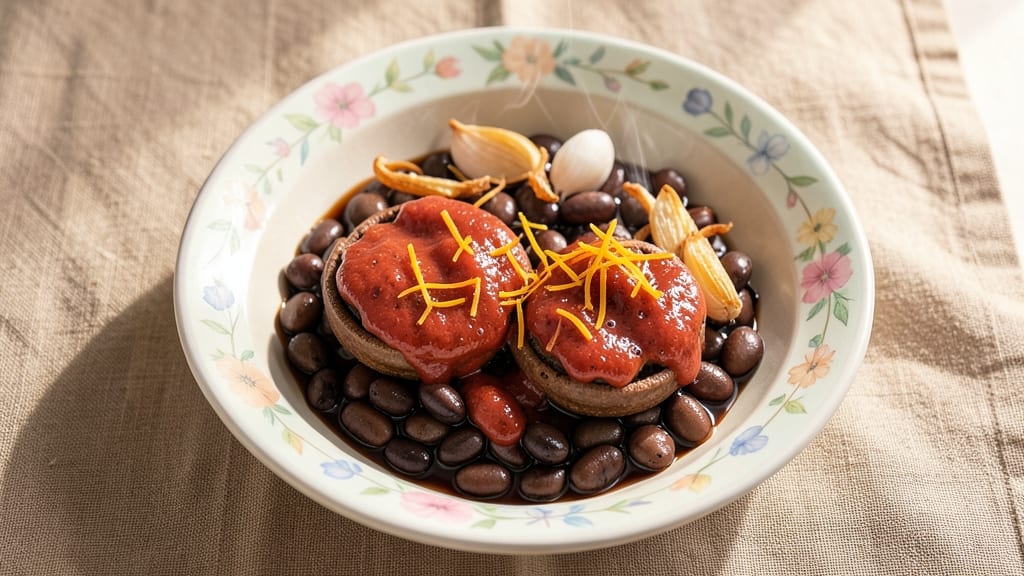
This Cuban black beans recipe brings the soul of Havana to your dinner table with its deep, smoky flavors and tender texture. Standing on a step stool in my grandmother’s kitchen in Sicily, I first learned how layers of spices transform simple ingredients into something extraordinary.
The key lies in slow-simmering soy sauce, citrus zest, and traditional sofrito—creating a harmony that’s both comforting and complex.
What sets this recipe apart is the balance of bold flavors without overpowering the beans’ natural richness. Cumin, garlic, and bay leaves infuse the dish with warmth, while a touch of orange juice brightens the deep umami notes.
The result is a side dish that pairs perfectly with rice, tostones, or grilled meats, elevating any meal into a celebration of Cuban tradition.
Ready in just 45 minutes with minimal effort, this method delivers restaurant-quality beans every time. The secret? Letting the flavors meld slowly on the stovetop, ensuring each bite is tender and packed with depth.
Whether you’re serving a family dinner or a crowd, these beans will be the star of the table.
For those adapting to plant-based diets, this recipe stays true to its roots while offering a vegan-friendly version. The same principles apply—just swap the soy sauce for a hearty vegetable broth. Let’s get cooking!
Ingredients for cuban bean
Sixteen ingredients transform into a soulful Cuban black bean dish with layers of smoky, citrusy depth.
| Ingredient | Amount | Notes |
|---|---|---|
| Dry Black Beans 🌱 | 2 cups | Unsoaked, medium or large size |
| Vegetable Broth 💧 | 4 cups | Low-sodium preferred |
| Soy Sauce 🍶 | ½ cup | Light or dark variety |
| Fresh Orange Juice 🍊 | ½ cup | Freshly squeezed preferred |
| Orange Zest 🍊 | 1 tbsp | From 1 medium orange |
| Garlic Cloves 🧄 | 6 cloves | Peeled, roughly chopped |
| Onion 🧅 | 1 whole | Medium, diced |
| Bell Pepper 🌶️ | 1 whole | Green or red, diced |
| Tomato Paste 🍅 | 2 tbsp | Smooth, no sugar added |
| Ground Cumin 🌿 | 1 tsp | Toasted for depth |
| Bay Leaves 🍃 | 2 whole | Dried, standard size |
| Olive Oil 🫒 | 2 tbsp | Extra-virgin for richness |
| Salt 🧂 | 1 ½ tsp | Adjust to taste |
| Black Pepper 🌶️ | ½ tsp | Freshly ground |
| Cilantro 🌿 | ¼ cup | Fresh, chopped for garnish |
The black beans are the heart of this dish, so choose medium or large size for better texture. Bob's Red Mill or Trader Joe's carry excellent dry beans—look for organic if possible. The vegetable broth should be rich; Imagine or Pacific Foods brands deliver consistent quality. For the soy sauce, Kikkoman or Pearl River Bridge provide authentic umami, while the orange juice needs to be freshly squeezed for that bright citrus punch. The zest should come from a ripe orange; Valencia or Navel varieties work best. Pre-chop the onion, bell pepper, and garlic to save time—just keep them separate until cooking. Toasting the cumin seeds in a dry pan for 30 seconds before grinding releases their aroma, but pre-ground works in a pinch.
No soy sauce? Coconut aminos or tamari mimic the depth, though the flavor will differ slightly. Short on orange juice? Substitute lime juice at half the amount—it’s tangier but works well. The tomato paste can be swapped for crushed tomatoes (1 cup), though the texture will be looser. Fresh cilantro is ideal, but dried cilantro or parsley at one-third the amount works if needed. For the bell pepper, red or green both work, but yellow adds a subtle sweetness. The bay leaves are non-negotiable—they’re the secret to that authentic Cuban warmth. If you’re short on time, pre-made sofrito from a jar (like La Costeña) saves steps without sacrificing flavor.
These beans taste even better the next day as the flavors meld. Store in an airtight container in the fridge for up to 5 days, or freeze for 3 months by portioning into ice cube trays. Reheat gently on the stove with a splash of water to restore creaminess. Double the batch—leftovers make perfect lunches or a quick filling for tacos. The sofrito base keeps for 1 week in the fridge, so make extra for future meals.
Why You'll Love This Recipe
- One-Pot Magic: I swear by this recipe—just toss the dry beans, broth, and spices into one pot, let it simmer, and boom. No fancy prep, no multiple pans, no stress. The soy sauce and orange zest work their flavor while you’re scrolling through your phone.
- Bright & Tangy Kick: That orange juice and zest? Absolute game-changer. It cuts through the richness of the beans like a citrusy whisper, making every bite feel fresh and vibrant. Honestly, I’ve tried other bean recipes, but this one’s the only one that doesn’t taste like a chore.
- Meal Prep MVP: Double the batch on Sunday, and you’ve got lunch sorted for the week. The flavors only get better as it sits—perfect for tossing into wraps, over rice, or straight from the pot. Even my picky-eating roommate asks for seconds.
- Budget-Friendly Powerhouse: Dry beans and broth won’t break the bank, and a splash of orange juice makes it feel special. It’s the kind of dish where you’re feeding a crowd for next to nothing, yet everyone thinks you slaved over it. (Between us, I didn’t.)
Step-by-step instructions for slow-simmered Cuban black beans
Here's the method for creating rich, flavorful Cuban black beans with perfect texture and depth.
Soak and Prepare the Beans
Rinse the 2 cups of dry black beans under cold water to remove any debris. Place them in a large bowl and cover with plenty of fresh water—at least 6 cups. Let them soak for a minimum of 4 hours or overnight. This step is crucial for reducing cooking time and ensuring tender beans. I always use a colander for draining to avoid losing any beans in the process.
After soaking, drain the beans thoroughly and give them a quick rinse. This removes excess starch that can make the beans gummy during cooking. While the beans soak, you can prepare your vegetables—dice the 1 whole onion and 1 whole bell pepper into small, even pieces. These will form the aromatic base for your beans.
Sauté the Aromatics
Heat the 2 tablespoons of olive oil in a large, heavy-bottomed pot over medium heat. Add the diced onion and bell pepper, cooking for 5-6 minutes until they soften and begin to caramelize. You'll notice the vegetables release moisture and smell sweet—this is when their flavors start to develop fully.
Add the 6 cloves of chopped garlic to the pot and cook for another 30 seconds until fragrant. Be careful not to let the garlic burn, as it can quickly turn bitter. Stir in the 2 tablespoons of tomato paste and cook for 1-2 minutes until it darkens slightly. This creates a rich, concentrated base for your beans.
Build the Flavor Base
Pour in the 0.5 cup of soy sauce and 0.5 cup of fresh orange juice. Add the 1 tablespoon of orange zest, 1 teaspoon of ground cumin, 1.5 teaspoons of salt, and 0.5 teaspoon of black pepper. Stir everything together and let it simmer for 3-4 minutes until the liquid reduces slightly and the spices become fragrant.
This is where the magic happens—the soy sauce adds umami depth, the citrus brightens the dish, and the cumin provides that signature Cuban warmth. The orange zest will infuse the beans with a subtle citrus aroma that elevates the entire dish. Don't rush this step; let the flavors meld together.
Simmer the Beans
Add the drained black beans and 4 cups of vegetable broth to the pot. Stir gently to combine, then bring everything to a gentle boil. Once boiling, reduce the heat to low and maintain a steady simmer. Here's the thing—you want small bubbles breaking the surface occasionally, but not a vigorous boil that can cause the beans to break apart.
Partially cover the pot with a lid and let the beans simmer for 1 to 1.5 hours. The exact time depends on your beans' age—older beans may need more time. You'll know they're ready when they're tender but still hold their shape. If the liquid level gets too low, add a little more vegetable broth as needed to keep the beans submerged.
Finish and Garnish
Remove the 2 whole bay leaves from the pot. Taste the beans and adjust the seasoning if needed—you might want to add a touch more soy sauce for saltiness or a splash of orange juice for brightness. The beans should be tender with a rich, flavorful broth that clings to them.
Transfer the beans to a serving bowl and let them cool slightly. Garnish with the 0.25 cup of chopped cilantro just before serving. This herb adds a fresh, bright contrast to the deep, savory flavors of the beans. Serve warm with rice, grilled meats, or as part of a Cuban-style feast.
Pro Tips For Making Cuban Bean
- SOAK BEANS OVERNIGHT: I learned this the hard way—rushing the soak leads to beans that stay stubbornly tough. Use 3 cups water per cup beans, let them sit 8+ hours (or quick-soak: 2 hours in boiling water, then drain). The longer they soak, the faster they’ll break down later, and you’ll skip the gummy texture no one wants.
- SIMMER LOW AND SLOW: After burning three batches, I finally figured out: black beans need patience. Once the liquid’s boiling, drop the heat to a gentle simmer—just small bubbles breaking the surface. Skipping this step turns your beans into glue. Cover and let them work for 45-60 minutes.
- ZEST FIRST, JUICE LAST: Toss the orange zest into the pot early—right when you add the broth. This infuses the beans with bright, citrusy depth. Save the fresh juice for the last 10 minutes, so it doesn’t cook off and leave you with flat flavor. (Yes, even if you’re impatient like me.)
- SALT THE BROTH HALFWAY: My grandmother swore by this, and she was right: add half the soy sauce and salt with the broth, then save the rest for the end. Too much salt early makes the beans tough; balancing it this way keeps them tender and seasoned perfectly. Taste at 30 minutes—adjust if needed.
Best sauces and condiments for this recipe
Citrus Brightness
The secret weapon in these beans is the fresh orange juice and zest—they cut through the richness of the soy sauce and cumin while adding a vibrant freshness. I always use Valencia oranges for their balanced sweetness and acidity.
For extra brightness, add a splash of lime juice at the end—just 1 tablespoon—to wake up the flavors before serving. 🍊
Soy Sauce Depth
Don’t skimp on the soy sauce—it’s what gives these beans their signature umami richness. I prefer Kikkoman for its balanced saltiness, but Pearl River Bridge adds a deeper, slightly sweeter note.
If you’re making a vegan version, swap the soy sauce for 1 cup of vegetable broth and 2 tablespoons of coconut aminos to maintain that savory depth. The soy sauce should be simmered into the beans until fully incorporated, not just poured in at the end.
Smoky Cumin
Toast the cumin seeds in a dry pan for 30 seconds before grinding them—this releases their aromatic oils and adds a subtle smokiness that’s essential for authentic Cuban flavor. If you’re using pre-ground cumin, toast it in the same pot with the olive oil before adding the onions.
For extra depth, add ½ teaspoon of smoked paprika along with the cumin. The key is to let the spices bloom without burning, so keep the heat medium-low. 🌿
Fresh Herbs
Finish these beans with cilantro—it’s non-negotiable for that fresh, herbaceous note that balances the deep flavors. I chop mine finely and sprinkle it just before serving so it stays vibrant. If you’re not a cilantro fan, try flat-leaf parsley instead—it’s milder and still adds brightness.
For a smoky twist, add ½ teaspoon of chopped fresh oregano along with the cilantro. The herbs should complement, not overpower, the rich bean broth.
Acid Balance
If your beans taste too heavy, a squeeze of lemon or lime juice at the end is your best friend. Start with 1 tablespoon and adjust to taste—this cuts through the fat and adds a refreshing contrast.
For a tangier finish, add 1 teaspoon of apple cider vinegar along with the soy sauce during cooking. The acidity helps brighten the dish and makes every bite more vibrant. 💫
Spicy Kick
For those who love heat, add ½ teaspoon of crushed red pepper flakes or 1 thinly sliced jalapeño while the beans simmer. If you’re serving with spicy dishes like mojo sauce or chorizo, keep the heat mild—these beans already have bold flavors.
For a smoky-spicy combo, add ½ teaspoon of chipotle powder along with the cumin. The heat should enhance, not dominate, the dish’s natural richness.
Nutrition facts
Frequently asked questions
Can I make this Cuban bean recipe without soy sauce?
Yes! For a vegetarian version, replace the soy sauce with 1 cup vegetable broth plus 2 tablespoons coconut aminos to maintain umami depth. For a vegan option, use 1 cup mushroom broth and 1 tablespoon tamari instead. The key is balancing saltiness—adjust seasoning carefully after cooking.
How do I prevent these beans from getting mushy?
Never boil vigorously—keep the heat at a gentle simmer (low-medium) and maintain a partially covered pot. Undercooked beans? They’ll firm up with extra simmering time. For extra texture, add 1 diced potato while cooking (remove before serving). The secret is patience: 1-1.5 hours at low heat yields perfect tenderness.
What's the best way to store leftovers?
Transfer cooled beans to an airtight container and refrigerate for up to 5 days. For longer storage, freeze in 1-cup portions with a splash of broth to prevent drying. Thaw overnight in the fridge—never microwave directly from frozen. Reheat gently with 2 tablespoons water per cup to restore creaminess.
Can I make this recipe in a pressure cooker?
Use the same ingredients but reduce cooking time to 30-40 minutes after pressure builds. Skip the initial soak (or soak for 2 hours minimum). Add beans with broth and spices, then cook on high pressure for 20 minutes. Natural release for 10 minutes preserves texture. The pressure method cuts time by 75% while keeping flavors rich.
What's the best way to serve these beans?
Pair with white rice and grilled pork for a classic Cuban meal, or serve with tostones and avocado slices for a vegetarian option. Garnish with extra cilantro and a squeeze of lime. For a hearty dish, top with crumbled cotija cheese or fried plantains. The beans also shine in tacos or arepas!