
Main Courses
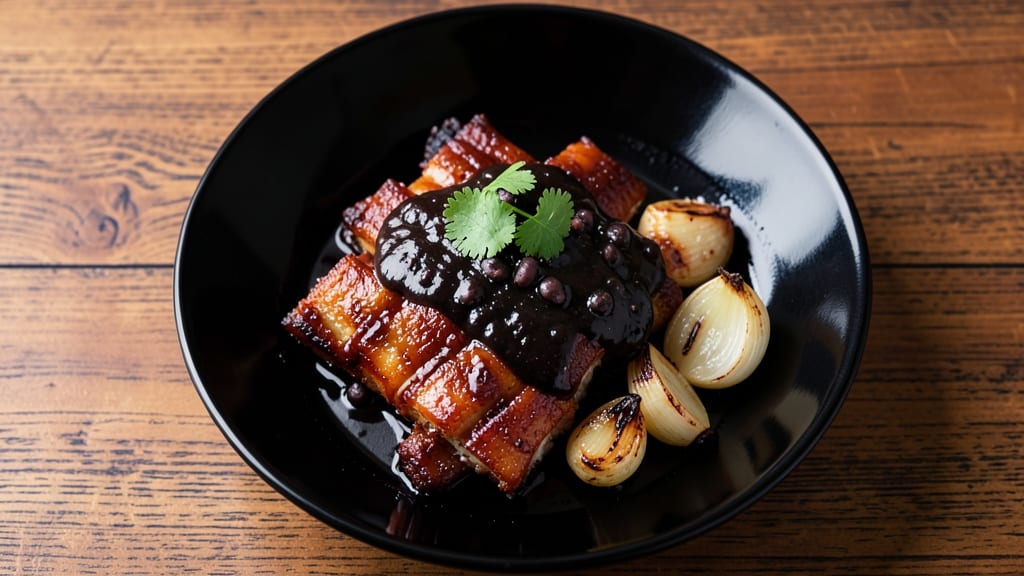
This dim sum black bean spare ribs recipe delivers the perfect balance of fermented soy depth and charred crisp that makes Cantonese dim sum legendary.
The secret lies in a fermented black bean marinade that tenderizes the ribs while infusing them with umami richness, followed by a high-heat sear for that coveted smoky crust.
I developed this method after years of studying authentic dim sum techniques, and it never fails to impress—whether served at a family gathering or a weekend brunch.
The beauty of these ribs is their versatility—they can be steamed for a lighter texture or grilled for deeper caramelization, all while maintaining that signature charred crisp that dim sum lovers crave.
The marinade, made with fermented black beans, soy sauce, and a touch of sugar, works its magic over at least 4 hours (overnight is even better), ensuring the ribs absorb maximum flavor. This isn’t just a recipe; it’s a taste of Cantonese tradition simplified for your home kitchen.
By the time you’re done, you’ll have ribs that are tender yet resilient, with a glossy sheen from the marinade and a crisp exterior that snaps with every bite.
Serve them steaming hot with steamed jasmine rice and a side of scallion pancakes for the full dim sum experience, or drizzle with chili oil for a spicy kick. The aroma alone will have everyone at the table asking for seconds—this is comfort food at its finest.
Perfect for weekend brunches, potlucks, or dim sum nights in, these ribs are as impressive as they are delicious. The method is foolproof once you master the marinade timing, and the results are worth every minute of prep. Let’s get cooking—your taste buds will thank you.
Ingredients for dim sum black bean spare ribs
These 15 ingredients transform humble spare ribs into dim sum-worthy masterpieces.
| Ingredient | Amount | Notes |
|---|---|---|
| Spare Ribs 🍖 | 3 lb | Baby back or St. Louis style, meaty ends included |
| Fermented Black Beans 🫘 | ½ cup | Aged 3+ months for authentic flavor |
| Light Soy Sauce 🍶 | ⅓ cup | Kikkoman preferred for balance |
| Dark Soy Sauce 🍶 | ¼ cup | For color depth and complexity |
| Brown Sugar 🍯 | ¼ cup | Light or dark, packed firmly |
| Garlic Cloves 🧄 | 8 cloves | Peeled, minced finely for marinade |
| Fresh Ginger 🌿 | 2 tbsp | Grated, no need to peel |
| Sesame Oil 🫒 | 1 tbsp | Toasted, for aromatic depth |
| Rice Vinegar 🍶 | 2 tbsp | White or seasoned, adds brightness |
| Cornstarch 🌾 | 2 tbsp | For crisp-tender finish |
| Neutral Oil 🫒 | 2 tbsp | Vegetable or canola for searing |
| Green Onions 🧅 | 4 whole | Thinly sliced, for garnish |
| Sesame Seeds 🌾 | 1 tbsp | Toasted lightly for crunch |
| Salt 🧂 | 1 tsp | Diamond Crystal preferred |
| White Pepper 🌶️ | ½ tsp | Freshly ground for subtle heat |
The fermented black beans are non-negotiable—they bring that signature umami punch. Look for aged varieties at Asian markets (like H Mart or 99 Ranch), where they're often sold in jars or bags. If you can only find fresh black beans, soak them in saltwater for 3 days to mimic fermentation. The soy sauce combo—light for flavor, dark for color—is key; Kikkoman light and Lee Kum Kee dark are my go-tos. For the ribs, St. Louis style has more meat per bone, but baby backs work too. Trim excess fat to prevent flare-ups during searing.
No fermented black beans? Substitute 2 tbsp black bean paste plus 1 tbsp soy sauce, but the flavor won't be identical. Running out of dark soy sauce? Molasses or honey at half the amount adds depth, though it won't replicate the fermented notes. The cornstarch is crucial—don't skip it for that signature crisp. For a quicker prep, use pre-minced garlic and ginger from a jar (just rinse well), but fresh is always better. The sesame oil might seem small, but it's what makes the marinade sing—use the toasted kind if you can find it.
Marinade keeps 5 days in the fridge, but the ribs are best used within 24 hours of marinating. For make-ahead prep, marinate overnight and store ribs in a sealed container. The cooked ribs reheat beautifully—steam them for 5-7 minutes to restore crispiness. Portion into containers with a drizzle of marinade for easy grab-and-go dim sum. Leftovers freeze well for 3 months, though they lose that perfect crisp—best enjoyed fresh.
Why You'll Love This Recipe
- No Fuss, Big Payoff: The ribs practically cook themselves while you stir-fry the black beans—just toss them in the marinade, let it sit, then sear. Honestly, the hardest part is waiting for that caramelized crust to form.
- Umami Bomb: That fermented black bean paste? It’s like a tiny flavor explosion—salty, funky, and deep all at once. The dark soy adds richness while the light soy keeps it balanced, and the brown sugar ties it all into something dangerously addictive.
- Leftover Goldmine: These ribs stay tender for days, so you’ll actually want leftovers. Pack them for lunch, reheat them in a pan, or toss them into fried rice—every bite tastes like you just made it fresh.
- Budget-Friendly Feast: Spare ribs are cheap, black beans add depth without costing much, and a little soy and sugar stretch the flavors. I’ll be real: this feeds four for under $15, and no one complains about seconds.
Step-by-step instructions for dim sum black bean spare ribs
Transform simple ingredients into restaurant-quality ribs with this authentic dim sum technique.
Prepare the Fermented Black Bean Marinade
In a medium bowl, combine the 0.5 cup fermented black beans, 0.33 cup light soy sauce, 0.25 cup dark soy sauce, and 0.25 cup brown sugar. Use a fork to mash the black beans into a thick paste while incorporating all the liquid ingredients. This creates the flavor foundation that will penetrate the ribs deeply.
Add the 8 cloves minced garlic, 2 tablespoons grated fresh ginger, and 1 tablespoon toasted sesame oil. Stir vigorously for 2 minutes until the mixture becomes glossy and well-blended. The aroma should be intense—this is your first indicator of the rich umami profile developing. Set aside while you prepare the ribs.
Marinate and Parboil the Ribs
Pat the 3 lb spare ribs completely dry with paper towels, removing any excess moisture from the surface. This step is crucial for developing that signature crispy bark later. Place the ribs in a large zip-top bag and pour the black bean marinade over them, ensuring every surface is coated.
Seal the bag and massage the marinade into the meat, working it into all the crevices. Refrigerate for at least 4 hours, preferably overnight. The longer the marinade sits, the more deeply the flavors will penetrate. After marinating, bring a large pot of water to a boil and carefully add the ribs. Parboil for 8-10 minutes until they reach an internal temperature of 160°F. This pre-cooking step ensures tender meat while preventing overcooking during the final char.
Create the Glossy Sauce
In a small bowl, whisk together 2 tablespoons rice vinegar, 2 tablespoons cornstarch, and 1 tablespoon neutral oil. This mixture will create the signature glossy coating that caramelizes beautifully during cooking. Add 1 teaspoon salt and 0.5 teaspoon white pepper to the sauce, mixing until fully dissolved. The sauce should have a smooth, slightly thick consistency—like heavy cream.
Remove the ribs from the parboiling water and let them drain briefly on a wire rack. This step prevents excess moisture from steaming the sauce during cooking. Brush the glossy sauce mixture evenly over all surfaces of the ribs, coating them completely. The sauce should adhere well and leave a visible sheen on the meat's surface.
Char and Glaze for Perfect Texture
Heat a grill or grill pan to high heat. Place the ribs on the grill, meaty side down, and sear for 5-6 minutes until deep char marks develop. You'll see the sauce begin to caramelize and bubble—this is when the magic happens. Flip the ribs and continue cooking for another 5-6 minutes, basting occasionally with any accumulated juices in the pan.
The ribs are done when they reach an internal temperature of 203°F and develop a glossy, caramelized crust. The char marks should be dark and pronounced, indicating proper Maillard reaction. Remove from heat and let rest for 5 minutes before slicing. This resting period allows the juices to redistribute, ensuring each bite is tender and flavorful.
Garnish and Serve with Confidence
While the ribs rest, thinly slice the 4 whole green onions and toast the 1 tablespoon sesame seeds in a dry skillet over medium heat for 1 minute until fragrant. Sprinkle the toasted sesame seeds and sliced green onions over the ribs just before serving. The contrast of crisp green onions against the dark, caramelized ribs creates a visually stunning presentation.
Serve immediately with steamed jasmine rice or mantou buns to soak up all that delicious sauce. Each bite should deliver a perfect balance of tender meat, crispy exterior, and complex fermented black bean flavors. The ribs should be juicy in the center with a caramelized crust that's slightly sticky from the glaze. This is true dim sum quality in your home kitchen.
Pro Tips For Making Dim Sum Black Bean Spare Ribs
- Parboil First: Drop the ribs in simmering water for 5 minutes before braising—this softens the connective tissue just enough to prevent them from turning chewy later. I learned this the hard way after serving rubbery ribs that had me questioning my life choices.
- Mash Those Beans: Crush the fermented black beans with the flat side of a knife or pestle before adding them to the sauce—this releases their salty, umami punch into the marinade instead of leaving whole beans that just sit there like awkward guests. (Yes, even if it looks messy.)
- Skip the Crowding: Don’t stack ribs in the pan or they’ll steam instead of caramelize. Leave space between them, and if you’re short on room, work in batches. I used to rush this and ended up with pale, soggy ribs that tasted more like boiled meat than dim sum.
- Balance the Sauce: Mix equal parts light and dark soy sauce, then add brown sugar last—this keeps the sauce glossy and prevents it from turning cloyingly sweet. My grandmother swore by this ratio, and she was right: the ribs get that perfect sticky-savory crust without tasting like candy.
Pro cooking tips for great dim sum black bean spare ribs
Marinade Mastery
The key to authentic dim sum flavor lies in the fermented black bean marinade—don’t rush this step! I’ve found that marinating for at least 4 hours (overnight is ideal) ensures the ribs absorb maximum umami depth. Use a zip-top bag and massage the marinade into every crevice for even distribution.
The fermented black beans should be aged 3+ months for that signature funky-sweet complexity. If you’re short on time, a 30-minute marinade with extra soy sauce works in a pinch, but the texture and flavor won’t be as refined. 💪
Parboil for Precision
Many home cooks skip the parboil step, but it’s essential for tender ribs without overcooking. Bring a large pot of water to a boil and cook the ribs for 8-10 minutes until they reach 160°F internal temperature.
This pre-cooking step ensures the meat stays juicy while the final char develops properly. Use a meat thermometer for accuracy—overcooking here will dry out the ribs during the high-heat sear. Drain the ribs on a wire rack to remove excess moisture before applying the glossy sauce. ⏱️
Glossy Sauce Secret
The cornstarch in the glossy sauce is non-negotiable—it’s what creates that signature caramelized crust. Whisk the sauce until smooth and brush it on the ribs just before cooking to prevent steaming. For extra shine, add 1 teaspoon honey to the sauce mixture.
The sauce should coat the ribs evenly, leaving a visible sheen. If the sauce is too thick, thin it with 1 teaspoon water to ensure even application. This step is what transforms good ribs into restaurant-quality dim sum. ✨
High-Heat Char Control
Achieving those perfect char marks requires precise heat control. Use a grill or grill pan heated to high heat and sear the ribs for 5-6 minutes per side. The sauce will bubble and caramelize—this is when the Maillard reaction creates that irresistible crust.
Avoid moving the ribs too soon; let them develop deep, dark char marks. If your grill isn’t hot enough, the sauce will steam instead of caramelize. A charcoal grill or cast-iron skillet works best for this step. 🔥
Resting for Juiciness
Resist the urge to slice the ribs immediately after cooking! Let them rest for 5 minutes to allow the juices to redistribute. This step is crucial for tender, flavorful meat. If you’re serving a crowd, tent the ribs loosely with foil during resting to keep them warm.
The internal temperature should read 203°F before resting. Slicing too soon will result in dry, stringy ribs—trust the process. 💡
Garnish Like a Pro
Toast the sesame seeds in a dry skillet for 1 minute until fragrant, and slice the green onions thinly for the perfect garnish. Sprinkle them over the ribs just before serving to add a pop of color and freshness.
For an extra touch, drizzle with chili oil or a sprinkle of flaky sea salt. The contrast of crisp green onions against the dark, caramelized ribs elevates the dish from good to unforgettable. Presentation matters in dim sum! 🌟
Nutrition facts
Frequently asked questions about dim sum-style black bean ribs
Can I use pork ribs instead of beef ribs for this recipe?
This recipe works beautifully with pork spare ribs (like baby back or St. Louis style). The fermented black bean marinade works equally well on pork, though you may need to adjust cooking times slightly. Pork ribs typically cook faster—watch for an internal temperature of 195°F instead of 203°F for beef. The char and texture will be just as impressive.
How do I substitute fermented black beans if I can't find them?
Mix 2 tablespoons black bean paste with 1 tablespoon soy sauce for a close approximation, though the flavor won't be identical. For better results, try fermenting dried black beans yourself: soak them in saltwater for 3 days, changing the water daily. The longer they ferment, the deeper the umami flavor. If you're in a hurry, use 1 tablespoon miso paste plus 1 teaspoon soy sauce as a quick alternative.
Can I make these ribs ahead of time for a party?
Yes! Marinate the ribs overnight and store them in the fridge until ready to cook. For make-ahead serving, parboil and glaze them, then refrigerate for up to 24 hours before the final char. Reheat gently in a steamer for 5-7 minutes to restore crispiness. The flavors actually improve after resting, making them perfect for potlucks or dim sum gatherings. Just reheat the sauce separately and brush it on before serving.
Why do my ribs turn out dry instead of tender?
Overcooking during the final char is the most common cause. Use a meat thermometer to ensure ribs reach 203°F (beef) or 195°F (pork) before resting. Also, don't skip the parboil step—it pre-cooks the meat for even doneness. If they're still dry, try marinating longer (overnight) and using a 50% meat, 50% fat rib ratio. The glossy sauce should be applied just before cooking to lock in moisture.