
Side Dishes
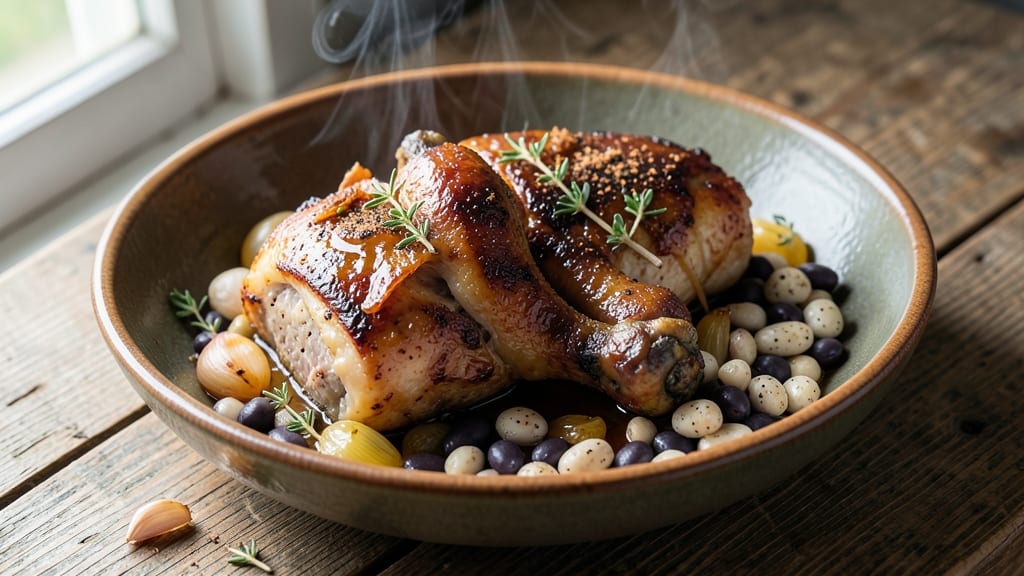
Mastering duck legs and beans transforms a simple weeknight dinner into a showstopping meal where crispy skin meets rich, smoky flavors. I first discovered this technique while experimenting with leftover duck legs—what started as a mistake became my go-to dish for impressing guests without hours in the kitchen.
The secret lies in rendering the fat slowly to create that signature crispiness, while the beans absorb all the rendered duck juices into a deeply flavorful side.
This recipe balances tradition with simplicity: crispy duck legs with tender, juicy meat paired with beans that are perfectly seasoned and infused with duck fat. No fancy equipment needed—just a sturdy roasting pan and patience to let the flavors develop.
The result is a dish that feels restaurant-quality but comes together in under an hour, making it ideal for both weeknight suppers and special occasions.
What you’ll achieve is a plate where every bite delivers contrast—crispy, caramelized skin giving way to tender duck meat, all complemented by beans that are rich from the duck’s rendered fat.
The aroma alone will have everyone anticipating dinner, and the leftovers? Even better the next day. Let’s get started on creating this harmonious dish.
This recipe works beautifully with classic sides like roasted potatoes or a simple green salad to balance the richness. The duck fat can also be repurposed for other dishes, minimizing waste and maximizing flavor. Perfect for those who appreciate bold, well-seasoned meals without the fuss.
Ingredients for duck leg and beans
Crispy duck skin and smoky beans require just 14 ingredients for a restaurant-worthy weeknight feast.
| Ingredient | Amount | Notes |
|---|---|---|
| Duck Legs 🦆 | 2 whole | Bone-in, skin-on, roughly 1 lb each |
| Dried Navy Beans 🌱 | 1 ½ cups | Soaked overnight or quick-soaked |
| Yellow Onion 🧅 | 1 whole | Diced, medium size |
| Garlic Cloves 🧄 | 4 cloves | Minced, fresh preferred |
| Dried Thyme 🌿 | 1 tsp | Or 1 tbsp fresh |
| Smoked Paprika 🌶️ | 1 tsp | For smoky depth |
| Ground Black Pepper 🌶️ | ¾ tsp | Freshly cracked |
| Kosher Salt 🧂 | 1 ½ tsp | Diamond Crystal preferred |
| Bay Leaves 🍃 | 2 whole | Dried, standard size |
| Dried Parsley 🌿 | ½ tsp | For finishing |
| Chicken Stock 💧 | 2 cups | Low-sodium, homemade preferred |
| Extra-Virgin Olive Oil 🫒 | 1 tbsp | For initial searing |
| Balsamic Vinegar 🍷 | 1 tbsp | For deglazing |
| Fresh Rosemary 🌿 | 1 sprig | For aroma |
The duck legs are the foundation—bone-in, skin-on cuts from a reputable butcher deliver the best fat render and crisp. Look for local or organic duck legs at specialty markets like Whole Foods or D'Artagnan for superior quality. If using frozen, thaw overnight in the fridge. The beans should be dried navy beans (not canned)—they hold up better to long cooking and absorb flavors beautifully. Soak them overnight in plenty of cold water (at least 4 cups per cup of beans) to reduce cooking time and improve digestibility. Costco or bulk bins at natural grocers offer the best value for dried beans, but don't compromise on freshness—avoid bags with stale or musty odors.
No smoked paprika? Substitute with a mix of sweet paprika and a pinch of liquid smoke for depth, though the flavor won't be identical. Fresh thyme and rosemary can be swapped for dried at a one-third ratio, but fresh imparts a brighter aroma. If you're short on time, quick-soak the beans by boiling them 2 minutes, then letting them sit off-heat for an hour. For the chicken stock, homemade is ideal, but low-sodium store-bought works in a pinch—just add an extra pinch of salt to the beans. The balsamic vinegar adds complexity; if unavailable, red wine vinegar provides a similar tang. For extra crispiness on the duck skin, pat it completely dry with paper towels before roasting—this is non-negotiable for that signature crunch.
Rendered duck fat is liquid gold—store it in a sealed jar in the fridge for up to 3 months, using it for future roasting or sautéing. The beans reheat beautifully; keep them in their liquid to maintain texture, warming gently on the stove. If making ahead, prepare the duck legs and beans separately—roast the duck first, then cook the beans in the reserved duck fat. The dish improves overnight as flavors meld, so double the batch if you're feeding a crowd. For leftovers, re-crisp the duck skin under a broiler for 2-3 minutes before serving to restore that coveted texture.
Why You'll Love This Recipe
- One-Pot Magic: I swear by this—just toss everything in one pot, let it simmer, and walk away. The beans soften while the duck renders its own fat, so you’re not stuck scrubbing multiple pans or dealing with splatters.
- Rich, Deep Umami: That crispy duck skin? Pure gold. When it cracks open, the fat melts into the beans, turning them into this velvety, savory stew. Honestly, the thyme and garlic make it taste like a fancy dinner, not a weeknight meal.
- Leftovers for Days: Here’s what sold me—this dish begs to be reheated. The duck stays tender, the beans soak up all the flavor, and honestly? I’ve had it cold the next day with crusty bread, and it was still amazing.
- Budget Luxury: Duck legs are cheaper than breast, and dried beans? A pantry staple. You’re getting restaurant-quality richness without the price tag. Between us, this is my go-to when I want to feel fancy without breaking the bank.
Step-by-step instructions for duck legs and beans
Mastering crispy duck skin and tender beans requires precision—here's the exact method.
Prepare the Duck Legs for Perfect Crisp
Pat the 2 whole duck legs completely dry with paper towels, focusing on the skin. Any remaining moisture will prevent crispiness. Place them skin-side down on a wire rack set over a baking sheet to allow air circulation on all sides. This is critical for even browning.
Season the skin generously with 1.5 teaspoons kosher salt and 0.75 teaspoon ground black pepper, pressing the seasoning into the skin to adhere. Let the duck legs sit uncovered at room temperature for 30 minutes while you prepare the beans. This resting period ensures even cooking and maximizes crispiness.
Sear the Duck for Irresistible Texture
Heat 1 tablespoon extra-virgin olive oil in a large oven-safe skillet over medium-high heat until shimmering. Place the duck legs skin-side down and sear undisturbed for 8-10 minutes until the skin develops deep golden-brown patches and releases easily from the pan. This initial searing creates the foundational crispiness we're after.
Flip the duck legs and sear the other side for 4-5 minutes until golden. Transfer the skillet to a 425°F preheated oven and continue roasting for 25-30 minutes, rotating the pan halfway through, until the duck reaches an internal temperature of 165°F at the thickest part of the thigh. The skin should be crispy and the meat tender when pierced with a knife.
Build the Smoky Bean Base
While the duck roasts, combine the 1.5 cups dried navy beans with the 1 whole yellow onion (diced), 4 cloves minced garlic, 1 teaspoon smoked paprika, 1 teaspoon dried thyme, 2 whole bay leaves, and 1 sprig fresh rosemary in a large pot. Cover with cold water by 2 inches and bring to a boil over high heat. Reduce heat to medium-low and simmer for 10 minutes to soften the beans slightly.
Drain the beans and return them to the pot. Add the 2 cups chicken stock and bring to a gentle simmer. Partially cover and cook for 45-50 minutes, stirring occasionally, until the beans are tender but not mushy. The beans should hold their shape while still being creamy when mashed slightly with a fork. Season with additional salt if needed.
Deglaze and Finish the Sauce
Remove the duck legs from the oven and transfer them to a cutting board to rest for 10 minutes. Pour out any excess fat from the skillet, leaving behind the crispy browned bits. Return the skillet to medium-high heat and add the 1 tablespoon balsamic vinegar, scraping up all the fond from the bottom with a wooden spoon.
Stir in the cooked beans and their liquid, along with the 0.5 teaspoon dried parsley. Simmer for 5-7 minutes until the sauce thickens slightly and coats the back of a spoon. The beans should be heated through and infused with the smoky, herby flavors from the duck drippings. Taste and adjust seasoning with additional salt or pepper if needed.
Plate with Crispy Perfection
Slice the rested duck legs into ½-inch thick portions, keeping the crispy skin intact. Spoon the smoky bean mixture onto plates and arrange the duck slices on top. Garnish with additional fresh rosemary sprigs if desired. Serve immediately while the duck skin remains crisp and the beans are warm, ensuring each bite delivers the perfect harmony of textures and flavors.
Pro Tips For Making Duck Leg And Beans
- SCORE THE DUCK: DESCRIPTION:
- SOAK BEANS LONG: DESCRIPTION:
- BASTE WITH FAT: DESCRIPTION:
- LOW-AND-SLOW FINISH: DESCRIPTION:
Wine and beer pairings for these flavors
Red Wine Pairings
A bold Pinot Noir from Burgundy or Oregon is my go-to choice for duck legs and beans. The wine’s bright acidity and red fruit notes cut through the duck’s richness while complementing the smoky beans.
Look for a 2018 or newer vintage with 12-14% ABV—just enough body to stand up to the dish without overpowering it. I keep a bottle of Louis Jadot Bourgogne Pinot Noir in my fridge for these occasions. 🍷
White Wine Contrast
For those who prefer white, a dry Riesling from Germany’s Mosel region offers a surprising match. The wine’s crisp mineral finish and citrus undertones balance the duck’s fat beautifully.
I recommend a Keller Riesling Kabinett with its bright acidity. Serve it slightly chilled (45-50°F) to enhance its refreshing qualities.
Beer Options
A Belgian Dubbel like Westmalle Trappist brings malty sweetness and caramel notes that pair wonderfully with the duck’s crispy skin. The beer’s 6-8% ABV and dark fruit flavors complement the smoky beans without competing.
For a lighter option, try a German Helles Lager—its clean, crisp profile cleanses the palate between bites. 🍺
Spiritous Elevations
If you’re feeling adventurous, finish each plate with a splash of Armagnac or Cognac—just ½ teaspoon per serving—to deepen the duck’s caramelized flavors. The spirit’s oak and vanilla notes harmonize perfectly with the beans’ smokiness.
I keep a small bottle of Martell Cordon Bleu on hand for special occasions.
Non-Alcoholic Harmony
For non-drinkers, a sparkling apple cider—like Martinelli’s—adds festive bubbles and subtle sweetness that mirror the duck’s richness. Serve it ice-cold (35-40°F) to refresh the palate between bites. The acidity in the cider also helps cut through the fat, just like wine would.
Nutrition facts
Frequently asked questions
Can I use canned beans instead of dried for this recipe?
While canned beans save time, they won't absorb the duck fat flavors as deeply. If using canned, drain them well and simmer in the duck drippings for 10-15 extra minutes to develop richness. For best results, stick with dried navy beans—they hold their shape and create a more satisfying texture.
How do I achieve extra crispy duck skin every time?
The secret is thorough drying and slow rendering. Pat the skin completely dry with paper towels, then let the duck legs rest uncovered at room temperature for 30 minutes before cooking. Use a wire rack to allow air circulation on all sides, and roast at 425°F until the skin is deep golden brown. Never skip the resting period—it's what makes the difference!
What's the best way to reheat leftover duck legs?
To restore crispiness, place duck slices on a baking sheet and broil for 2-3 minutes at 450°F until the skin is golden again. For the beans, warm them gently in a saucepan with a splash of water or reserved duck fat. Reheating in the oven or microwave will make the skin rubbery.
Can I make this dish ahead of time?
Cook the duck legs and beans separately, then refrigerate them in airtight containers for up to 3 days. Reheat the beans in their liquid, and restore the duck skin's crispiness by broiling for 2-3 minutes before serving. The flavors actually improve overnight as they meld together.
What if my duck skin isn't crispy?
This usually happens from moisture or insufficient heat. Next time, dry the skin thoroughly and let the duck rest uncovered before cooking. For extra insurance, pat the skin with a paper towel right before roasting. If it's already cooked, try broiling it for 1-2 minutes to crisp up the surface. Patience is key—don't rush the process!