
Side Dishes
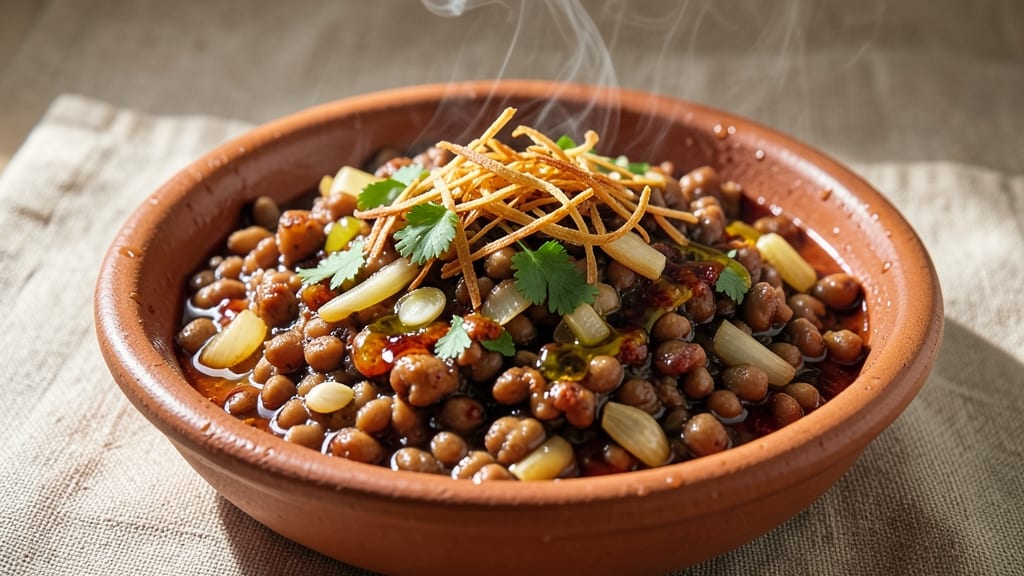
Ethiopian beans recipe transforms simple lentils into a bold, aromatic dish that carries the heart of Ethiopian cuisine into your kitchen. The secret lies in berbere spice, a fiery blend of chili, fenugreek, and coriander that creates layers of heat and earthiness.
I first discovered this dish during a visit to Addis Ababa, where it served as both a side and a main—packed with protein, fiber, and the kind of complex flavors that make every bite satisfying.
This recipe delivers restaurant-quality results with just 10 ingredients and 45 minutes of hands-on time, though the flavors deepen as it simmers. The lentils develop a creamy yet firm texture, while the berbere adds a smoky depth that lingers long after the last bite.
Traditional Ethiopian cooking relies on niter kibbeh (spiced clarified butter) for richness, though olive oil works beautifully for a vegan version—every element comes together in perfect harmony.
The result is a dish that’s as nourishing as it is flavorful, with a smooth, slightly spicy sauce that clings to every lentil. Serve it with injera (Ethiopian flatbread) to soak up every last drop, or pair it with grilled meats for a complete meal.
The spice blend can be adjusted to taste—whether you prefer mild warmth or fiery intensity, this recipe adapts effortlessly.
Perfect for vegans, gluten-free diets, and anyone craving bold, spiced flavors without heavy cream or dairy. The technique is straightforward, but the rewards are extraordinary—this is the kind of dish that turns a simple weeknight dinner into a celebration of Ethiopian tradition.
Ingredients for ethiopian beans
Ten simple ingredients transform into a restaurant-quality Ethiopian lentil dish with deep, aromatic flavors.
| Ingredient | Amount | Notes |
|---|---|---|
| Brown Lentils 🌾 | 1 ½ cups | Rinsed thoroughly before cooking |
| Berbere Spice Blend 🌶️ | 2 tbsp | Homemade or store-bought (adjust heat) |
| Extra-Virgin Olive Oil 🫒 | ⅓ cup | High-quality, fruity variety preferred |
| Yellow Onion 🧅 | 1 whole | Medium size, finely diced |
| Garlic Cloves 🧄 | 4 cloves | Peeled, minced finely |
| Fresh Ginger 🌿 | 1 tbsp | Grated, aromatic quality |
| Tomato Paste 🍅 | 2 tbsp | High-quality, no added salt |
| Vegetable Broth 💧 | 3 ½ cups | Low-sodium preferred |
| Lemon Juice 🍋 | 1 tbsp | Freshly squeezed |
| Fresh Cilantro 🌿 | ¼ cup | Chopped, for garnish |
| Diamond Crystal Kosher Salt 🧂 | 1 tsp | Adjust to taste |
| Ground Black Pepper 🌶️ | ½ tsp | Freshly ground |
The berbere spice blend is the soul of this dish. For optimal quality, source it from Ethiopian specialty stores or reputable brands like Penzeys Spices, which offer authentic, high-quality blends. If using store-bought, ensure it contains chili, fenugreek, and coriander as primary ingredients—these create the signature smoky, earthy heat. Traditional Ethiopian cooking uses niter kibbeh, but for a vegan version, extra-virgin olive oil delivers rich flavor without dairy. The lentils should be brown or green varieties, as they hold their shape beautifully and absorb flavors deeply. Rinse them thoroughly before cooking to remove any debris, which can affect the final texture.
No berbere spice on hand? Create a quick substitute with 1 tbsp each smoked paprika, cayenne, coriander, and fenugreek, plus a pinch of cardamom and cinnamon. Fresh ginger is ideal, but if unavailable, 1 tsp ground ginger works in a pinch. For the tomato paste, opt for San Marzano tomatoes if possible—their sweetness balances the spice beautifully. The vegetable broth should be low-sodium to avoid overpowering the delicate flavors. If using a different type of olive oil, ensure it's extra-virgin to maintain the dish's rich, fruity notes. The cilantro garnish adds freshness, but if you dislike it, fresh parsley works equally well.
Store any leftovers in an airtight container in the refrigerator for up to 5 days, though the flavors deepen over time, making it even more rewarding. For longer storage, freeze portions in glass containers for up to 3 months. Reheat gently on the stove with a splash of water to restore the creamy texture. This dish reheats beautifully and tastes even better the next day as the spices meld further. Serve with injera flatbread or crusty bread to soak up every last bit of the aromatic sauce.
Why You'll Love This Recipe
- One-Pot Magic: I swear by this—just lentils, onions, and berbere simmering together until the flavors meld. No extra pots, no fuss, and the smell alone makes my kitchen feel like a cozy Ethiopian restaurant.
- Spice Bomb Alert: That berbere blend? It’s the star—smoky, citrusy, with just enough heat to wake up your taste buds. The olive oil softens it into something rich and addictive, especially when the garlic starts to caramelize at the bottom.
- Meal Prep MVP: Between us, this keeps for days in the fridge and reheats like a dream. Pack it for lunches, serve it at dinner, or freeze half for when you’re too tired to cook. Honestly, it’s my go-to for lazy Sundays and hectic weeknights.
- Budget-Friendly Powerhouse: Brown lentils are cheap, berbere is a one-time investment, and you’re basically making a whole meal for pennies. I’ve fed six people for under $10 with this—plus, the leftovers stretch into another meal without breaking the bank.
Step-by-step instructions for Ethiopian beans recipe
Master this rich, aromatic lentil dish where berbere spice creates deep, complex flavors.
Sauté the Aromatic Base
Heat the 0.33 cup extra-virgin olive oil in a heavy pot over medium heat. Add the 1 whole yellow onion, finely diced, and cook for 5 minutes until softened and translucent. This foundational step builds flavor through caramelization.
Add the 4 cloves garlic cloves, minced, and the 1 tablespoon fresh ginger, grated, cooking for 1 minute until fragrant. The ginger should release its bright, citrusy aroma—this is your signal to proceed. If the garlic begins to brown too quickly, reduce heat slightly to prevent bitterness.
Develop the Berbere Flavor Profile
Stir in the 2 tablespoons berbere spice blend, coating the aromatics completely. Cook for 1 minute to toast the spices gently, releasing their earthy, slightly chili heat. This step is crucial—it prevents the berbere from becoming bitter and allows its complex flavors to integrate.
Add the 2 tablespoons tomato paste and cook for 2 minutes, stirring constantly. The paste will darken slightly, deepening the sauce's color and adding umami richness. This is where the dish's signature depth begins to form.
Build the Lentil Base
Rinse the 1.5 cups brown lentils thoroughly under cold water, then add them to the pot along with the 3.5 cups vegetable broth. Bring to a boil over high heat, then immediately reduce to medium-low heat. The lentils should simmer gently—not vigorously—to prevent breaking.
Simmer uncovered for 25-30 minutes until the lentils are tender but still hold their shape. You'll know they're ready when a fork slides in easily, but they don't fall apart. The broth should reduce slightly, creating a thick, cohesive stew.
Finish and Balance Flavors
Stir in the 1 teaspoon diamond crystal kosher salt and 0.5 teaspoon ground black pepper, adjusting to taste. Add the 1 tablespoon lemon juice and simmer for 2 minutes to brighten the dish. The lemon cuts through the richness of the berbere and olive oil, creating balance.
Remove from heat and let the stew rest for 5 minutes to allow flavors to meld. Garnish with 0.25 cup fresh cilantro, chopped, just before serving. The cilantro adds freshness and visual contrast to the deep, spiced lentils.
Serve with Traditional Accompaniments
Serve immediately with injera or crusty bread to soak up the flavorful sauce. The dish should be thick but spoonable, with each bite delivering layers of spice, umami, and freshness. The berbere's heat should be present but not overwhelming—adjust the spice blend in future batches if needed.
For optimal texture, ensure the lentils are tender but not mushy. If the stew thickens too much while resting, whisk in 1-2 tablespoons water to achieve the perfect consistency. This dish improves with time, so don't hesitate to make extra for leftovers.
Pro Tips For Making Ethiopian Beans
- Bloom the Berbere: Toast the spice blend in olive oil for 30 seconds first—it releases the flavors. I used to just toss it in dry, and the dish always tasted flat until I realized the spices need to wake up.
- Rinse Lentils Twice: Swirl them in cold water to remove debris, then drain. Skipping this step means gritty beans, and nobody wants that in their berbere-infused lentils.
- Simmer, Don’t Boil: Keep the heat low enough that tiny bubbles just break the surface. I learned this the hard way—boiling lentils turns them mushy, and Ethiopian beans need that firm bite.
- Crush Half the Garlic: Mince three cloves normally, but leave two whole and lightly crush them with the flat of your knife. The crushed ones add depth without overpowering the berbere’s complexity.
Common mistakes when making perfect results
Overcooking Lentils
One of the most common mistakes is letting the lentils cook too long, turning them into a mushy, unappetizing paste. Brown lentils should hold their shape while still being tender—aim for 25-30 minutes of simmering time at medium-low heat.
I’ve ruined batches by walking away and forgetting the pot, only to return to a watery, overcooked mess. Use a timer and check for doneness by pressing a lentil with a fork—it should be soft but still intact. 💫
Skipping the Berbere Toast
The berbere spice blend needs to toast briefly to release its smoky, earthy flavors. Skipping this 1-minute step leaves the spices raw and bitter. I once made this mistake and ended up with a dish that tasted like spice powder rather than a harmonious blend.
Always toast the spices over medium heat until fragrant before adding other ingredients.
Using Low-Quality Olive Oil
Extra-virgin olive oil is non-negotiable here—it carries the berbere’s flavors and prevents a flat, greasy result. I’ve tried using regular vegetable oil, and while it works in a pinch, the dish lacks depth.
Opt for a fruity, high-quality olive oil like Colavita or Bertolli to elevate the dish. The extra cost is worth the flavor difference.
Ignoring the Resting Time
Letting the stew rest for 5 minutes after cooking allows flavors to meld and the sauce to thicken slightly. I’ve served it immediately out of impatience, only to have the sauce separate or taste uneven.
This short wait ensures every bite is cohesive and flavorful. Trust the process—it’s worth the extra time. ✨
Overcrowding the Pot
Adding all the broth and lentils at once can lead to uneven cooking and a watery stew. Instead, start with half the broth, simmer until the lentils are mostly tender, then add the rest.
This prevents the lentils from breaking down too quickly. I’ve learned this the hard way—overcrowding turns a rich stew into a thin, flavorless soup.
Neglecting the Lemon Juice
The 1 tablespoon lemon juice at the end brightens the dish, cutting through the richness of the berbere and olive oil. Without it, the flavors can feel heavy or one-dimensional.
I’ve made this mistake and regretted it—always add the lemon juice in the final minutes of cooking to balance the heat and depth. 🍋
Nutrition facts
Frequently asked questions
What type of beans work best for this Ethiopian recipe?
Brown or green lentils are ideal—they hold their shape beautifully while absorbing the berbere spice. Avoid yellow lentils (they turn mushy) or split varieties. For a different texture, try chickpeas or fava beans, though they require longer cooking times.
Can I make this recipe without berbere spice?
Yes! Mix 1 tbsp smoked paprika, 1 tsp cayenne, 1 tsp coriander, and ½ tsp fenugreek for a quick substitute. Add a pinch of cinnamon and cardamom for depth. The flavor won't be identical, but it'll still deliver bold, spiced results.
How do I adjust the heat level in this dish?
Reduce the berbere by ½ tsp at a time—it's potent! For extra heat, add a pinch of cayenne or crushed red pepper flakes. If you prefer mild spice, simmer with 1 extra tbsp lemon juice—it balances the heat naturally. Always taste as you go!
What's the best way to store leftovers?
Cool completely, then store in an airtight container for up to 5 days in the fridge. For longer storage, freeze portions in glass containers for 3 months. Reheat gently with a splash of water—never microwave directly from frozen to preserve texture.
Can I make this recipe in a slow cooker?
Sauté the onions, garlic, and spices first, then transfer everything to the slow cooker with 4 cups broth. Cook on low for 4-5 hours or high for 2-3 hours, stirring occasionally. The slow cooker enhances the berbere's smoky depth beautifully.