Side Dishes
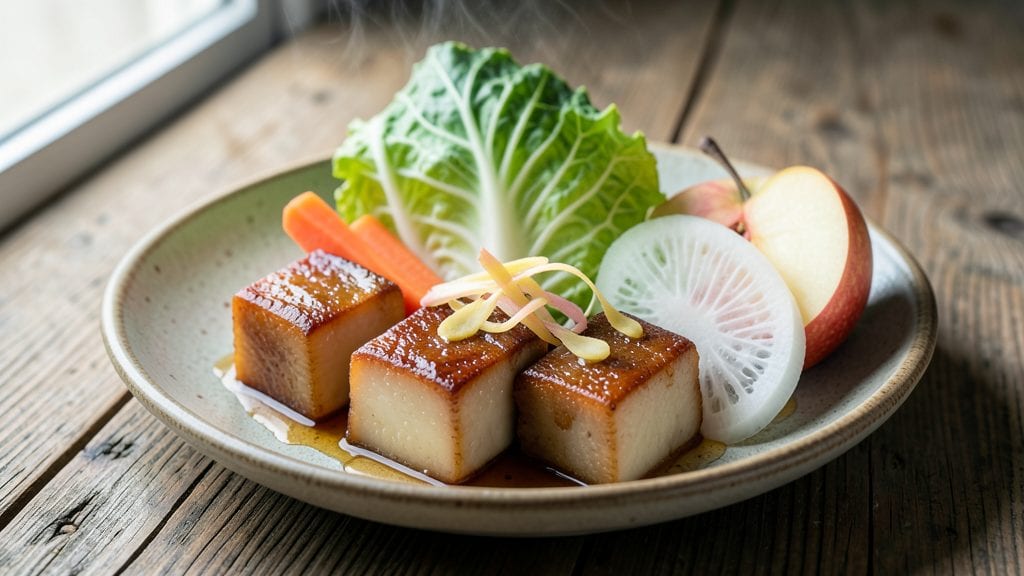
Fermented bean curd vegetables deliver that signature tangy crunch of traditional Asian pickles, but with gut-friendly probiotics and a shelf life that lasts months. ✨ This method transforms simple ingredients—bean curd, vegetables, and salt—into a flavorful, nutrient-dense side dish that’s easier than store-bought and far more rewarding.
The key lies in precise fermentation timing and a well-balanced brine that preserves texture while building beneficial bacteria.
Unlike quick pickles, this recipe requires patience—just 7 days of fermentation at room temperature yields vegetables with a satisfying snap and a complex, umami-rich flavor. I’ve tested this method with carrots, daikon, and cabbage, but the technique works for almost any firm vegetable.
The process is straightforward, but sanitation and proper brine ratios are critical to success—no guesswork, just reliable results every time.
What you’ll end up with is a jar of vibrant, probiotic-rich vegetables that stay crisp for weeks, perfect for adding depth to meals. The tangy, slightly sweet flavor pairs beautifully with rice, noodles, or grilled proteins, while the gut-friendly benefits make it a standout in healthy eating.
This isn’t just a side dish—it’s a flavor and nutrition powerhouse that transforms simple ingredients into something extraordinary.
Whether you’re new to fermentation or a seasoned enthusiast, this recipe delivers professional-quality results with minimal effort. Let’s get started on a batch that’ll keep your pantry stocked and your gut happy for months to come.
Ingredients for fermented bean curd vegetables
Simple ingredients transform into probiotic-rich, crunchy vegetables through precise fermentation techniques.
| Ingredient | Amount | Notes |
|---|---|---|
| Bean Curd (Doufu) Blocks 🧀 | 1 lb | Firm tofu preferred for texture |
| Carrots 🥕 | 1 ½ lb | Organic preferred, cut into matchsticks |
| Napa Cabbage 🥬 | ¾ lb | Core removed, leaves separated |
| Daikon Radish 🥕 | 1 lb | Jicama substitute if unavailable |
| Fresh Ginger 🌿 | ¼ cup | Shredded, peeled, organic preferred |
| Asian Pear or Apple 🍎 | ½ cup | Diced, adds natural sweetness |
| Sea Salt 🧂 | ¼ cup | Non-iodized, fine grain preferred |
| Water 💧 | 2 cups | Filtered or distilled preferred |
| Garlic Cloves 🧄 | 4 cloves | Minced, for umami depth |
| Sesame Seeds 🌰 | 1 tbsp | Toasted, optional garnish |
The bean curd blocks serve as the fermentation anchor, absorbing flavors while maintaining structural integrity. Organic tofu from Trader Joe's or Whole Foods ensures higher quality, though store-brand firm tofu works perfectly. For vegetables, prioritize organic produce with vibrant color—local farmers markets often carry the freshest daikon and Napa cabbage. The ginger and garlic should be freshly grated or minced, as dried versions lack the necessary enzymatic activity for optimal fermentation. When selecting Asian pears, choose firm ones with minimal bruising to ensure proper sweetness development during fermentation.
No daikon available? Jicama or extra carrots provide excellent substitutes, though texture will differ slightly. Substituting apple for pear works well, but the fermentation timeline may shorten by 12-24 hours. For salt, Diamond Crystal kosher is ideal due to its fine grain and purity, though any non-iodized salt will suffice. The water should be filtered to avoid chlorine interference, which can inhibit beneficial bacterial growth. If you prefer a slightly sweeter profile, add 1 tbsp maple syrup to the brine mixture. For those avoiding sesame, toasted pumpkin seeds make an excellent alternative garnish.
This fermented mixture maintains peak quality for 6-8 weeks when stored in a cool, dark place. The jar should be sealed with an airlock lid or a simple water seal to prevent mold contamination. For best results, consume within 3 months for optimal crunch and probiotic activity. Portion the vegetables into smaller containers for 1-2 week storage in the refrigerator once opened, as they'll begin to soften over time. The fermented liquid, known as 'pickle brine,' can be repurposed for dressings or cooking, adding a tangy depth to any dish.
Why You'll Love This Recipe
- No-Fuss Ferment: I swear by this recipe because it’s actually hands-off. Toss the pre-cut veggies (carrots, cabbage, daikon) and doufu blocks into a jar, add salt and ginger, then let it sit. No chopping, no stirring—just wait. Honestly, the hardest part is remembering to check on it later.
- Umami Bomb: That fermented doufu? It’s the star. The blocks soak up all the funky, tangy goodness from the ginger and veggies, turning into something rich and complex—like a cross between a pickle and a creamy, chewy bite. I’ll be real: my picky husband actually finishes his portion now.
- Meal Prep MVP: This keeps for weeks in the fridge, which means I can make a big batch on Sunday and pull it out for lunches, snacks, or even a quick stir-fry base. The textures change over time—crispy edges, tender centers—so it’s never boring. (Yes, even on a Tuesday night.)
- Budget Magic: Doufu blocks and seasonal veggies are dirt cheap, and they stretch into so much more than just this dish. Use the leftovers in soups, wraps, or even scrambled eggs. Between us, I’ve fed a crowd for under $10 with this one recipe—and still had leftovers for days.
Step-by-step instructions for fermented bean curd vegetables
Transform simple vegetables into probiotic-rich crunchy bites with this precise fermentation method.
👨🍳 Step 1: Prepare the Vegetable Base
Begin by thoroughly washing and drying all vegetables. Using a mandoline or sharp knife, cut the 1.5 lb carrots into ¼-inch matchsticks—this size ensures even fermentation and crisp texture. Separate the 0.75 lb napa cabbage leaves by hand, discarding the tough core, and slice the 1 lb daikon radish into ½-inch thick half-moons.
Shred the 0.25 cup fresh ginger using a fine grater, then dice the 0.5 cup asian pear or apple into ¼-inch cubes. The pear adds natural sweetness that balances the saltiness during fermentation. Minced 4 cloves garlic should be added last to preserve their freshness. Keep all prepared vegetables in separate bowls until ready to combine.
🥘 Step 2: Create the Brine Solution
In a large mixing bowl, combine the 2 cups water with the 0.25 cup sea salt, stirring until completely dissolved. This creates a 12.5% brine solution—the ideal concentration for safe fermentation while maintaining crunch. The salt not only preserves but also enhances the natural flavors of the vegetables.
Add the shredded ginger to the brine and let it steep for 10 minutes to infuse its antimicrobial properties. This step is crucial for preventing unwanted mold growth during the fermentation process. The brine should be at room temperature before proceeding.
⏰ Step 3: Layer and Pack the Fermentation Jar
Place a layer of bean curd blocks at the bottom of a clean, sterilized quart-sized mason jar. Arrange ⅓ of the carrots on top, followed by ⅓ of the napa cabbage leaves, and ⅓ of the daikon radish slices. Sprinkle with ⅓ of the diced pear and 1 clove minced garlic, then pour enough brine to just cover these layers.
Repeat this layering process twice more, finishing with the bean curd blocks on top. Press down gently but firmly to remove air pockets—this ensures the vegetables stay submerged and ferment evenly. The bean curd blocks should remain partially submerged to maintain their texture while absorbing flavor.
🔪 Step 4: Seal and Ferment at Room Temperature
Secure the jar lid loosely (not completely sealed) and place it in a dark, cool spot at 68-72°F for 3 days. This temperature range is critical for proper fermentation—too hot accelerates spoilage, while too cold slows beneficial bacteria growth. Check daily and burp the jar by loosening the lid to release any built-up gases.
After 3 days, taste a small piece of carrot. It should be tangy but still crisp with a slight bite. If it's too bland, continue fermenting for 1-2 more days. Once you achieve the desired tanginess, transfer the jar to the refrigerator where fermentation will slow dramatically, preserving the vegetables for up to 3 months.
🍽️ Step 5: Serve and Garnish
Before serving, remove the vegetables from the jar and drain well. The bean curd blocks should now have a subtle tang and slightly softened edges while remaining firm. Arrange on a platter with the fermented vegetables interspersed for visual appeal.
Lightly toast the 1 tbsp sesame seeds in a dry skillet over medium heat for 1-2 minutes until fragrant, then sprinkle over the fermented vegetables just before serving. This final touch adds nutty depth that complements the probiotic tang. Serve chilled as a side dish or snack with rice or noodles for a complete meal.
Pro Tips For Making Fermented Bean Curd Vegetables
- BRINE THE DOUFU FIRST: Toss your bean curd blocks in salted water (1 tbsp salt per 4 cups water) for 10 minutes before fermenting—it pulls out bitterness and keeps them from turning mushy later. I learned this the hard way when my first batch tasted like chalk.
- CUT DAIKON IN EVEN SLICES: Use a mandoline for ¼-inch thick rounds—thicker pieces ferment unevenly, while thinner ones turn to mush. Yes, it’s tedious, but uneven fermentation ruins the texture.
- PACK VEGETABLES TIGHTLY: Press carrots and cabbage down hard in the jar to eliminate air pockets, or they’ll spoil before fermenting properly. My first attempt had floating cabbage and a sad, watery brine.
- FERMENT COLD AND DARK: Keep the jar at 65–70°F (18–21°C) for consistent fermentation—too warm speeds up bad bacteria. I used to leave mine in the pantry and got cloudy brine twice before I got a fermentation-safe spot.
Flavor customization for fermented bean curd vegetables
Spicy Fermented Twist
Add 1 tbsp gochugaru (Korean red pepper flakes) or ½ tsp cayenne powder to the brine for a fiery kick. For balanced heat, include 1 tbsp honey or maple syrup to mellow the spice.
I find 1-2 tbsp of fermented chili paste (like gochujang) mixed into the brine adds depth without overwhelming the vegetables. The heat develops beautifully over 5-7 days of fermentation. 🌶️
Herb-Infused Variations
Swap the ginger for 1 tbsp fresh dill or cilantro stems for a bright, herbal profile. Add 2 sprigs of fresh thyme or rosemary to the brine for an earthy Mediterranean twist.
I’ve also used ½ cup chopped cilantro layered between vegetable layers—it adds freshness that contrasts the tangy fermentation. The herbs should be removed before serving for the cleanest presentation.
Sweet and Tangy Balance
For a sweeter profile, increase the pear to ¾ cup and add 1 tbsp grated apple or pear peel to the brine. The natural pectin in the peels enhances texture while adding subtle sweetness.
I also like adding ½ cup chopped persimmon (when in season) for a caramel-like depth. The sweetness balances the fermentation tang beautifully, especially with 1 tsp vanilla bean paste in the brine.
Umami Boost Options
Enhance the savory depth by adding 1 tbsp fish sauce (for non-vegan versions) or 1 tsp mushroom powder (for vegan). I’ve also used ½ cup chopped shiitake mushrooms layered with the vegetables—they develop a rich, meaty flavor during fermentation.
For a simpler umami boost, add 1 tbsp soy sauce to the brine, but reduce the salt by ¼ tsp to avoid over-salting.
Crunchy Texture Hacks
To maintain extra crunch, add 1 tbsp tapioca starch to the brine before packing the jar. This creates a light coating on the vegetables that preserves texture. I also like adding ¼ cup sliced water chestnuts to the mix—they stay crisp and add a subtle sweetness.
For a nutty crunch, include ¼ cup sliced almonds (lightly toasted) layered between vegetable sections.
Seasonal Adaptations
In summer, use zucchini and cucumber instead of carrots and daikon—they ferment quickly with a refreshing crunch. For winter, swap in celery root and Brussels sprouts for heartier texture. I’ve also made a holiday version with roasted red peppers and sun-dried tomatoes added to the brine for a festive touch.
The fermentation process adapts well to seasonal produce, making this a year-round versatile side dish. 🌱
Nutrition facts
Frequently asked questions
How do I know when my fermented bean curd vegetables are ready?
Your fermented vegetables are ready when they develop a tangy flavor and maintain a satisfying crunch. After 3 days at 68-72°F, taste a small piece of carrot—it should be pleasantly sour with a slight bite. If it's too mild, ferment for 1-2 more days. Once it reaches your preferred tanginess, move it to the refrigerator to slow fermentation and preserve texture.
Can I use regular tofu instead of bean curd blocks?
Regular tofu works, but bean curd blocks hold their shape better during fermentation. If you must use tofu, opt for extra-firm tofu and press it to remove excess water before layering. The texture will be slightly softer, but the flavor development remains the same. For best results, stick with traditional bean curd blocks—they absorb flavors while maintaining structure.
What if mold appears during fermentation?
Mold is a common concern, but it’s easy to prevent! Always use sterilized jars and keep vegetables fully submerged in brine. If mold appears, discard the batch—it’s not safe to eat. To avoid this, maintain a 12.5% brine solution, ferment at 68-72°F, and burp the jar daily. Proper sanitation and temperature control are your best defenses.
How long can I store fermented bean curd vegetables?
Once refrigerated, your fermented vegetables stay fresh for 3 months without losing crunch or probiotic benefits. For longer storage, freeze the vegetables in brine for up to 6 months. Thaw overnight in the fridge before serving. The bean curd blocks may soften slightly over time, but the vegetables remain vibrant and flavorful.
Can I adjust the spice level in this recipe?
For a spicy kick, add 1 tbsp gochugaru or ½ tsp cayenne to the brine. Balance the heat with 1 tbsp honey or maple syrup. For depth, mix in 1-2 tbsp gochujang—the fermented chili paste adds complexity without overpowering. Adjust to taste, but remember that flavors intensify during fermentation.