Sauces & Condiments
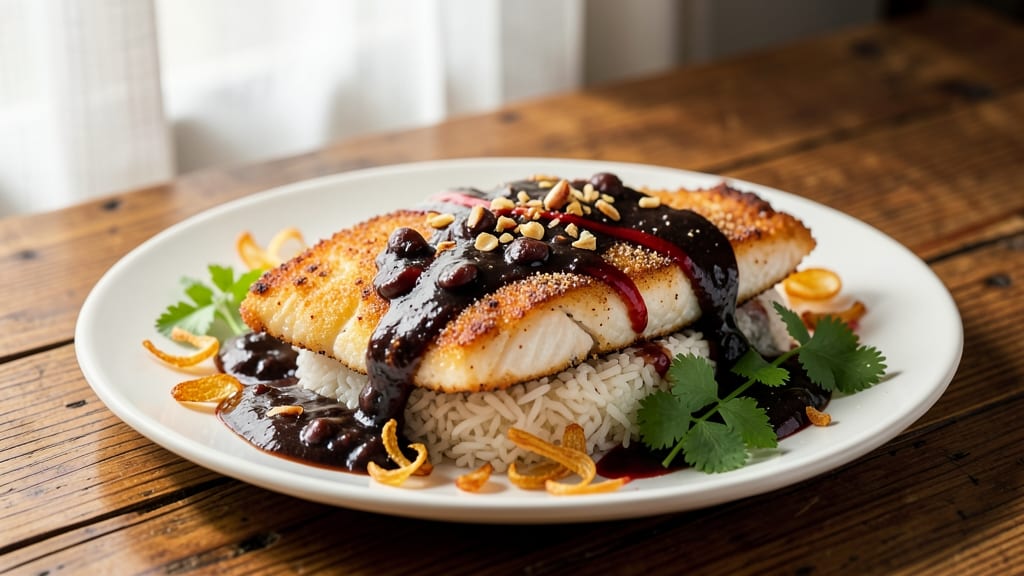
This fried fish with black bean sauce delivers the perfect balance of crispy golden crust and rich, umami-packed sauce that clings to every bite.
The secret lies in a light cornstarch batter that creates shatteringly crisp edges while keeping the fish tender inside, paired with a velvety black bean sauce simmered to perfection.
I developed this recipe after years of experimenting with Asian-inspired fried fish, and it's now my go-to for weeknight dinners that feel like a restaurant meal.
The black bean sauce is where the magic happens—thickened with a touch of cornstarch for that signature glossy finish, yet still light enough to coat the fish without overwhelming it.
We'll use a blend of black beans, soy sauce, and a hint of garlic for depth, balancing sweetness and savory notes. The key is simmering it just long enough to develop the flavors without letting it reduce too much, ensuring every spoonful is rich and cohesive.
By the time you plate this dish, you'll have perfectly fried fish with a golden, crispy exterior that shatters at the first bite, paired with a glossy black bean sauce that clings beautifully. The contrast between the crunchy fish and silky sauce creates a harmony that's impossible to resist.
Serve it with steamed jasmine rice and quick-pickled vegetables for a complete meal that's both satisfying and elegant.
This recipe is designed to be foolproof—whether you're frying delicate white fish like cod or heartier options like tilapia, the technique ensures consistent results every time.
The black bean sauce can be made ahead and reheated, making this a perfect dish for busy weeknights or special occasions when you want to impress without spending hours in the kitchen.
Ingredients for fried fish with black bean sauce
Crispy fish meets velvety black bean sauce—just these 15 ingredients transform simple weeknight dinner into restaurant magic.
| Ingredient | Amount | Notes |
|---|---|---|
| White Fish Fillets 🐟 | 1 ½ lb | Cod, tilapia, or snapper preferred |
| All-Purpose Flour 🌾 | ½ cup | For dredging fish lightly |
| Cornstarch 🌾 | ½ cup | For ultra-crispy batter |
| Large Eggs 🥚 | 2 whole | Beaten for egg wash |
| Vegetable Oil 🫒 | 3 cups | For frying, high smoke point |
| Black Beans 🌱 | 1 cup | Cooked, canned drained |
| Light Soy Sauce 🥄 | ¼ cup | For umami depth |
| Garlic Cloves 🧄 | 3 cloves | Minced for sauce |
| Green Onions 🧅 | ¼ cup | Chopped for garnish |
| Sesame Oil 🫒 | 1 tbsp | For finishing sauce |
| Cornstarch 🌾 | 1 tsp | To thicken sauce |
| Salt 🧂 | 1 tsp | Kosher or sea salt |
| Black Pepper 🌶️ | ½ tsp | Freshly ground preferred |
| White Pepper 🌶️ | ¼ tsp | For subtle heat |
| Sugar 🍬 | 1 tsp | Balances flavors |
The fish is non-negotiable here. Cod or tilapia stay tender while getting crispy—snapper or halibut work too if you want more flavor. Buy fillets with the skin on for extra crunch, but remove it before cutting into even pieces (about 1-inch thick). Trader Joe's and Whole Foods carry the best quality, but any seafood counter will do. Look for fillets that are firm to the touch with no fishy smell. If using frozen, thaw overnight in the fridge—never under running water, or the fish will turn mushy.
No cornstarch? Arrowroot powder works 1:1, but cornstarch gives that signature crisp. Short on black beans? Substitute 1/2 cup canned lentils (drained), but the texture won't be identical. The soy sauce should be light, not dark—dark adds too much color. For a smoky twist, swap 1/2 tbsp of the soy sauce for liquid smoke. The sesame oil is key—use toasted sesame oil if you've got it, but regular works too. And yes, you can make the sauce ahead—it actually tastes better after flavors meld overnight.
Keep the cornstarch batter dry in an airtight container for up to 3 days, and the sauce holds for 5 days in the fridge. The fish? Fry it fresh—it loses crispiness fast. But the sauce reheats beautifully, so make extra for dipping or drizzling over rice. Store any leftovers in a sealed container with parchment between layers to keep it crisp. Freeze fried fish for up to 1 month, but it won't be as crispy when reheated—better to fry only what you'll eat in a day.
Why You'll Love This Recipe
- No-Fuss Batter: The cornstarch flour mix clings like magic—no lumps, no frustration. Just dip, dip, done. (Between us, I’ve ruined fish batter before, but this? Foolproof.)
- Umami Bomb: That black bean sauce—sweet, salty, funky—turns simple white fish into something special. The garlic and soy sing together, and honestly? It’s the kind of flavor that makes you pause mid-bite.
- Weeknight to Potluck: Same recipe feeds two for dinner or six at a picnic. Double the sauce, keep the fish fillets whole for fancy vibes, or chop them for quick bites. My go-to for "I have no idea what I’m doing" nights.
- Leftovers That Don’t Suck: Crispy fish stays crispy (yes, really) when reheated, and the sauce thickens into a glaze. Pack it for lunch or freeze portions—no sad, soggy leftovers here. Budget win, too.
Step-by-step instructions for crispy fried fish with black bean sauce
Here's how to achieve that perfect golden crust and rich, velvety black bean sauce every time.
Prepare the Fish for Frying
Pat the 1.5 lb white fish fillets completely dry with paper towels—this is crucial for maximum crispiness. You want them bone-dry so the batter sticks properly and the oil doesn't splash. Place the fillets on a wire rack set over a baking sheet to keep them elevated.
In a shallow bowl, whisk together the 0.5 cup all-purpose flour, 0.5 cup cornstarch, 1 tsp salt, 0.5 tsp black pepper, and 0.25 tsp white pepper. This dry mix creates that perfect balance of lightness and crunch. In another bowl, beat the 2 whole large eggs until just combined—they should be smooth but still slightly thick.
Create the Crispy Batter
Heat the 3 cups vegetable oil in a deep skillet to 350°F—this is the magic temperature for that golden-brown crust without burning. I use a deep-fry thermometer to monitor it carefully. The oil should be shimmering but not smoking when ready.
Dredge each fish fillet first in the flour-cornstarch mixture, tapping off any excess, then dip into the beaten eggs, letting any excess drip off. Return to the flour mixture one more time, pressing gently to ensure full coverage. The double-dredging creates that extra-crispy outer layer we're after.
Fry to Perfect Golden Brown
Carefully slide the battered fillets into the hot oil, working in batches if needed to avoid overcrowding. Fry for 3-4 minutes per side until they reach a deep golden brown color—this is your visual cue for doneness. The edges should be crispy while the center remains just firm to the touch.
Transfer the fried fish to a paper towel-lined plate to drain excess oil. Keep them warm in a 200°F oven while you prepare the sauce. If the fish sits too long before serving, the crust will lose its crispness—that's why timing matters here.
Make the Black Bean Sauce
In a clean skillet, combine the 1 cup cooked black beans, 0.25 cup light soy sauce, 3 minced garlic cloves, and 1 tsp sugar. Cook over medium heat for 5 minutes, stirring occasionally, until the mixture starts to break down and become saucy. The beans should soften slightly while releasing their natural flavors.
In a small bowl, whisk together 1 tbsp sesame oil and 1 tsp cornstarch. Pour this mixture into the bean sauce and stir constantly for 1-2 minutes until the sauce thickens to a glossy, velvety consistency. The sauce should coat the back of a spoon—this is your perfect texture checkpoint.
Assemble and Serve
Return the fried fish to the skillet with the black bean sauce, spooning the sauce generously over each fillet. Toss gently to coat the fish evenly. The residual heat will help the sauce cling perfectly to the crispy crust.
Garnish immediately with the 0.25 cup chopped green onions for a fresh pop of color and brightness. Serve the fish with steamed rice or fresh vegetables to balance the rich flavors. The contrast between the crispy fish and creamy sauce makes every bite unforgettable.
Pro Tips For Making Fried Fish With Black Bean Sauce
- PAT THE FILLETS DRY: Skip the soggy crust by blotting your fish with paper towels—really press hard, especially around the edges. I used to skip this and ended up with a sad, uneven fry every time. Wet fish absorbs oil like a sponge instead of crisping.
- MIX FLOUR AND CORNSTARCH: Combine the flour and cornstarch (about 3:1 ratio) before dredging—this keeps the coating even and prevents clumping. I learned this after watching my first batch turn into a lumpy mess in the pan.
- FRIED IN BATCHES: Don’t overcrowd the pan—fry in small batches even if it takes longer. Too many fillets at once drop the oil temperature, and you’ll end up with greasy fish instead of golden, crispy perfection.
- SAUCE READY FIRST: Warm your black bean sauce before frying the fish—just heat it through and keep it covered. Cold sauce dilutes the oil’s heat, and you’ll lose that sizzle that makes the dish sing. (Yes, even if you’re impatient like me.)
Best sauces and condiments for this dish
Sauce Thickening Secrets
The black bean sauce relies on a cornstarch slurry for that signature glossy finish. I mix 1 tsp cornstarch with 1 tbsp sesame oil to create a smooth paste—this prevents clumping better than flour.
Whisk it vigorously into the simmering beans for 1-2 minutes until it reaches a coating consistency. For extra richness, I sometimes add ½ tsp grated ginger to the slurry for warmth. 🌶️
Flavor Boosters
Elevate the sauce with 1 tsp fish sauce (like Red Boat) for deeper umami complexity. A pinch of white pepper adds subtle heat without overpowering the beans' earthiness. For sweetness, I swap ½ tsp sugar for 1 tsp honey—it caramelizes slightly during simmering.
The key is balancing these elements while keeping the sauce light enough to coat the fish.
Sauce Variations
For a spicy kick, stir in 1 tsp gochujang (Korean chili paste) with the garlic. A vegetarian twist replaces fish sauce with 1 tbsp coconut aminos.
For a smoky profile, add ½ tsp smoked paprika to the dry batter. Each variation keeps the sauce's velvety texture while adding new dimensions.
Sauce Storage Tips
Store leftover sauce in an airtight container for up to 5 days—it actually improves overnight as flavors meld. Reheat gently on low heat with 1 tbsp water to prevent drying.
For freezing, portion into ice cube trays, then transfer to a bag. Thaw overnight in the fridge before reheating—this preserves the sauce's glossy texture perfectly. ❄️
Sauce Pairing Ideas
Use the sauce as a dipping sauce for spring rolls or dumplings—its balance of sweet and savory makes it versatile. Drizzle over steamed greens like bok choy for a quick side. The sauce also works as a marinade for tofu or chicken if you want to repurpose it.
For dessert, reduce it slightly and drizzle over vanilla ice cream—trust me, it's delicious! 🍦
Sauce Troubleshooting
If your sauce is too thin, whisk in ½ tsp more cornstarch and simmer for 1 additional minute. For a grainy texture, blend the beans first with 2 tbsp water before cooking.
Over-simmering? Add 1 tsp water to restore moisture. The sauce should always be smooth, glossy, and coat the back of a spoon—this is your perfect consistency benchmark.
Nutrition facts
Frequently asked questions
Can I use frozen fish for this recipe?
Yes, but thaw it properly first! Place frozen fish fillets in the refrigerator overnight (or sealed in a bag submerged in cold water for 20-30 minutes) to prevent uneven cooking. Never thaw at room temperature—this causes the fish to turn mushy. Pat completely dry before battering for that perfect crispy crust.
How do I keep the fried fish crispy when serving?
Keep fried fish warm in a 200°F oven on a wire rack (not a plate) while finishing the sauce. The rack allows air circulation to maintain crispness. If serving family-style, transfer fish to a serving platter and tent loosely with foil—this traps heat without steaming the crust. Serve immediately for maximum crunch!
What's the best way to thicken the black bean sauce if it's too runny?
Whisk ½ tsp cornstarch with 1 tbsp cold water to make a slurry, then stir into the sauce while simmering for 1-2 minutes until thickened. For extra insurance, add 1 tsp sesame oil to the slurry—it helps emulsify the sauce for that glossy finish. Never boil the sauce after thickening, or it may break.
Can I make this dish ahead of time?
Prepare the black bean sauce up to 3 days ahead—it tastes even better after flavors meld. For the fish, fry it fresh day-of, but you can assemble the dish 1 hour ahead by keeping the sauce warm in a slow cooker on low. Reheat gently before serving to maintain crispness. Store components separately in airtight containers.
What are good fish alternatives for this recipe?
Any mild, firm white fish works well! Try cod, tilapia, or snapper for classic results. For more flavor, use halibut or mahi-mahi. Avoid delicate fish like flounder—they can fall apart during frying. Cut fillets into 1-inch thick pieces for even cooking.