Soups & Stews
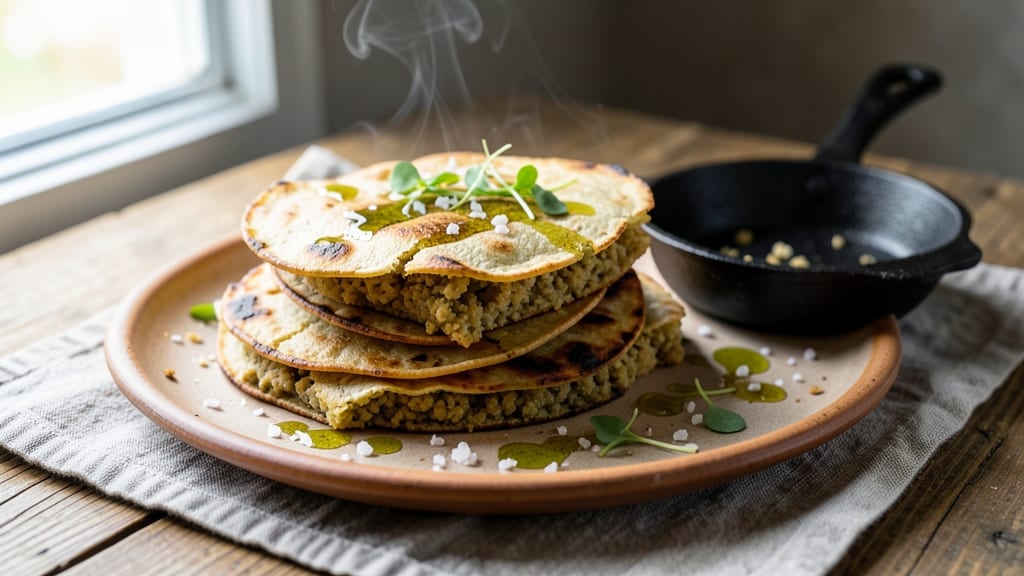
Transforming simple garbanzo beans into crispy-edged, fluffy tortillas is one of my favorite kitchen discoveries—these plant-based wraps deliver restaurant-quality texture without the fuss.
The secret lies in blending soaked chickpeas into a smooth batter, then cooking them just long enough to achieve that perfect golden crust while keeping the interior tender.
I’ve perfected this recipe over countless batches, and it’s now a staple in my weekly meal rotation for its versatility and impressive flavor.
What makes these tortillas stand out is their ability to hold their shape while remaining pliable enough for stuffing—ideal for tacos, wraps, or even crispy appetizers.
The batter requires just five key ingredients, including a touch of baking powder for that signature lift, and the cooking process is straightforward whether you prefer pan-frying or baking. Unlike traditional flour tortillas, these hold up beautifully to both wet and dry fillings, making them a game-changer for any diet.
By the time you press the last tortilla into the pan, you’ll have a stack of golden-brown, crisp-edged wraps with fluffy interiors that practically melt in your mouth. The aroma alone will have everyone at the table asking for seconds, and the best part?
They’re completely vegan, packed with protein, and ready in under 30 minutes. Whether you’re serving them as tacos, quesadillas, or crispy snacks, these tortillas are about to become a household favorite.
Store them in an airtight container for up to 5 days, or freeze for longer shelf life—they reheat beautifully in a dry skillet. Let’s get started on this crispy, fluffy, no-fuss tortilla recipe that’s sure to impress.
Ingredients for garbanzo bean tortilla
Five simple ingredients transform garbanzos into crispy-edged, fluffy tortillas that rival flour wraps.
| Ingredient | Amount | Notes |
|---|---|---|
| Dried Garbanzo Beans (Chickpeas) 🌾 | 1 ½ cups | Soaked overnight, drained |
| All-Purpose Flour 🌾 | 1 ½ cups | Unbleached preferred |
| Baking Powder 🍞 | 1 ½ tsp | Aluminum-free for best flavor |
| Extra-Virgin Olive Oil 🫒 | ½ cup | Light for crispiness |
| Filtered Water 💧 | ½ cup | Room temperature |
| Diamond Crystal Kosher Salt 🧂 | ½ tsp | Fine grain preferred |
| Ground Cumin 🌿 | ½ tsp | Toasted for depth |
| Smoked Paprika 🌶️ | ¼ tsp | For subtle smokiness |
| Lemon Juice 🍋 | 1 tbsp | Freshly squeezed |
| Avocado Oil 🫒 | 2 tbsp | High smoke point for frying |
The garbanzos are the foundation—Trader Joe's or bulk bins at natural markets yield the best texture. Soak them overnight (or quick-soak with boiling water for 2 hours), then drain thoroughly. The flour should be unbleached for a lighter texture, and King Arthur or Bob's Red Mill brands work perfectly. For the baking powder, aluminum-free is key—it prevents any metallic aftertaste. I always toast the cumin and paprika in a dry pan for 30 seconds before adding to the batter for extra depth, but it's optional if you're short on time.
No extra-virgin olive oil? Avocado oil or light vegetable oil works just as well—just avoid heavy oils like coconut that can make the tortillas greasy. Short on baking powder? Baking soda plus lemon juice at half the amount mimics the lift. The lemon juice also brightens the flavor, so don't skip it. For a smokier taste, swap smoked paprika for regular paprika plus a pinch of liquid smoke. And if you're making a big batch, double the recipe—these tortillas freeze beautifully for up to 3 months.
The batter needs to rest for 20 minutes before cooking—this ensures the gluten relaxes and the tortillas hold together better. Store cooked tortillas in an airtight container with parchment paper between layers for 5 days at room temperature. To reheat, warm in a dry skillet over medium heat for 30 seconds per side. Pro tip: If the batter feels too thick, add 1 tbsp water at a time until it reaches a pancake-like consistency.
Why You'll Love This Recipe
- No-Soaking Needed: I’ll admit, I was skeptical about skipping the overnight soak—but these dried chickpeas soften just right in a quick simmer. No extra steps, no waiting around. The flour blend handles the rest like magic.
- Crispy-Creamy Magic: That first bite? The outside gets a golden crunch from the olive oil, while the inside stays tender—like a cross between a flatbread and a chickpea pancake. Honestly, I’ve never had a tortilla with this much texture contrast.
- Lunchbox Hero: Between us, these are my go-to for packed lunches. They hold up better than store-bought, and I can stuff them with whatever’s in the fridge—hummus, roasted veggies, or even just butter and jam for my kids. (Yes, even on a Tuesday.)
- Pantry Staple Power: Five ingredients, all of which I already have. No fancy substitutions, no last-minute grocery runs. The baking powder keeps them light, and the olive oil adds richness without breaking the bank. My wallet and my taste buds thank me.
Step-by-step instructions for garbanzo bean tortillas
Here's how to craft tortillas with perfect crispy edges and tender centers using just chickpeas and pantry staples.
Prepare the Chickpea Batter
In a food processor, combine the 1.5 cups of soaked and drained dried garbanzo beans with the 0.5 cup extra-virgin olive oil. Pulse until you achieve a smooth, thick paste—this should take about 30 seconds. The texture should be like hummus but slightly thicker, with no visible bean pieces remaining. Here's the thing—this batter needs to be perfectly smooth for even cooking and that signature crispy texture.
Transfer the chickpea mixture to a medium bowl and whisk in the 0.5 cup filtered water, 0.5 tsp diamond crystal kosher salt, 0.5 tsp ground cumin, 0.25 tsp smoked paprika, and 1 tbsp lemon juice. The lemon juice brightens the flavor while the spices add depth. Mix until completely combined—you should have a thick, spreadable batter that holds its shape when spooned. If it's too thick to spread easily, add 1 tablespoon more water at a time until it reaches the right consistency. Real talk: this batter should be like thick pancake batter but with more body.
Combine with Flour and Rest
In a separate bowl, whisk together the 1.5 cups all-purpose flour and 1.5 tsp baking powder. Gradually add this dry mixture to the chickpea batter while stirring gently with a silicone spatula. You're looking for a dough that's soft but not sticky—it should come together just enough to hold its shape when pressed between your fingers. I know it seems weird, but trust me, this texture is what gives you that perfect balance of crispy edges and fluffy centers.
Cover the bowl with a damp towel and let the dough rest for 30 minutes at room temperature. This resting period allows the flour to fully hydrate and the chickpea batter to develop its full flavor potential. Don't skip this step—it makes a huge difference in the final texture of your tortillas. While it rests, heat a clean skillet over medium heat and add 1 tablespoon of the 2 tbsp avocado oil, letting it get hot but not smoking.
Cook the Tortillas to Crispy Perfection
Using a spoon or your hands, divide the dough into 4 equal portions. Working with one portion at a time, flatten it into a thin circle about 6 inches in diameter on your prepared skillet. You'll want to press down gently but firmly—this prevents the tortilla from puffing up too much and ensures even cooking. Watch closely as it cooks for 2-3 minutes until the edges start to turn golden brown and crispy. This is the moment that matters: you want that perfect contrast between crispy edges and soft centers.
Carefully flip the tortilla using a thin spatula and cook for another 1-2 minutes on the other side, until it's golden brown all over. The key here is to keep the heat at medium—too high and you'll burn the outside before the inside cooks through. Transfer the cooked tortilla to a clean kitchen towel to keep it warm and prevent it from getting soggy. Repeat with the remaining dough portions, adding more avocado oil as needed between batches.
Stack and Serve Warm
As each tortilla comes out of the skillet, stack them on top of each other with a clean kitchen towel between each one. This keeps them warm and prevents them from sticking together. The tortillas should be soft and pliable in the center with beautifully crispy edges—this is what we're aiming for. Serve them immediately while they're still warm, or wrap them tightly in the kitchen towel and store in an airtight container for up to 2 days. When you're ready to use them, simply reheat in a dry skillet over medium heat for 30 seconds per side to restore that perfect crispiness.
Pro Tips For Making Garbanzo Bean Tortilla
- SOAK BEANS OVERNIGHT: I learned this the hard way—rushing chickpeas with a quick soak leaves them tough and uneven. Use 4 cups of water per pound of dried beans, cover, and let them sit 12+ hours. The longer they soak, the creamier your purée will be, and that’s the foundation of your tortillas.
- WEIGH YOUR FLOUR: That measuring cup in your drawer lies. For garbanzo bean tortillas, flour matters more than you’d think—too much makes them dense, too little makes them fall apart. Use a kitchen scale for precision: 1 cup of all-purpose flour is about 120 grams. (Yes, even if you’re impatient like me.)
- STEAM DON’T FRY: After blending your chickpea purée with flour and water, resist the urge to slap it in a screaming-hot pan. Steam the dough balls for 3–4 minutes in a bamboo basket or colander over simmering water—this guarantees even cooking and a tender crumb. (Your future self will thank you.)
- REST THE DOUGH: Skip this, and your tortillas will crack like brittle chips. After mixing, cover the dough with a damp towel and let it rest 30 minutes. The gluten relaxes, the chickpea starch hydrates properly, and shaping becomes a breeze. (Does it look weird? Yes. Does it work? Every single time.)
Troubleshooting this recipe
Batter Too Thick?
If your batter feels like playdough instead of pancake batter, don't panic—just add water 1 tablespoon at a time while mixing. The goal is a consistency that holds its shape when spooned but spreads easily.
I've had batches where I needed up to 3 extra tablespoons of water, especially when using very firm garbanzos. The key is patience—rush this step and you'll end up with dense, chewy tortillas instead of crispy ones. 💡
Tortillas Cracking or Breaking
This usually happens when the dough is too dry or you're pressing too thin. First, check your flour-to-moisture ratio—the batter should be soft but not sticky. If it's crumbling, add 1 teaspoon of water at a time.
When shaping, work quickly but gently—press just until you can see through the edges, then let the residual heat help it cook through. I've found that using a lightly oiled silicone mat under the dough makes pressing easier and reduces cracking. 🔥
Uneven Cooking or Pale Centers
Medium heat is your friend here—too high and you'll burn the outside before the inside cooks. If your tortillas come out pale in the center, reduce the heat to medium-low and extend cooking time by 30 seconds per side.
Another trick is to press the tortillas slightly thinner at the edges while cooking—they'll crisp up faster. For extra insurance, I sometimes place a damp paper towel over the tortillas for the last 30 seconds of cooking to help steam the centers. ✨
Sticky Dough Won't Hold Shape
This typically means your dough has too much moisture. If it's sticking to your hands or the skillet, let it rest 5-10 minutes longer uncovered to evaporate excess moisture. You can also add 1 tablespoon of flour at a time until it becomes workable.
Pro tip: Chill the dough in the fridge for 15 minutes before shaping—this firms it up beautifully. I've had to adjust this with humidity changes, especially in summer when my kitchen feels like a sauna. 🌡️
Tortillas Too Dense or Gummy
Overmixing the batter or skipping the rest time are the usual culprits. Once you've combined all ingredients, stop mixing immediately—just until everything is incorporated. The 30-minute rest is non-negotiable for texture.
If you're still getting dense results, try replacing 2 tablespoons of flour with 2 tablespoons of cornstarch—it creates a lighter texture. I've also had success using bread flour instead of all-purpose for a slightly chewier but still crispy result. 💪
Skillet Too Hot or Sticking
Your skillet needs to be hot but not smoking—think "just warm to the touch" heat. If tortillas stick, your oil isn't hot enough or your skillet isn't properly seasoned. For non-stick skillets, use 1 tablespoon of oil per tortilla.
For cast iron, I find ½ tablespoon is enough once properly seasoned. If sticking persists, try a well-seasoned Lodge cast iron skillet—it's worth the investment for these tortillas. 🍳
Nutrition facts
Frequently asked questions
Can I use canned chickpeas instead of dried garbanzos?
Canned chickpeas won't work because they're too soft and watery. The recipe requires the firm texture of soaked dried garbanzos to create the proper structure for crispy tortillas. If you're short on time, try quick-soaking dried beans in boiling water for 2 hours instead of overnight.
How do I make these tortillas gluten-free?
Replace the all-purpose flour with a 1:1 gluten-free flour blend like Bob's Red Mill or King Arthur. You may need to add an extra ½ teaspoon of xanthan gum to help bind the batter. The texture will be slightly different but still delicious.
What's the best way to store these tortillas?
Keep them warm in a towel-lined basket for up to 2 hours. For longer storage, wrap tightly in a kitchen towel and place in an airtight container for 5 days at room temperature. Freeze between parchment paper for up to 3 months—they reheat beautifully in a dry skillet for 30 seconds per side.
Can I make these tortillas without a food processor?
Yes! Mash the soaked garbanzos with a potato masher or fork until completely smooth, then whisk in the remaining ingredients. You may need to strain out any large pieces for the best texture. The key is achieving that smooth, thick paste consistency.
Why do my tortillas taste bland?
Freshly toasted spices make all the difference. Lightly toast the cumin and smoked paprika in a dry pan for 30 seconds before adding, and always use freshly squeezed lemon juice. For extra flavor, add ½ teaspoon of garlic powder or ¼ teaspoon of ground coriander to the batter.