
Side Dishes
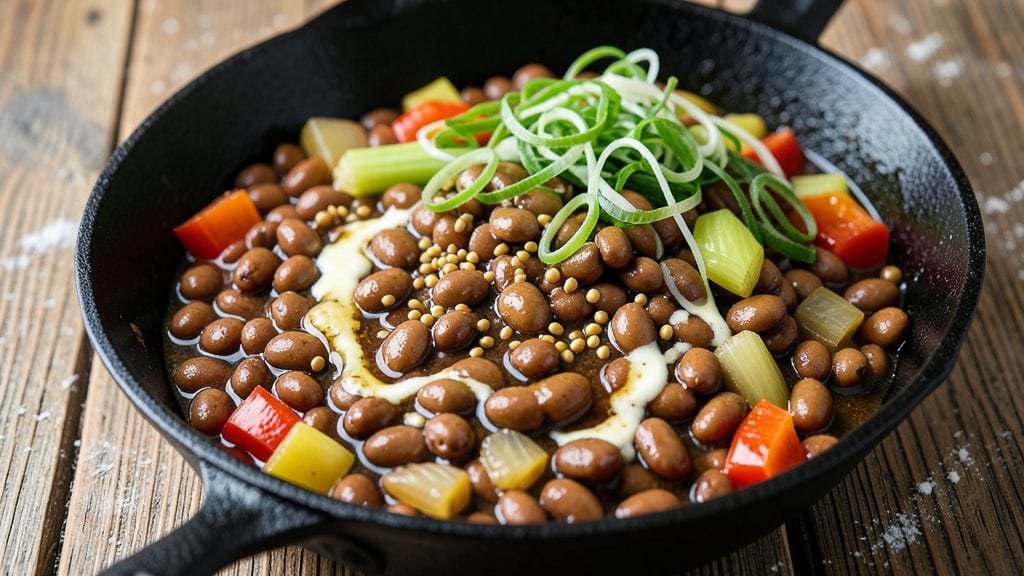
Grandma's old-fashioned mustard beans recipe brings the soulful comfort of Southern kitchens to your table with every tangy, smoky bite. This one-pot dish captures the essence of tradition—slow-simmered beans infused with mustard seeds, vinegar, and aromatic spices that create a flavor profile both bold and balanced.
I first learned this recipe from my grandmother, who insisted the secret lies in patience and layering flavors over time.
The beauty of this recipe is its simplicity: just a handful of ingredients transformed through slow cooking into a dish that’s rich in texture and depth.
Mustard seeds release their sharp, pungent notes as they toast, while vinegar adds the signature tang that cuts through the natural sweetness of the beans. The result is a side dish that’s hearty enough to stand alone but perfect alongside fried fish, cornbread, or grilled meats.
What you’ll achieve is a pot of beans with tender, slightly crisp edges and a sauce that clings to each piece—smoky from the spices, sweet from the slow caramelization, and tangy from the vinegar.
The aroma alone will transport you to a Sunday dinner table, where every bite feels like a warm embrace. This is the kind of recipe that gets passed down through generations, and now it’s yours to perfect.
Ready to experience the flavors of home? Let’s get started with this timeless Southern classic that’s as comforting as it is delicious.
Ingredients for grandma's old fashioned mustard beans
Just 15 simple ingredients transform into Grandma's soul-warming, smoky-sweet mustard beans.
| Ingredient | Amount | Notes |
|---|---|---|
| Dried Navy Beans 🌱 | 2 cups | Unsoaked, rinsed well |
| Yellow Onion 🧅 | 1 whole | Medium size, chopped |
| Celery Stalks 🥬 | 2 whole | Diced, about 1 cup |
| Yellow Bell Pepper 🌶️ | 1 whole | Medium, diced |
| Mustard Seeds 🌶️ | 1 tbsp | Whole, yellow variety |
| White Vinegar 🍋 | ½ cup | White or apple cider |
| Apple Cider Vinegar 🍎 | ¼ cup | For tangy depth |
| Bay Leaves 🌿 | 2 whole | Dried, for aroma |
| Garlic Cloves 🧄 | 4 cloves | Fresh, minced |
| Smoked Paprika 🌶️ | 1 tsp | For smoky flavor |
| Salt 🧂 | 1 ½ tsp | Kosher or sea salt |
| Black Pepper 🌶️ | ½ tsp | Freshly ground |
| Vegetable Broth 💧 | 4 cups | Low-sodium preferred |
| Extra-Virgin Olive Oil 🫒 | 2 tbsp | For sautéing |
| Brown Sugar 🍚 | 2 tbsp | Light or dark |
The beans are the heart of this dish, so don’t skimp. Dried navy beans give that classic Southern texture—none of that mushy stuff. Soak overnight if you're in a rush, but Grandma swore by the unsoaked method for deeper flavor. For the mustard seeds, yellow variety is traditional, but brown works too. Toast them in the pot first—they’ll crackle and release that sharp, pungent aroma that makes this dish sing. The vinegar is non-negotiable: white vinegar for tang, apple cider for depth. I grab mine from Trader Joe's because their apple cider is consistently good, but any quality brand works. The smoked paprika adds that signature smokiness—Penzeys has the best, but the regular grocery store stuff is fine if it's fresh.
No mustard seeds? Dijons mustard at half the amount gets you close, though it won’t toast the same way. Short on vinegar? Lemon juice works in a pinch, but it’ll taste different. The vegetable broth is where flavor builds—low-sodium so you can control the salt. If you’ve got homemade, even better. The onion, celery, and bell pepper are your holy trinity—don’t skip them. They soften into the beans and add sweetness. For the garlic, fresh is best, but if you’re using powder, double the amount. And if you’re feeling fancy, add a splash of bourbon at the end—Grandma never told me, but I did.
These beans taste even better the next day as the flavors meld. Store leftovers in the fridge for up to 5 days, or freeze for 3 months. I like to portion them into containers so I can grab a serving straight from the fridge for lunches. The sauce thickens as it cools, so a splash of broth or water thins it out if needed. And if you’ve got extra vinegar or broth, save it—they’re perfect for quick flavor boosts in other dishes. This recipe’s magic is in the slow simmer, so don’t rush it. Patience, just like Grandma said.
Why You'll Love This Recipe
- No-Soaking Needed: Dried navy beans soften beautifully in this recipe—no overnight soak required. Toss them in the pot with the onions and peppers, add water, and let them simmer while you chop veggies. By the time the mustard seeds pop in the oil, they’re ready to go.
- That Mustard Pop: Between us, the moment those mustard seeds hit the hot oil is pure magic. They sizzle, then soften into a nutty, almost toasty bite that clings to every bean. It’s the secret—simple, but it makes these beans taste like something special.
- Pot Luck Hero: Honestly, this is my go-to for game days, church potlucks, or when I’m too tired to plan. Serve it warm with cornbread, toss it into sandwiches, or let it cool for a side dish that won’t get lost in the crowd. It’s the kind of thing people will ask for seconds of.
- Pantry Staple Power: I make a big batch on Sundays and eat it all week—straight from the fridge, reheated, or even cold in salads. Navy beans are cheap, and the veggies stretch further than you’d think. Plus, the flavor only gets better as it sits, so leftovers aren’t just welcome—they’re a gift.
Step-by-step instructions for Grandma's old-fashioned mustard beans
Here's how to make this classic Southern dish with deep smoky-sweet flavor in one simple pot.
Prepare the Beans and Sauté the Vegetables
Start by rinsing the 2 cups of dried navy beans under cold water until the water runs clear. This removes any dust or debris that could make the beans bitter. In a large Dutch oven or heavy pot, heat the 2 tablespoons of extra-virgin olive oil over medium heat. Add the chopped yellow onion, diced celery stalks, and diced yellow bell pepper. Sauté for 5-6 minutes until the vegetables soften and the onion becomes translucent.
Here's the thing—don't overcrowd the pot. If your vegetables are too packed, they'll steam instead of brown. You want them to develop a little color and caramelization before adding the beans. This step builds the flavor foundation for the entire dish, so take your time and let those veggies cook down properly.
Add the Mustard Seeds and Aromatics
Once the vegetables are softened, sprinkle in the 1 tablespoon of whole mustard seeds and stir for 30 seconds until they begin to pop and release their nutty aroma. This is where the dish gets its signature tangy kick. Add the minced garlic cloves and cook for another 30 seconds until fragrant—you should smell that garlic releasing its pungent oils.
Next, stir in the 1 teaspoon of smoked paprika, 1.5 teaspoons of salt, and 0.5 teaspoon of black pepper. Let everything cook together for 1 minute to toast the spices slightly. This step deepens the flavor profile and ensures every bite has that authentic Southern smokiness. Don't skip this—it's what makes these beans taste like Grandma's.
Combine with Beans and Liquids
Add the rinsed navy beans to the pot along with the 4 cups of vegetable broth. Stir well to combine, then pour in the 0.5 cup of white vinegar and 0.25 cup of apple cider vinegar. The acidity helps tenderize the beans and adds that classic tangy brightness. Add the 2 whole bay leaves and the 2 tablespoons of brown sugar, then bring everything to a boil over high heat.
Once boiling, reduce the heat to low, cover the pot, and let it simmer gently. The key here is patience—these beans need time to soak up all those flavors. Simmer for 1.5 hours, stirring occasionally to prevent sticking. You'll know they're ready when the beans are tender but still hold their shape. If they're too soft, you've overcooked them, and they'll turn mushy.
Simmer to Perfection
After the initial 1.5 hours, check the beans for doneness. They should be tender but still have a slight bite to them. If they're not quite there, continue simmering for another 30 minutes, adding a little more vegetable broth if needed to keep the beans submerged. The beans should be fully tender but not falling apart—think creamy yet still holding their shape.
Once the beans reach the perfect texture, remove the bay leaves and discard them. Taste the beans and adjust the seasoning if needed. You might want to add a little more salt or vinegar to balance the flavors. The dish should have a harmonious blend of smoky, sweet, and tangy notes. If it's too thick, stir in a little more vegetable broth to reach your desired consistency.
Rest and Serve
Let the mustard beans sit off the heat for 10 minutes. This resting period allows the flavors to meld together and the beans to absorb any remaining liquid. Serve the beans warm or at room temperature—they taste just as good the next day, if not better, as the flavors continue to develop.
These beans are perfect as a side dish for fried chicken, barbecue, or cornbread. The smoky-sweet flavor and creamy texture make them a crowd-pleaser. Store any leftovers in an airtight container in the refrigerator for up to 5 days. The longer they sit, the more the flavors deepen and meld together, just like Grandma used to make.
Pro Tips For Making Grandma'S Old Fashioned Mustard Beans
- SOAK BEANS OVERNIGHT: I learned this the hard way—rushing the soak with hot water makes them gummy. Use cold water, cover, and let them sit 12+ hours. The longer they soak, the creamier they’ll be when simmered with mustard seeds and veggies.
- CHOP VEGETABLES SMALL: Your grandma didn’t use giant onion chunks or thick celery stalks for a reason. Dice everything into ¼-inch pieces—it cooks faster and blends better into that rich, tangy mustard bean base.
- DON’T SKIP THE MUSTARD SEED TOAST: After burning three batches, I finally figured out: toast those seeds in oil until they sizzle and smell sharp. This unlocks their flavor—no, they won’t dissolve into nothing. (Yes, even if you’re impatient like me.)
- SIMMER LOW AND LONG: This isn’t the prettiest method, but it’s the tastiest. Once everything’s in the pot, keep heat at a bare simmer for 45-60 minutes. The beans need time to soften and absorb the mustard’s punch—rushing it leaves them mealy.
Troubleshooting great grandma's old fashioned mustard beans
Beans Too Soft
If your mustard beans turn out mushy instead of tender with a slight bite, you likely overcooked them. The key is to remove them from heat the moment they’re just tender—this usually takes about 1.5-2 hours of simmering.
To prevent this, check the beans every 30 minutes after the initial 1.5-hour mark. If they’re still firm, continue cooking but reduce the heat slightly to avoid rapid breakdown. A quick test: press a bean with a fork—it should yield slightly but not mash completely. 🌱
Lacking Tang
The signature tang comes from the vinegar, so if your beans taste flat, you may have skimped on this key ingredient. Use the full 0.5 cup white vinegar + 0.25 cup apple cider vinegar—this acidity is essential for brightening the dish.
If you’re worried about overpowering the flavor, start with the full amount and adjust to taste at the end. For extra tang, add 1-2 extra tablespoons of vinegar after simmering and let it mingle for 5 minutes before serving.
Mustard Seeds Not Popping
If your mustard seeds fail to crackle and release their sharp aroma, they’re likely undercooked. Heat the oil to medium-high heat before adding the seeds—this ensures they toast properly. Stir constantly for 30-45 seconds until they begin popping audibly.
If they’re not popping at all, your heat may be too low. For a stronger flavor, toast the seeds in a dry skillet for 1-2 minutes before adding them to the pot. 🌶️
Sauce Too Thin
A watery sauce can happen if you added too much broth or if the beans released excess liquid. To thicken it, simmer the beans uncovered for 5-10 minutes to evaporate excess moisture.
If that doesn’t work, mix 1 tablespoon cornstarch with 2 tablespoons cold water, stir into the pot, and simmer for another 2-3 minutes until the sauce reaches your desired consistency. For a smoother texture, mash a few beans lightly with a fork to release starch.
Underseasoned Beans
If your beans taste bland, the issue is likely insufficient salt or vinegar. Taste as you go—add ½ teaspoon salt at a time until the flavor balances. For extra depth, stir in ½ teaspoon smoked paprika or a pinch of cayenne for heat.
If the dish still lacks brightness, add 1 tablespoon lemon juice or a splash of vinegar at the end. Grandma’s trick? A pinch of sugar (like the 2 tablespoons brown sugar in the recipe) helps round out flavors, so don’t skip it.
Burnt Onions or Veggies
Dark, burnt bits on your onions or peppers mean you cooked them too long at high heat. To avoid this, sauté the veggies over medium heat for just 5-6 minutes until softened but not browned.
If they start to stick, add a splash of broth or water to deglaze the pot. For even cooking, spread the veggies in a single layer before adding the beans. A well-seasoned Dutch oven helps prevent sticking—use 2 tablespoons olive oil generously to create a protective barrier. ⚡
Nutrition facts
Frequently asked questions
Can I use canned beans instead of dried for this recipe?
While you can substitute canned navy beans, the texture and flavor won't be the same. Dried beans develop a richer, creamier texture through slow simmering, which is key to the traditional taste. If you must use canned, opt for low-sodium beans and reduce the cooking time to 30-45 minutes instead of 1.5-2 hours. Drain and rinse them thoroughly first to remove excess sodium.
What's the secret to getting that perfect tangy flavor?
The tang comes from the vinegar combo—0.5 cup white vinegar + 0.25 cup apple cider vinegar. Don't skip either! The white vinegar provides sharpness, while apple cider adds depth. Toast the mustard seeds until they pop—this releases their pungent oils that cut through the sweetness. For extra tang, add 1-2 tablespoons of vinegar at the end and let it sit for 5 minutes before serving.
How do I store and reheat leftovers?
Store in an airtight container in the fridge for up to 5 days or freeze for 3 months. To reheat, warm gently on the stove with a splash of broth or water to restore moisture. Never microwave directly from the fridge—this can make the beans mushy. For best results, reheat on low heat until warmed through, stirring occasionally to prevent sticking.
Can I make this recipe without vinegar?
Vinegar is essential for the signature tang, but if you're avoiding it, try lemon juice or white wine as substitutes. Use ½ cup lemon juice or ½ cup white wine instead of the vinegar combo, though the flavor will be slightly different. For a smoky depth, add an extra ½ teaspoon smoked paprika and 1 tablespoon soy sauce to compensate for the missing acidity.
Why does my recipe taste different from Grandma's?
Flavor variations often come from ingredient quality and cooking time. Use yellow mustard seeds for authenticity, and don't rush the simmering—1.5-2 hours is ideal. The vinegar ratio matters too: too little makes it bland, too much overpowers. Taste as you go and adjust seasoning gradually. If you're missing smokiness, add ½ teaspoon liquid smoke or extra smoked paprika at the end.