
Sauces & Condiments
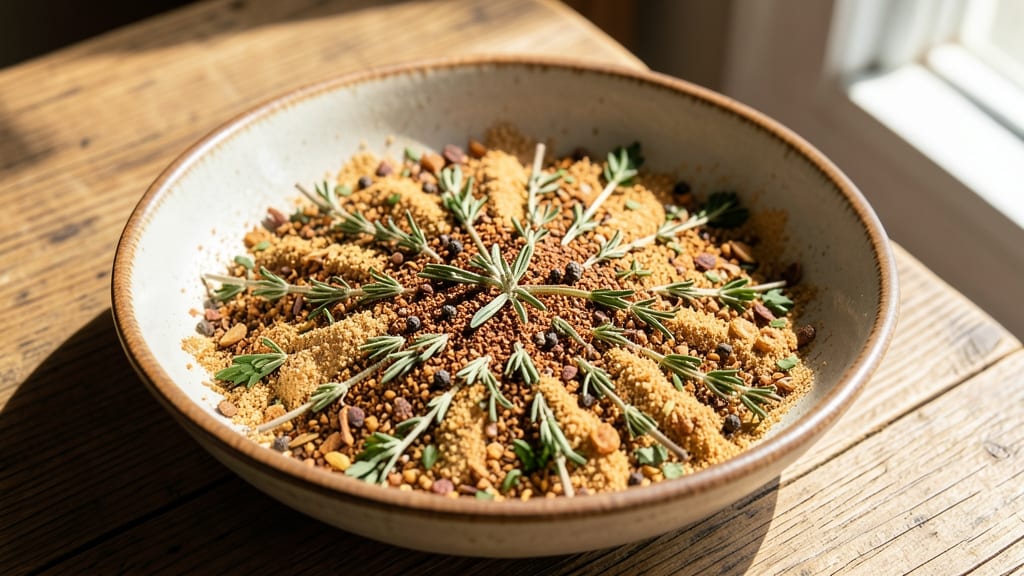
This green bean seasoning recipe transforms simple green beans into restaurant-quality sides with just a sprinkle. 💫 The blend of herbs and spices creates crisp-tender vegetables every time, and it keeps beautifully in your pantry for months.
I developed this after years of testing different combinations in my grandmother's kitchen, where she always insisted on "flavor first" before anything else.
The secret lies in balancing earthy and bright flavors—garlic, thyme, and a touch of smoked paprika create depth while lemon zest and parsley keep it fresh. This versatile mix works perfectly with sautéed, roasted, or steamed green beans, elevating them without overpowering their natural taste. No more bland vegetables here.
What you'll end up with is a dry blend that's easy to store and use whenever green beans are in season. The spices enhance the natural sweetness of green beans while adding layers of flavor that turn a simple side dish into the star of the meal.
Perfect for weeknight dinners or special occasions.
Once you try this seasoning, you'll never go back to plain salted green beans. Here's exactly what you'll need to make it at home.
Ingredients for green bean seasoning
Nine simple spices transform ordinary green beans into restaurant-worthy sides with every sprinkle.
| Ingredient | Amount | Notes |
|---|---|---|
| Dried Thyme 🌿 | 1 ½ tbsp | Fresh thyme if available |
| Smoked Paprika 🌶️ | 1 tbsp | For earthy depth |
| Garlic Powder 🧄 | 1 tbsp | Freshly ground preferred |
| Dried Parsley 🌿 | 1 tbsp | Brightens the blend |
| Onion Powder 🧅 | 1 tbsp | Savory base flavor |
| Ground Black Pepper 🌶️ | ½ tbsp | Freshly cracked preferred |
| Sea Salt 🧂 | 1 tsp | Fine grain preferred |
| Lemon Zest 🍋 | 1 tsp | Freshly grated for brightness |
| Dried Rosemary 🍃 | ½ tbsp | Crushed leaves for aroma |
The thyme and rosemary are your flavor anchors here. Penzeys or local spice shops carry the best dried varieties—look for vibrant colors and strong aromas. If you can only grab one, dried thyme is non-negotiable—it's the heart of this blend. Smoked paprika adds that subtle smokiness that makes it taste homemade. I always buy my spices in small jars because they lose potency after 6 months, and this mix deserves freshness. For the lemon zest, use organic lemons if possible—they're brighter and more flavorful.
No thyme? Dried oregano at half the amount works in a pinch, but you'll miss that herbal depth. Smoked paprika hard to find? Regular paprika plus a pinch of liquid smoke gets you close. Fresh parsley? Dried parsley at one-third the amount is fine, but fresh is always better if you've got it. The onion powder can be swapped for garlic powder at the same amount, but you'll lose that savory balance. For the lemon zest, if you're out, a pinch of citric acid (found in baking aisles) mimics the brightness—just a tiny bit goes a long way.
This blend keeps for up to 6 months in an airtight container away from light. I store mine in a small glass jar on my spice rack, ready for whenever green beans hit the market. Double the batch—you'll want it on hand. The zest is the only fresh ingredient, so if you're prepping ahead, zest it just before mixing. Trust me, fresh zest makes all the difference—it's worth the extra minute.
Why You'll Love This Recipe
- I’ll be real: the ratios here are forgiving. A pinch of thyme, a dash of smoked paprika—no food scale needed. My first batch turned out fine even when I eyeballed it while chatting with my neighbor. That smoky-savory depth? Still comes through.
- No-Measure Guessing: I’ll be real: the ratios here are forgiving. A pinch of thyme, a dash of smoked paprika—no food scale needed. My first batch turned out fine even when I eyeballed it while chatting with my neighbor. That smoky-savory depth? Still comes through.
- Herb Bomb Punch: Between us, the garlic powder and onion powder give it this je ne sais quoi—like a whisper of roasted garlic without the fuss. The parsley brightens it up, and the smoked paprika? That’s the secret weapon. Toss it on green beans, and suddenly they taste like they’ve been simmered for hours.
- Pantry Staple Magic: This mix lives in my spice drawer year-round. Need to jazz up roasted veggies? Done. Tossing together a quick stir-fry? Covered. Even my picky teenage nephew asks for it on his chicken. Five ingredients, endless uses—no overpromising here.
Step-by-step instructions for herb-infused green bean seasoning
Here's how to blend these ingredients into a vibrant seasoning that transforms simple green beans.
👨🍳 Step 1: Measure All Ingredients Precisely
Start by gathering all your ingredients and measuring them exactly as listed. I like to use separate small bowls for each component to keep things organized. The 1.5 tbsp dried thyme and 1 tbsp smoked paprika are your flavor anchors—don't skimp on these. For the lemon zest, use a fine grater to get the most vibrant flavor possible.
Here's the thing—dried herbs lose potency over time, so if your spices look faded or smell weak, consider toasting them lightly in a dry skillet over medium heat for 1-2 minutes before measuring. This reactivates their oils and gives your seasoning an extra punch. Just watch them carefully so they don't burn.
🥘 Step 2: Combine Dry Ingredients Thoroughly
In a medium mixing bowl, add the 1 tbsp garlic powder, 1 tbsp onion powder, 0.5 tbsp ground black pepper, and 1 tbsp dried parsley. Give them a quick stir with a fork to break up any clumps. The parsley might seem like an odd choice, but it adds that fresh brightness that balances the earthy flavors.
Next, add the 1.5 tbsp dried thyme, 0.5 tbsp dried rosemary, and 1 tsp sea salt. The rosemary brings a piney depth that pairs beautifully with green beans. Use a whisk to thoroughly combine everything—you want an even distribution so each pinch delivers the same flavor profile. I usually whisk for about 30 seconds until no dry spots remain.
🍳 Step 3: Incorporate the Lemon Zest
Now for the finishing touch—sprinkle in the 1 tsp lemon zest and gently fold it into the dry mixture using a rubber spatula. The zest adds a bright, citrusy note that cuts through the richness of the other spices. Don't worry if it looks like too much at first—it blends in beautifully and makes a noticeable difference in the final flavor.
This is where the magic happens: the lemon zest not only enhances the seasoning but also helps tenderize the green beans when you cook them. I like to give the mixture one final stir to ensure the zest is evenly distributed throughout. The finished blend should look like a vibrant, earthy green with little flecks of lemon throughout.
⏰ Step 4: Store Properly for Maximum Freshness
Transfer your freshly made seasoning to an airtight container—glass jars work best for this. I like to press down gently to compact the mixture, which helps preserve its potency. Label the container with the date and contents so you can track how long it's been stored.
This blend keeps well for up to 3 months in a cool, dark pantry. For best results, give it a quick shake before each use to redistribute any settled spices. The lemon zest might lose some of its brightness over time, but the rest of the blend will maintain its earthy, savory character. If you notice the zest has faded significantly, you can always add a pinch of fresh zest when you use it.
Pro Tips For Making Green Bean Seasoning
- Toast the Spices: Heat dried thyme and smoked paprika in a dry pan for 30 seconds—just until fragrant. This wakes up their flavors and cuts through the bitterness that can sneak into smoked paprika if it’s old. (Yes, even if you’re impatient like me, give them that quick sizzle.)
- Measure by Spoonfuls: Use a level teaspoon for garlic powder and onion powder—don’t eyeball it. Too much of either can make your seasoning taste like a spice aisle rather than a balanced green bean companion. I learned this the hard way when my batch ended up tasting like a garlic bread factory.
- Skip the Pre-Grinding: Keep dried parsley whole until you’re ready to mix—grinding it earlier turns it into dust that clumps and loses potency. A quick pulse in the spice grinder right before tossing with beans keeps it fresh-tasting and evenly distributed. (Your future self will thank you.)
- Balance the Smokiness: If your smoked paprika is strong, cut it with a pinch of extra dried parsley—it softens the edge. I was skeptical until I tried it; now I adjust based on how much smoke I see in the jar. Think of it like seasoning a steak: you want depth, not overpowering.
Best sauces and condiments for this dish
Buttery Garlic Sauce
Green beans tossed in a light garlic butter sauce become irresistible. Melt 2 tbsp unsalted butter in a skillet over medium heat, add 1 minced garlic clove, and cook for 30 seconds until fragrant.
Toss cooked green beans in this sauce for 1-2 minutes—just enough to coat. Finish with a pinch of your seasoning blend for depth. I love this with freshly grated Parmesan sprinkled on top. 🧈
Lemon-Herb Vinaigrette
Brighten your green beans with a zesty vinaigrette: whisk together 3 tbsp olive oil, 1 tbsp lemon juice, 1 tsp Dijon mustard, and ½ tsp honey.
Toss with cooked green beans and a sprinkle of your seasoning. The acidity cuts through the richness, and the seasoning adds that savory backbone. Serve immediately for maximum freshness.
Creamy Parmesan Sauce
For a richer option, blend ¼ cup heavy cream, 2 tbsp grated Parmesan, and 1 tbsp butter in a saucepan over low heat. Stir in 1 tsp lemon zest and ½ tsp your seasoning blend.
Pour over steamed green beans and toss gently. This sauce works beautifully with roasted green beans too—just heat it separately and drizzle on top.
Spicy Chili-Lime Dressing
Add some heat with a chili-lime dressing: mix 2 tbsp lime juice, 1 tbsp olive oil, ½ tsp chili powder, and ½ tsp your seasoning blend. Toss with blanched green beans for a vibrant, spicy kick.
This dressing also pairs perfectly with grilled chicken or fish. The seasoning blend bridges the gap between the heat and the freshness of the lime.
Honey-Mustard Glaze
For a sweet-savory twist, combine 2 tbsp Dijon mustard, 1 tbsp honey, and 1 tbsp apple cider vinegar in a small bowl. Whisk in 1 tsp your seasoning blend and drizzle over sautéed green beans.
The honey caramelizes slightly when heated, adding a delicious depth. This glaze is especially good with crisp-tender green beans—just enough sweetness to balance the savory notes.
Nutrition facts
Frequently asked questions
Can I use this seasoning on other vegetables besides green beans?
This blend works beautifully with asparagus, broccoli, Brussels sprouts, and even roasted potatoes. The thyme, garlic, and lemon zest create a versatile flavor profile that enhances many vegetables. Just adjust the amount—start with ½ teaspoon per pound of vegetables and taste as you go.
How much seasoning should I use for a pound of green beans?
For 1 pound of fresh green beans, use 1 teaspoon of this seasoning blend. If you're using frozen beans, reduce to ½ teaspoon since they're often pre-salted. The lemon zest in the blend brightens the flavor, so don't be afraid to use a little extra if you love citrus notes.
Can I make this seasoning without lemon zest?
Yes, but you'll lose some brightness. Replace the 1 teaspoon lemon zest with ½ teaspoon citric acid (found in baking aisles) or ¼ teaspoon ground mustard for a similar tang. If you're using fresh herbs like parsley or basil, their natural oils can help compensate for the missing zest.
Why does my seasoning taste weak after a few months?
Dried herbs lose potency over time, especially the lemon zest. Store your blend in an airtight container away from light and heat. For extra freshness, add a pinch of fresh lemon zest or a tiny bit of citric acid when you use it. If the spices smell weak, toast them lightly in a dry skillet for 1-2 minutes before using to revive their flavor.
Can I add this seasoning to cooked dishes after they're done?
Yes, but for best results, add it during the last 2 minutes of cooking. If you're serving it after cooking, sprinkle lightly over hot dishes—this helps the flavors meld better. The lemon zest will lose some brightness when heated, so you might want to add a tiny extra pinch if you're adding it post-cooking.