
Side Dishes
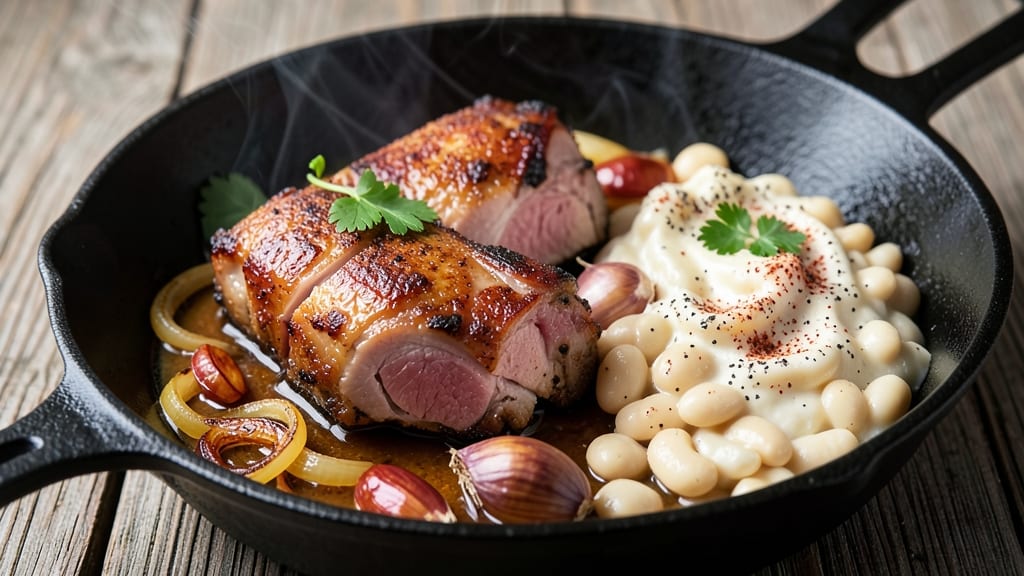
Transforming humble canned beans into a smoky-sweet, collagen-rich stew starts with ham hocks—those underrated pork gems that turn simple ingredients into something deeply satisfying.
This one-pot recipe builds rich, velvety depth as the ham hocks render fat and collagen, creating a sauce so flavorful it’ll disappear faster than you can say "seconds."
The beauty lies in its simplicity: minimal prep, maximum reward, and a technique that works whether you're feeding a crowd or just craving comfort on a chilly evening.
The secret to this dish is patience—letting the ham hocks simmer low and slow until the meat falls off the bone and the beans absorb every ounce of that smoky, savory broth.
You’ll need just a few pantry staples: canned beans for convenience (no soaking required), ham hocks for depth, and a touch of vinegar or smoked paprika to elevate the flavor. The result?
A stew so hearty it stands up to cornbread, rice, or even a crisp green salad on the side—proof that simple ingredients can deliver restaurant-quality meals at home.
What you’ll end up with is a deeply aromatic, thickened stew where tender ham hocks and creamy beans melt together in a sauce that clings to every spoonful. The fat from the ham hocks creates a naturally rich, almost gravy-like consistency, while the beans add hearty texture and plant-based protein.
This isn’t just a side dish—it’s a complete, satisfying meal that tastes even better the next day, making it perfect for meal prep or lazy Sundays.
Pair it with buttery cornbread to soak up every last drop of that smoky-sweet sauce, or serve it alongside fluffy white rice for a balanced plate.
The versatility of this recipe means it works for holidays, weeknight dinners, or even potlucks—wherever you need a dish that’s equal parts comforting and impressive. Ready to turn canned beans into something extraordinary? Let’s get cooking.
Ingredients for ham hocks and canned beans
Sixteen ingredients transform canned beans into a velvety, collagen-rich stew where ham hocks render into golden fat.
| Ingredient | Amount | Notes |
|---|---|---|
| Ham Hocks 🍖 | 2 whole | Fresh or frozen, skin-on preferred |
| Canned White Beans 🥫 | 2 cups | Drained and rinsed, any variety |
| Yellow Onion 🧅 | 1 whole | Medium, diced into 1/4-inch pieces |
| Garlic Cloves 🧄 | 4 cloves | Peeled and smashed, not minced |
| Smoked Paprika 🌶️ | 2 tsp | High-quality, Spanish smoked preferred |
| Ground Black Pepper 🌶️ | 1 tsp | Freshly cracked, coarse grind |
| Apple Cider Vinegar 🍎 | 1 tbsp | Unfiltered, adds bright acidity |
| Bay Leaves 🌿 | 2 whole | Fresh, lightly crushed |
| Vegetable Oil 🫒 | 2 tbsp | High smoke point, like avocado |
| Low-Sodium Chicken Broth 💧 | 4 cups | Homemade preferred, no salt added |
| Kosher Salt 🧂 | 1 ½ tsp | Diamond Crystal preferred, added gradually |
| Fresh Thyme Sprigs 🌿 | 2 whole | Stems removed, leaves only |
| Cayenne Pepper 🔥 | ¼ tsp | Optional, for subtle heat |
| Fresh Parsley 🌿 | ¼ cup | Chopped, for garnish only |
The ham hocks are non-negotiable for this recipe—they render collagen and fat that create a naturally thickened, gravy-like sauce. Look for fresh ham hocks at specialty butchers or well-stocked grocery stores, where they're often sold in the pork section near hams. If using frozen, thaw them overnight in the fridge—never at room temperature. The skin-on variety yields more fat, but skinless works fine if that's all you can find. For optimal flavor, choose hocks with visible marbling, which indicates higher fat content and richer rendering. If you're feeding a crowd, consider doubling the quantity—ham hocks are cost-effective and yield impressive results.
Substitutions are possible but come with trade-offs. No ham hocks? Substitute with 2 cups of pork shoulder, cut into 1-inch cubes, but expect less collagen and a slightly lighter sauce. For the beans, canned navy or great northern beans work equally well, but dried beans require soaking overnight—not ideal for quick weeknight meals. The smoked paprika can be swapped for 1/2 tsp liquid smoke plus 1/2 tsp regular paprika, though the flavor won't be identical. Fresh thyme is ideal, but dried thyme at one-third the amount works in a pinch. The chicken broth can be substituted with water plus 1 tbsp soy sauce or Worcestershire for depth, though homemade broth adds unmatched complexity. Always taste and adjust seasoning—this dish builds flavor as it simmers.
This stew improves with time, so make it a day ahead if possible—the flavors meld beautifully. Store in an airtight container in the refrigerator for up to 5 days, or freeze for 3 months. The sauce will thicken further upon reheating, so add a splash of water or broth if it becomes too stiff. For meal prep, portion into individual containers—each serving pairs perfectly with cornbread or crusty bread. The ham hocks will separate from the bone as they simmer; use a slotted spoon to remove them before serving, then shred the meat and return it to the pot. Garnish with fresh parsley just before serving to brighten the dish with a touch of freshness.
Why You'll Love This Recipe
- Pantry Powerhouse: I swear by this recipe when I’ve got nothing but canned beans and a few basics. No fresh herbs? No problem—the smoked paprika and garlic cloves pack enough punch to make it taste like you slaved over it. (Between us, the ham hocks add that deep, salty richness that turns this into a full meal with almost no work.)
- One-Pot Magic: Honestly, this is my lazy-day savior. You brown the ham hocks, toss in the onions and garlic, add the beans and liquid, and let it simmer. That’s it. No chopping, no straining, no extra pots—just rich, smoky flavor with one spatula to clean. (Yes, even on a Tuesday night when I’d rather be binge-watching than cooking.)
- Leftovers That Don’t Suck: I make a double batch every time because it’s that good reheated. The beans soak up all the ham juices, and the paprika keeps it from tasting flat. Serve it cold in sandwiches, warm over rice, or straight from the pot—it’s always a hit. (My husband’s a picky eater, but he’ll finish the last bowl.)
- Budget-Friendly Feast: This recipe feeds four for under $10, and you’ll still feel like you’re serving something special. The ham hocks give it that restaurant-worthy depth, while the canned beans keep it cheap and easy. Plus, if you’ve got extra, freeze it—no waste, just future meals. (My secret weapon for tight grocery months.)
Step-by-step instructions for ham hocks and canned beans stew
Here's how to transform humble ingredients into a deeply flavorful, collagen-rich stew with perfect texture.
Prepare and Sear the Ham Hocks
Pat the 2 whole ham hocks dry with paper towels to remove any surface moisture. This step is crucial—wet ham will steam instead of developing that rich, caramelized crust. Place them in a large Dutch oven over medium heat and add the 2 tablespoons vegetable oil. Let them sear undisturbed for 5 minutes until the exposed surfaces develop a deep golden brown color.
Flip the ham hocks once and continue cooking for another 3-4 minutes until they're evenly browned on all sides. This initial searing locks in flavor and creates the foundation for your stew's depth. Remove the ham hocks from the pot and set them aside on a plate, leaving all the rendered fat in the Dutch oven—this golden liquid contains concentrated flavor that will build your sauce.
Build the Flavor Base
In the same Dutch oven, add the diced 1 whole yellow onion and cook over medium heat for 5-6 minutes until softened and beginning to caramelize at the edges. Add the 4 smashed garlic cloves and cook for another 30 seconds until fragrant—this releases their full aromatic potential without burning. Stir in the 2 teaspoons smoked paprika and 1 teaspoon ground black pepper, letting them toast in the oil for 15 seconds to deepen their flavor profile.
Pour in the 1 tablespoon apple cider vinegar and scrape up any browned bits from the bottom of the pot with a wooden spoon. This deglazing step captures all the meaty flavor that would otherwise stick to your cookware. Add the 2 whole bay leaves and 2 whole fresh thyme sprigs, then pour in the 4 cups low-sodium chicken broth. Bring the mixture to a gentle simmer, which should take about 3-4 minutes.
Simmer and Develop the Stew
Return the ham hocks to the Dutch oven, along with the 2 cups drained and rinsed canned white beans. Add the 1.5 teaspoons kosher salt and 0.25 teaspoon cayenne pepper (if using), then bring the mixture to a full boil. Once boiling, reduce the heat to low and cover the pot, allowing the stew to simmer gently for 1 hour 15 minutes. This long cooking time is essential—it allows the collagen from the ham hocks to break down into gelatin, creating that signature silky texture.
After about 45 minutes, check the liquid level and add ½ cup water if it appears too reduced. The stew should have a rich, slightly thickened consistency by the end, with the ham hocks falling apart easily when tested with a fork. The aroma should be deeply savory with notes of smoke from the paprika and sweetness from the caramelized onions.
Finish and Serve
Remove the ham hocks from the stew and shred the meat using two forks, discarding any large bones. Return the shredded meat to the pot and stir well to combine. Taste and adjust the seasoning if needed—you may need to add a pinch more salt or a splash of apple cider vinegar to balance the flavors. The stew should be rich but not overly salty, with a perfect balance of smoky, sweet, and slightly tangy notes.
Ladle the stew into bowls and garnish each serving with the 0.25 cup chopped fresh parsley. Serve immediately with crusty bread or over buttered egg noodles to soak up every last drop of that collagen-rich, flavor-packed broth. The finished stew should have a velvety texture with tender ham pieces suspended in a sauce that coats the back of a spoon.
Pro Tips For Making Ham Hocks And Canned Beans
- Brown the Hocks First: Toss those ham hocks in a cold, dry skillet first—no oil needed. Let them sear hard for 8-10 minutes until the fat renders and the meat turns deep brown. I used to skip this, and the broth always tasted flat. That crust? It’s where all the flavor hides.
- Drain and Rinse Beans: Open those canned beans, drain them thoroughly, then rinse under cold water. The starch clinging to them thickens the broth into glue if you don’t. I learned this after slurping through a soup that could’ve been used as wallpaper paste.
- Simmer Low and Slow: Once everything’s in the pot, drop the heat to a gentle simmer—barely a bubble. High heat makes the beans mushy and the ham hocks tough. My grandmother called it “whispering to the pot,” and she wasn’t wrong.
- Toast the Paprika: Dry-toast the smoked paprika in the same skillet you browned the hocks—just 30 seconds until it smells like a campfire. The extra depth of flavor makes a real difference, and it’s easier than you’d think. (Yes, even if you’re impatient like me.)
Best sauces and condiments for this ham hocks and canned beans
Smoky Vinegar Glaze
This tangy-sweet glaze elevates the stew by cutting through the richness with bright acidity. Combine 2 tbsp apple cider vinegar, 1 tbsp maple syrup, 1 tsp smoked paprika, and ½ tsp liquid smoke in a small saucepan.
Simmer over medium-low heat for 3-4 minutes until slightly reduced, then drizzle over the finished stew. The vinegar brightens the dish while the smoke mirrors the paprika's depth. 🍎
Creamy Garlic Yogurt Sauce
For a cooling contrast, mix ½ cup plain Greek yogurt, 1 minced garlic clove, 1 tbsp lemon juice, and ½ tsp salt until smooth. Swirl this into individual bowls of stew just before serving—it balances the smoky richness with a silky, tangy finish.
Garnish with a sprinkle of fresh dill for an extra layer of freshness.
Spicy Mustard Aioli
Whisk together ¼ cup mayonnaise, 1 tbsp Dijon mustard, 1 tsp apple cider vinegar, and ½ tsp cayenne pepper for a bold, creamy topping. Dollop onto each serving alongside the stew, letting diners mix it in for a sharp, creamy bite.
The mustard's tang complements the ham's smokiness while the cayenne adds subtle heat. 🌶️
Herbed Butter Drizzle
Softened 2 tbsp unsalted butter mixed with 1 tbsp chopped parsley, ½ tsp garlic powder, and a pinch of salt makes an elegant finishing touch. Swirl it into the stew just before serving—it adds a luxurious, herby richness that enhances the dish's depth.
Perfect for special occasions when you want to impress without extra effort.
Hot Honey Drizzle
Infuse ¼ cup honey with ½ tsp red pepper flakes and 1 crushed garlic clove by simmering for 5 minutes. Strain and drizzle over the stew for a sweet-spicy contrast.
The honey caramelizes slightly from the stew's heat, creating a glossy, flavorful topping that pairs beautifully with the smoky-sweet base. 🔥
Crispy Onion Jam
Caramelize 1 cup thinly sliced red onions in 1 tbsp butter over low heat for 20-25 minutes. Add 1 tbsp balsamic vinegar and 1 tsp brown sugar, then cook until jammy and thick.
Spoon this sweet, jammy topping over the stew for a caramelized crunch that contrasts the creamy beans and tender ham. 🧅
Nutrition facts
Frequently asked questions
Can I substitute pork shoulder for ham hocks in this recipe?
You can, but the texture and flavor will differ. Pork shoulder lacks the collagen-rich fat that ham hocks render, so your stew will be less velvety and more brothy. For a similar result, use 2 cups pork shoulder cubes and add 1 extra tablespoon of smoked paprika to compensate for the missing depth. The dish will still be delicious, just with a different mouthfeel.
How do I know when the ham hocks are fully cooked?
The ham hocks are done when they fall apart easily with a fork after 1 hour 15 minutes of simmering. The meat should separate cleanly from the bone, and the broth should thicken into a rich, almost gravy-like consistency. If you're unsure, check the internal temperature—it should reach 195°F in the thickest part of the meat.
Can I make this recipe in a slow cooker?
Brown the ham hocks and build the flavor base in a skillet first, then transfer everything to a 6-quart slow cooker. Cook on low for 6-7 hours or high for 3-4 hours, adding ½ cup water if the liquid gets too thick. The slow cooker method yields even more tender meat and a deeper flavor, though you may need to adjust salt at the end since slow cooking can concentrate flavors.
What's the best way to reheat leftovers?
Reheat gently to preserve texture. Transfer portions to a saucepan and warm over medium-low heat for 5-7 minutes, stirring occasionally, until heated through. Avoid microwaving—it can make the sauce watery. If the stew thickens too much upon reheating, stir in 1-2 tablespoons of water or broth to restore the perfect consistency. Leftovers taste even better the next day!
Why does my stew taste bland after simmering?
Blandness usually means insufficient seasoning or lack of fat development. First, ensure you seared the ham hocks well to render their fat. If the stew tastes flat, boost flavor by adding 1 extra tablespoon of apple cider vinegar or ½ teaspoon of smoked paprika. For depth, stir in 1 teaspoon of soy sauce or Worcestershire sauce and simmer for 5 more minutes. The long simmer should concentrate flavors—if it doesn't, your broth may need more salt or acidity.