
Sauces & Condiments
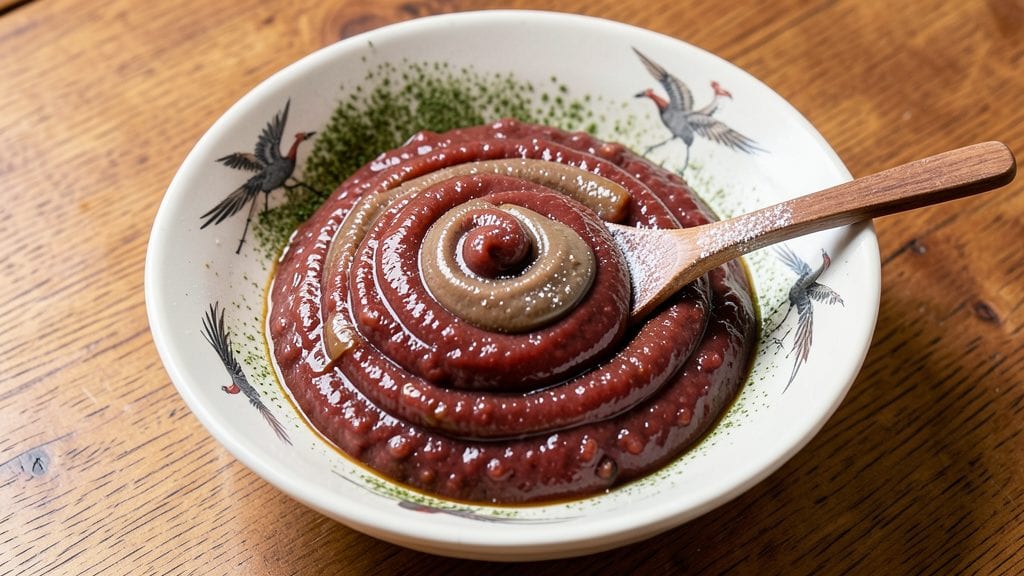
Japanese red bean paste transforms simple desserts into restaurant-quality treats with its velvety texture and subtle sweetness. I spent years perfecting this traditional anko recipe after discovering how much it elevated homemade mochi and wagashi sweets—it's the secret weapon behind authentic Japanese confections.
The key lies in cooking adzuki beans until they're perfectly tender yet intact, then blending them with sugar into a smooth, spreadable paste.
This recipe delivers professional results using just three essential ingredients: dried adzuki beans, sugar, and water. The slow cooking process (about 90 minutes) develops deep, caramelized flavors while maintaining that signature silky consistency.
For extra depth, you can incorporate matcha powder or chestnut paste, though the classic version remains perfectly balanced on its own.
What you'll end up with is a vibrant red paste that's smooth enough to spread yet dense enough to hold shape when used as a filling. It's versatile for both traditional uses like mochi and modern applications such as ice cream toppings or toast spreads.
The best part? Homemade anko keeps beautifully in the refrigerator for up to two weeks, ready to transform any sweet treat into something special.
Whether you're making wagashi, filling mochi, or simply spreading it on toast, this red bean paste will become your go-to ingredient for authentic Japanese flavors. Let's get started with the precise method that delivers professional-quality results every time.
Ingredients for japanese red bean paste
Three core ingredients create this velvety Japanese red bean paste perfect for mochi and wagashi.
| Ingredient | Amount | Notes |
|---|---|---|
| Dried Adzuki Beans 🌾 | 1 ½ cups | Rinsed well before cooking |
| Granulated Sugar 🍬 | 1 ¼ cups | White or raw cane sugar |
| Water 💧 | 4 cups | Filtered preferred for clarity |
| Matcha Powder (optional) 🍃 | 1 tbsp | Ceremonial grade for best flavor |
| Chestnut Paste (optional) 🌰 | ¼ cup | Store-bought or homemade |
Adzuki beans are the heart of this recipe—look for vibrant red beans at Asian markets or bulk bins, as they're sweeter and more flavorful than the pale varieties. Nishiki Market in LA or H Mart carry premium quality, but any well-stocked grocery store's international aisle should have them. Soak overnight if you're short on time, but I prefer the slower cook for deeper flavor. The sugar should be fine granulated—no need for fancy, though organic cane sugar adds subtle caramel notes. For matcha, Ippodo Tea or Jade Leaf are my go-tos, but any ceremonial grade works. Chestnut paste? Trader Joe's sells great jars, or make your own by blending cooked chestnuts with sugar.
No matcha? Skip it—this is still delicious classic anko. Running low on sugar? Maple syrup works at half the amount, though it'll be slightly less stable. Chestnut paste out of reach? Substitute extra sugar or a splash of vanilla extract for warmth. The beans can be pre-soaked for 4 hours if you're in a rush, but unsoaked works fine too—just add 10 minutes to simmer time. For extra richness, a pinch of salt balances the sweetness beautifully, though it's optional. The water should be fresh—no need for bottled, just filtered if your tap tastes strong.
This paste keeps for 2 weeks in the fridge, sealed tightly in an airtight container. For longer storage, portion into ice cube trays, freeze, then transfer to a bag—6 months of shelf life. The texture thickens as it cools, so reheat gently with a splash of water if it gets too firm. I like to spread it on toast or dollop into mochi right after making it—fresh anko is always best, but it's worth having extras on hand for spontaneous treats.
Why You'll Love This Recipe
- No-Fuss Simmer: I swear by this recipe because it’s literally set-it-and-forget-it. Soak the dried adzuki beans overnight, then toss them in a pot with sugar and water—no peeling, no fancy prep. The beans soften into that signature velvety texture while you sip your coffee or scroll through your phone.
- Sweet-Savory Magic: That balance of earthy beans and sweet sugar? Chef’s kiss. Add a pinch of matcha for depth (trust me, it’s subtle but next-level) or swirl in chestnut paste for a nutty twist. It’s rich enough to stand alone but still lets the natural adzuki shine—no artificial flavors here.
- Every Occasion Ready: Spread it on toast for breakfast, stuff it into mochi for dessert, or dollop it into steamed buns. I’ve used it to fill dumplings, top ice cream (yes, really), and even mix into oatmeal when I’m in a rush. The possibilities are endless, and it’s always a crowd-pleaser.
- Budget-Friendly Staple: A bag of dried beans and a bag of sugar? That’s it. No specialty ingredients, no markup—just pure, affordable comfort. Plus, the paste keeps for months in the fridge, so you’re always covered for last-minute treats or lazy weeknight snacks. My wallet and my taste buds thank me.
Step-by-step instructions for Japanese red bean paste
Here's how to transform simple ingredients into that velvety-smooth Japanese red bean paste you love.
Soak and Simmer the Dried Adzuki Beans
Rinse the 1.5 cups dried adzuki beans thoroughly under cold water to remove any debris. Soak them in a large bowl of cold water for at least 4 hours—overnight works best. This step ensures even cooking and prevents splitting during simmering.
Drain the soaked beans and transfer them to a heavy-bottomed pot. Add 4 cups water and bring to a boil over medium-high heat. Once boiling, reduce to a gentle simmer and skim off any foam that rises to the surface. This simmering process should take about 1 hour to 1 hour 15 minutes until the beans are fork-tender and easily mashable. You'll know they're ready when they hold their shape but are soft enough to crush between your fingers.
Sweeten and Cook to a Thick Paste
Gradually add the 1.25 cups granulated sugar to the simmering beans, stirring continuously to dissolve it completely. Increase the heat to medium-high and let the mixture cook uncovered for about 30 minutes, stirring occasionally. The paste will thicken significantly as the liquid reduces and the flavors meld together.
Here's where it gets critical: reduce the heat to low and continue cooking for another 20-30 minutes, stirring frequently to prevent sticking. The paste should coat the back of a spoon and hold its shape when dropped onto a plate. If it's too thick too soon, add 1-2 tablespoons of water at a time to adjust the consistency. This step ensures the perfect balance of sweetness and texture.
Incorporate Optional Add-Ins for Depth of Flavor
If you're using the 1 tbsp matcha powder, sprinkle it over the hot bean paste and stir vigorously to dissolve completely. Matcha adds a delicate earthiness that pairs beautifully with the sweetness. For the 0.25 cup chestnut paste, gently fold it in using a spatula, being careful not to overmix—just until evenly distributed. Both add-ins should be incorporated while the paste is still warm to blend seamlessly.
Taste the paste and adjust the sweetness if needed. Some people prefer it slightly sweeter, especially when using matcha or chestnut paste, which can be more intense. If it needs more sugar, add it gradually while stirring to avoid clumping. Once you're satisfied with the flavor, remove the pot from heat and let the paste cool completely to room temperature.
Transfer and Store for Perfect Texture
Once cooled, transfer the red bean paste to a clean, airtight container. I like to press it down gently with a spoon to remove any air bubbles and ensure a smooth surface. This paste will thicken further as it cools, so don't be alarmed if it seems too soft immediately after cooking.
Store the paste in the refrigerator for up to 2 weeks or freeze it for up to 3 months for longer shelf life. When using, let it sit at room temperature for 10-15 minutes before spreading—it'll be perfectly smooth and ready to use in mochi, ice cream, or as a filling for wagashi (Japanese sweets). The texture should be glossy, velvety, and hold its shape when scooped.
Pro Tips For Making Japanese Red Bean Paste
- Soak Beans Overnight: I learned this the hard way—skipping the soak means tough, uneven beans. Toss dried adzukis in cold water for 8–12 hours (yes, even if you’re impatient like me). Drain, rinse, and start cooking: the extra time guarantees silky texture and faster cooking later.
- Simmer Low and Slow: After burning three batches, I finally figured out: low heat is your friend. Once the beans are tender, drop the heat to a bare simmer—just enough to see tiny bubbles. Too hot, and your paste will scorch before it thickens properly.
- Add Sugar Gradually: Dumping all the sugar at once makes it fight for absorption. Stir in half first, let it dissolve completely, then add the rest as the beans cook. This prevents grainy paste and ensures sweetness blends evenly—no clumps, no regrets.
- Strain Through Wet Cheesecloth: Does it look weird? Yes. Does it work? Every single time. After cooking, strain the beans through a damp cheesecloth (not a sieve) for 10 minutes. The moisture helps separate the skin, giving you that ultra-smooth, restaurant-quality texture. (Your future self will thank you.)
Creative variations of these flavors
Matcha-Inspired Anko
For a modern twist, blend 1 tbsp ceremonial-grade matcha into the finished paste—this adds vibrant green color and earthy depth that pairs beautifully with white chocolate or coconut mochi. I like to use Ippodo Tea matcha for its smooth texture.
Start with just ½ tbsp if you're new to matcha, as it can be overpowering. This version works perfectly as a filling for matcha-flavored dorayaki or spread on sourdough toast with a drizzle of honey. 🍃
Chestnut-Anko Fusion
Swap out half the sugar for ½ cup chestnut paste—this creates a nutty, autumnal variation perfect for holiday treats. Trader Joe's sells excellent jarred chestnut paste, or make your own by blending cooked chestnuts with sugar.
This richer version holds its shape beautifully when chilled, making it ideal for chestnut-filled mochi or as a spread for brioche toast. The chestnut flavor complements the sweetness of the beans without overpowering it. 🌰
Spiced Winter Anko
Infuse the paste with ½ tsp cinnamon and ¼ tsp cardamom during the final cooking stage for a warm, spiced variation. This works wonderfully with gingersnap cookies or as a filling for pumpkin-shaped mochi.
The spices dissolve completely into the paste, adding subtle warmth that pairs perfectly with vanilla ice cream. I developed this version after a Boston winter—it's become my go-to for cozy dessert nights. ❄️
Red Bean Jam Spread
For a quicker version, blend the cooked beans with 1 tbsp lemon juice and 1 tsp vanilla extract before adding sugar. This creates a jam-like consistency perfect for spreading on English muffins or crepes.
The acidity brightens the sweetness, making it great for breakfast or afternoon snacks. I discovered this adaptation when I ran out of sugar—it's now a regular in my pantry for spontaneous treats. 🍯
Savory Umami Twist
Yes, you read that right—this isn't just for sweets! Reduce the sugar to 1 cup and add 1 tbsp soy sauce and ½ tsp sesame oil to create a savory spread. This works beautifully as a dip for edamame or as a glaze for grilled chicken skewers.
The umami depth from the beans shines through, creating a unique fusion flavor that surprises even the most traditionalists. 🍗
Kids' Favorite Rainbow Version
Divide the paste into portions and mix in natural food coloring—beet juice for pink, turmeric for yellow, or blue spirulina for purple. This makes colorful mochi that kids love (and adults secretly enjoy too).
The colors are subtle but visible when spread thin, perfect for creating festive patterns. I first tried this with my neighbor's kids during a birthday party—it became an instant hit. 🌈
Nutrition facts
Frequently asked questions
Why do some recipes use sweet red adzuki beans while others use regular ones?
The vibrant red adzuki beans are traditional for authentic anko because they're naturally sweeter and hold their shape better during cooking. Regular adzuki beans (pale or brown) work in a pinch but may split more easily and require slightly more sugar. For best results, always use the red variety when possible—it makes a noticeable difference in both texture and flavor.
How do I know when the bean paste is done cooking?
Your paste is ready when it coats the back of a spoon and holds its shape when dropped onto a plate. The beans should be completely tender but still intact—no mushy spots. If it's too thick too soon, add 1-2 tablespoons of water at a time while stirring. The total cooking time after adding sugar should be about 50-60 minutes total.
Can I make this paste without a heavy-bottomed pot?
You can use any pot, but non-stick or stainless steel works best to prevent sticking. If using a light pot, stir more frequently to avoid burning. For extra insurance, add 1 tablespoon of neutral oil (like vegetable or canola) to the beans before cooking. Just remember to stir constantly on low heat during the final thickening stage.
What's the best way to use leftover paste?
Fresh paste is perfect for filling mochi or wagashi, but leftovers work great for spreading on toast, pancakes, or even as a glaze for baked goods. For mochi, chill the paste for 30 minutes before using—it'll be firmer and hold its shape better. You can also freeze portions in ice cube trays for convenient single-use servings.
Why did my paste turn out grainy instead of smooth?
Graininess usually happens from overcooking the beans or not blending enough. First, ensure your beans are fork-tender but still intact before adding sugar. Second, use an immersion blender or food processor to achieve that silky texture. For extra smoothness, strain through a fine-mesh sieve after cooking if needed.