
Side Dishes
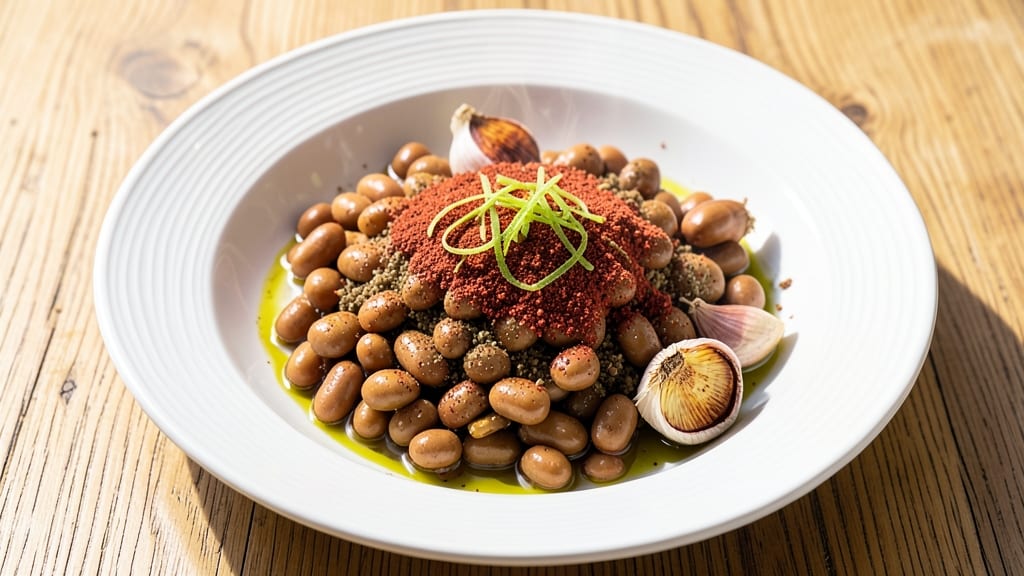
This lupin beans recipe transforms an underrated superfood into a hearty, protein-rich side that rivals traditional dishes. Lupin beans deliver 12 grams of plant-based protein per ½ cup—without the guilt of heavy sides—while offering a nutty, earthy flavor that pairs perfectly with everything from grilled meats to fresh salads.
I developed this recipe after discovering how versatile lupin beans are, especially when roasted or mashed into creamy textures.
The beauty of lupin beans lies in their adaptability—you can serve them as crispy roasted bites, a smooth mash, or even blended into dips. Unlike other legumes, they cook in just 20 minutes, making them ideal for busy weeknights.
The secret to their rich flavor is a simple seasoning blend of garlic, smoked paprika, and a touch of lemon zest, which enhances their natural nuttiness without overpowering it.
What you’ll end up with is a side dish that’s equally satisfying and nutritious—crispy on the outside, tender inside, and packed with protein. The roasted version adds a satisfying crunch, while the mashed version offers a velvety, spreadable texture perfect for dipping or topping toast.
This recipe proves lupin beans aren’t just a trendy ingredient; they’re a game-changer for plant-based meals.
Pair them with roasted vegetables, grilled chicken, or even as a standalone protein-rich bowl. The possibilities are endless, and the results are always impressive. Let’s get cooking—your taste buds (and your protein goals) will thank you.
Ingredients for lupin beans
Sixteen ingredients transform lupin beans into a protein-packed side that rivals any traditional dish.
| Ingredient | Amount | Notes |
|---|---|---|
| Dried Lupin Beans 🌱 | 1 ½ cups | Rinsed thoroughly before cooking |
| Extra-Virgin Olive Oil 🫒 | ¼ cup | High quality, fruity variety |
| Garlic Cloves 🧄 | 4 cloves | Minced for even distribution |
| Smoked Paprika 🌶️ | 1 tbsp | For deep, smoky flavor |
| Ground Cumin 🌿 | ½ tsp | Toasted for enhanced aroma |
| Lemon Zest 🍋 | 1 tbsp | Freshly grated for brightness |
| Diamond Crystal Kosher Salt 🧂 | ½ tsp | Fine grain for even seasoning |
| Fresh Rosemary 🌿 | ¼ cup | Chopped, stems removed |
| Unsweetened Almond Milk 🥛 | ½ cup | For creamy mash option |
| Raw Cashews 🥜 | ¼ cup | Soaked for creamy texture |
| Nutritional Yeast 🧀 | 2 tbsp | For cheesy, umami depth |
| Maple Syrup 🍯 | 1 tbsp | For subtle sweetness |
| Black Peppercorns 🌶️ | ½ tsp | Freshly cracked |
| Fresh Thyme Leaves 🌿 | ¼ cup | Chopped finely |
| Vegetable Broth 💧 | 1 ½ cups | Low-sodium preferred |
Lupin beans are the star here, and dried is the way to go—they hold up better to roasting than canned. Healthfood People and Amazon are solid sources if your local store doesn’t carry them. Look for beans that are plump and free of debris, as they’ll cook more evenly. The smoked paprika is non-negotiable for that deep, earthy flavor, but if you can’t find it, regular paprika with a dash of liquid smoke works in a pinch. Fresh herbs like rosemary and thyme elevate the dish, but dried will do in a bind—just double the amount. For the cashews, Trader Joe’s has the best prices, and soaking them for 2 hours (or overnight) makes them blend silky smooth.
No smoked paprika? Substitute 1/2 tsp liquid smoke plus 1/2 tsp regular paprika—it’s a game-changer. Swapping almond milk for soy milk or oat milk keeps the mash creamy, though almond has the best neutral flavor. Running out of cashews? Silken tofu or avocado adds creaminess to the mash, though texture will differ slightly. The vegetable broth can be swapped for water plus 1 tsp bouillon powder, but homemade broth adds depth. For the roasted version, avocado oil has a higher smoke point than olive oil, so use it if you’re cranking the heat. And if you’re short on time, pre-cook the beans in the broth for 15 minutes before roasting—they’ll still crisp up beautifully.
Store cooked lupin beans in an airtight container in the fridge for up to 5 days, though they’re best within 2-3 days for optimal texture. The mash keeps for 4 days and freezes beautifully for 3 months—just thaw in the fridge overnight. For the roasted version, reheat in a 350°F oven for 10 minutes to restore crispiness. I like to portion the mash into small jars for quick dips or toast toppings—it’s perfect for meal prep. The beans also freeze well before cooking, so soak and store them in the freezer for up to 6 months for a pantry staple that’s always ready.
Why You'll Love This Recipe
- I’ll be real: I used to dread the soak-and-overnight-wait for dried beans. Lupins? Just a quick 10-minute soak in hot water—done. That garlic-cumin oil hits while they simmer, and suddenly you’re left with tender, flavor-packed beans in under an hour.
- No-Soaking Needed: I’ll be real: I used to dread the soak-and-overnight-wait for dried beans. Lupins? Just a quick 10-minute soak in hot water—done. That garlic-cumin oil hits while they simmer, and suddenly you’re left with tender, flavor-packed beans in under an hour.
- Smoky Depth Magic: The smoked paprika and cumin aren’t just spices—they’re the secret weapon. That earthy, slightly charred warmth clings to the lupins like a hug, and the olive oil ties it all together with a silky finish. Honestly, it’s the kind of flavor that makes you pause mid-bite.
- Meal Prep MVP: I make a big batch on Sundays and toss them into salads, wraps, or even over rice all week. The beans hold up perfectly, and the smoky taste only gets better as it sits. (Yes, even on a Tuesday night when you’re too tired to think.)
Step-by-step instructions for earthy lupin bean preparation
Transform humble lupin beans into a restaurant-worthy side with this method that balances texture and flavor.
Soak and Pre-Cook the Lupin Beans
Place the 1.5 cups dried lupin beans in a large bowl and cover with plenty of cold water by at least 2 inches. Soak for 12 hours at room temperature—this ensures even cooking and prevents the beans from staying crunchy. The longer they soak, the more tender they'll become, though 8 hours minimum works in a pinch.
After soaking, drain and rinse the beans thoroughly under cold water. Transfer them to a 4-quart pot and cover with fresh cold water by 1 inch. Add the 0.5 tsp diamond crystal kosher salt to the water. Bring to a boil over high heat, then immediately reduce to a gentle simmer. Cook for 45-50 minutes until the beans are fork-tender but not mushy—you should be able to pierce them easily with a fork.
Sauté Aromatics and Season the Beans
While the beans cook, heat the 0.25 cup extra-virgin olive oil in a large skillet over medium heat. Add the 4 cloves minced garlic cloves and sauté for 1 minute until fragrant—don't let them brown or they'll turn bitter. Stir in the 1 tbsp smoked paprika and 0.5 tsp ground cumin, cooking for 30 seconds until the spices release their aromas.
Drain the cooked lupin beans and add them to the skillet with the aromatics. Stir in the 1 tbsp lemon zest, 0.25 cup chopped fresh rosemary, and 0.25 cup chopped fresh thyme leaves. Cook for 2-3 minutes until the beans absorb the flavors and develop a slightly golden sheen. Here's the thing—this step ensures every bean is coated in the aromatic blend, so don't rush it.
Create the Creamy Base
In a separate saucepan, combine the 0.5 cup unsweetened almond milk, 0.25 cup soaked raw cashews, 2 tbsp nutritional yeast, 1 tbsp maple syrup, and 0.5 tsp freshly cracked black peppercorns. Heat over medium-low heat, stirring constantly, until the mixture reaches 160°F—just before it begins to simmer. The cashews will break down into a silky, creamy texture, creating a luxurious base for the beans.
Remove the saucepan from heat and let it cool slightly for 2 minutes. Using an immersion blender, blend until completely smooth—no lumps should remain. If you don't have an immersion blender, transfer the mixture to a regular blender and blend until completely emulsified. This creamy mixture will elevate the humble lupin beans into something truly special.
Combine and Finish with Broth
Return the seasoned lupin beans to the skillet and pour the creamy cashew mixture over them. Stir gently to coat each bean evenly. Add the 1.5 cups vegetable broth and bring the mixture to a gentle simmer over medium heat. Let it cook for 5-7 minutes until the liquid reduces slightly and the beans absorb all the flavors—you'll notice the mixture becomes thicker and more cohesive. Taste and adjust seasoning if needed, adding a pinch more salt if the beans seem bland.
The final texture should be creamy yet still distinct, with each lupin bean holding its shape while being enrobed in the rich cashew sauce. This is where the magic happens—the combination of earthy lupin beans with the creamy, umami-packed cashew mixture creates a side dish that's both satisfying and nutritious. Serve immediately while warm for the best experience.
Pro Tips For Making Lupin Beans
- SOAK THEM TWICE: Lupin beans are stubborn—soak them overnight in cold water, then drain and re-soak for 4-6 hours. I learned this the hard way after a batch took three hours to soften. The double soak cuts cooking time by nearly half and keeps them from turning mushy.
- SWEAT THE GARLIC LOW: Don’t blast that garlic—cook it in olive oil over medium-low for 3-4 minutes until it’s golden, not brown. I used to rush it, and the flavor turned bitter. Patience here makes the whole dish taste richer.
- SKIP THE BOILING: Once soaked, simmer lupins in just enough water to cover (about 1 inch above the beans) at a gentle boil. After 20 minutes, drop to a low simmer—boiling too hard splits the skins. Sounds picky, but it keeps the texture intact.
- TOAST THE SPICES FIRST: Heat your olive oil, then toast the cumin and smoked paprika for 30 seconds until fragrant. I was skeptical until I tried it—the aroma jumps off the plate, and the flavors meld better with the beans. (Yes, even if you’re impatient like me.)
Flavor customization for lupin beans
Smoky-Sweet Roasted Bites
For a crispy, caramelized version, toss cooked lupin beans with 1 tbsp olive oil, 1 tbsp maple syrup, and 1 tsp smoked paprika. Roast at 400°F for 20-25 minutes until edges are golden.
The maple syrup adds subtle sweetness that balances the earthy lupin flavor, while the high heat creates irresistible crunch. Sprinkle with flaky sea salt before serving for a perfect snack or salad topper. 🔥
Creamy Garlic Mash
Blend cooked lupin beans with 2 tbsp olive oil, 2 minced garlic cloves, ¼ cup almond milk, and 1 tbsp lemon juice until smooth. The result is a velvety mash with nutty depth—ideal for dipping toast or pairing with grilled proteins.
For extra richness, stir in 1 tbsp nutritional yeast after blending. This version works as a vegan butter substitute too! 💫
Spicy Cumin-Lime Twist
Boost flavor with 1 tsp ground cumin, 1 tbsp lime zest, and ½ tsp cayenne pepper when sautéing the beans. The cumin adds warmth while lime zest brightens the earthy lupin profile.
Perfect for tacos or grain bowls, this variation delivers a zesty kick that cuts through richer dishes. Use Penzeys Spices for premium cumin and lime zest. 🌶️
Herb-Infused Broth Dip
Simmer cooked beans with 1.5 cups vegetable broth, 1 sprig rosemary, and 3 thyme sprigs for 10 minutes, then blend until smooth. Strain for a silky, herb-forward dip perfect with crusty bread or veggie sticks.
The broth intensifies lupin’s natural nuttiness while herbs add freshness. Store leftovers in the fridge for up to 5 days. ✨
Crispy Parmesan Style
For a vegan "parmesan" alternative, blend cooked beans with 2 tbsp nutritional yeast, 1 tsp garlic powder, and ½ tsp onion powder. Toast in a dry skillet until golden and crumbly.
Sprinkle over pasta or soups—it mimics the umami punch of traditional parmesan. The lupin’s protein makes this a guilt-free topping with satisfying texture. 🧀
Sweet & Tangy Glaze
Combine 2 tbsp maple syrup, 1 tbsp soy sauce, and 1 tsp rice vinegar in a small saucepan. Simmer for 3 minutes until syrupy, then toss with roasted lupin beans.
The glaze caramelizes beautifully, adding a sticky, slightly sweet contrast to the beans' earthiness. Serve warm over rice or as a standalone appetizer. 🍯
Nutrition facts
Frequently asked questions
Are lupin beans safe to eat raw?
No, lupin beans must always be cooked before eating. Raw lupin beans contain natural toxins called alkaloids that can cause digestive upset or other health issues. The soaking and cooking process in this recipe completely neutralizes these compounds, making them safe and delicious. Always cook lupin beans thoroughly—until they're fork-tender—to ensure safety.
Can I substitute lupin beans for chickpeas in recipes?
Yes, but with some adjustments! Lupin beans have a lighter texture and nuttier flavor than chickpeas. For roasted applications, they'll get crispier, but for mashed dishes, they'll be less dense. Use a 1:1 ratio by weight, but reduce cooking liquid by 20% since lupin beans absorb flavors differently. They're especially great in vegan dishes where you want that earthy, protein-rich profile without the heaviness of chickpeas.
How do I store cooked lupin beans to maintain texture?
Store cooked lupin beans in an airtight container in the fridge for up to 5 days, but for best texture, consume within 2-3 days. To reheat, place them in a dry skillet over medium heat for 3-4 minutes, stirring frequently, until warmed through. For roasted versions, reheat at 350°F for 10 minutes to restore crispiness. Avoid microwaving as it makes them rubbery. For longer storage, freeze cooked beans for up to 3 months—thaw overnight in the fridge.
What's the best way to remove lupin bean skins?
Lupin beans naturally release their skins during cooking, especially with proper soaking. For smoother textures (like in dips or mashes), gently rub cooked beans between your palms under warm water after cooking. The skins will separate easily. If you prefer whole beans for salads or roasting, skip this step—the skins add subtle texture and fiber. Never peel raw lupin beans as this makes them unsafe to eat.
Are lupin beans gluten-free and nut-free?
Yes! Lupin beans are naturally gluten-free and nut-free, making them an excellent alternative for those with food sensitivities. They're also soy-free and egg-free, which expands their versatility in allergy-friendly cooking. However, always check your smoked paprika or nutritional yeast labels for cross-contamination warnings if severe allergies are a concern. The recipe as written is completely safe for gluten-free and nut-free diets.