
Side Dishes
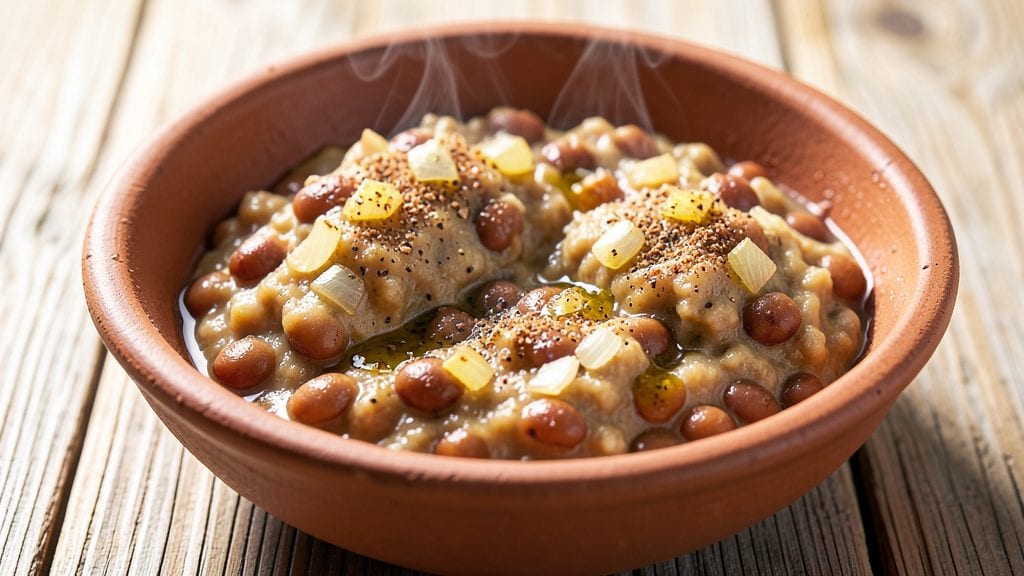
This Mexican refried beans recipe with canned beans delivers restaurant-quality texture and flavor without the hours of soaking fresh beans. Standing on a step stool in my grandmother's kitchen in Sicily, I learned how proper technique transforms simple ingredients into something extraordinary—and this method does exactly that.
The key lies in mashing the beans just right, then frying them in a cast-iron skillet until they develop that signature creamy, slightly crispy texture.
What makes this recipe truly professional is the balance of simplicity and depth. You'll start with canned beans, which saves time while still delivering authentic results, then build layers of flavor through careful seasoning with garlic, onion, and a touch of lard or oil.
The beans develop a velvety consistency that clings beautifully to tortillas, rice, or quesadillas, making this a versatile side dish for any Mexican-inspired meal.
By the time you're done, you'll have perfectly mashed beans with a rich, savory aroma that fills your kitchen. The texture is ideal—creamy yet slightly firm, with just enough body to hold its shape when served.
This isn't just a side dish; it's the foundation of countless Mexican meals, elevated to professional standards with minimal effort.
Serve these refried beans as a base for breakfast burritos, a topping for nachos, or alongside rice and grilled meats. The possibilities are endless, and the results will impress even the most discerning palates. Let's get started on creating this perfect side dish.
Ingredients for mexican refried beans recipe with canned beans
Pantry staples plus a few fresh touches for restaurant-style refried beans—no fancy ingredients, just perfect technique.
| Ingredient | Amount | Notes |
|---|---|---|
| Canned Pinto Beans 🌽 | 2 cans | 15 oz each, drained and rinsed |
| Yellow Onion 🧅 | 1 whole | Medium size, diced small |
| Garlic Cloves 🧄 | 4 cloves | Minced fine for depth |
| Vegetable Oil 🫒 | ¼ cup | Light or canola preferred |
| Salt 🧂 | 1 ½ tsp | Kosher or sea salt |
| Ground Cumin 🌿 | ½ tsp | Toasted for richer flavor |
| Smoked Paprika 🌶️ | ¼ tsp | Adds authentic smoky depth |
| Lime Juice 🍋 | 1 tbsp | Freshly squeezed for brightness |
| Fresh Cilantro 🌿 | ¼ cup | Chopped, for garnish |
| Creamy Avocado Oil 🫒 | 1 tbsp | For frying and richness |
| Vegetable Broth 💧 | ¼ cup | Low-sodium preferred |
The beans are the star, so Bush's or Goya are my go-tos—they're pre-cooked and hold their shape well. If you can't find canned pinto beans, black beans work too, but they'll be slightly darker. The onion and garlic? Yellow onions add sweetness, but red onions give a sharper bite. For the spices, Penzeys or bulk bins have the best quality, but regular grocery store cumin and paprika are fine if they're fresh. Look for smoked paprika in the international aisle—it's worth the hunt for that authentic flavor.
No vegetable oil? Olive oil works, but it can get bitter when heated. Short on lime? Lemon juice at double the amount gets you close. The avocado oil is key for frying—it's neutral and high-smoke point, so Trader Joe's or Costco have great prices. If you're missing the cilantro, fresh parsley works, though it's not traditional. The vegetable broth adds moisture, but water in a pinch won't ruin it—just season extra with salt. Pro tip: Toast your spices in the dry skillet for 30 seconds before adding oil to wake up their flavors.
These keep beautifully for 5 days in the fridge, sealed tight. For longer storage, freeze in 1-cup portions—they thaw overnight in the fridge. Reheat gently on low with a splash of water or broth to restore creaminess. I always make a double batch: one for tacos, one for burritos. The flavor actually improves after a day or two as everything melds together—trust the process.
Why You'll Love This Recipe
- Here’s what sold me: frying the onions low and slow until they’re golden, then crushing the beans with a wooden spoon. That crispy onion bit? It’s the secret weapon—salty, sweet, and clinging to every forkful like it’s not leaving.
- Fewer Groceries, Same Magic: I swear by this trick—no pre-soaking, no overnight simmer. Just open a can, drain, and get cooking. The beans are already tender, so you’re basically making magic with five ingredients and 15 minutes of your life.
- That Crispy-Buttery Edge: Here’s what sold me: frying the onions low and slow until they’re golden, then crushing the beans with a wooden spoon. That crispy onion bit? It’s the secret weapon—salty, sweet, and clinging to every forkful like it’s not leaving.
- Taco Night Every Day: Between us, this is my lazy genius for Tuesdays. Spread it on tostadas, stir it into rice, or just eat it with a spoon—no judgment. The beans hold up to everything, and honestly? I’ve never met a meal they didn’t improve.
Step-by-step instructions for Mexican refried beans with canned beans
Here's how to make restaurant-style refried beans that stay creamy and flavorful every time.
Sauté Onion and Garlic in Vegetable Oil
Heat the 0.25 cup vegetable oil in a medium skillet over medium heat. Add the 1 whole yellow onion that's been diced small and cook for 5-6 minutes until softened and translucent. You'll know it's ready when the onion edges start to turn golden.
Push the onions to the side of the pan and add the 4 cloves minced garlic. Stir for 30 seconds until fragrant—don't let it brown or it'll turn bitter. Here's where the flavor foundation happens, so don't rush this step. The garlic should smell strong and inviting when done.
Add Drained Beans and Seasonings
Drain and rinse the 2 cans pinto beans thoroughly to remove any excess sodium. Add them to the skillet with the onions and garlic. Stir well to combine, then sprinkle in the 1.5 teaspoons salt, 0.5 teaspoon ground cumin, and 0.25 teaspoon smoked paprika. Mix everything together so the beans are evenly coated.
Let the mixture cook for 3-4 minutes until the beans start to break down slightly. The spices will bloom and create that authentic Mexican flavor profile. If the beans stick to the pan, add 1-2 tablespoons of vegetable broth to help loosen them up.
Mash and Simmer for Creamy Texture
Using a wooden spoon or potato masher, begin to mash the beans directly in the skillet. Work in batches if needed, pressing down firmly to create that signature creamy texture. You want about 25% of the beans to remain whole for texture contrast, but most should mash into a smooth paste.
After mashing, add the 0.25 cup vegetable broth and the 1 tablespoon lime juice. Stir well and let the mixture simmer uncovered over low heat for 5-7 minutes. You're looking for the beans to thicken slightly while maintaining that velvety consistency. Stir occasionally to prevent sticking.
Finish with Avocado Oil and Garnish
Remove the skillet from heat and stir in the 1 tablespoon creamy avocado oil. This adds richness and helps create that perfect mouthfeel. Taste and adjust seasoning if needed—you might want to add a pinch more salt or lime juice to balance the flavors.
Transfer the refried beans to a serving bowl and sprinkle with the 0.25 cup chopped fresh cilantro. The avocado oil will give it that luxurious finish while the cilantro adds freshness. Serve immediately with warm tortillas, rice, or as a side dish for tacos and burritos.
Pro Tips For Making Mexican Refried Beans Recipe With Canned Beans
- Drain and Rinse First: Open that can of pinto beans and dump them straight into a colander—no exceptions. The liquid’s salty and watery, and skipping this step turns your refried beans into a thin, flavorless mush. I learned this the hard way when my first batch tasted like sad, diluted soup.
- Sauté Onion Low and Slow: Don’t blast that onion on high heat—you’re not making caramel. Cook it over medium-low until it’s translucent and starting to soften, about 5-7 minutes. Burnt onions add bitterness, and nobody wants that in their beans. (Yes, even if you’re impatient like me.)
- Mash with a Fork, Not a Blender: After frying the beans, use a fork to break them down—just until they’re chunky but mostly smooth. A blender makes them too smooth and turns them into glue. My grandmother swore by this, and she was right: texture matters more than you think.
- Salt in Stages: Taste the beans before you finish mashing, then add salt in two rounds. First, a pinch to balance the onions and garlic. Then, after cooking, another pinch to make sure it’s actually seasoned—canned beans hide flavor like a bad secret. (Your future self will thank you.)
Troubleshooting great mexican refried beans recipe with canned beans
Grainy Texture Fix
If your beans turn out too grainy, you likely didn't mash them enough. I've found that using a potato masher instead of a fork gives better control—press firmly to break down the beans while keeping some texture.
For extra creaminess, add 1-2 tablespoons of water or broth while mashing and simmer for an additional 3-4 minutes to help the mixture thicken properly. 💡
Too Watery Solution
Overly watery beans usually mean you added too much liquid. The key is to simmer uncovered on low heat until the mixture thickens naturally. If it's still too thin, remove from heat and let it sit for 5 minutes—the starches will continue to release and thicken the beans.
For future batches, reduce broth by 2 tablespoons and increase simmering time by 2-3 minutes.
Burnt Onion Taste
That bitter onion flavor happens when you cook them too long. Keep onions at medium heat for exactly 5-6 minutes—they should be soft but not browned.
If they do burn, immediately remove the pan from heat, scrape off the burnt bits, and start fresh with a new batch of onions. A cast-iron skillet helps prevent sticking and burning better than nonstick pans. 🔥
Lumpy Consistency
Lumps form when beans aren't mashed evenly. I recommend using a wooden spoon to break up large chunks while cooking, then finish with a hand masher after removing from heat.
For stubborn lumps, blend half the beans in a food processor until smooth, then mix back in. This hybrid approach keeps some texture while eliminating lumps entirely.
Flat Flavor Profile
Muted flavors often mean under-seasoned spices. Toast your cumin and smoked paprika in the dry skillet for 30 seconds before adding oil to wake up their flavors. For extra depth, add ½ teaspoon of ground coriander or a pinch of cayenne pepper.
Fresh lime juice is crucial—always use freshly squeezed rather than bottled for that bright, zesty kick.
Sticking to Pan
Beans sticking happens when they dry out. Keep your heat at low-medium and add 1-2 tablespoons of broth whenever the mixture looks dry. A well-seasoned cast-iron skillet is ideal—it develops a natural nonstick surface over time. If using nonstick, ensure it's properly heated before adding ingredients to prevent sticking.
Nutrition facts
Frequently asked questions
Can I use black beans instead of pinto beans in this recipe?
Yes, black beans work perfectly and will give your refried beans a slightly darker color. The texture remains creamy, though black beans may require an extra 1-2 minutes of mashing to achieve the same smooth consistency. For best results, use the same canned variety you'd use for pinto beans.
How do I prevent my refried beans from getting too dry?
Keep the heat at low-medium and add 1-2 tablespoons of broth whenever the mixture looks thick. A well-seasoned cast-iron skillet helps maintain moisture better than nonstick pans. If they do dry out, simply stir in a splash of warm water or broth and let them simmer for another 2-3 minutes.
What's the best way to reheat leftover refried beans?
Reheat gently in a skillet over low heat with a splash of water or broth to restore creaminess. Avoid microwaving as it can make them rubbery. For extra flavor, add a pinch of cumin or smoked paprika while reheating. Stir frequently to prevent sticking.
Can I make this recipe vegetarian without lard?
Replace any lard with vegetable oil or avocado oil—they work beautifully for frying. The recipe already uses oil for sautéing, so no adjustments are needed. The final product will be just as flavorful and creamy.
How can I make these beans spicier?
Add ½ teaspoon of cayenne pepper or 1 chopped jalapeño while sautéing the onions. For a smoky kick, increase the smoked paprika to ½ teaspoon. Always taste as you go—you can adjust heat levels to your preference.