
Side Dishes
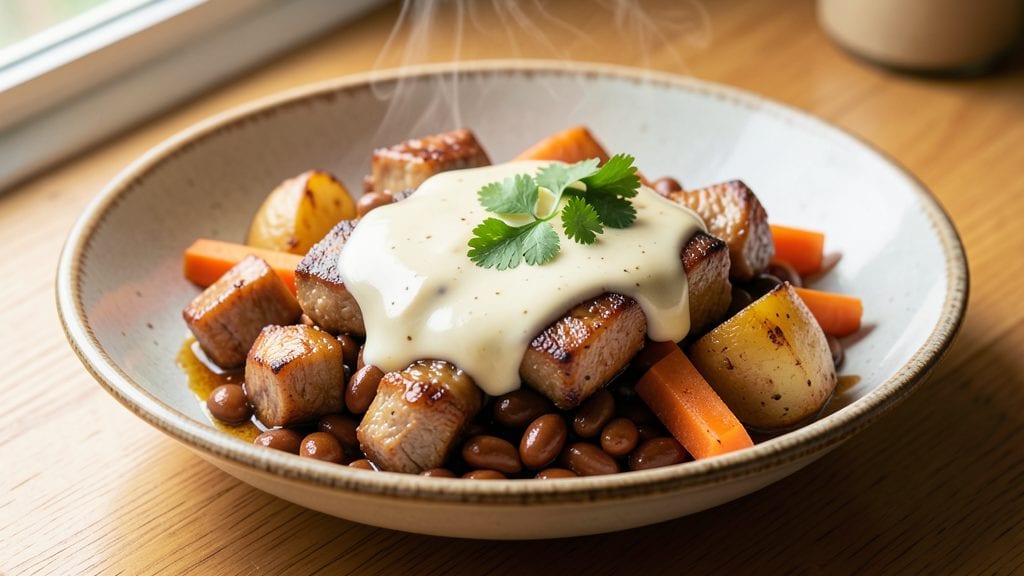
This smoky garlic slow-cooked monggo beans recipe brings the heart of Filipino home cooking to your table, where tender beans simmer with savory pork, aromatic garlic, and earthy spices until every bite is rich and satisfying.
The secret lies in slow cooking, which transforms tough beans into velvety perfection while developing deep, caramelized flavors that make this dish a staple at family gatherings and special occasions.
The beauty of monggo beans lies in their versatility—this recipe delivers a foolproof method that works whether you're feeding a crowd or meal prepping for the week.
With just 15 minutes of active prep and 2 hours of hands-off simmering, you'll end up with a dish that's equally comforting and impressive, packed with protein, fiber, and the kind of smoky-sweet balance that defines Filipino comfort food.
What makes this recipe special is how the garlic and spices infuse the beans, creating a sauce that coats every bite in a smoky, garlicky embrace. The addition of potatoes and carrots adds heartiness, while the pork (or vegetarian substitute) ensures a satisfying protein element.
The result? A side dish that stands up to rice and even steals the show at dinner parties.
Serve this monggo beans recipe alongside steamed rice for the classic Filipino meal, or pair it with grilled meats for a hearty feast. The leftovers reheat beautifully, making it perfect for busy weeks. Here’s how to make it—step by step—for restaurant-quality results at home.
Ingredients for monggo beans
Filipino comfort food essentials that transform simple ingredients into velvety, smoky perfection.
| Ingredient | Amount | Notes |
|---|---|---|
| Dried Monggo Beans 🌱 | 2 cups | Soaked overnight, rinsed well |
| Pork Shoulder 🥩 | 1 ½ lb | Boneless, cut into 1-inch cubes |
| Garlic Cloves 🧄 | 10 cloves | Minced for deep flavor infusion |
| Russet Potatoes 🥔 | 2 medium | Peeled, cut into 1-inch cubes |
| Carrots 🥕 | 3 medium | Peeled, cut into 1-inch chunks |
| Coconut Milk (Full-Fat) 🥥 | 1 can | 13.5 oz can, well-shaken |
| Onion 🧅 | 1 whole | Yellow, roughly chopped |
| Bay Leaves 🌿 | 2 whole | Dried, for aromatic depth |
| Black Peppercorns 🌶️ | 1 tsp | Crushed, for subtle heat |
| Salt 🧂 | 1 ½ tsp | Adjust to taste |
| Fresh Ginger 🌿 | 2 tbsp | Grated, for zesty kick |
| Olive Oil 🫒 | 2 tbsp | For sautéing aromatics |
| Soy Sauce 🍶 | 2 tbsp | For umami richness |
| Sugar 🍬 | 1 tbsp | Balances smoky flavors |
| Ground Black Pepper 🌶️ | ½ tsp | Freshly ground preferred |
The monggo beans are the heart of this dish, and soaking them overnight is non-negotiable—it cuts cooking time and ensures tender texture. For the pork, shoulder works best due to its fat content, which renders beautifully during slow cooking. Most Asian grocery stores carry dried monggo beans in bulk, but Filipino markets often have them pre-sorted for convenience. Look for beans that are uniform in size and free of debris. The garlic should be freshly minced right before cooking to preserve its aromatic oils, and Costco or Trader Joe's are great for bulk purchases.
No pork? Chicken thighs or firm tofu work equally well—the dish thrives on the slow-cooked sauce. Substituting coconut milk? Full-fat is essential for creaminess, but if unavailable, half-and-half with a splash of cream mimics the richness. The potatoes and carrots can be swapped for sweet potatoes or butternut squash for variation. For extra depth, add a pinch of turmeric to the sautéed aromatics. Fresh ginger can be substituted with 1 tsp ground ginger, though the flavor will be less vibrant. Soy sauce can be replaced with coconut aminos for a gluten-free option.
This dish tastes even better the next day as flavors meld. Store leftovers in an airtight container in the fridge for up to 5 days, or freeze for 3 months. For meal prep, portion into individual containers—each serving pairs perfectly with steamed rice. The sauce thickens upon reheating, so a splash of water or coconut milk helps restore its consistency. If making a large batch, double the garlic and ginger for intensified flavor.
Why You'll Love This Recipe
- One-Pot Magic: I swear by this recipe when I’m too tired to deal with multiple pans. Soak the dried monggo beans overnight, then toss everything—pork, potatoes, carrots—into the same pot. Less cleanup, more time to relax while the flavors meld.
- Pork-Packed Richness: That slow-cooked pork shoulder turns tender enough to shred, and it soaks up the earthy monggo beans like a dream. Honestly, the first bite makes me forget I’m eating a budget-friendly meal—it’s that satisfying.
- Meal Prep MVP: Between us, this is my go-to for busy weeks. The leftovers reheat beautifully, and the potatoes stay fluffy while the pork stays juicy. (Yes, even on a Tuesday night when takeout sounds better than cooking.)
- Pantry Staple Power: Dried beans and pork shoulder? That’s a wallet-friendly combo that still feels special. I’ve served it at family gatherings and potlucks—no one ever questions the ingredients, just the seconds they ask for.
Step-by-step instructions for monggo beans recipe
Here's how to transform simple ingredients into a rich, smoky monggo bean stew with tender pork and vegetables.
Prepare the Monggo Beans and Pork
Begin by soaking the 2 cups dried monggo beans in water overnight. This ensures they soften properly and absorb flavors during cooking. Drain and rinse them thoroughly before using. Meanwhile, cut the 1.5 lb pork shoulder into 1-inch cubes—this size guarantees even cooking without drying out.
Heat 1 tablespoon of the 2 tbsp olive oil in a large pot over medium heat. Add the pork cubes and brown them on all sides for 3-4 minutes. This step develops deep flavor through the Maillard reaction. Remove the pork and set aside temporarily—you'll return it to the pot later.
Build the Flavor Base
In the same pot, add the remaining 1 tbsp olive oil and increase heat to medium-high. Add the 1 whole onion (roughly chopped) and cook for 5 minutes until softened. Stir in the 10 cloves minced garlic and 2 tbsp grated fresh ginger, cooking for another 1 minute until fragrant—this releases their aromatic oils.
Add the 2 medium russet potatoes (cut into 1-inch cubes) and 3 medium carrots (cut into 1-inch chunks), stirring to coat with the aromatics. Pour in 2 cups water, then add the 2 whole bay leaves, 1 tsp crushed black peppercorns, 1.5 tsp salt, and 1 tbsp sugar. The bay leaves infuse subtle earthiness, while the sugar balances the smoky flavors developing.
Simmer the Monggo Beans
Return the browned pork to the pot and bring everything to a gentle boil. Reduce heat to low and add the drained 2 cups monggo beans. Cover and simmer for 1 hour, stirring occasionally. You'll notice the beans begin to soften and the liquid reduces—this is when the flavors meld together.
After 1 hour, stir in the 2 tbsp soy sauce and 0.5 tsp ground black pepper. The soy sauce adds umami depth while the pepper introduces subtle heat. Continue simmering uncovered for another 30 minutes, allowing excess moisture to evaporate and the stew to thicken slightly. The monggo beans should be tender but still hold their shape.
Finish with Coconut Milk
Open the 1 can full-fat coconut milk and shake it well to redistribute the cream. Stir half of it (about 6-7 oz) into the stew, mixing thoroughly. The coconut milk adds richness and balances the earthy monggo flavors. Simmer gently for 10 minutes to let the coconut milk meld with the other ingredients.
Taste and adjust seasoning with additional salt if needed. The stew should be rich and flavorful, with a balance of smoky, sweet, and savory notes. Remove the bay leaves before serving—these were only for flavor infusion and can be discarded.
Serve Warm with Steamed Rice
Ladle the stew into bowls and serve immediately with steamed white rice. The monggo beans should be tender with a creamy texture from the coconut milk, while the pork remains juicy and flavorful. The potatoes and carrots add hearty substance, making this a complete meal.
For extra presentation, garnish with additional minced garlic or a sprinkle of ground black pepper. This dish serves 6 generously, making it perfect for family meals or gatherings. The leftovers keep well in the refrigerator for up to 3 days, with flavors deepening overnight.
Pro Tips For Making Monggo Beans
- SOAK BEANS OVERNIGHT: I learned this the hard way—rushing monggo beans with a quick soak leaves them tough and mealy. Cover them in water 8+ hours before cooking (yes, even if you’re impatient like me), then drain and rinse. The longer they soak, the creamier they’ll get when simmered.
- SEAR PORK FIRST: Don’t just toss raw pork shoulder into the pot—browning it first locks in flavor. Cut the meat into 2-inch chunks, then sear in a hot pan with oil until deeply golden (about 5 minutes per side). The crust adds depth that plain simmering can’t match.
- PEEL POTATOES LAST: Raw potatoes turn mushy if boiled too long, so peel them right before adding to the pot. If you must prep ahead, store peeled spuds in cold water in the fridge, but drain and pat dry before dropping them in—this keeps them firm and prevents a watery stew.
- STIR IN GARLIC LATE: Garlic burns faster than you think, and charred cloves ruin the dish. Wait until the pork’s halfway cooked and the veggies are soft before adding minced garlic—just 2 minutes before serving. Freshly crushed cloves work best, but even pre-minced is better than overcooked.
Make-ahead tips for this dish
Prep Ahead Strategy
Start by soaking the 2 cups monggo beans in water overnight—this is the most time-saving step. I place them in a bowl with enough water to cover by 2 inches, then refrigerate.
The next morning, drain and rinse them thoroughly before using. This overnight soak reduces cooking time by 45-60 minutes and ensures perfectly tender beans. 🌱
Batch Cooking Tips
Double the recipe for meal prep—it’s perfect for 5-6 servings that reheat beautifully. Use a 6-8 quart slow cooker or large Dutch oven for even cooking.
Store portions in glass Pyrex containers with airtight lids; they keep flavors fresh for 5 days in the fridge or 3 months in the freezer. Label containers with dates to track freshness.
Freezer-Friendly Adjustments
For freezing, I recommend adding 1 extra tablespoon of coconut milk to each batch before storing. This prevents the sauce from separating during thawing. Portion into quart-sized freezer bags and flatten them to save space.
When reheating, thaw overnight in the fridge, then simmer on the stovetop for 10-15 minutes with 2 tablespoons of water to restore creaminess.
Slow Cooker Hack
Transfer all ingredients to a 6-quart slow cooker after browning the pork and sautéing the aromatics. Cook on low heat for 6-7 hours or high heat for 3-4 hours.
The slow cooker’s gentle heat ensures even cooking without monitoring. Stir in the coconut milk during the last 30 minutes of cooking to prevent curdling from high heat.
Reheating Perfection
Leftovers reheat best on the stovetop. Transfer portions to a pot and warm over medium-low heat for 5-7 minutes, stirring occasionally. Avoid microwaving—it can make the sauce watery. If the stew thickens too much, add 1-2 tablespoons of water or coconut milk to restore its velvety texture.
The flavors actually improve after reheating, making it taste even more comforting. 💫
Make-Ahead Serving Ideas
Prep the monggo beans ahead for busy weeks. Store the cooked base (without coconut milk) in the fridge for 3 days or freeze for 2 months. When ready to serve, reheat and stir in the coconut milk.
Serve with pre-cooked rice or pair with grilled meats for a complete meal. For a shortcut, assemble the dish in individual bowls, cover with foil, and reheat in the oven at 350°F for 20 minutes—perfect for lazy weeknights.
Nutrition facts
Frequently asked questions
Can I substitute dried monggo beans with canned mung beans?
While canned mung beans will work in a pinch, they won't deliver the same rich texture or flavor. Dried monggo beans absorb the smoky garlic and coconut milk better, creating that signature velvety consistency. If using canned, drain them well and simmer for 10-15 minutes less to avoid mushiness.
How do I make this recipe vegetarian?
Replace the pork with 1 lb firm tofu (pressed and cubed) or chicken thighs. For extra protein, add 1 cup cooked lentils or 1 block extra-firm tofu (crumbled). The soy sauce can be swapped for coconut aminos to keep it plant-based. The dish will still be hearty and satisfying!
Why does my monggo beans dish taste bland?
Bland flavor usually means the aromatics (garlic, ginger, onion) weren't cooked long enough or the soy sauce wasn't added late in cooking. Always sauté garlic and ginger until fragrant (1-2 minutes), and stir in soy sauce only after the beans have softened. A pinch of turmeric or smoked paprika can also add depth to the smoky profile.
Can I make this in an Instant Pot?
Brown the pork first, then sauté aromatics. Add all ingredients except coconut milk, seal the lid, and cook on high pressure for 15 minutes. Let pressure release naturally for 10 minutes, then stir in coconut milk and simmer on sauté mode for 5 minutes. The Instant Pot cuts cooking time to 45 minutes total!
What's the best way to store leftovers?
Store in an airtight container in the fridge for up to 5 days or freeze for 3 months. For reheating, add 1-2 tbsp water or coconut milk to prevent drying. The flavors actually improve overnight as the beans absorb more sauce.