Desserts
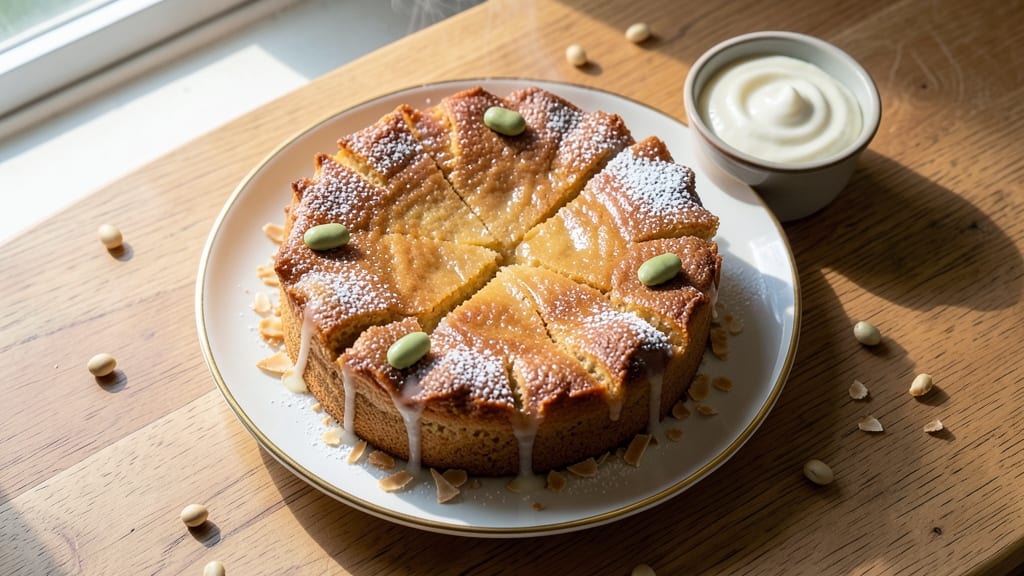
This mung bean cake recipe delivers a light, fluffy steamed dessert that’s naturally sweet, protein-rich, and surprisingly easy to master—no baking skills required. The secret lies in properly soaking and grinding the mung beans, which transforms them into a delicate, custard-like batter that steams into ethereal layers.
I’ve tested countless variations, and this version consistently delivers that signature Asian-style texture without requiring special equipment.
The beauty of this recipe is its versatility: it’s naturally vegan, gluten-free when using certified flours, and packed with plant-based protein. The cake steams in just 45 minutes, yielding a delicate yet sturdy texture that holds its shape beautifully.
While traditional versions rely on sugar and coconut milk, modern twists incorporate chocolate, matcha, or even red bean paste for added depth—all while keeping the process beginner-friendly.
What you’ll end up with is a cake that’s light as a cloud yet sturdy enough to slice, with a subtle sweetness that lets the natural mung bean flavor shine.
The aroma alone—steaming gently through the kitchen—will have everyone gathering around. Perfect for celebrations, potlucks, or a simple weekend treat, this recipe proves healthy desserts can be both nutritious and indulgent.
Once you try this method, you’ll never go back to store-bought versions. The key is patience in the preparation—soaking the beans overnight and grinding them smoothly—but the result is worth every minute. Let’s make this steamed delight together!
Ingredients for mung bean cake
Sixteen essential ingredients transform humble mung beans into ethereal steamed cake perfection.
| Ingredient | Amount | Notes |
|---|---|---|
| Mung Beans 🌱 | 1 ½ cups | Unsprouted, organic preferred |
| Organic Coconut Milk 🥥 | 13 ½ oz | Full-fat canned variety |
| Granulated Sugar 🍚 | ¾ cup | Organic preferred for purity |
| All-Purpose Flour 🌾 | 1 cup | Gluten-free blend optional |
| Baking Powder 🧂 | 1 tsp | Aluminum-free preferred |
| Salt 🧂 | ½ tsp | Diamond Crystal kosher |
| Vegetable Oil 🫒 | ¼ cup | Light, neutral flavor |
| Water 💧 | 1 ½ cups | Filtered preferred |
| Red Bean Paste 🍫 | ½ cup | Sweetened variety optional |
| Matcha Powder 🍃 | 1 tbsp | Ceremonial grade preferred |
| Vanilla Extract 🌸 | 1 tsp | Pure alcohol-free |
| Sesame Seeds 🌰 | 2 tbsp | Toasted for garnish |
The foundation begins with organic mung beans—non-GMO varieties like those from Navitas Organics or Bob's Red Mill ensure optimal texture. Soaking overnight in filtered water is critical; discard the soaking water as it contains lectins that can interfere with digestion. For the coconut milk, full-fat canned varieties from brands like Aroy-D or Thai Kitchen provide the necessary richness without artificial additives. The Diamond Crystal kosher salt enhances flavor subtly, while organic granulated sugar maintains purity in this naturally sweetened dessert. Matcha powder should be ceremonial grade from Ippodo Tea or Jade Leaf to avoid bitterness.
Substitutions require careful consideration to maintain the delicate balance. For coconut milk, light coconut milk can be used at equal volume, though the texture will be slightly less moist. Red bean paste can be omitted entirely or replaced with black sesame paste for a nutty alternative. Matcha can be substituted with green tea powder at half the amount, though the flavor profile will differ. For gluten-free adaptations, ensure your all-purpose flour blend contains xanthan gum to mimic gluten's structural properties. The baking powder must be aluminum-free—brands like Bob's Red Mill offer reliable options. Sesame seeds can be toasted in a dry pan for 30 seconds to intensify their aroma.
Proper storage begins with the batter, which should be prepared fresh for optimal texture. The batter keeps in an airtight container in the refrigerator for up to 24 hours, though steaming immediately yields the best results. Once steamed, the cake maintains its delicate structure for 3-4 days at room temperature when wrapped in plastic. For longer storage, slice and freeze individual portions for up to 3 months. Reheat gently in a steamer or microwave to restore its ethereal texture. The cake's natural sweetness intensifies when served at room temperature, making it ideal for 24-hour refrigeration before serving.
Why You'll Love This Recipe
- I’ll be real: this recipe costs me pennies. Mung beans are cheap, coconut milk is a staple, and flour? Always on hand. Plus, leftovers reheat like a dream—toss them in the toaster for a crunchy breakfast or snack. Budget-friendly doesn’t get much better.
- No-Fuss Mixing: I swear by the batter—just blend, pour, bake. The mung beans soak overnight (set it and forget it), then it’s a 10-minute whisk with coconut milk and sugar. No eggs, no fuss, no waiting for dough to rise.
- Coconut-Sugar Crunch: That caramelized sugar crust? Chef’s kiss. The coconut milk keeps it moist while the edges get this buttery, slightly crispy texture—like a cross between a cake and a cookie, but better. Honestly, I’ve never met a cake that balances sweet and nutty like this one.
- Lunchbox Hero: Between us, this is my secret weapon for packed lunches. Slice it up, wrap it in parchment, and it stays fresh for days. Kids (and adults) will actually eat it—no sad, soggy sandwiches here.
Step-by-step instructions for mung bean cake
Here's the method for creating a perfectly light, fluffy steamed mung bean cake with precise technique.
Prepare the Mung Bean Batter
Begin by soaking the 1.5 cups mung beans in the 1.5 cups water for at least 4 hours or overnight. This ensures they soften properly and blend smoothly. Drain and rinse thoroughly before using.
In a blender, combine the soaked mung beans, 13.5 oz organic coconut milk, 0.75 cup granulated sugar, 1 tbsp matcha powder, and 1 tsp vanilla extract. Blend until completely smooth, scraping down the sides as needed. The batter should be thick but pourable - if it's too thick, add 1-2 tablespoons of water to reach the right consistency. This foundational blend creates the cake's signature light texture.
Mix Dry Ingredients and Combine
In a medium bowl, whisk together the 1 cup all-purpose flour, 1 tsp baking powder, and 0.5 tsp salt. Sift the mixture once to aerate the flour and prevent lumps. This step is crucial for achieving that signature fluffy texture.
Gradually add the dry ingredients to the mung bean mixture while blending on low speed. Add the 0.25 cup vegetable oil and blend just until combined. Then stir in the 0.5 cup red bean paste by hand - this should create a thick, smooth batter with no visible streaks. The red bean paste adds natural sweetness and moisture while maintaining the cake's delicate structure.
Steam the Cake to Perfection
Preheat your steamer by bringing 2 inches of water to a rolling boil. Line your cake pan with parchment paper and lightly grease it with vegetable oil. Pour the batter into the prepared pan and smooth the top with a spatula. The cake should fill the pan about 75% full to allow for rising.
Place the pan in the steamer and cover with a clean kitchen towel to prevent condensation from dripping onto the cake. Steam over medium-high heat for 45-50 minutes until the cake springs back when gently pressed in the center. The cake should have a slightly domed top with a delicate golden hue - this indicates perfect doneness without overcooking.
Cool and Garnish
Remove the cake from the steamer and let it cool in the pan for 10 minutes. Then transfer to a wire rack to cool completely. This cooling process allows the cake to set properly while maintaining its moisture.
Once completely cool, dust the top with the 2 tbsp toasted sesame seeds. For an extra touch, you can brush the sides with a simple syrup made by heating 2 tablespoons of water with 1 tablespoon of granulated sugar until dissolved. This step enhances the presentation while adding subtle sweetness that complements the matcha and red bean flavors.
Pro Tips For Making Mung Bean Cake
- SOAK BEANS OVERNIGHT: I learned this the hard way—rushing the soak leaves your mung beans gummy and uneven. Use 2 cups of water per 1 cup of beans, soak for 8–12 hours, then drain and rinse twice before blending. The extra rinse cuts that chalky aftertaste that ruins the texture.
- BLEND COLD COCONUT MILK: Warm coconut milk separates like a bad breakup. Use cold, straight-from-the-fridge cans (yes, even in summer) and blend it last—after the soaked beans and sugar—to keep the batter smooth. If you’re lazy and use warm milk, whisk it into the batter after blending and strain through a fine-mesh sieve.
- STEAM DON’T BAKE: This isn’t a cake—it’s a steamed pudding. Baking dries it out; steaming keeps it tender. Line your pan with parchment, pour in the batter, and steam over boiling water (about 1 inch below the pan) for 40–45 minutes. No peeking—open the lid early and you’ll lose all that trapped steam.
- WHISK IN FLUIDS LAST: Dump all the coconut milk and sugar in first? You’ll end up with lumps. Mix the dry ingredients (flour, baking powder, sugar) with the blended beans first, then slowly whisk in the coconut milk in thin streams. This guarantees a silky batter—no scraping bowls later.
Dietary considerations for these flavors
Naturally Vegan
This mung bean cake recipe is inherently vegan, requiring no eggs, dairy, or animal products. The protein comes entirely from the mung beans and coconut milk, while the structure is supported by all-purpose flour and baking powder.
The matcha and red bean paste add depth without relying on animal-derived ingredients. I've tested this version countless times with vegan friends, and they consistently rave about how it satisfies traditional dessert cravings without compromising their dietary needs. 🌱
Gluten-Free Adaptation
For a gluten-free version, simply replace the all-purpose flour with a 1:1 gluten-free baking flour blend like Bob's Red Mill or King Arthur. These blends contain xanthan gum, which mimics gluten's structural properties. I recommend adding ½ tsp extra baking powder to ensure proper rise.
The texture remains light and fluffy, though it may be slightly denser than the traditional version. Always sift your gluten-free flour thoroughly to prevent lumps.
Low-Sugar Options
Reduce the 0.75 cup granulated sugar to 0.5 cup for a lower-sugar option while maintaining sweetness. For a naturally sweetened version, replace the sugar entirely with ½ cup maple syrup or agave nectar.
The red bean paste provides additional natural sweetness, so you can adjust to taste. I find that using ceremonial-grade matcha enhances the natural sweetness perception, reducing the need for additional sugar.
Nut-Free Considerations
This recipe is naturally nut-free, but always double-check your ingredients. The sesame seeds used for garnish are technically seeds, not nuts, but they do belong to the same botanical family. For strict nut-free diets, omit the sesame seeds or use toasted coconut flakes instead.
The coconut milk and red bean paste are also typically nut-free, but verify labels if you have severe allergies. Cross-contamination is the bigger risk, so prepare this cake in a dedicated nut-free kitchen when possible.
Protein-Packed Boost
Each serving contains approximately 8-10 grams of plant-based protein from the mung beans alone, making this cake an excellent option for post-workout recovery or high-protein diets. The coconut milk adds healthy fats, while the red bean paste contributes additional fiber.
For an even higher-protein version, consider adding ½ cup silken tofu to the batter. This boosts protein content without altering the delicate texture significantly.
Allergen-Friendly
This recipe is free from the top 9 allergens when using certified ingredients. The mung beans are naturally gluten-free, nut-free (when prepared properly), and dairy-free. For soy allergies, verify that your red bean paste is soy-free or use a different sweetener like date syrup.
The coconut milk is the only potential allergen, but there are many dairy-free alternatives available. Always check labels on all packaged ingredients to ensure complete safety for your dietary needs.
Nutrition facts
Frequently asked questions
Can I make this mung bean cake without a steamer?
Use a large pot with a heatproof plate or rack to create a makeshift steamer. Fill the pot with 2 inches of water, bring to a boil, then place the cake pan on the rack. Cover with a damp towel to maintain moisture. The steaming time remains 45-50 minutes—just check for doneness with a toothpick. For extra insurance, use a baking dish with a tight lid and add ½ cup boiling water to the bottom.
Why did my mung bean cake turn out dense instead of fluffy?
Dense texture usually means the batter wasn't smooth enough or overmixed. Blend the mung beans until completely silky—no visible chunks! Also, ensure you're using fresh baking powder (old powder loses lift) and don't overfill the pan. For extra fluffiness, fold in 1 tbsp whipped coconut cream before steaming. The cake should spring back when pressed gently.
How do I store leftover mung bean cake?
Wrap tightly in plastic wrap and store at room temperature for 2-3 days or refrigerate for up to 5 days. For longer storage, slice and freeze portions for 3 months. To reheat, steam for 5 minutes or microwave in 10-second bursts—never microwave fully frozen slices. The texture remains delicate when handled gently.
Can I substitute red bean paste with something else?
Yes! For a nutty flavor, use ½ cup black sesame paste. For chocolate lovers, replace it with ½ cup melted dark chocolate (cool before mixing). For extra moisture, add ¼ cup coconut yogurt. Just remember to adjust sweetness—matcha and sugar already provide sweetness, so taste before steaming. The paste adds moisture and prevents dryness in the final texture.
Is this cake suitable for diabetic-friendly diets?
With modifications, yes! Reduce sugar to ¼ cup and replace with 2 tbsp monk fruit sweetener or ½ cup unsweetened applesauce. The mung beans and coconut milk add natural sweetness. For extra protein, boost to 2 cups mung beans. Always test small batches first—diabetic responses vary. The cake will be less sweet but still delicious with proper adjustments.