
Side Dishes
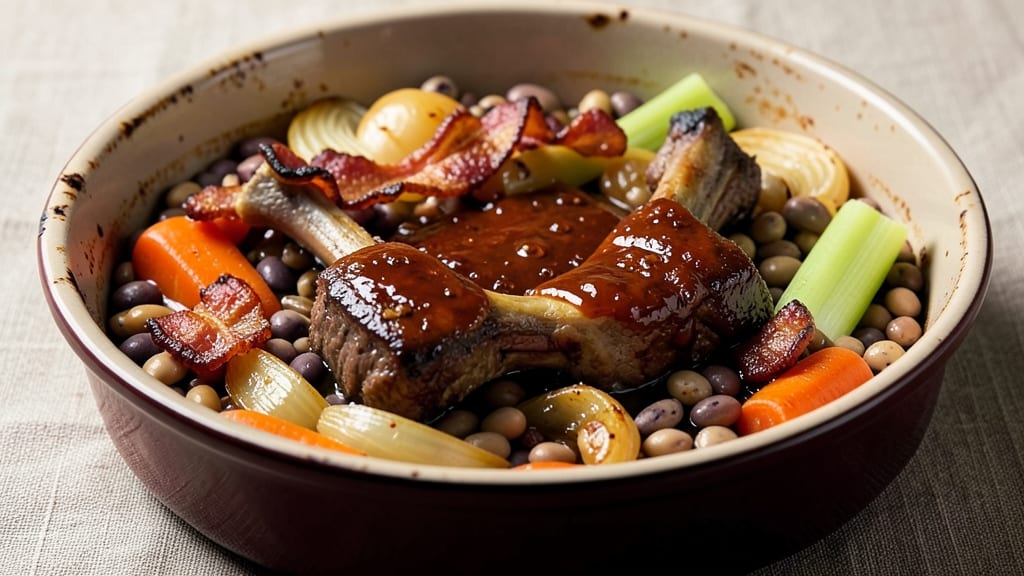
This neck bones and beans recipe delivers the soul-soothing comfort of Southern tradition in every bite—where tender beans simmer in rich, smoky bone broth until they melt into the perfect texture, and crispy bacon adds a crunch that elevates the dish to restaurant-quality.
The secret lies in slow-cooking the bones until the broth develops deep, savory layers, then combining them with navy beans for a hearty stew that tastes like home.
I first made this during a cold winter when my grandmother insisted it was the only cure for what ailed you, and she was right.
The beauty of this recipe is its simplicity: just a few ingredients, but each plays a crucial role. The neck bones infuse the broth with gelatinous richness, while the bacon adds a smoky-sweet contrast that cuts through the beans' earthiness.
Simmering for hours transforms tough cuts into tender, flavorful morsels that practically fall apart at the touch of a spoon. This is the kind of dish that gets better with time, rewarding patience with layers of flavor that store-bought versions can't match.
What you'll end up with is a steaming bowl of beans so tender they're almost creamy, swimming in a glossy broth that's packed with umami and body. The bacon, crisped to perfection, adds a satisfying crunch that balances the dish's richness.
It's the kind of meal that brings people together—whether you're serving it at a family gathering or enjoying a quiet night in. The aroma alone will have everyone gathering around the table, and the first bite will have them asking for seconds.
This recipe works equally well as a main dish or a side to complement grilled meats, and it reheats beautifully for leftovers. The key to success is the slow simmer—don't rush it.
Let the flavors meld and deepen over time, and you'll have a dish that tastes like it's been simmering for days, even if it's only been a few hours. Let's get cooking!
Ingredients for neck bones and beans
Just 14 ingredients for a dish that tastes like home—where smoky bones and tender beans create comfort in every bite.
| Ingredient | Amount | Notes |
|---|---|---|
| Beef Neck Bones 🦴 | 4 lb | Raw, uncooked, for broth |
| Navy Beans 🌱 | 2 cups | Dried, soaked overnight |
| Thick-Cut Bacon 🥓 | 1 lb | Not pre-cooked, cut into 1-inch pieces |
| Yellow Onion 🧅 | 1 whole | Large, chopped into 1/2-inch pieces |
| Carrots 🥕 | 3 medium | Peeled, cut into 1-inch chunks |
| Celery Stalks 🌿 | 4 whole | With leaves, chopped into 1-inch pieces |
| Garlic Cloves 🧄 | 6 cloves | Peeled, smashed |
| Dried Thyme 🌿 | 1 tbsp | Or 1 tbsp fresh thyme leaves |
| Smoked Paprika 🌶️ | 1 tsp | For deep smoky flavor |
| Bay Leaves 🍃 | 2 whole | Dried, standard size |
| Salt 🧂 | 2 tsp | Kosher or sea salt |
| Black Peppercorns 🌶️ | 1 tsp | Freshly cracked |
| Apple Cider Vinegar 🍎 | 2 tbsp | For brightness |
| Water 💧 | 12 cups | Enough to cover bones |
The neck bones are non-negotiable here—they're what gives this dish that deep, gelatinous richness. Costco or local butchers usually have them in bulk, and you'll want about 4 lbs for a pot this size. Look for bones that still have some meat clinging to them—they'll add extra flavor. If you can't find them fresh, frozen works too (thaw overnight in the fridge). The bacon? Thick-cut is key—it crisps up beautifully while the beans simmer. I always grab the Oscar Mayer or Applewood brands when I'm at the store, but any good-quality bacon will do. For the beans, navy beans are traditional, but you can swap in pinto or cannellini if that's what you've got.
No smoked paprika? Regular paprika plus a pinch of liquid smoke works in a pinch, though it won't be quite the same. Fresh thyme is ideal, but dried at one-third the amount gets you close. The vinegar might seem odd, but it cuts through the richness and brightens everything. Apple cider vinegar has the best flavor, but white vinegar works if that's what's in your pantry. The carrots and celery are just for flavor—they'll disappear into the broth, but they add sweetness and depth. If you're short on time, skip the chopping and use pre-cut mirepoix mixes from the store. Just make sure to wash them well if they're pre-washed.
This broth gets better with time—24 hours is ideal, but if you're short on time, 12 hours will still give you great flavor. Store the bones separately if you want to make broth ahead of time—they'll keep in the fridge for 5 days or freeze for 3 months. The beans and bacon can be cooked separately and reheated with the broth when you're ready to serve. I like to make a big batch and freeze portions—individual servings reheat beautifully and taste even better the next day.
Why You'll Love This Recipe
- One-Pot Magic: I swear by this—just toss everything in a slow cooker, walk away, and come back to a meal that smells like home. The bacon renders down first, the beans soften just right, and the neck bones? They practically melt into the broth, leaving you with a pot that’s done when you are.
- Smoky-Sweet Crunch: That crispy bacon edge on every bite? Yes, please. The neck bones add this deep, savory richness, while the carrots caramelize into sweet little bursts. Honestly, the first time I tasted this, I nearly burned the kitchen—it’s that good.
- Weeknight & Potluck Hero: Make a double batch on Sunday, and you’ve got lunch for Monday and Tuesday. Or bring it to a picnic—it’s hearty enough for a crowd but still feels special. My brother-in-law asked for the recipe after one taste. (I may have made him wait a week to give it to him.)
- Budget Feast: Neck bones and navy beans stretch like crazy, and bacon adds that "I treated myself" factor without breaking the bank. I’ll be real: this is how I feed my family for less than $10 a serving. The leftovers? Even better the next day—if there are any.
Step-by-step instructions for smoky bone broth with bacon crunch
Here's how to create a rich, flavorful bone broth that transforms simple navy beans into hearty, protein-packed goodness.
Prepare the Bacon and Vegetables for Maximum Flavor
Cut the 1 lb thick-cut bacon into 1-inch pieces and place them in a large stockpot. Cook over medium heat until the bacon is crispy and the fat has rendered out—about 10-12 minutes. Remove the bacon with a slotted spoon and set it aside, leaving the fat in the pot.
While the bacon cooks, peel and chop the 3 medium carrots into 1-inch chunks. Cut the 4 whole celery stalks (including leaves) into similar pieces. Peel and halve the 1 whole yellow onion. Slice the 6 cloves garlic cloves in half lengthwise and smash them with the flat side of your knife blade. This preparation ensures even cooking and maximum flavor extraction from all the vegetables.
Sear the Beef Neck Bones for Deep Flavor
Increase the heat to medium-high and carefully add the 4 lb beef neck bones to the pot with the bacon fat. Sear them for 5-7 minutes on each side until they develop a deep brown crust. This step is crucial for building rich, meaty flavors in your broth.
Once the bones are browned, transfer them back to the pot along with the chopped vegetables. Add the 1 tbsp dried thyme, 1 tsp smoked paprika, 2 whole bay leaves, 2 tsp salt, and 1 tsp freshly cracked black peppercorns. Stir everything together, making sure the spices coat the bones and vegetables evenly.
Simmer the Broth for Maximum Extraction
Pour the 12 cups water into the pot, ensuring all the ingredients are submerged. Bring the mixture to a boil, then reduce the heat to low and let it simmer gently. You want to maintain a steady simmer—not a rolling boil—so the broth can extract all the nutrients and flavors from the bones and vegetables.
Simmer uncovered for 3 hours, skimming off any foam or impurities that rise to the surface. This process helps create a clear, flavorful broth. After 3 hours, add the 2 cups soaked navy beans and the 2 tbsp apple cider vinegar. The vinegar helps break down collagen in the bones, enhancing the broth's richness and depth of flavor.
Finish and Serve the Hearty Dish
Continue simmering for an additional 2-3 hours, or until the navy beans are tender and the broth has reduced to a thick, hearty consistency. The beans should be soft but still hold their shape, and the broth should coat the back of a spoon.
Remove the pot from the heat and let it sit for 10 minutes. Stir in the crispy bacon pieces, reserving a few for garnish. Taste and adjust the seasoning if needed. Serve the broth hot, garnished with extra bacon and a sprinkle of fresh herbs if desired. This dish is perfect for a comforting meal, packed with protein and rich, smoky flavors.
Pro Tips For Making Neck Bones And Beans
- BLISTER THE BACON: Cook the thick-cut bacon until the fat renders and the edges start to crisp—about 8-10 minutes on medium heat. That golden, crackly layer is what turns this dish from good to unforgettable, and it’s the base for all that rich flavor. (Yes, even if you’re tempted to rush it.)
- PARBOIL BEANS FIRST: Soak the navy beans overnight, then give them a quick 5-minute parboil before adding them to the pot. This cuts down on cooking time later and keeps them from turning mushy—especially important when you’re dealing with tough neck bones that need the full hour to tenderize.
- DON’T SKIP THE BONE ROAST: After browning the neck bones, transfer them to a 300°F oven for 20-30 minutes before adding liquid. This jumpstarts the collagen breakdown, so the meat practically falls off the bone by the end. (I used to skip this, and the bones were always stubborn.)
- PEEL CARROTS AFTER COOKING: Toss whole, unpeeled carrots into the pot—their skins soften beautifully and add texture. Peel them after cooking if you’re picky, but you’ll save time and avoid the mess of scrubbing dirt off raw carrots. (Your knife will thank you too.)
Regional styles of neck bones and beans
Southern Soul Tradition
This dish is a staple in Southern kitchens, where it’s been passed down through generations as a remedy for cold weather and long days.
My grandmother used to say it was the secret to her strength—simmering neck bones with beans creates a broth so rich it feels like a hug in a bowl. The slow cook transforms tough cuts into tender morsels, while the bacon adds that smoky crunch that makes it irresistible. 🥓
In the South, this isn’t just a meal—it’s a centerpiece for family gatherings, church potlucks, and holiday feasts. The longer it simmers, the deeper the flavor, and the more it becomes a symbol of home.
I still remember the first time I tasted it at my aunt’s house, and how the aroma alone made me feel like I belonged. It’s the kind of dish that tastes even better the next day, which is why leftovers are always a highlight.
Caribbean Twist
While the Southern version relies on beef neck bones, Caribbean adaptations often use pork neck bones or even chicken for a lighter broth. In Jamaica, you might find this dish spiced with scotch bonnet peppers and served with cooked rice and peas.
The key difference is the addition of allspice and thyme, which give it a warm, slightly sweet profile. I’ve made this version with 1 tsp allspice and ½ tsp nutmeg for a tropical twist that still keeps the hearty texture.
Another Caribbean favorite is adding callaloo or dasheen leaves to the broth for a touch of greens. These leafy vegetables break down during simmering, adding a subtle earthiness that pairs perfectly with the beans.
For a smoky kick, swap the smoked paprika for pimento (allspice) berries, which are often used in Caribbean cooking. The result is a dish that’s both familiar and excitingly different.
Appalachian Heartiness
In the Appalachian region, this dish is often called "neck bone soup" and is a winter staple. The broth here is even richer, sometimes including cornmeal or grits thickened into the beans for a heartier texture.
I’ve seen versions where the beans are cooked separately and then folded into the broth at the end, creating a thicker, almost stew-like consistency. The addition of cornbread on the side is a must—it soaks up the broth beautifully.
Appalachian cooks also love to add dried apples or pears to the broth for a touch of sweetness that balances the savory bones. The apples soften during simmering, adding a subtle fruitiness that cuts through the richness.
For an extra layer of flavor, some recipes call for a splash of bourbon or apple brandy at the end, which adds depth and warmth. It’s a small touch, but it makes a big difference.
Modern Shortcut
If you’re short on time but still want that deep, smoky flavor, try using a pressure cooker instead of a stockpot. The bones and beans cook in about 1.5 hours instead of 5, but the result is just as rich.
I’ve tested this with an Instant Pot, and the high-pressure setting extracts all the collagen from the bones in record time. Just be sure to add the vinegar and beans at the end to avoid overcooking them.
Another modern twist is using pre-cooked bacon bits instead of crisping your own. While it won’t have the same crunch, it’s a great shortcut for busy weeknights. You can also find pre-soaked beans in the canned goods aisle, which saves you the overnight soaking step.
For a faster broth, use bone broth powder (like Kettle & Fire) instead of simmering bones—just add it to the pot with the beans and bacon for instant depth. 💡
Nutrition facts
Frequently asked questions
Can I substitute pork neck bones for beef in this recipe?
The recipe works beautifully with pork neck bones, especially if you're going for a Caribbean-inspired version. Pork adds a slightly sweeter, milder flavor compared to beef. Just reduce the simmering time by about 30 minutes since pork bones break down faster. For extra depth, add 1 tsp allspice and ½ tsp nutmeg to complement the pork's natural sweetness.
What if I don't have time to soak the beans overnight?
No problem! Quick-soak the navy beans by covering them with boiling water, then letting them sit for 2 hours off the heat. For even faster results, use 1 can of no-salt-added navy beans (drained and rinsed) instead of dried. Just add them with the vinegar after the initial 3-hour broth simmer to prevent overcooking.
How do I know when the broth is ready?
The broth is done when it has a rich, gelatinous consistency that coats the back of a spoon. Look for 3-5 hours of simmering time (depending on your pot size) and check the beans—they should be tender but not mushy. The bones should feel soft when pressed with tongs, indicating all the collagen has been extracted. Pro tip: Skim off any foam during the first 30 minutes of simmering for a clearer broth.
Can I make this recipe in a slow cooker or Instant Pot?
For a slow cooker, combine all ingredients (except bacon) and cook on low for 8 hours or high for 5 hours. Add bacon in the last 30 minutes to keep it crispy. In an Instant Pot, sear bones and veggies first, then pressure cook on high for 60 minutes (natural release for 15 minutes), adding beans and vinegar at the end. The pressure method cuts cooking time by 75% while keeping all the flavor.
Why does my broth turn cloudy or have a funny smell?
Cloudiness usually means the broth needs more simmering time to clarify naturally. A slight "meaty" aroma is normal, but if it smells sour or off, your broth may have spoiled. This happens if left uncovered for too long or if the pot wasn't kept at a gentle simmer. Always store broth in the fridge within 2 hours of cooking and use within 4 days. For cloudy broth, strain it through a fine-mesh sieve before serving.