
Side Dishes
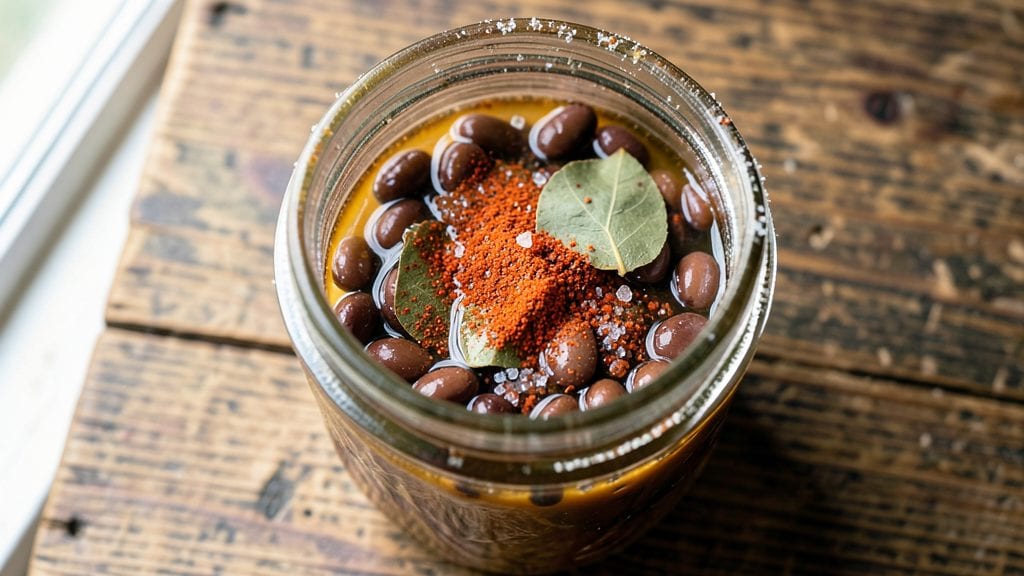
This old-fashioned pickled beans recipe delivers the perfect balance of tangy vinegar, smoky paprika, and satisfying crunch that brings Southern comfort to your table. The traditional method—soaking, simmering, and pickling—transforms simple navy beans into a side dish so flavorful it steals the show.
My version keeps the classic techniques but adapts them for modern kitchens, ensuring you get that restaurant-quality taste without fuss.
The process begins with a proper soak and boil to soften the beans just enough, then a vinegar and spice brine that infuses them with bold, tangy depth. Smoked paprika adds that signature smoky warmth you crave, while a touch of mustard seeds and garlic rounds out the flavor profile.
What makes this recipe special is how it preserves that satisfying crunch while developing layers of flavor over time—something store-bought versions can’t match.
By the time you’re done, you’ll have a jar of beans that are tender yet still hold their shape, with a bright, tangy brine that clings to every bite. The aroma alone will have everyone asking what’s for dinner, and the texture—crisp edges, tender centers—is impossible to resist.
This is the kind of side dish that elevates any meal, from weeknight dinners to holiday feasts.
Once prepared, these pickled beans keep beautifully in the refrigerator for up to two weeks, making them perfect for meal prep. Serve them alongside grilled meats, cornbread, or even on their own as a snack. The versatility and depth of flavor make this a staple worth mastering—let’s get started!
Ingredients for old fashioned pickled beans
Simple pantry staples meet Southern tradition for these tangy, smoky pickled beans.
| Ingredient | Amount | Notes |
|---|---|---|
| Navy Beans (Dried) 🍲 | 1 ½ cups | Uncooked, rinsed well |
| White Vinegar 🍶 | 2 cups | Distilled or apple cider |
| Water 💧 | 4 cups | Filtered preferred |
| Smoked Paprika 🌶️ | 2 tbsp | High quality for smoky depth |
| Granulated Sugar 🍚 | ½ cup | Light brown preferred |
| Salt 🧂 | 1 ½ tsp | Kosher or sea salt |
| Mustard Seeds 🌾 | 1 tsp | Whole, yellow preferred |
| Garlic Cloves 🧄 | 4 cloves | Peeled, roughly chopped |
| Black Peppercorns 🌶️ | 1 tsp | Freshly cracked |
| Bay Leaves 🌿 | 2 whole | Dried, crushed slightly |
| Onion (Yellow) 🧅 | 1 whole | Thinly sliced, medium size |
| Celery Stalks 🥬 | 2 whole | Thinly sliced, fresh |
| Apple Cider Vinegar 🍎 | ½ cup | Optional, for extra tang |
The navy beans are the foundation—dried, not canned, for that authentic texture. Bob's Red Mill or Great Northern beans work perfectly, but any dried navy beans will do. Soak them overnight to soften, then boil until just tender—overcooking turns them mushy. The vinegar matters too: white vinegar for classic tang, but apple cider adds depth if you prefer. For the spices, Penzeys or local spice shops carry premium smoked paprika that makes all the difference—it’s worth the splurge for that restaurant-quality smokiness.
No smoked paprika? Substitute with a mix of regular paprika and a pinch of liquid smoke—it’s not the same, but it works in a pinch. Mustard seeds can be skipped if you’re sensitive to their bite, but they add a nice crunch. The garlic? Fresh is non-negotiable here—jarred minced loses its punch. For the vinegar, apple cider vinegar adds a fruity note if you’re feeling experimental. The onions and celery are optional but recommended—they add body and sweetness to the brine. If you’re short on time, baby carrots or bell peppers can stand in, but they’ll change the texture slightly.
These beans keep beautifully in the fridge for up to 2 weeks—the flavor actually improves as the spices infuse. For longer storage, freeze in airtight jars for 6 months. The brine gets stronger over time, so taste and adjust before serving. I like to portion mine into small jars for easy snacking or meal prep. Serve them warm or cold—they’re perfect alongside grilled chicken or cornbread, but they’re also great on their own with a crisp green salad.
Why You'll Love This Recipe
- No-Soaking Required: I swear by this trick—just toss dried navy beans in boiling water with vinegar and sugar, then simmer. No overnight soaking, no fuss, and they turn tender in under an hour. Honestly, it’s the kind of shortcut that makes me want to cook more often.
- Smoky-Sweet Magic: That smoked paprika? It’s the star. The vinegar cuts through the richness while the sugar balances it, creating this weirdly addictive tangy-sweet crunch. Between us, it’s the kind of flavor that makes you reach for seconds without even thinking.
- Weeknight Workhorse: Serve them cold in sandwiches, toss them into salads, or just eat them straight from the jar with crackers. I’ve had them at picnics, potlucks, and lazy Sunday brunches—no one ever asks what they are, they just keep coming back for more.
- Pantry Goldmine: A bag of dried beans and a few pantry staples are all you need. The vinegar keeps them fresh for weeks, and the cost? A fraction of canned versions. I’ll be real: this is my go-to for when I need to stretch a budget without sacrificing taste.
Step-by-step instructions for old fashioned pickled beans
Let's create these tangy, smoky beans that balance sweetness and acidity perfectly.
Prepare the Beans and Aromatics
Rinse the 1.5 cups dried navy beans thoroughly under cold water to remove any debris. Soak them in a large bowl of cold water for at least 8 hours or overnight. This step is crucial for tender beans—they'll triple in size and cook evenly. I like to use a colander for draining, shaking gently to remove excess water.
While the beans soak, thinly slice the 1 whole yellow onion and 2 whole celery stalks using a sharp chef's knife. You want even, paper-thin slices that will soften beautifully during cooking. Roughly chop the 4 garlic cloves and lightly crush the 2 whole bay leaves between your palms to release their aromatic oils. These aromatics form the flavor foundation of the pickled beans, so don't skip this step.
Build the Vinegar-Braising Liquid
In a large, heavy-bottomed pot, combine the 2 cups white vinegar, 4 cups water, 0.5 cup granulated sugar, 2 tbsp smoked paprika, 1.5 tsp salt, 1 tsp mustard seeds, 1 tsp black peppercorns, 0.5 cup apple cider vinegar, and the prepared aromatics. Stir well to dissolve the sugar completely—you should see a clear, amber liquid with no graininess.
Bring the mixture to a gentle boil over medium heat, then immediately reduce to a simmer. Let it cook uncovered for 10 minutes to infuse the flavors. You'll notice the liquid darkens slightly and develops a rich, vinegary aroma. This is when the smoked paprika's deep flavor truly comes alive—don't rush this step, as it develops the signature smoky depth.
Cook the Beans to Perfect Tenderness
Drain the soaked beans and add them to the simmering liquid. Stir gently to submerge them completely. Bring the mixture back to a gentle boil, then immediately reduce heat to low and cover partially with a lid. Let the beans simmer for 1 hour, stirring occasionally to prevent sticking to the bottom of the pot.
After 1 hour, check the beans for tenderness using a fork—they should be soft but still hold their shape. If they're not quite tender enough, continue simmering uncovered for another 20-30 minutes. The beans should be fork-tender but not mushy, with a slight bite that contrasts beautifully with the tangy sauce. This balance is key to that old-fashioned texture.
Finish and Preserve the Pickled Beans
Once the beans reach perfect tenderness, remove the pot from heat and let them cool slightly for 5 minutes. This resting period allows the flavors to meld together. Skim off any foam that rises to the surface with a spoon—this ensures a clean, smooth final product.
Transfer the beans and their liquid to clean, sterilized glass jars, leaving about ½ inch of headspace at the top. Seal the jars tightly and let them cool completely at room temperature before refrigerating. These pickled beans will keep in the refrigerator for up to 2 weeks, developing even more complex flavors as they sit. The smoky paprika and tangy vinegar will mingle beautifully, creating a condiment that's perfect for sandwiches, salads, or as a tangy side dish.
Pro Tips For Making Old Fashioned Pickled Beans
- SOAK BEANS OVERNIGHT: Dried navy beans are stubborn—rushing them with a quick soak leaves them gummy. Toss them in cold water the night before (no salt yet) and they’ll soften evenly. I learned this the hard way after ending up with a mushy batch that tasted like regret.
- USE 1:1 VINEGAR TO WATER: The classic ratio for tangy, balanced pickled beans is equal parts vinegar and water. Skip the guesswork—measure them the same, like 2 cups each. Too much vinegar makes them harsh; too little and they’ll taste flat. (Yes, even if you’re impatient like me.)
- ADD PAPRIKA LAST: Smoked paprika burns faster than you’d think. Stir it in during the final 2 minutes of cooking, not at the start—otherwise, you’ll end up with bitter, charred bits instead of that warm, smoky flavor. Trust me, your future self will notice.
- COOL BEANS FAST: Hot beans in a jar? That’s a recipe for moldy disappointment. Drain them into an ice bath for 5 minutes after cooking to stop the cooking process and lock in crispness. I skip this sometimes, and the beans turn out fine—but noticeably softer.
Best sauces and condiments for old fashioned pickled beans
Classic Mustard Sauce
My go-to pairing is a homemade mustard sauce that complements the pickled beans' tangy depth. Mix ¼ cup Dijon mustard, ¼ cup apple cider vinegar, 2 tbsp honey, 1 tbsp olive oil, and a pinch of smoked paprika for a smoky echo.
Thin with 2 tbsp water if needed, then drizzle over the beans or use as a sandwich spread. The mustard's sharpness cuts through the vinegar, while honey balances the acidity. 🌶️
Creamy Garlic Aioli
For a richer contrast, whip up a garlic aioli using ½ cup mayonnaise, 1 tbsp lemon juice, 1 minced garlic clove, and ½ tsp salt. Fold in 1 tbsp chopped fresh dill for brightness.
Serve alongside the pickled beans for dipping or as a topping on grilled meats. The cool, creamy texture soothes the palate after the vinegar's bite, and the garlic ties into the recipe's aromatic base. ✨
Spicy Pepper Jelly
If you love heat, pepper jelly is a game-changer. Look for a high-quality brand like Mace's Pepper Jelly or make your own with ½ cup vinegar, ½ cup sugar, 2 tbsp finely chopped jalapeños, and 1 tsp red pepper flakes.
Simmer until thickened, then cool. The jelly’s sweet-spicy kick pairs beautifully with the smoky beans, especially on sandwiches or as a glaze for grilled chicken. 🔥
Herbed Butter
For a neutral but flavorful option, melt ½ cup unsalted butter with 1 tbsp chopped fresh parsley, 1 tsp lemon zest, and ½ tsp garlic powder. Let it cool slightly, then spread on warm cornbread or toast before serving the pickled beans.
The herbed butter adds a fresh, buttery contrast that rounds out the dish’s bold flavors. The parsley’s brightness cuts through the vinegar, while the garlic ties into the recipe’s aromatic profile. 🌿
Pickled Onion Topping
Elevate the dish with quick-pickled onions—slice 1 small red onion thinly, then pack into a jar with ½ cup apple cider vinegar, 1 tbsp sugar, and ½ tsp salt. Let sit for at least 30 minutes before draining slightly and scattering over the beans.
The onions add a crisp, acidic crunch that mirrors the pickled beans’ texture while deepening their flavor. This is a simple but effective way to amplify the dish’s tangy profile. 🧅
Honey-Sriracha Glaze
For a sweet-spicy contrast, blend 3 tbsp honey, 1 tbsp sriracha, and 1 tsp rice vinegar until smooth. Drizzle lightly over the beans or use as a dip for cornbread.
The sriracha’s heat complements the smoked paprika, while the honey softens the vinegar’s sharpness. This glaze works especially well if you’re serving the beans with grilled meats or in a sandwich. 🍯
Nutrition facts
Frequently asked questions
Can I use canned beans instead of dried for this recipe?
While you can use canned navy beans in a pinch, they won't give you the same satisfying texture that dried beans provide. Dried beans absorb the pickling liquid better, creating that perfect crunch-tender contrast. If you must use canned, drain and rinse them thoroughly, then simmer in the vinegar mixture for an extra 15-20 minutes to infuse the flavors. The result will be softer and less traditional, but still tasty!
How do I prevent the pickled beans from getting too mushy?
Overcooking is the main culprit! Always check for tenderness with a fork after 1 hour of simmering. The beans should be soft but still hold their shape with a slight bite. If they're not quite there, simmer uncovered for another 10-15 minutes instead of rushing. Also, avoid stirring them constantly—gentle stirring prevents breaking the beans while maintaining even cooking. The key is patience!
Can I adjust the spice level in this recipe?
For a milder version, reduce the smoked paprika to 1 tablespoon and omit the mustard seeds. If you love heat, add ½ teaspoon of cayenne pepper or 1 sliced jalapeño to the vinegar mixture. The recipe is very forgiving—just remember that the flavors will develop more as the beans sit, so start with your preferred level and taste as you go.
How long do these pickled beans keep, and can I freeze them?
These pickled beans stay fresh in the refrigerator for up to 2 weeks, with flavors actually improving over time. For longer storage, freeze them in airtight jars or containers for up to 6 months. When ready to use, thaw in the fridge overnight. The texture may soften slightly after freezing, but the tangy, smoky flavor remains delicious. Label your jars with the date for easy tracking!
What are the best ways to serve these pickled beans?
These versatile beans shine in so many ways! Serve them warm or cold as a side with grilled meats, cornbread, or fried chicken. They also make an excellent sandwich topping—especially on pulled pork or fried catfish. For a quick snack, serve with crackers or fresh bread. The tangy, smoky flavor pairs beautifully with rich, fatty foods, but they're also great alongside salads or as a topping for baked potatoes.