Side Dishes
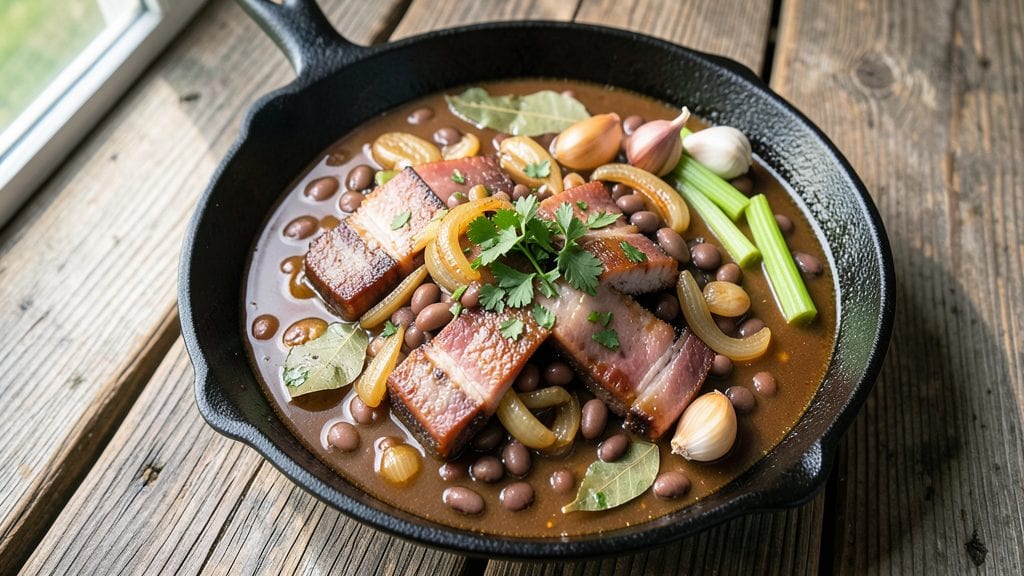
Paula Deen's ham hock and beans recipe delivers that soul-warming, smoky-sweet flavor Southern kitchens are famous for. The secret lies in slow-cooking the ham hock until it renders rich, savory juices that transform simple beans into a dish so flavorful, it becomes the centerpiece of any meal.
This recipe captures the essence of traditional Southern cooking with a method that's both forgiving and deeply satisfying.
The beauty of this dish is in its simplicity—just a few ingredients work together over time to create something extraordinary. A ham hock infuses the beans with deep, smoky flavor, while onions, garlic, and spices build layers of warmth.
The slow cooker does all the work, allowing flavors to meld and develop into a harmonious, comforting dish that tastes even better the next day.
What you'll end up with is a pot of tender, flavor-packed beans that are rich with the essence of ham, balanced by just enough sweetness and tang.
The aroma alone will have everyone gathering around the table, and the first bite delivers that perfect combination of smoky, savory, and slightly sweet. This is comfort food at its finest—simple, hearty, and impossible to resist.
Serve it alongside cornbread, grilled meats, or even as a standalone dish with crusty bread for soaking up every last drop. This recipe is perfect for family gatherings, holiday meals, or any night you crave that classic Southern taste. Let's get cooking!
Ingredients for paula deen ham hock and beans
Just a ham hock, beans, and a few pantry staples transform into Southern soul food magic.
| Ingredient | Amount | Notes |
|---|---|---|
| Ham Hock 🍖 | 1 whole | Smoked, bone-in preferred |
| Dried Navy Beans 🥣 | 2 cups | Uncooked, soaked overnight |
| Yellow Onion 🧅 | 1 whole | Medium, chopped |
| Garlic Cloves 🧄 | 4 cloves | Minced, fresh preferred |
| Celery Stalks 🥬 | 2 whole | Chopped, fresh preferred |
| Bay Leaves 🌿 | 2 whole | Dried, standard size |
| Salt 🧂 | 2 tsp | Kosher or sea salt |
| Black Pepper 🌶️ | ½ tsp | Freshly ground preferred |
| Brown Sugar 🍯 | 2 tbsp | Packed, light variety |
| Apple Cider Vinegar 🍎 | 2 tbsp | For tangy balance |
| Smoked Paprika 🌶️ | 1 tsp | For smoky depth |
| Water 💧 | 6 cups | For soaking beans |
| Fresh Parsley 🌿 | ¼ cup | Chopped, for garnish |
The ham hock is non-negotiable here—it's the flavor anchor. Look for smoked hocks at your local butcher or well-stocked grocery store like Whole Foods or Kroger. If you can't find smoked, regular ham hocks work but add an extra 1/2 tsp smoked paprika to compensate. The beans? Dried navy beans are traditional, but pinto or great northern beans work too. Soak them overnight in plenty of water—this cuts cooking time and prevents gas. For extra richness, I sometimes add a ham bone alongside the hock if available.
No smoked paprika? Regular paprika plus a pinch of liquid smoke mimics the depth. Short on vinegar? Lemon juice or apple juice works in a pinch, though vinegar's tang is ideal. The onion, celery, and garlic form the holy trinity—skip none of them. If you're using pre-chopped celery from the bag, rinse it well to remove excess moisture. For the brown sugar, light variety dissolves better than dark. And if you're worried about the beans being too firm, add an extra 1/2 cup water during cooking. The slow cooker does all the heavy lifting, so don't stress about precise measurements here.
This dish tastes even better the next day as flavors meld. Store leftovers in an airtight container in the fridge for up to 5 days, or freeze for 3 months. For reheating, add a splash of water or broth to prevent drying out. The ham hock can be removed after cooking, shredded for sandwiches, or saved for soup stock. Garnish with fresh parsley just before serving—it brightens the dish and makes it look restaurant-worthy. Double the recipe if you're feeding a crowd; the slow cooker handles it effortlessly.
Why You'll Love This Recipe
- One-Pot Magic: I swear by this recipe for lazy Sundays—just toss everything in a pot, add water, and let it simmer. No fancy prep, no extra dishes, and that ham hock? It practically falls apart on its own.
- Smoky-Sweet Symphony: The ham hock’s salty richness melts into the beans, while the onions and celery caramelize into something dangerously good. Honestly, the first bite makes me close my eyes—it’s that kind of dish.
- Leftovers That Win: This recipe doubles easily, and the flavors only get better the next day. I freeze portions for quick meals, and my kids beg for it even when it’s reheated—no one’s complaining about that.
- Budget Meal, Big Payoff: Dried beans and a ham hock stretch into a hearty, filling meal without breaking the bank. Between us, I’ve fed a crowd for under $15, and no one ever guesses how cheap it was to make.
Step-by-step instructions for paula Deen's ham hock and beans
This slow-cooked masterpiece delivers rich, smoky flavors with tender beans and deep savory notes.
Prepare the Beans and Soak Overnight
Place the 2 cups of dried navy beans in a large bowl and cover them completely with cold water by at least 2 inches. Soak overnight in the refrigerator—this ensures even cooking and prevents the beans from staying hard. I like to add a pinch of salt to the soaking water, but don't worry if you forget; it's not critical.
The next morning, drain and rinse the beans thoroughly under cold water. This removes any excess starch that could make the beans gummy during cooking. Transfer the rinsed beans to a 6-quart slow cooker. The beans should expand significantly during cooking, so don't crowd them—they'll need room to soften properly.
Build the Flavor Base
In a medium bowl, combine the chopped yellow onion, chopped celery stalks, minced garlic cloves, 2 teaspoons of salt, 0.5 teaspoon of black pepper, 1 teaspoon of smoked paprika, 2 tablespoons of brown sugar, and 2 tablespoons of apple cider vinegar. Mix well to distribute all the seasonings evenly. This aromatic blend forms the flavor foundation for your beans.
Add this mixture to the slow cooker with the beans. The vegetables will break down during cooking, infusing the beans with their natural sweetness and depth. Stir gently to combine, making sure the beans are fully coated with the seasoned vegetable mixture. This step ensures every bite is packed with flavor.
Add the Ham Hock and Liquid
Place the whole ham hock in the slow cooker, positioning it on top of the bean mixture. The ham hock will slowly render its fat and collagen into the beans, creating a rich, savory broth. Pour in the 6 cups of water, making sure the ham hock is fully submerged. Add the 2 whole bay leaves to the slow cooker—they'll add subtle earthy notes that complement the smoky flavors.
This is where the magic begins. The ham hock's gelatin will dissolve into the beans, creating a silky texture that coats each bean perfectly. The water level should cover everything by about 1 inch, allowing for gentle simmering without boiling over.
Slow Cook to Perfection
Cover the slow cooker and cook on low heat for 8 to 10 hours. This long, gentle cooking time is essential—it allows the beans to become fork-tender while developing deep, complex flavors. I know it's tempting to check on your food, but resist the urge to lift the lid during cooking. Each time you do, you release steam and extend the cooking time.
After 8 hours, check the beans for doneness. They should be tender enough to mash slightly between your fingers but still hold their shape. If they're not quite there, continue cooking for another hour. The beans are ready when they're completely soft with no resistance when pierced with a fork. The ham hock should also be falling apart easily at this point.
Finish and Garnish
Once the beans are tender, carefully remove the ham hock and shred the meat, discarding the bone. Return the shredded ham to the slow cooker and stir gently to combine. Taste and adjust seasoning if needed—you might need a little more salt or vinegar to balance the flavors. The beans should be rich, smoky, and slightly sweet with a tangy kick.
Remove the 2 bay leaves and discard them. Stir in the 0.25 cup of chopped fresh parsley just before serving. The parsley adds a bright, fresh contrast to the deep, smoky flavors of the beans. Serve this hearty dish with crusty bread or over buttered cornbread for a complete meal.
Pro Tips For Making Paula Deen Ham Hock And Beans
- Parboil Beans First: Skip the overnight soak—just boil dried navy beans for 2 minutes, then drain and cover with fresh water. I learned this the hard way after forgetting to soak mine overnight, and the beans still turned out tender. Paula Deen’s recipe relies on slow cooking, so this shortcut saves time without sacrificing texture.
- Brown the Ham Hock: Don’t skip this step—sear the ham hock in a hot pot until deeply browned on all sides. The crust adds flavor that simmers into the beans, and it takes less than 5 minutes. I used to rush this, and the dish always tasted flat until I started browning properly.
- Trim Celery Right: Cut celery into ½-inch chunks, but remove the stringy core—it never softens and just gums up the pot. My grandmother swore by this, and she was right: the beans stay smooth, and the celery actually gets tender instead of chewy.
- Simmer Low and Slow: After the initial boil, drop the heat to a bare simmer—just enough to keep tiny bubbles breaking the surface. I was skeptical until I tried it: high heat makes the beans mushy, but low and slow keeps them creamy and the ham hock falling-off-the-bone tender. Yes, it takes longer, but it’s worth it.
Common mistakes when making great paula deen ham hock and beans
Skipping the Soak
Rushing the soaking process is a common mistake that leads to tough, undercooked beans. Dried beans need at least 8 hours of soaking (overnight is ideal) to soften properly. I’ve seen recipes where people skip soaking entirely—this results in beans that stay hard no matter how long you cook them.
If you’re short on time, use canned beans (drained and rinsed) as a shortcut, but they won’t have the same rich texture as slow-cooked dried beans. 💫
Overfilling the Slow Cooker
Packing the slow cooker too tightly prevents proper heat circulation, leading to uneven cooking and potential burning. The beans should have enough room to expand—aim for no more than halfway full when adding the soaked beans.
I’ve seen dishes where the beans barely fit, and the result was a gummy, uneven texture. If your slow cooker is small, cook in batches or use a larger pot on the stovetop instead.
Ignoring the Ham Hock
Some cooks remove the ham hock too early or skip it entirely, missing out on the dish’s signature depth. The ham hock should stay in until it’s fully rendered—usually after 8-10 hours of cooking.
If you remove it too soon, the beans won’t absorb enough of its smoky, savory flavor. Save the cooked ham hock for sandwiches or stock, but don’t rush its contribution to the beans. 🍖
Lifting the Lid Too Often
Peeking at your slow-cooked beans releases steam and extends cooking time, which can lead to overcooked or dried-out beans. Resist the urge to check on them until the 8-hour mark. If you must peek, do so quickly and minimize how often you lift the lid.
I’ve seen dishes where the beans turned out mushy because of frequent lid lifts—patience is key here.
Forgetting to Shred the Ham
Leaving the ham hock whole or only partially shredded means missing out on its full flavor infusion. After cooking, the ham should be easy to shred with a fork. If it’s still tough, it didn’t cook long enough.
Shredding it and mixing it back into the beans ensures every bite is packed with that rich, smoky ham flavor. Don’t skip this step—it’s what elevates the dish from good to unforgettable.
Skipping the Parsley Garnish
While not a dealbreaker, fresh parsley adds a bright, fresh contrast to the deep, smoky flavors of the beans. Some cooks skip it because they think it’s optional, but that final touch makes the dish look and taste more polished.
Stir it in just before serving—it’s the perfect way to balance the richness of the ham and beans. 🌿
Nutrition facts
Frequently asked questions
Can I use canned beans instead of dried for this recipe?
Yes, but the texture and flavor won't be the same. Canned beans cook much faster and lack the deep, slow-developed richness from dried beans. If you must use canned, opt for low-sodium navy beans and drain/rinse them thoroughly. You'll need to add 1 cup extra liquid and reduce cooking time to 4-6 hours on low. The beans will be softer but still delicious!
How do I store leftovers and reheat them properly?
Transfer leftovers to an airtight container and refrigerate for up to 5 days. For reheating, add 2-3 tablespoons of water or broth per cup of beans to prevent drying out. Cover and warm on low heat in the slow cooker for 1-2 hours or microwave for 2-3 minutes on medium power. Stir occasionally for even heating.
What can I do if my beans are still hard after 10 hours?
This usually happens from insufficient soaking or overcrowding. Add 1 cup fresh water, stir, and cook uncovered on high for 1-2 hours. If they're still tough, they may need more time. For future batches, ensure beans are soaked overnight and don't fill the slow cooker more than halfway. You can also add 1/2 teaspoon baking soda to the soaking water to help soften them.
Can I make this recipe on the stovetop instead of a slow cooker?
Use a 6-quart Dutch oven and follow the same steps. Simmer on medium-low heat for 2-3 hours after the beans come to a boil, adding water as needed. Stir occasionally and maintain a gentle simmer (not a rolling boil) to prevent beans from breaking apart. The stovetop version gives you more control over the cooking process and similar flavor results.
What's the best way to use up the cooked ham hock?
Shred the cooked ham hock and return it to the beans for maximum flavor! You can also use it in sandwiches, soups, or fried rice. For extra value, save the bones to make ham stock by simmering them with veggie scraps for 2-3 hours. Strain and use the rich stock in future recipes like gravies or mashed potatoes. Don't waste a single bit of that flavor!