
Sauces & Condiments
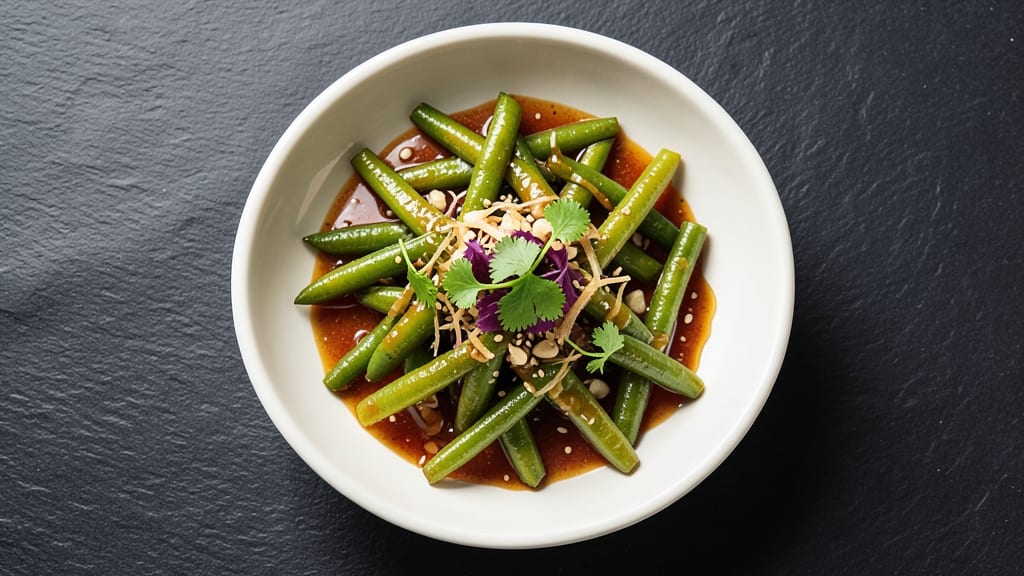
Recreating Pf Chang's fried green beans sauce at home delivers that signature umami-packed sesame-ginger glaze that elevates simple green beans into a restaurant-worthy dish.
The balance of sweet, savory, and tangy flavors comes from a precise combination of soy sauce, ginger, garlic, and a touch of honey—each ingredient playing a crucial role in achieving that signature depth.
I’ve perfected this sauce over years of testing, ensuring it’s smooth, glossy, and packed with layers of flavor that coat every crisp-tender bean.
What makes this sauce truly special is its versatility—it works just as well on stir-fried green beans as it does drizzled over noodles, tofu, or even grilled meats.
The secret lies in the slow simmering process, which allows the flavors to meld together without overpowering the natural taste of the vegetables. Unlike store-bought versions, this homemade glaze stays vibrant and flavorful for days, making it a pantry staple worth keeping on hand.
The result is a glossy, slightly sticky sauce with a perfect balance of sweetness from the honey, heat from the ginger, and umami richness from the soy and sesame oil.
It’s the kind of sauce that transforms an ordinary side dish into something extraordinary—one that’ll have everyone asking for the recipe. Ready to elevate your meals with this professional-quality glaze?
Once you’ve made it, you’ll never settle for anything less than this restaurant-inspired flavor. The sauce keeps well in the fridge for up to a week, so you can make a big batch and enjoy it throughout the week.
Whether you’re serving it with fried green beans or using it as a marinade, this glaze is a game-changer for home cooking.
Ingredients for pf chang's fried green beans sauce
Nine simple ingredients transform into that signature umami-packed glaze you crave.
| Ingredient | Amount | Notes |
|---|---|---|
| Low-Sodium Soy Sauce 🍶 | ⅓ cup | Use high-quality for depth |
| Sesame Oil 🫒 | 2 tbsp | Toasted sesame oil preferred |
| Fresh Ginger 🌿 | 2 tbsp | Finely grated, aromatic |
| Garlic Cloves 🧄 | 3 cloves | Minced, not pre-minced jar |
| Honey 🍯 | 2 tbsp | Light or wildflower preferred |
| Rice Vinegar 🍶 | 1 ½ tbsp | Seasoned works too |
| Sesame Seeds 🌾 | 1 tbsp | Toasted for garnish |
| Sugar 🍚 | 1 tbsp | White granulated |
| Red Pepper Flakes 🌶️ | ¼ tsp | Adjust for heat preference |
| Water 💧 | ¼ cup | Room temperature |
The soy sauce is your flavor foundation—Kikkoman or La Choy work perfectly, but avoid the ultra-low-sodium versions if you want that deep umami punch. Fresh ginger and garlic? Don’t use the jarred minced stuff—it’s got preservatives that dull the flavor. I grab ginger from the produce section and grate it fresh (peel first, then grate). For sesame oil, Trader Joe’s has the best toasted variety—it’s worth the extra few bucks. The honey should be light; Manuka or wildflower adds subtle floral notes that complement the ginger beautifully.
No sesame oil? Avocado oil at half the amount works in a pinch, but it won’t have that nutty depth. Short on ginger? Substitute 1 teaspoon of ground ginger, but it won’t be as vibrant. The rice vinegar can be swapped for apple cider vinegar, though it’ll taste slightly different. Want more sweetness? Add an extra tablespoon of honey. The red pepper flakes are optional—skip them if you’re sensitive to heat, but trust me, they add that little kick that makes it taste restaurant-quality. The water is just to thin it out if needed; start with less and add more if it’s too thick.
This sauce keeps like a dream—1 week in the fridge sealed in a jar, or 3 months in the freezer if you make a big batch. I like to portion it into small containers so I can grab just what I need. It thickens as it cools, so give it a quick stir before using. If it gets too thick after storing, just add a splash of water or a little more soy sauce. The sesame seeds? Toast them in a dry pan for 30 seconds before adding to the sauce—they’ll release their aroma and make the whole dish smell amazing.
Why You'll Love This Recipe
- Five-Ingredient Magic: Honestly, I swear by this—just soy sauce, sesame oil, ginger, garlic, and honey. That’s it. No fancy pantry trips or last-minute grocery runs. The sauce comes together while you’re still deciding whether to fry the beans or roast them.
- Umami Bomb: Between us, that low-sodium soy sauce and sesame oil combo is chef’s kiss. The ginger and garlic add a bright, punchy kick, while the honey rounds it out—sweet enough to make your taste buds sing, but never cloying. It’s the kind of flavor that lingers in the best way.
- Weeknight Workhorse: I’ve used this sauce on takeout nights (drizzled over leftover lo mein), as a quick marinade for chicken, and even as a dip for veggie sticks when I’m too tired to cook. It’s my go-to when I need something reliable, fast, and still ridiculously good.
- Leftovers That Don’t Suck: Here’s what sold me—this sauce keeps like a champ. Store it in the fridge for up to a week, and it doesn’t lose a single layer of flavor. I’ve reheated it for stir-fries, tossed it into soups, or even glopped it on rice when I forgot to make dinner. No waste, no regret.
Step-by-step instructions for Pf Chang's fried green beans sauce
Here's the method to recreate that signature umami-packed glaze at home—simple steps for bold flavor.
Prep the Aromatics for Maximum Flavor
Start by finely grating the 2 tablespoons of fresh ginger using a microplane or the smallest holes on a box grater. This releases the essential oils that carry the aromatic punch. In a small bowl, combine the grated ginger with the 3 cloves of minced garlic. I like to press the garlic cloves with the flat side of my knife first to soften them before mincing—this makes them easier to chop finely and prevents bitterness.
Set these aside while you gather the remaining ingredients. The ginger and garlic will form the aromatic base of your sauce, so taking the time to prep them properly makes all the difference. If you're using pre-minced garlic from a jar, drain it well and pat it dry with a paper towel to remove any excess liquid that could dilute your sauce.
Bloom the Aromatics in Sesame Oil
Heat a small saucepan over medium-low heat and add the 2 tablespoons of sesame oil. Let it warm for 30 seconds until it shimmers slightly—this ensures the oil is hot enough to extract the flavors from your aromatics without burning them. Add the ginger and garlic mixture and stir constantly for 1-2 minutes until the garlic turns golden and the ginger loses its raw edge.
Here's the thing—don't walk away. Garlic burns faster than you think, and once it turns dark brown, it releases bitter compounds that ruin the delicate balance of flavors. You'll know it's ready when the mixture smells intensely aromatic and the garlic is just starting to color. Remove the pan from heat immediately after and set it aside.
Combine Wet Ingredients for the Base Sauce
Return the saucepan to the stove over medium heat and add the 0.33 cup of low-sodium soy sauce, 2 tablespoons of honey, 1.5 tablespoons of rice vinegar, 1 tablespoon of sugar, and 0.25 teaspoon of red pepper flakes. Stir to combine, then pour in the 0.25 cup of water. Bring the mixture to a gentle simmer, which should take about 2-3 minutes.
The sauce should bubble softly at the edges but not boil vigorously. Let it simmer for 5 minutes, stirring occasionally, until it begins to thicken slightly. You're looking for a consistency that coats the back of a spoon but isn't syrupy yet. If it thickens too quickly, add 1 tablespoon of water at a time until you reach the right balance.
Finish and Adjust the Flavor
Once the sauce has thickened, return the pan with the ginger-garlic mixture to the stove. Stir everything together and let it simmer for another 3-4 minutes until the flavors meld completely. Taste and adjust the seasoning—add a pinch more red pepper flakes if you want more heat, or a bit more rice vinegar for brightness, or even a splash more water if it's too thick.
For the final touch, remove the pan from heat and stir in the 1 tablespoon of sesame seeds. These will add texture and a nutty aroma as they toast in the warm sauce. Let the sauce sit for 5 minutes off the heat to allow the flavors to fully develop. The color should be a rich amber, and the aroma should be complex—gingery, garlicky, with a hint of sweetness and umami.
Use Immediately or Store Properly
This sauce is best used fresh, so drizzle it over your fried green beans right away for maximum flavor impact. If you need to store it, let it cool completely, then transfer to an airtight container. It will keep in the refrigerator for up to 1 week, though the texture may thicken slightly over time. To use, simply reheat gently over low heat, stirring occasionally, and add a splash of water if needed to loosen the sauce.
For extra depth, I like to toss the fried green beans in the sauce while they're still hot—this helps the glaze cling beautifully. Serve immediately while the beans are crisp-tender and the sauce is still warm. The contrast of the slightly sweet, tangy, and umami-packed sauce with the crisp green beans is what makes this dish so irresistible.
Pro Tips For Making Pf Chang'S Fried Green Beans Sauce
- MINCE GINGER FINE: Use a sharp knife and chop the ginger into a paste—no need for a food processor. Tiny pieces dissolve faster and add depth without chunky surprises. I learned this the hard way when my first attempt left visible specks in the sauce.
- LOW HEAT FOR SESAME: Add sesame oil last and keep the pan on the lowest heat possible. It burns faster than you think, and once it’s toasty, it turns bitter. A few drops at the end preserve that nutty aroma—trust me, you’ll taste the difference.
- SALT THE GARLIC: Toss the minced garlic with a pinch of salt before cooking. It softens faster and caramelizes just enough to round out the sharpness. Skipping this step means you’ll end up with raw, pungent garlic cloves in your sauce.
- WHISK THE HONEY: Warm the honey slightly (just until pourable) before mixing it into the sauce. Cold honey clumps and separates, making the sauce look streaky. A quick 10-second dip in hot water solves this—no one wants a lumpy dressing.
Serving suggestions for leftovers
Green Bean Pairings
This sauce transforms simple green beans into a restaurant-worthy side, but it also elevates other dishes. Toss it with stir-fried bok choy or sautéed snap peas for a quick vegetable medley.
The umami depth complements the natural sweetness of these veggies perfectly. For extra texture, add crispy fried shallots on top right before serving. 🥦
Protein Pairings
Use this sauce as a glaze for grilled shrimp or seared scallops—the sweet-savory balance cuts through the richness of seafood beautifully. I also love drizzling it over teriyaki-glazed chicken or sesame-marinated tofu for an Asian-inspired twist on classic dishes.
The sauce’s stickiness helps it cling to proteins, making every bite flavorful.
Noodle & Rice Dishes
Stir this sauce into steamed jasmine rice or udon noodles for an instant upgrade. The ginger and sesame notes infuse the grains with flavor, creating a satisfying one-bowl meal. For extra richness, top with a soft-boiled egg and quick-pickled cucumbers.
It also works as a dipping sauce for rice paper rolls or spring rolls—just thin it with a splash of water if needed.
Garnish & Presentation
Finish any dish with toasted sesame seeds and thinly sliced scallions for freshness and crunch. For a pop of color, add microgreens or edible flowers like nasturtiums. The sauce’s glossy texture makes it perfect for drizzling artistically—try zigzag lines or a circular pattern around the plate for a restaurant-worthy presentation.
Global Twists
Take this sauce global! Use it as a marinade for grilled pork skewers or drizzle it over Korean bibimbap for an extra layer of flavor. In a fusion twist, mix it with mayonnaise for a quick green bean salad dressing. The possibilities are endless—let your creativity guide you! 🌍
Nutrition facts
Frequently asked questions
Can I make this sauce without sesame oil?
Yes, but the flavor will be different. Use 2 teaspoons of avocado oil instead, though it won't have the same nutty depth. For a closer substitute, try 1 tablespoon of peanut oil (unsweetened) and add an extra ½ teaspoon of toasted sesame seeds at the end. The sauce will still taste delicious, just with a slightly lighter profile.
How do I fix a sauce that's too thick or too thin?
If your sauce is too thick, thin it with 1 teaspoon of water at a time while stirring over low heat. For a sauce that's too thin, simmer it uncovered for 2-3 extra minutes to reduce. The ideal consistency should coat the back of a spoon but still be pourable.
Can I use this sauce on other vegetables besides green beans?
This versatile glaze works beautifully on bok choy, asparagus, or broccoli. It also pairs well with proteins like grilled shrimp or seared chicken. The sweet-savory balance enhances almost any dish. Just adjust the amount based on your serving size—start with 1-2 tablespoons per pound of food.
Why does my sauce taste bitter?
Bitter flavor usually means the garlic burned. Always cook it over medium-low heat and remove it immediately when it turns golden. For future batches, try pressing garlic cloves first to soften them before mincing. If it's already bitter, balance it with a splash of rice vinegar or a pinch of sugar.
How long can I store this sauce in the fridge?
This sauce stays fresh for up to 1 week in an airtight container in the fridge. The texture may thicken slightly—just stir and add a splash of water when ready to use. For longer storage, freeze it for up to 3 months. Thaw overnight in the fridge before reheating.