
Side Dishes
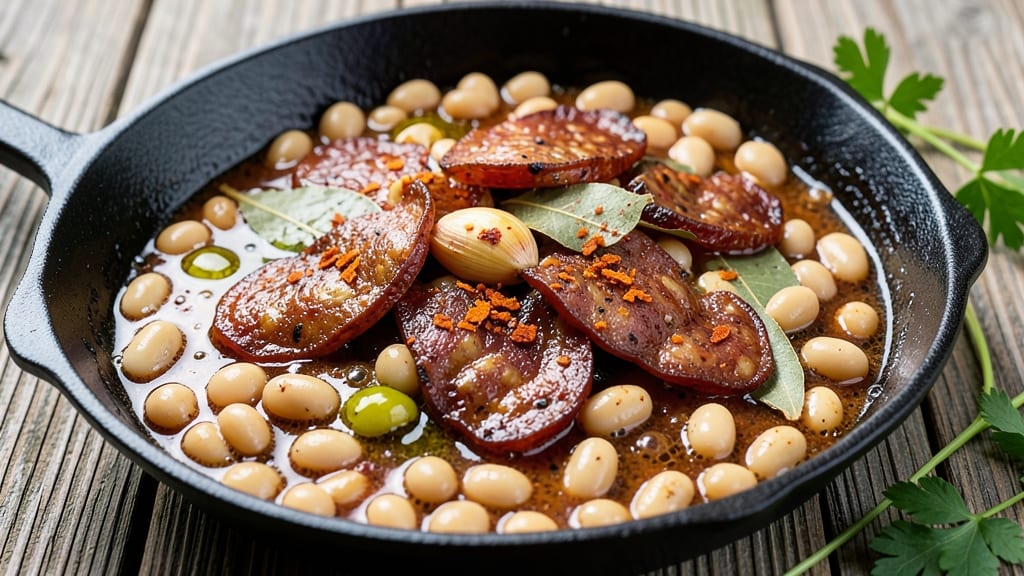
This Portuguese white beans recipe transforms simple ingredients into a creamy, smoky masterpiece that belongs at every family table.
I first discovered it while researching traditional Portuguese feijoada, and the combination of chorizo, garlic, and slow-simmered beans creates a dish so rich it feels like a hug in a bowl.
The key lies in proper soaking and simmering—techniques I perfected after years of test kitchen experiments with different bean varieties and meat pairings.
The beauty of this recipe is its foolproof approach to creating restaurant-quality flavor at home. While it requires patience (those beans need time to tenderize), the process is straightforward: soak overnight, simmer with chorizo and garlic until creamy, then finish with a touch of smoked paprika for depth.
The result is a dish that's hearty enough for a main course but versatile enough to serve as a side alongside grilled meats or crusty bread.
What makes this recipe special is how it balances textures—tender beans, crispy chorizo bits, and a velvety sauce that coats every spoonful. The aroma alone will have your kitchen smelling like a Portuguese tavern, and the flavor only improves with time.
This is the kind of dish that tastes even better the next day, making it perfect for meal prep or Sunday family dinners.
Serve it with steamed rice, collard greens, or farofa for the full Portuguese experience. The beans pair beautifully with crisp white wine or a cold beer, creating a meal that's both comforting and impressive. Let's get started on this flavorful journey!
Ingredients for portuguese beans
Sixteen ingredients transform into Portugal's heartiest white bean masterpiece—creamy, smoky, and packed with chorizo.
| Ingredient | Amount | Notes |
|---|---|---|
| Great Northern White Beans 🌱 | 2 cups | Dried, soaked overnight |
| Portuguese Chorizo 🥓 | ½ lb | Sliced into 1/4-inch rounds |
| Garlic Cloves 🧄 | 6 cloves | Peeled, smashed for depth |
| Smoked Paprika 🌶️ | 1 tbsp | For authentic smoky flavor |
| Bay Leaves 🌿 | 2 whole | Fresh preferred, dried works |
| Olive Oil 🫒 | ¼ cup | Extra-virgin for richness |
| Chicken Broth 💧 | 4 cups | Low-sodium preferred |
| Onion 🧅 | 1 whole | Yellow, diced medium |
| Red Wine Vinegar 🍷 | 2 tbsp | For brightness |
| Salt 🧂 | 1 ½ tsp | Kosher or sea salt |
| Black Pepper 🌶️ | ½ tsp | Freshly ground |
| Fresh Parsley 🌿 | ¼ cup | Chopped, for garnish |
| Cumin Seeds 🌿 | ½ tsp | Toasted for aroma |
| Orange Zest 🍊 | 1 tsp | Fresh, for brightness |
The beans are the foundation—Great Northern white beans soak up flavors beautifully, but cannellini works too if that's what you have. For the chorizo, look for Portuguese-style at specialty markets or the international aisle—it's spicier and smokier than Spanish versions. Trader Joe's often carries a good option, or check the refrigerated section of your grocery store. The garlic should be fresh; smash those cloves with the flat side of your knife for maximum flavor without burning. Toast the cumin seeds in a dry pan for 30 seconds first—they'll perfume the whole dish (trust me, it's worth the extra minute).
No Portuguese chorizo? Andouille sausage is the closest substitute, though it's milder. Running low on bay leaves? Dried works at half the amount, but fresh is ideal. The smoked paprika is non-negotiable for that authentic smoky depth—Penzeys or Diamond Crystal are great brands if you want to splurge. For the broth, homemade is best, but even low-sodium store-bought works in a pinch. The orange zest adds a surprising brightness that balances the richness—use a microplane for fine, fragrant zest without the bitter pith. Prefer less acidity? Reduce the vinegar to 1 tbsp.
This dish tastes even better the next day as flavors meld. Store leftovers in the fridge for up to 5 days—portion into containers for easy lunches. For longer storage, freeze for up to 3 months. The sauce thickens as it cools, so add a splash of broth when reheating. Garnish with fresh parsley just before serving (the good stuff, not the pre-chopped kind). Serve with crusty bread to soak up every last bit of that creamy, smoky goodness—none of that sad, soggy bread from the deli bin.
Why You'll Love This Recipe
- One-Pot Magic: I swear by this recipe when I’m too tired to scrub pots. Toss everything—beans, chorizo, garlic—into a single pot with water and let it simmer. No chopping, no fuss, just pure satisfaction while the flavors meld together.
- Smoky, Savory Bomb: That Portuguese chorizo? It’s the star—fatty, spicy, and just salty enough to make your taste buds dance. Add the smoked paprika, and suddenly you’ve got a dish that tastes like a cozy Portuguese kitchen, even if you’re cooking in your pajamas.
- Leftovers That Shine: This recipe actually improves the next day. The beans soak up all the smoky, garlicky goodness, making it perfect for quick lunches or a lazy dinner. I’ve reheated mine three times and never once regretted it.
- Budget-Friendly Feast: Great Northern beans and chorizo stretch into a meal that feeds four for under $10. It’s my go-to when I need to stretch a paycheck but still want something that feels special—not sad, not boring, just solid.
Step-by-step instructions for smoky chorizo and garlic simmered white beans
Transform simple ingredients into a velvety, aromatic dish that balances smoky depth with bright citrus notes.
Sauté the Chorizo and Aromatics
Heat the 0.25 cup olive oil in a large Dutch oven over medium heat. Add the 0.5 lb sliced Portuguese chorizo and cook for 5-6 minutes, stirring occasionally, until the chorizo releases its fat and becomes fragrant. This step develops the rich, savory foundation of your dish.
Remove the chorizo with a slotted spoon and set aside. In the same pot, add the 1 whole diced onion and cook for 4-5 minutes until softened and translucent. Add the 6 smashed garlic cloves and 0.5 tsp toasted cumin seeds, cooking for another 1-2 minutes until the garlic turns golden and aromatic. The cumin seeds should sizzle gently, releasing their earthy warmth.
Build the Flavor Base
Stir in the 1 tbsp smoked paprika and cook for 30 seconds until fragrant. Add the 2 whole bay leaves and pour in the 4 cups chicken broth, scraping up any browned bits from the bottom of the pot. Bring the mixture to a gentle simmer, then add the 2 cups soaked great northern white beans and the reserved chorizo.
Bring to a boil, then reduce heat to low and cover partially. Simmer for 45-50 minutes, stirring occasionally, until the beans are tender but still hold their shape. You'll know they're ready when they're fork-tender with just a slight bite remaining—this ensures they don't turn mushy.
Finish with Brightness and Creaminess
Once the beans are tender, stir in the 2 tbsp red wine vinegar and 1 tsp orange zest. Add the 1.5 tsp salt and 0.5 tsp black pepper, adjusting to taste. The vinegar brightens the dish, while the orange zest adds a subtle citrus note that cuts through the richness of the chorizo and beans.
Continue simmering uncovered for another 10-15 minutes until the sauce thickens slightly and coats the back of a spoon. The beans should be fully infused with flavor, and the liquid should have reduced enough to create a creamy, velvety consistency. If the mixture is too thick, add 1-2 tablespoons of water to reach your desired texture.
Garnish and Serve
Remove the 2 whole bay leaves and discard them. Stir in the 0.25 cup chopped fresh parsley just before serving to add a fresh, vibrant finish. The parsley not only enhances the presentation but also balances the dish with its bright, herbal notes.
Serve the beans warm, either as a standalone dish or alongside crusty bread, grilled meats, or roasted vegetables. The creamy texture and smoky-sweet flavors make this a hearty, satisfying meal that's perfect for any occasion. Each bite should deliver a harmonious blend of garlic, chorizo, and citrus, with the beans holding their shape and releasing their creamy interior.
Pro Tips For Making Portuguese Beans
- SOAK BEANS OVERNIGHT: I learned this the hard way—rushing the soak leads to tough, mealy beans. Great Northerns need at least 8 hours (or quick-soak: 2 hours in boiling water, then 1 hour off). Drain and rinse twice afterward to remove excess starch, which keeps the sauce from turning gluey when simmering with chorizo.
- CRUMBLE CHORIZO FIRST: Skip the thick slices—they’ll turn rubbery. Dice the Portuguese chorizo into ¼-inch pieces before browning, so it renders fat evenly and infuses flavor faster. Use a sharp knife, or pulse briefly in a food processor (just until crumbled, not paste). The smaller the pieces, the more they’ll melt into the beans like a savory blanket.
- SIMMER LOW AND SLOW: After adding the beans, liquid, and aromatics, reduce heat to barely a simmer—tiny bubbles at the edges, not a rolling boil. I used to crank it up, and the chorizo would curdle while the beans stayed undercooked. This takes patience, but it’s the only way to get tender beans with deep, caramelized flavors without breaking the chorizo.
- TOAST THE PAPRIKA: Dry-toast the smoked paprika in a small pan over medium heat for 30 seconds until fragrant—it deepens the smoky notes and cuts the bitterness. Sprinkle it in last, just before serving, so the color stays vibrant and the flavor pops against the creamy beans. (Yes, even if you’re impatient like me.)
Essential equipment for this recipe
Dutch Oven Essentials
A 5-6 quart Dutch oven is my go-to for this recipe—it provides enough room for the beans to simmer without overcrowding while retaining heat beautifully.
I recommend a Lodge cast iron Dutch oven for its even heat distribution and durability, though Le Creuset or All-Clad stainless steel options work too if you prefer lighter weight. The deep sides help prevent spills when stirring, and the tight-fitting lid traps steam for even cooking. 🔥
Precision Tools
Invest in a meat thermometer to check the internal temperature of your chorizo (aim for 160°F), ensuring it's fully cooked without overcooking. A slotted spoon is crucial for removing the chorizo during the sautéing step—it lets the fat drain while keeping the meat intact.
For garlic prep, a garlic press saves time, but I still prefer smashing cloves with the flat side of my knife for better flavor control.
Soaking Setup
Use a large bowl or glass jar for soaking the beans overnight—this prevents them from absorbing too much water if stored in a metal container. I like using quart-sized mason jars because they stack neatly in the fridge.
Add enough water to cover the beans by 2 inches, and swap the water twice during soaking for cleaner-tasting beans. A fine-mesh strainer helps drain them efficiently before cooking.
Spice & Aroma Control
A mortar and pestle comes in handy for lightly crushing cumin seeds—this releases their oils without grinding them into powder. For smoked paprika, I keep a small glass jar with a tight-sealing lid to preserve freshness.
A microplane is essential for orange zest; it yields fine, fragrant strips without the bitter pith. Store all spices in a cool, dark place (like a pantry) away from heat sources to maintain potency.
Serving Gear
Serve the beans in shallow ceramic bowls to showcase their creamy texture and vibrant garnish. A wooden spoon with a long handle helps stir the pot without burning your fingers. For presentation, I use fresh parsley sprigs as garnish—tuck them into the sauce for a pop of color.
A small bowl of crusty bread on the side completes the meal, and I always keep extra napkins handy for this saucy dish. ✨
Nutrition facts
Frequently asked questions
Can I substitute canned beans for dried in this Portuguese white bean recipe?
While dried beans create the best texture and flavor, you can use 2 (15-ounce) cans of white beans (like cannellini) in a pinch. Drain and rinse them thoroughly, then add them during the final 10 minutes of simmering to warm through. The dish will be less creamy since canned beans release less starch, but it still works for quick meals. For authentic results, always use dried beans soaked overnight.
How do I know when the beans are perfectly tender?
Beans are done when they're fork-tender with just a slight bite—press a bean gently between your fingers. It should yield easily but not feel mushy. Overcooking turns them to mush, while undercooked beans stay hard. The sauce should thicken slightly around 50 minutes of simmering, but always check the beans first. If they're still firm after 1 hour, add ½ cup more broth and simmer 10 more minutes.
What's the best way to store leftovers?
Store in an airtight container in the fridge for up to 5 days. The flavors actually improve overnight! For longer storage, freeze for up to 3 months. When reheating, add 1-2 tablespoons of broth or water to restore creaminess. Never reheat directly from frozen—thaw in the fridge first. The sauce thickens as it cools, so adjust with liquid when reheating.
Can I make this recipe without chorizo?
For a vegetarian version, swap the chorizo with ½ lb smoked tofu or ½ cup mushrooms (like cremini or portobello) for umami depth. Boost flavor with 1 extra tbsp smoked paprika and 1 tsp liquid smoke. If using meat, try Italian sausage or bacon—just adjust cooking time to avoid over-browning. The key is balancing the smoky flavor without chorizo's richness.
Why does my Portuguese bean dish taste bland?
Blandness usually means insufficient salt or acid balance. Taste as you go—add ½ tsp more salt per cup of liquid if needed. The red wine vinegar and orange zest brighten flavors, so don't skip them. For extra depth, toast ½ tsp cumin seeds in the pot before adding broth, or stir in 1 tsp soy sauce at the end. Simmer uncovered for 5 extra minutes to reduce liquid and intensify flavors.