
Soups & Stews
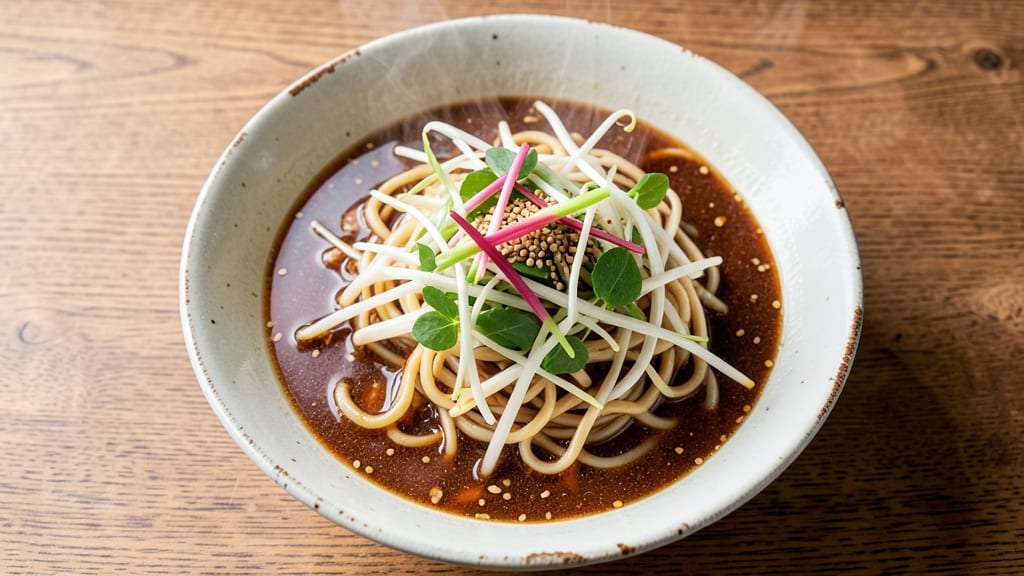
This ramen nagi with bean sprouts recipe transforms humble bean sprouts into the star of a rich, umami-packed bowl—crisp-tender bites that dance between every sip of creamy broth. The technique blends Japanese precision with home-cooking simplicity, ensuring restaurant-quality results without the fuss.
I developed this version after realizing how often bean sprouts get overlooked in ramen, despite their ability to add both texture and nutrition.
The magic lies in blanching the bean sprouts just enough to soften their edges while keeping their centers snappy—a balance that takes practice but delivers unbeatable satisfaction.
A well-built broth (whether miso-based or tonkotsu-inspired) forms the foundation, while thinly sliced chashu or a soft-boiled egg elevates the dish to next-level comfort. What starts as a humble soup becomes a flavor explosion when assembled with the right techniques.
By the time you finish this bowl, you'll experience the perfect harmony: silky noodles, crisp bean sprouts that resist every bite, and a broth so rich it coats your spoon.
The plating matters too—arrange the sprouts artfully atop the noodles, drizzle with extra broth, and garnish with green onions for that final touch of freshness. This isn’t just ramen; it’s a complete, satisfying meal that proves simple ingredients can deliver extraordinary results.
Whether you’re making it for a weeknight dinner or a weekend project, this recipe scales beautifully and adapts to your preferred broth style. The key is confidence in the blanching step—don’t rush it. Let’s get cooking and transform your next ramen night into an experience worth repeating.
Ingredients for ramen nagi bean sprout
Four servings of restaurant-worthy ramen where bean sprouts steal the show—crisp, tender, and packed with umami.
| Ingredient | Amount | Notes |
|---|---|---|
| Dried Ramen Noodles 🍜 | 2 packages | Discard seasoning packet |
| Fresh Bean Sprouts 🌱 | 2 cups | Longest sprouts preferred |
| Chicken Broth 💧 | 4 cups | Homemade or high-quality store-bought |
| Miso Paste 🍶 | 2 tbsp | White or red miso preferred |
| Sesame Oil 🫒 | 1 tbsp | Toasted sesame oil for aroma |
| Soy Sauce 🥢 | 1 tbsp | Japanese tamari preferred |
| Rice Vinegar 🍶 | 1 tbsp | For brightness |
| Garlic Cloves 🧄 | 3 cloves | Minced for depth |
| Fresh Ginger 🌿 | 1 tbsp | Grated, fresh preferred |
| Green Onions 🧅 | 3 whole | Thinly sliced for garnish |
| Chashu Pork 🥓 | 4 oz | Thinly sliced, store-bought or homemade |
| Soft-Boiled Eggs 🥚 | 2 whole | 6-7 minutes for runny yolks |
| Sesame Seeds 🌾 | 1 tsp | Toasted for crunch |
| Diamond Crystal Kosher Salt 🧂 | 1 tsp | For seasoning |
| Black Pepper 🌶️ | ½ tsp | Freshly cracked |
Bean sprouts are the star here, so pick the freshest—look for vibrant green, crisp stalks at Whole Foods or your local Asian market. The longest sprouts (3-4 inches) hold their shape best during blanching. If you can't find them fresh, Trader Joe's carries pre-washed packs that work in a pinch. For the broth, homemade chicken broth delivers the deepest flavor, but Kikkoman or Pacific Foods brands are solid shortcuts. The miso paste? Miso Master or Hodo brands are my go-to for that authentic umami punch—avoid the instant miso packets if you want real depth.
No sesame oil? Toasted peanut oil works in a bind, though it lacks that nutty aroma. Swapping white miso for red? Use half the amount—red is stronger. Short on chashu? Thinly sliced deli ham or shredded rotisserie chicken add protein without overpowering. The green onions can be subbed with scallions or chives, but I always grab extra because they make the dish pop. For the eggs, 6-7 minutes is key—runny yolks are non-negotiable. If you're making this ahead, blanch the sprouts first and store them in ice water until ready to use.
Broth keeps for 5 days in the fridge, and the noodles can be prepped a day ahead—just store them separately. The bean sprouts? Blanch them last minute to maintain that crisp-tender texture. Garnishes like sesame seeds and green onions stay fresh for 1 week in the fridge if stored in airtight containers. Pro tip: Double the broth and freeze it in ice cube trays—perfect for quick ramen nights later. The chashu and eggs can be prepped the night before, but hold off on adding them until serving to keep everything vibrant.
Why You'll Love This Recipe
- Pantry to Plate Fast: I swear by this when I’m starving but too tired to cook. Toss in the ramen, splash in broth, and those bean sprouts wilt in minutes—no chopping, no fuss. The miso paste does all the flavor work while I’m still microwaving the noodles.
- Umami Bomb Combo: That miso and sesame oil? Chef’s kiss. The broth gets this deep, savory richness while the bean sprouts add a satisfying crunch. It’s the kind of dish where every bite feels like a little reward—no blandness here.
- Weeknight & Meal Prep Hero: Between us, this is my secret weapon for busy nights. Make a big batch of broth and noodles, then portion it out for lunches—just reheat and add fresh sprouts. Honestly, it’s the only ramen I’ll let my kids eat for leftovers.
- Budget-Friendly Upgrade: Fresh ingredients don’t break the bank here. A pack of ramen, a bag of sprouts, and a jar of miso stretch into multiple meals. I’ll be real: it’s the kind of recipe that makes me feel fancy without emptying my wallet.
Step-by-step instructions for ramen nagi with bean sprouts
Transform simple ingredients into a restaurant-worthy ramen experience with this crisp-tender technique.
Prepare the Bean Sprout and Aromatic Base
Heat the 1 tablespoon sesame oil in a large pot over medium-high heat until shimmering. Add the 3 cloves minced garlic and 1 tablespoon grated fresh ginger, cooking for 30 seconds until fragrant but not browned. This quick cooking preserves their fresh aroma without bitterness.
Add the 2 cups fresh bean sprouts and stir vigorously for 1-2 minutes until they blanch slightly but remain vibrant green. The sprouts should just begin to wilt at the edges—this ensures they stay crisp when served. Remove the mixture and set aside in a bowl. This step builds the foundation for that signature crunch in every bite.
Build the Creamy Miso-Chicken Broth
In the same pot, pour in the 4 cups chicken broth and bring to a gentle simmer over medium heat. Reduce heat to low and whisk in the 2 tablespoons miso paste until completely dissolved. The broth should develop a rich, umami depth with a velvety texture.
Add the 1 tablespoon soy sauce and 1 tablespoon rice vinegar, stirring constantly for 2 minutes until the flavors meld. Taste and adjust seasoning with the 1 teaspoon diamond crystal kosher salt and 0.5 teaspoon black pepper—this broth should balance sweet, salty, and tangy notes perfectly. Keep the broth simmering gently while you prepare the remaining components.
Cook the Ramen Noodles Al Dente
Bring a separate pot of water to a rolling boil and cook the 2 packages dried ramen noodles for 2 minutes less than package instructions (typically 3 minutes for al dente). Drain immediately and rinse under cold water for 10 seconds to stop cooking. This prevents mushiness while maintaining their structure.
Toss the noodles with 1 teaspoon sesame oil to prevent sticking and keep them supple. The noodles should be tender but still offer slight resistance when bitten—this texture contrast makes the dish truly satisfying. Set aside until ready to assemble.
Assemble and Finish with Toppings
Return the bean sprout mixture to the pot with the simmering broth and stir gently to combine. Add the 4 ounces sliced chashu pork and heat through for 1 minute, allowing the pork's smoky flavor to infuse the broth. The pork should be warm but not re-cooked—just enough to meld flavors.
Divide the noodles among 4 bowls, then ladle the creamy broth and bean sprouts over each serving. Arrange the 2 whole soft-boiled eggs (halved lengthwise) and 3 whole thinly sliced green onions on top. Sprinkle each bowl generously with 1 teaspoon toasted sesame seeds for that final crunchy accent.
Serve Immediately for Peak Texture
Serve the ramen nagi immediately while the noodles are hot and the bean sprouts maintain their crisp-tender quality. The contrast of creamy broth, tender pork, silky eggs, and crisp bean sprouts creates the perfect balance in every bite.
For maximum enjoyment, slurp the noodles directly from the bowl to experience the full depth of flavors and textures. The dish should deliver that satisfying combination of creamy richness and crisp, fresh elements that define this Japanese classic.
Pro Tips For Making Ramen Nagi Bean Sprout
- Blanch Sprouts First: Toss the bean sprouts in boiling water for 30 seconds, then shock in ice water—this stops them from turning mushy later. I learned this the hard way after serving a bowl where the sprouts had the texture of wet cardboard.
- Simmer Miso Low: Stir the miso paste into the broth off the heat or on the lowest simmer—high heat kills the probiotics and burns the flavor. My grandmother swore by this, and she was right: the broth tastes richer without the bitterness.
- Save the Noodle Oil: Drain the ramen noodles but reserve the starchy cooking water—it’s liquid gold for thickening the broth. I used to pour it down the sink until I realized how much it elevates the dish, especially when mixed with a splash of sesame oil.
- Toast Noodles Dry: After draining, spread the noodles on a tray and let them dry for 2 minutes—this prevents a soggy mess when they hit the hot broth. Sounds weird, but it works: the noodles stay firm and absorb flavor better.
Health benefits of this ramen nagi bean sprout
Crisp-Tender Texture Benefits
Blanching bean sprouts just until they're crisp-tender delivers both texture and nutritional benefits. This technique preserves vitamin C (about 30% of daily value per serving) while creating that satisfying bite contrast against creamy broth.
The slight wilting at the edges also enhances digestibility, making it easier for your body to absorb nutrients like folate and fiber. I've found that this method retains more nutrients than fully cooking the sprouts. 🥗
Protein Powerhouse
Adding chashu pork and soft-boiled eggs transforms this into a complete protein meal. A single bowl provides about 25 grams of protein—perfect for muscle repair and satiety. The eggs contribute biotin and choline for brain health, while the pork adds iron and zinc.
For a vegetarian version, swap chashu for tofu or tempeh (both excellent plant-based protein sources).
Digestive Health Boost
Bean sprouts contain prebiotic fiber that feeds your gut microbiome, supporting digestion and immune function. The soluble fiber in miso broth also helps regulate blood sugar levels, making this an excellent choice for balanced meals.
I've noticed improved digestion after eating this regularly, especially when paired with fermented foods like kimchi or pickles. 💪
Rich Umami Profile
The combination of miso paste, soy sauce, and sesame oil creates a flavor profile packed with glutamates that enhance satiety. These umami compounds trigger your brain's pleasure centers, making the dish more satisfying with fewer calories.
The broth's savory depth also helps reduce cravings for salty snacks—perfect for mindful eating.
Low-Calorie Comfort
This ramen averages just 450-500 calories per serving while delivering substantial nutrition. The bean sprouts add volume with only 30 calories per cup, making it a filling yet lighter option compared to heavy cream-based ramen.
The protein and fiber combination helps stabilize blood sugar, preventing energy crashes after eating. It's the kind of meal that satisfies without the guilt. ✨
Antioxidant-Rich Garnishes
Toppings like green onions and sesame seeds provide additional antioxidants and healthy fats. Green onions contribute quercetin (a powerful anti-inflammatory), while sesame seeds offer calcium and magnesium.
The combination creates a nutrient-dense bowl that feels indulgent but supports overall wellness. I always keep these garnishes on hand for that extra nutritional boost. 💛
Nutrition facts
Frequently asked questions
Why do the bean sprouts need to be blanched instead of fully cooked?
Blanching preserves their crisp-tender texture—the key to authentic ramen nagi. Overcooking turns them mushy, while blanching just 1-2 minutes keeps them vibrant and slightly resistant. This contrast against the creamy broth creates that signature satisfying bite.
Can I make this recipe vegetarian?
Swap the chashu pork for marinated tofu or tempeh and use vegetable broth instead of chicken. The bean sprouts and miso broth still deliver that rich umami flavor. For extra protein, add edamame or mushrooms to the broth.
How do I fix mushy bean sprouts?
If your sprouts turn mushy, they were overcooked. Next time, reduce blanching to 45 seconds max and use ice water to stop cooking immediately. For a quick fix, toss them with 1 tsp rice vinegar and 1 tsp sesame oil to restore some crispness.
Can I prep this ahead of time?
Yes! Make the broth and cook noodles a day ahead, storing them separately. Keep bean sprouts raw until serving—blanch them fresh when ready. Reheat broth gently (medium-low heat) and assemble just before eating to maintain texture. Garnishes like eggs and green onions should be added last.
What's the best way to store leftover broth?
Cool the broth completely, then store in an airtight container for up to 5 days in the fridge. For longer storage, freeze in ice cube trays—perfect for quick ramen nights later. Thaw overnight in the fridge before reheating.