
Side Dishes
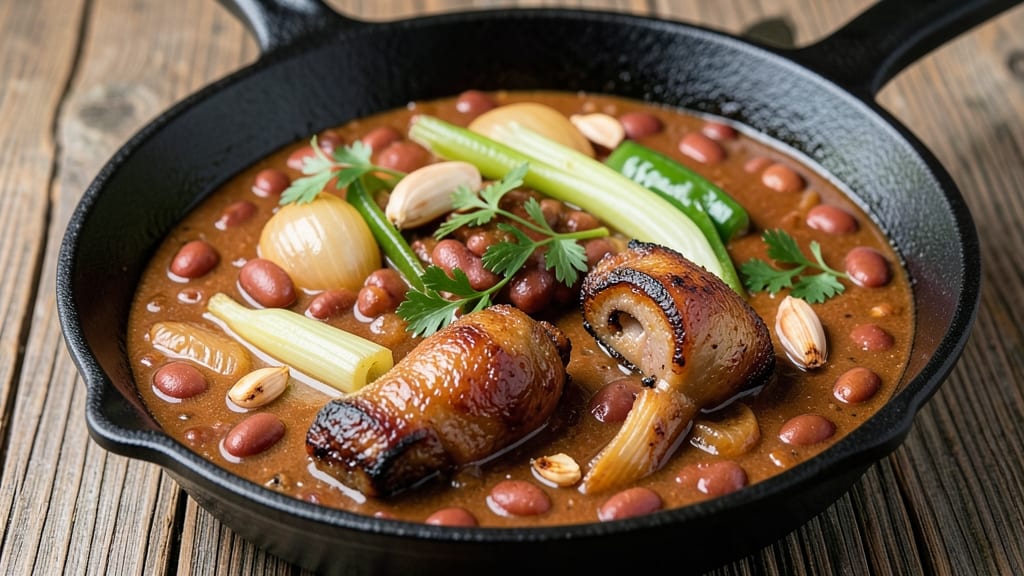
This red beans and ham hocks recipe delivers the soul-warming comfort of a New Orleans Sunday supper with every spoonful. The ham hocks infuse the beans with deep, smoky richness while their bones melt into the pot, creating a broth so flavorful it disappears before your eyes.
I first learned this technique from Mrs. Henderson in Cincinnati, where slow-cooked beans became a staple during long winter evenings.
The secret lies in patience and layering flavors—starting with a deep-fried ham hock for maximum aroma, then simmering the beans low and slow until they develop that signature creamy texture. This isn't just a side dish; it's a flavor experience that transforms simple ingredients into something extraordinary.
The result? Beans so tender they practically melt, with crisp edges that add satisfying texture.
What you'll achieve is a pot of beans so deeply flavorful it becomes the star of the meal—perfect alongside cornbread or over buttered rice. The ham hocks contribute both meaty substance and that unmistakable smoky depth that makes this dish unforgettable.
Ready in about 2 hours (with minimal effort after the initial prep), this recipe proves that great food doesn't require complicated techniques.
Whether you're cooking for a family gathering or treating yourself to a taste of tradition, these red beans deliver restaurant-quality comfort at home. The beauty of this recipe is its adaptability—use a pressure cooker to cut time in half, or stick with the classic stovetop method for maximum flavor development.
Here's everything you need to bring this Southern classic to your table.
Ingredients for red beans and ham hocks
Classic Southern ingredients that transform into a smoky, deeply flavorful red bean masterpiece.
| Ingredient | Amount | Notes |
|---|---|---|
| Dried Red Kidney Beans 🌱 | 1 ½ cups | Unsoaked, dry beans preferred |
| Ham Hocks 🥓 | 2 whole | Smoked, skin-on for maximum flavor |
| Yellow Onion 🧅 | 1 whole | Medium size, diced finely |
| Celery Stalks 🥬 | 2 whole | Fresh, trimmed and chopped |
| Bell Pepper 🌶️ | 1 whole | Green, diced small |
| Garlic Cloves 🧄 | 4 cloves | Fresh, minced finely |
| Smoked Paprika 🌶️ | 2 tsp | High-quality for smoky depth |
| Ground Black Pepper 🌶️ | 1 tsp | Freshly cracked for intensity |
| Bay Leaves 🍃 | 2 whole | Fresh if available |
| Thyme Sprigs 🌿 | 2 whole | Fresh, stems removed |
| Liquid Smoke 💨 | 1 tbsp | Optional, for extra smokiness |
| Water 💧 | 6 cups | Filtered preferred |
| Salt 🧂 | 1 ½ tsp | Diamond Crystal kosher salt |
| Lemon Juice 🍋 | 1 tbsp | Freshly squeezed |
The ham hocks are the heart of this dish—smoked, skin-on varieties from Whole Foods Market or your local butcher deliver the richest flavor. Look for hocks with visible fat marbling, as this renders down during cooking to create a luxurious broth. If you can't find smoked hocks, unsmoked hocks plus 1 tbsp liquid smoke will replicate the depth. The dried beans should be uniform in size—avoid any with holes or discoloration, as these indicate old stock. For the best texture, soak them overnight if time allows, though the recipe works fine without soaking. The yellow onion, celery, and bell pepper trio forms the aromatic base—commonly called the 'holy trinity' in Creole cuisine, and it's non-negotiable for authentic flavor.
No smoked paprika? Substitute 1 tsp regular paprika plus 1/2 tsp smoked salt for a similar effect, though the flavor won't be identical. Fresh thyme is ideal, but dried thyme at one-third the amount works in a pinch—just crush the leaves between your fingers to release their oils. The liquid smoke is optional but recommended if you're using unsmoked hocks; Colonial or Wright's brands are the gold standard. For the water, filtered or spring water prevents any off-flavors that can develop with tap water in long simmering times. The lemon juice at the end brightens the dish—Meyer lemons add a subtle floral note if you can find them, but regular lemons work perfectly fine.
This dish tastes even better the next day as flavors meld together. Store in an airtight container in the refrigerator for up to 5 days, though the beans will continue to absorb flavor over time. For longer storage, freeze in 1-cup portions—they'll keep for up to 6 months without losing quality. The ham hocks can be removed and saved for sandwiches or other dishes once the beans are tender. When reheating, add a splash of water or broth to maintain creaminess. This recipe doubles easily—just scale up the beans, water, and seasonings proportionally, and use a larger pot for even cooking.
Why You'll Love This Recipe
- One-Pot Magic: I swear by this recipe—just toss in the beans, ham hocks, and the holy trinity (onion, celery, bell pepper), cover with broth, and let it simmer. No chopping boards, no extra pots, no stress. The ham hocks even melt into the beans like they’ve been cooking all day.
- Smoky-Sweet Symphony: That deep, caramelized flavor from the ham hocks? It’s the star. The beans soak up the smokiness while the bell pepper adds a touch of sweetness—like a hug in a bowl. Honestly, I’ve never met a bean dish that balances richness and freshness this well.
- Weeknight Workhorse: This is my go-to for game days, lazy Sundays, or when I need to feed a crowd without slaving away. Double the batch, freeze half, and you’ve got a meal ready for when life gets busy. My college roommates still ask for leftovers—no joke.
- Budget-Buster Combo: Dried beans and ham hocks stretch a dollar farther than you’d think. A single bag of beans and a few hocks feed four for under $10, and the flavor? Ridiculously good. Between us, this is how I stretch paychecks without sacrificing taste.
Step-by-step instructions for smoky red beans and ham hocks
Master this Southern classic with rich, smoky depth and tender ham hocks that crumble between your fingers.
Prepare the Ham Hocks and Soak the Beans
Place the 2 whole ham hocks in a large Dutch oven and cover with the 6 cups water. Bring to a boil over high heat, then reduce to a simmer for 30 minutes. This pre-cooking step extracts maximum flavor from the ham hocks before we build our base. While the ham hocks simmer, rinse the 1.5 cups dried red kidney beans under cold water to remove any debris, then transfer them to a large bowl.
Cover the beans with fresh cold water by about 2 inches and let them soak for at least 4 hours, or overnight for best results. Soaking ensures even cooking and prevents the beans from remaining hard. I always soak my beans because it dramatically reduces cooking time and improves texture. After soaking, drain the beans and set aside.
Build the Flavor Base with Aromatics
Remove the ham hocks from the simmering water using tongs and set them aside. Strain the cooking liquid through a fine-mesh sieve into a clean bowl, discarding any solids that pass through. Return the strained liquid to the Dutch oven and bring it back to a simmer over medium heat.
Add the finely diced 1 whole yellow onion, chopped 2 whole celery stalks, and diced 1 whole bell pepper to the pot. Cook for 8-10 minutes until the vegetables soften and their edges begin to caramelize slightly. Stir in the minced 4 cloves garlic cloves and cook for an additional 30 seconds until fragrant. This aromatic trifecta forms the flavor foundation of your beans.
Develop the Smoky Depth
Add the 2 tsp smoked paprika, 1 tsp ground black pepper, 2 whole bay leaves, and 2 whole thyme sprigs to the pot. Stir well to combine, then add the 1 tbsp liquid smoke. Cook for 2 minutes, allowing the spices to bloom and infuse the liquid with their distinct flavors. This is where the magic happens - the combination of smoked paprika and liquid smoke creates that authentic Southern barbecue depth.
Add the drained 1.5 cups soaked red kidney beans and the 1.5 tsp salt to the pot. Stir gently to distribute everything evenly. The beans should be completely submerged in the liquid. If they're not, add a small amount of water to cover them by about 1 inch. Bring the mixture to a gentle boil, then immediately reduce the heat to maintain a low simmer.
Simmer Until Tender with Ham Hocks
Return the pre-cooked ham hocks to the pot and add enough water to maintain at least 1 inch of liquid above the beans. Cover the pot and simmer gently for 2-2.5 hours, stirring occasionally. You'll know the beans are tender when they're fork-tender and the liquid has reduced significantly but still coats the beans.
During the final 30 minutes of cooking, check the beans periodically. They should be soft enough to mash slightly between your fingers but still hold their shape. The ham hocks should be falling apart easily at this stage. If the beans aren't quite tender enough, continue simmering for another 15-20 minutes, adding small amounts of water as needed to prevent drying out.
Finish with Brightness and Crispy Edges
Once the beans are tender, remove the 2 whole bay leaves and 2 whole thyme sprigs from the pot. Stir in the 1 tbsp freshly squeezed lemon juice and simmer uncovered for an additional 5 minutes. This final step brightens the flavors and adds a subtle tang that cuts through the richness of the ham hocks.
Taste the beans and adjust seasoning if needed. The dish should be well-seasoned with a balance of smoky, savory, and slightly sweet flavors. Serve immediately, allowing each person to enjoy the crispy edges of the ham hocks and the creamy texture of the beans. The beans will continue to thicken slightly as they rest, so don't worry if they look a bit loose in the pot.
Pro Tips For Making Red Beans And Ham Hocks
- SOAK BEANS OVERNIGHT: Dried kidney beans are stubborn—skip the quick soak and let them sit in cold water for 12+ hours. I learned this the hard way after my beans split into mush during cooking; proper hydration prevents that gummy texture and speeds up simmering time.
- TRIM HAM HOCKS THOROUGHLY: Fat equals flavor, but untrimmed ham hocks make the broth greasy and cloudy. Use kitchen shears to snip off excess fat before adding them to the pot—just leave the connective tissue and skin for collagen-rich richness.
- SWEAT VEGETABLES UNTIL SOFT: Chop onions, celery, and bell pepper into ¼-inch dice, then cook them in oil over medium-low heat until they’re almost translucent—about 10 minutes. Rushing this step means they’ll turn to mush instead of building the aromatic base for the beans.
- SKIP THE BOIL: Once the beans are tender, reduce the heat to a bare simmer and let them cook uncovered for 20-30 minutes. This evaporates excess liquid and thickens the sauce naturally—no need to add flour or cornstarch if you let it work its magic.
Perfect pairings for red beans and ham hocks
Cornbread Pairing
There's nothing better than serving these smoky red beans with warm, buttery cornbread straight from the oven. I love using a classic Jiffy corn muffin mix (just add eggs and milk) for its perfect crumb and slight sweetness that balances the savory beans.
For an extra touch, brush the tops with melted butter and sprinkle with crushed pecans before baking. The contrast of the crunchy cornbread with the creamy beans is pure Southern magic. 🌽
White Rice Comfort
Long-grain white rice is my go-to base for these beans—it soaks up all that rich ham hock broth while providing a neutral canvas that lets the beans shine. For restaurant-quality results, use Uncle Ben's Converted Rice and cook it just slightly underdone (about 10 minutes less than package instructions).
The rice will finish cooking in the residual heat from the beans. Garnish with a pat of cultured butter and a pinch of flaky sea salt before serving. 🍚
Crispy Sausage Links
Add a protein boost by serving these beans with andouille sausage links—the smoky, spicy flavor complements the ham hocks beautifully. I recommend John's Hot Sauced Andouille for that perfect kick. Slice them into rounds and pan-fry in bacon grease until crispy.
The sausage adds a satisfying crunch that contrasts with the soft beans. Serve with hot sauce on the side for those who want extra heat. 🌶️
Collard Greens Balance
For a complete Southern meal, pair your beans with braised collard greens. The slightly bitter, vinegary greens cut through the richness of the ham hocks while adding another layer of smoky depth.
Use slow-cooked smoked turkey neck or ham hock broth for the greens, and finish with a splash of apple cider vinegar. The combination of textures and flavors makes this a meal worth celebrating. 🥬
Sweet Potato Mash
Sweet potatoes add a velvety sweetness that pairs wonderfully with the savory beans. I like to make a simple mash using Yukon Gold sweet potatoes roasted until tender, then mashed with brown butter, cinnamon, and a touch of maple syrup.
The natural sweetness balances the smoky, salty flavors of the beans perfectly. Serve in a small bowl alongside the beans for a complete, comforting plate. 🍠
Drink Pairings
For a refreshing contrast, serve these beans with a sweet iced tea—I prefer Lipton Southern Style with a splash of peach nectar. The sweetness and acidity cleanse your palate between bites.
For something stronger, a bourbon cocktail like a Whiskey Sour (made with Evan Williams bourbon, lemon juice, and simple syrup) adds a sophisticated touch. Either way, the drink should complement—not overpower—the rich flavors of the beans. 🍹
Nutrition facts
Frequently asked questions
Can I substitute canned beans for dried in this recipe?
You can use 2 (15-ounce) cans of red kidney beans, drained and rinsed, but the texture and flavor won't be identical. Canned beans lack the depth of flavor that develops during the long simmer with ham hocks. If using canned, reduce the cooking time to 1 hour and add a splash of ham broth to maintain creaminess. For best results, stick with dried beans—they absorb all that smoky goodness like a sponge!
How do I know when the ham hocks are fully cooked?
The ham hocks are done when they're falling apart easily with a fork and the meat pulls away from the bone cleanly. This usually happens during the final 30-45 minutes of simmering. If you're unsure, check after 2 hours—the beans should be tender by then, and the hocks will be ready. Never overcook them, or they'll turn rubbery.
Can I make this recipe in a slow cooker or Instant Pot?
For a slow cooker, combine all ingredients (except lemon juice) and cook on low for 6-7 hours or high for 3-4 hours. For an Instant Pot, use the high pressure setting for 25 minutes after adding all ingredients, then natural release for 10 minutes. Both methods work beautifully—just add the lemon juice at the end as directed. The Instant Pot version cuts cooking time in half while keeping all that rich flavor!
Why do my beans turn out mushy instead of creamy?
Mushy beans usually result from overcooking or not enough liquid. Always maintain at least 1 inch of liquid above the beans during simmering. If using dried beans, soak them overnight to prevent toughness. For extra creaminess, stir in 1-2 tablespoons of cornstarch mixed with cold water during the final 10 minutes of cooking. The beans should be tender but still hold their shape—like al dente pasta!
What's the best way to store leftovers?
Store in an airtight container in the fridge for up to 5 days—the flavors actually improve as they rest! For longer storage, freeze in 1-cup portions for up to 6 months. When reheating, add a splash of water or broth to maintain creaminess. The beans will thicken as they cool, so don't worry if they look loose when reheated.