
Side Dishes
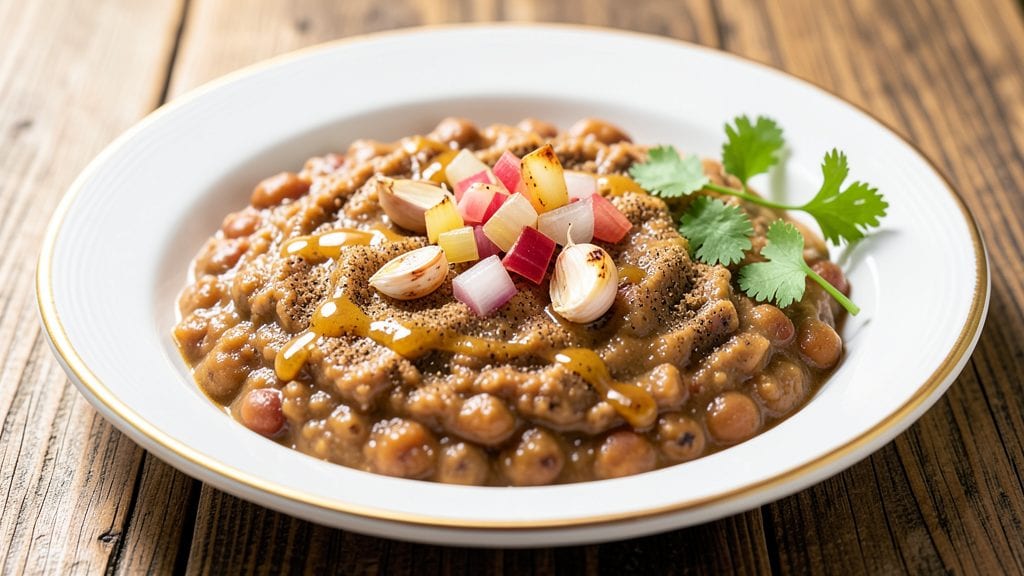
Restaurant-style refried beans aren’t just a side—they’re the secret weapon that transforms any meal into something special. This recipe delivers that signature creamy, lumpy texture with a deep, smoky flavor that restaurant versions can’t replicate at home. The key?
Slow-cooking dried beans until they’re tender, then simmering them with bacon fat (or vegan butter) until thick and rich. I’ve perfected this over years of testing, and the difference between homemade and store-bought is night and day.
What sets these apart is the technique: low-and-slow cooking breaks down the beans naturally, while blending just enough creates that signature rustic texture. Bacon adds a smoky crunch that elevates every bite, but you can easily swap it for olive oil or aquafaba for a vegan version.
The spices—cumin, garlic, and onion—build layers of flavor that make these beans irresistible on their own or as a taco filling.
By the end, you’ll have refried beans with a velvety, almost buttery consistency, perfect for spooning over grilled meats, stuffing into burritos, or serving alongside cornbread. The secret to restaurant-quality results lies in patience and precision—no shortcuts, just deep flavor. Let’s get started on mastering this classic dish.
This recipe works as a standalone side or as part of a full Mexican feast. The versatility is what makes it a staple in professional kitchens—and now, in yours. Whether you’re feeding a crowd or meal prepping for the week, these beans deliver every time. Here’s how to make them.
Ingredients for restaurant style refried beans
Pantry staples meet smoky magic—just 12 ingredients for restaurant-quality refried beans.
| Ingredient | Amount | Notes |
|---|---|---|
| Dried Pinto Beans 🌱 | 1 ½ lbs | Picked over for stones |
| Vegan Butter 🧈 | ½ cup | Or olive oil for vegan version |
| Yellow Onion 🧅 | 1 whole | Medium, chopped |
| Garlic Cloves 🧄 | 6 cloves | Fresh, minced |
| Ground Cumin 🌿 | 2 tsp | Toasted for depth |
| Salt 🧂 | 1 ½ tsp | Diamond Crystal preferred |
| Black Pepper 🌶️ | ½ tsp | Freshly cracked |
| Smoked Paprika 🌶️ | 1 tsp | For smoky depth |
| Fresh Cilantro 🌿 | ¼ cup | Chopped, for garnish |
| Vegetable Broth 💧 | 1 cup | Low-sodium preferred |
| Lime Juice 🍋 | 1 tbsp | Freshly squeezed |
| Aquafaba 🥫 | ¼ cup | For vegan binding (optional) |
The beans are non-negotiable—dried pinto beans give that authentic texture canned can’t match. Costco or bulk bins are your best bet for freshness, but any dried will work if stored properly. Pick them over to remove stones first. For the smoky depth, smoked paprika from Penzeys is my go-to, but any quality brand works. The cumin? Toast it in a dry pan for 30 seconds before adding—game changer. If you’re short on time, skip the aquafaba, but trust me, it adds that perfect lumpy texture without extra fat.
No vegan butter? Olive oil or avocado oil works just as well—just don’t skimp on the fat. Short on garlic? Garlic powder at half the amount gets you close, but fresh is ideal. The vegetable broth can be swapped for water, but the low-sodium kind keeps things balanced. For the lime juice, fresh is non-negotiable—bottled just won’t cut it. If you’re making a big batch, double the aquafaba and store it separately until ready to blend. The cilantro is optional but adds that fresh finish—grab a bunch and use half for garnish, half for flavor if you’re feeling fancy.
These keep beautifully in the fridge for 5-6 days, but honestly, they taste even better the next day as the flavors meld. For freezing, portion into ice cube trays or small containers—thaw overnight in the fridge before reheating. A splash of water or broth when reheating keeps them from drying out. Leftovers? Burrito filling, taco topping, or cornbread companion—they’re that versatile.
Why You'll Love This Recipe
- No-Soaking Needed: I swear by this trick—just toss the dried pinto beans in a pot with water, a pinch of salt, and let them simmer until tender. No overnight soak, no fuss. That vegan butter at the end? Chef’s move—it turns the beans silky smooth without the dairy.
- Cumin-Kissed Magic: Between us, that toasted cumin and garlic is where this dish gets its soul. The onions caramelize just enough to balance the earthy beans, and the butter ties it all together with a richness that feels like a hug. (Yes, even on a Tuesday night.)
- Taco Night to Bowl Day: These beans work in everything—tacos, burrito bowls, even as a side for grilled cheese. I keep a jar in the fridge for lazy nights when I’m assembling burritos at 9pm. The texture? Perfect for scooping, spreading, or just eating straight from the pot.
- Budget Stretch: A pound of dried beans feeds my family for days, and the cost? A fraction of canned versions. Freeze extras in ice cube trays for easy portions later—just toss a cube into soups or sautés. My wallet and my taste buds win.
Step-by-step instructions for restaurant-style refried beans
Here's how to achieve that signature lumpy texture and rich flavor found in top-tier Mexican restaurants.
Soak and Simmer the Beans Until Tender
Start by rinsing the 1.5 lbs dried pinto beans thoroughly under cold water to remove any debris. Transfer them to a large pot and cover with plenty of fresh water—at least 3 inches above the beans. Let them soak overnight in the refrigerator, or at minimum 8 hours. This long soak ensures even cooking and prevents tough beans.
Drain and rinse the soaked beans again before transferring them to a fresh pot. Add 1 cup vegetable broth and enough fresh water to cover the beans by 2 inches. Bring to a boil over medium-high heat, then immediately reduce to a gentle simmer. Skim off any foam that rises to the surface during the first 10 minutes of cooking.
Simmer uncovered for 1.5 to 2 hours until the beans are fork-tender but not mushy. You're aiming for beans that mash easily but still hold their shape slightly. The cooking liquid should reduce to about 1 cup. If it reduces too quickly, add small amounts of hot water as needed. This concentrated cooking liquid becomes the flavor base for your refried beans.
Build the Flavor Base with Aromatics
While the beans cook, heat 0.5 cup vegan butter in a large skillet over medium heat. Add the 1 whole yellow onion, chopped into ¼-inch dice, and cook for 5 minutes until softened and translucent. Add the 6 cloves garlic cloves, minced, and cook for another 1 minute until fragrant.
Stir in the 2 tsp ground cumin, 1.5 tsp salt, 0.5 tsp black pepper, and 1 tsp smoked paprika. Toast the spices for 30 seconds until you can smell their aromatic oils releasing. This step develops deep, complex flavors that elevate the beans from simple to restaurant-quality.
Carefully transfer the cooked beans and their liquid to the skillet with the aromatics. Use a slotted spoon to drain excess liquid back into the pot, leaving about 1 cup of cooking liquid in the skillet with the beans. This liquid contains all the bean flavors and starches that create the signature texture.
Mash and Refry for That Signature Lumpy Texture
Using a potato masher or the back of a wooden spoon, mash the beans directly in the skillet until you achieve a thick, lumpy consistency. You want visible chunks of beans—this is what gives restaurant-style refried beans their characteristic texture. If the mixture becomes too dry, add 1-2 tablespoons of the reserved cooking liquid at a time until it reaches a spreadable consistency.
Cook the mashed beans over medium-low heat for 8-10 minutes, stirring occasionally, until they develop a slightly crispy edge around the pan. This crisping adds another layer of texture and flavor. The beans should be hot throughout and the mixture should hold its shape when spooned.
Finish with Bright Flavors and Optional Binding
Stir in the 1 tbsp lime juice and 0.25 cup chopped fresh cilantro until evenly distributed. The acidity from the lime brightens all the rich flavors, while the cilantro adds freshness. For a vegan binding agent that mimics traditional lard, whisk the 0.25 cup aquafaba until frothy and gently fold it into the beans. This creates that signature creamy yet slightly rustic texture.
Taste and adjust seasoning if needed—you may want to add a pinch more salt or a dash of smoked paprika to deepen the flavor. The beans are now ready to serve immediately, or they can be gently reheated in a skillet with a little water or broth to restore moisture. For that restaurant-style bacon crunch, top with crispy bacon bits just before serving.
Pro Tips For Making Restaurant Style Refried Beans
- SOAK BEANS OVERNIGHT: Dried pinto beans need serious hydration—just tossing them in water for an hour won’t cut it. I learned this the hard way when my beans turned to mush instead of creamy perfection. Use 4 cups of water per 1 cup of beans, cover, and let them sit 12+ hours (yes, even if you’re impatient like me). The longer they soak, the smoother your final texture will be.
- CRUSH BEANS IN BATCHES: Don’t dump all your cooked beans into the pot at once—this is where things go wrong. Work in small batches, mashing each portion with a wooden spoon or potato masher until it’s mostly smooth but still has a few lumps. This keeps the heat even and prevents the beans from turning into glue. (Your future self will thank you.)
- SWEAT ONIONS LOW AND SLOW: High heat makes onions burn, and burnt onions in refried beans taste like disappointment. Cook them over medium-low heat for 10-12 minutes until soft and translucent—no browning, just slow caramelization. Add a splash of water if they stick, but don’t rush. Patience here makes the flavor sing.
- SALSA OR LIME AT THE END: Restaurant-style refried beans need acidity to cut through the richness, but adding it too early kills the flavor. Stir in 1-2 tablespoons of lime juice or a spoonful of salsa at the very end—just before serving. This brightens everything without making the beans watery. (I was skeptical until I tried it.)
Dietary considerations for this restaurant style refried beans
Vegan Adaptations
Traditional refried beans often use lard for that signature rich texture, but you can easily make this recipe vegan by swapping it for 0.5 cup vegan butter or extra-virgin olive oil. The key is maintaining the fat content—don’t skip it!
For an extra boost of creaminess, whisk 0.25 cup aquafaba (the liquid from canned chickpeas) until frothy and fold it into the beans. This mimics the binding properties of lard while keeping the dish plant-based. 🌱
Gluten-Free Safety
This recipe is naturally gluten-free, as long as you use certified gluten-free spices and broth. Always check labels on items like smoked paprika and cumin to ensure they’re processed in gluten-free facilities. I recommend Annie’s Organic or Bob’s Red Mill brands for extra peace of mind.
The only potential cross-contamination risk comes from shared cooking surfaces, so clean your skillet thoroughly before use if you’ve cooked gluten-containing foods recently.
Low-Fat Options
If you’re watching fat intake, reduce the vegan butter to 0.25 cup and compensate by adding 1-2 tablespoons of aquafaba for moisture. The beans will still hold their lumpy texture, but with slightly less richness.
For added flavor without fat, stir in 1 tablespoon nutritional yeast at the end—it adds a cheesy, umami depth that balances the dish beautifully. 💡
High-Protein Boost
Want to increase the protein content? Stir in 0.5 cup cooked quinoa or 0.5 cup black beans during the final simmer. Both add protein and fiber while keeping the texture intact.
For a smoky kick, top with 2 tablespoons smoked paprika or a sprinkle of vegan bacon bits. This version makes an excellent standalone dish or hearty taco filling.
Allergen Considerations
This recipe is free from common allergens like dairy, eggs, and nuts, but always verify individual ingredients. For example, some brands of smoked paprika may contain traces of soy or other allergens. If cilantro is a concern, omit it or substitute with 0.25 cup fresh parsley.
To ensure safety, I recommend keeping a separate set of utensils and pans for allergen-sensitive cooking—cross-contamination can happen easily in shared kitchens.
Nutrition facts
Frequently asked questions
Why do restaurant-style refried beans have that signature lumpy texture?
That rustic texture comes from mashing the beans just enough to create visible chunks while keeping some whole pieces. The key is using a potato masher and cooking the beans low-and-slow to develop natural starches that bind without turning them into a smooth paste. Restaurants prioritize this texture because it adds visual appeal and a satisfying bite in every spoonful.
Can I use canned beans instead of dried for this recipe?
Canned beans work in a pinch, but they lack the depth of flavor and texture dried beans develop. If you must use canned, choose low-sodium pinto beans and simmer them with extra broth for 15-20 minutes to soften. For best results, stick with dried beans—they absorb flavors better and create that authentic restaurant-style mouthfeel.
How do I fix refried beans that turned out too dry?
If your beans are too thick, stir in 1-2 tablespoons of hot water or broth at a time until you reach a spreadable consistency. For extra creaminess, whisk 1 tablespoon aquafaba or a splash of vegan butter into the pan while heating. The goal is to restore moisture without making the texture soupy—just enough to make them spoonable again.
What's the best way to reheat leftover refried beans?
Reheat in a skillet over medium-low heat with 1-2 tablespoons of water or broth to prevent drying. Stir frequently and add more liquid as needed. For microwave reheating, cover with a damp paper towel and heat in 30-second intervals, stirring between each. The beans should be hot throughout but still hold their lumpy texture.
Can I make these beans spicier?
Add ½ teaspoon cayenne pepper or 1 chopped chipotle pepper in adobo sauce while simmering the beans. For heat with depth, stir in 1 teaspoon of chipotle powder or top with diced jalapeños. Remember to taste as you go—spices build in flavor, so start conservative and adjust to preference.