
Side Dishes
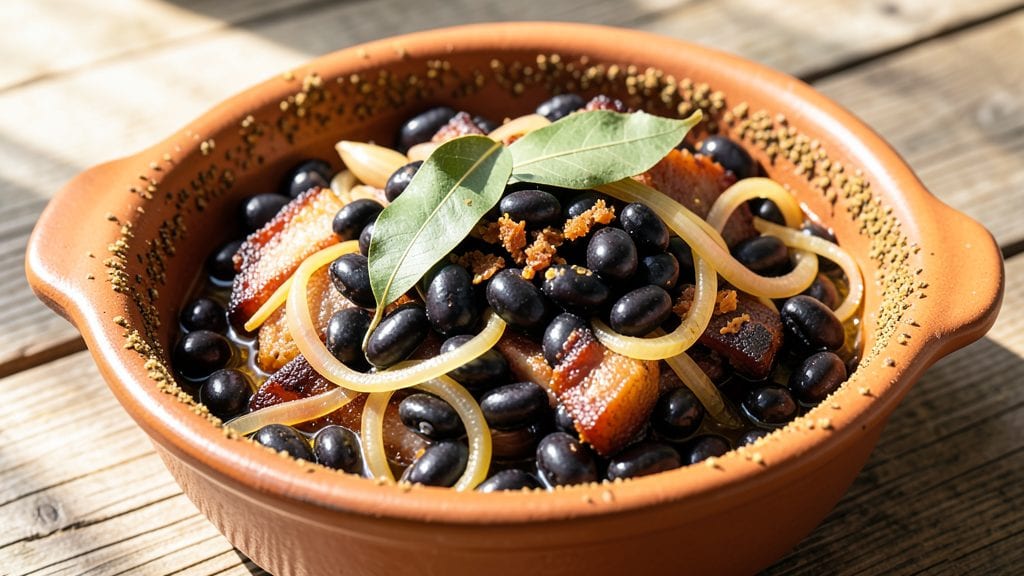
The Rio Zape bean recipe brings the soul of Brazil to your kitchen with its smoky, cumin-kissed depth that transforms simple black beans into a hearty, one-pot masterpiece.
This traditional dish, born from the coastal regions of Brazil, marries tender beans with aromatic garlic, crispy pork fat, and warm spices that simmer into a flavor so rich it feels like a hug in a bowl.
What makes this recipe special is its simplicity—just a handful of ingredients, but each plays a crucial role in building layers of flavor that modern cooks often miss.
At its core, Rio Zape is a celebration of patience and tradition. The beans soak overnight to soften perfectly, while the pork fat renders into crispy bits that add a savory crunch.
Bay leaves and cumin infuse the stew with earthy warmth, while garlic and onion create a fragrant base that ties everything together. The result is a dish that’s hearty enough to stand alone but pairs beautifully with steamed rice or collard greens for a complete meal.
By the time you finish simmering, you’ll have a pot of velvety black beans swimming in a broth so flavorful it’ll have everyone asking for seconds. The smoky cumin and garlic notes linger on your palate, making this more than just a side dish—it’s a taste of Brazil’s coastal traditions.
Ready to bring this one-pot magic to your table? Let’s get started.
This recipe is designed to be both authentic and approachable, using techniques that honor its roots while keeping modern kitchens in mind. Whether you’re serving it at a family gathering or enjoying it as a weeknight dinner, Rio Zape delivers comfort and flavor in every bite.
The best part? It’s a dish that only gets better as it sits, so leftovers are just as delicious the next day.
Ingredients for rio zape bean
Simple beans, bold flavors. Everything you need for smoky, garlicky Rio Zape magic.
| Ingredient | Amount | Notes |
|---|---|---|
| Black Beans 🌱 | 1 ½ cups | Dried, soaked overnight |
| Pork Fatback 🥓 | 4 oz | Diced into small cubes |
| Garlic Cloves 🧄 | 6 cloves | Minced, fresh preferred |
| Yellow Onion 🧅 | 1 whole | Diced, medium size |
| Bay Leaves 🌿 | 2 whole | Fresh or dried |
| Ground Cumin 🌶️ | 1 tbsp | Toasted for deeper flavor |
| Salt 🧂 | 1 ½ tsp | Kosher or sea salt |
| Black Peppercorns 🌶️ | ½ tsp | Freshly ground preferred |
| Olive Oil 🫒 | 2 tbsp | For initial cooking |
| Water 💧 | 4 cups | For soaking beans |
| Lemon Juice 🍋 | 1 tbsp | Freshly squeezed |
| Fresh Cilantro 🌿 | ¼ cup | Chopped, for garnish |
The black beans are the star—dried, not canned, for that authentic texture. Soak them overnight in plenty of water (about 4 cups) to soften perfectly. Trader Joe's and Costco usually carry high-quality dried beans in bulk bins. If you're short on time, you can use canned beans, but they won’t have the same rich, creamy texture. For the pork fatback, look for thick-cut pieces at the butcher counter—they render better. If you can’t find fatback, pancetta or thick-cut bacon works in a pinch, but it’ll be saltier.
No fresh bay leaves? Dried works at half the amount. The cumin is non-negotiable—it’s what gives Rio Zape its signature smoky depth. Toast it in a dry pan for 30 seconds before adding to the pot for even more flavor. Short on garlic? Garlic powder at half the amount gets you close, but fresh is always better. The olive oil matters here—use something with a fruity, peppery kick (like California Extra Virgin) to complement the garlic. For the cilantro, if you hate it, swap in parsley—just double the amount since it’s milder.
This dish tastes even better the next day—plan ahead. Store leftovers in an airtight container in the fridge for up to 5 days. The flavors meld beautifully over time, so don’t skip the overnight soak. If you’re prepping for a crowd, double the recipe—it reheats like a dream. For serving, I always garnish with extra cilantro and a squeeze of lemon juice right before eating. The acidity cuts through the richness and brings everything together.
Why You'll Love This Recipe
- One-Pot Magic: I swear by this recipe when I’m too tired to scrub pots—just toss everything into one skillet, let that fatback render its golden magic, and boom. The onions caramelize right into the beans, so you’re not left with a sink full of dishes. (Yes, even on a Tuesday night.)
- Umami Bomb: That pork fatback isn’t just fat—it’s flavor gold. The moment it hits the pan, it releases this deep, savory aroma that makes the whole kitchen smell like a Brazilian feast. Add the garlic and bay leaves? Pure satisfaction, every single time.
- Leftovers That Beg for More: This dish tastes better the next day, honestly. The flavors meld into this rich, smoky harmony, and I’ve reheated it for lunch three times without a single complaint. (My roommate still steals my portion, though.)
- Budget-Friendly Protein Power: Black beans and fatback stretch into a meal that feeds four for under $10. No fancy ingredients, no gimmicks—just honest, hearty food that keeps everyone full and happy. My college budget still thanks me for discovering this.
Step-by-step instructions for smoky cumin and garlic one-pot magic
Here's how to transform simple ingredients into rich, smoky beans with minimal effort.
Sauté the Pork Fatback Until Crispy
Heat a large Dutch oven or heavy pot over medium heat. Add the 4 oz diced pork fatback and cook for 5-7 minutes, stirring occasionally, until the fat renders and the pieces become golden brown and crispy. This step builds the foundation for your dish—don't rush it, or you'll end up with bitter fat.
Once the fatback is crispy, remove it from the pot with a slotted spoon and set it aside on a paper towel to drain excess fat. You'll use it later, but keeping the pot rich with rendered fat is key for flavor. The fatback should leave behind about 1-2 tablespoons of golden, aromatic fat in the bottom of your pot.
Cook the Aromatics Until Fragrant
In the same pot with the rendered fat, add 2 tablespoons of olive oil. Increase the heat to medium-high and add the diced yellow onion. Cook for 4-5 minutes, stirring occasionally, until the onions soften and become translucent.
Add the 6 minced garlic cloves and cook for another 30 seconds until fragrant. You'll know it's ready when the kitchen fills with that unmistakable garlic aroma. Immediately add the 1 tablespoon of toasted ground cumin and stir for 10 seconds to toast the spices—this deepens their flavor and prevents them from tasting raw.
Simmer the Beans with Seasonings
Pour in the 4 cups of water and add the soaked black beans, 2 bay leaves, 1.5 teaspoons of salt, and 0.5 teaspoon of freshly ground black peppercorns. Stir well to combine, then bring the mixture to a boil over high heat. Once boiling, reduce the heat to low, cover the pot, and let it simmer for 45-50 minutes, stirring occasionally.
After 30 minutes of simmering, add the reserved crispy pork fatback back to the pot. This adds back the flavor you removed earlier and gives the beans a rich, meaty depth. The beans are done when they're tender but still hold their shape—you should be able to mash them slightly with a fork but not have them fall apart completely.
Finish with Lemon and Fresh Herbs
Once the beans are tender, stir in the 1 tablespoon of freshly squeezed lemon juice. This brightens the dish and cuts through the richness of the pork fatback and cumin. Taste and adjust the seasoning if needed—you might want to add a bit more salt or a pinch of pepper to balance the flavors.
Remove the 2 bay leaves and stir in the 0.25 cup of chopped fresh cilantro. Let the beans sit off the heat for 5 minutes to allow the flavors to meld together. Serve warm, and you'll have a hearty, flavorful one-pot dish that's perfect for any meal.
Pro Tips For Making Rio Zape Bean
- CRACK THE FATBACK FIRST: Don’t just toss chunks of fatback into the pot—render half of it in a dry skillet first until the edges crisp. That golden, nutty fat is what carries the flavor into the beans. (Yes, even if it means extra cleanup.)
- MINCE THAT GARLIC: Rio zape needs garlic to sing, not just sit there. Pulse it in a food processor until it’s almost a paste—no big chunks. I learned this the hard way when my batch tasted like it was missing something.
- SIMMER LOW AND SLOW: After the initial sizzle, drop the heat to a bare simmer. Too much bubbling and the beans turn mushy. Cover the pot and let it hum along—this isn’t a race, and the beans will thank you with proper texture.
- USE DRY BEANS, NOT CANNED: Canned beans are convenient, but they lack the depth. Soak your black beans overnight, then parboil them until just tender—about 80% done. That extra step makes the final dish richer and more cohesive. (I know, I know, but trust me.)
Serving suggestions for this dish
Classic Brazilian Pairing
Rio Zape shines brightest when served with steamed white rice—the perfect neutral canvas to highlight its smoky, garlicky depth. I like to cook 1 cup of jasmine or basmati rice per serving, seasoned with just a pinch of salt and a tiny bit of butter for extra richness.
The rice soaks up the bean broth beautifully, turning each bite into a complete meal. 🌾
Collard Greens Contrast
For a traditional Brazilian touch, serve alongside braised collard greens—their tender, slightly bitter leaves balance the richness of the beans. Sauté 4 cups chopped collards with 1 tbsp olive oil, 1 minced garlic clove, and a splash of water until wilted.
Add ½ tsp smoked paprika and 1 cup chicken broth for depth. Simmer for 15 minutes until silky. The greens add color and texture that make the dish feel complete. 🌿
Crusty Bread for Soaking
Warm, crusty bread is essential for mopping up every last drop of that flavorful bean broth. I recommend a fresh baguette or Brazilian pão de queijo—the latter’s cheesy, airy texture pairs perfectly with the smoky beans.
Toast slices until golden and serve on the side. If you’re feeling fancy, drizzle the bread with a little olive oil and sprinkle with flaky sea salt. 🥖
Protein Additions
While Rio Zape is hearty on its own, adding protein makes it a full meal. Grilled chicken thighs or smoked sausage (like linguiça) work beautifully. For a vegetarian option, top with crispy tofu or grilled halloumi.
I often serve it with pan-seared shrimp for a lighter twist—just sauté 6-8 shrimp in 1 tbsp butter with a pinch of garlic powder until pink. 🍤
Garnish Like a Pro
Fresh garnishes elevate Rio Zape from good to restaurant-quality. Always finish with chopped cilantro and a squeeze of lemon juice right before serving. For extra flair, add toasted cumin seeds (just ½ tsp in a dry pan for 30 seconds) or crumbled cotija cheese.
The acidity and texture contrast make every bite more vibrant. 💛
Serving Style Tips
Present Rio Zape in its Dutch oven for a rustic, family-style meal—it’s all about sharing. If serving buffet-style, transfer to a warmer tray to keep it hot. For individual portions, use wide, shallow bowls to showcase the dish’s rich colors.
Always serve with hot sauce (like malagueta) on the side for those who crave heat. The presentation matters almost as much as the flavor! 🍽️
Nutrition facts
Frequently asked questions
Can I use canned beans instead of dried for Rio Zape?
While dried beans create the traditional texture, canned beans work in a pinch. Use 2 (15 oz) cans of black beans, drained and rinsed, and reduce simmering time to 20-25 minutes. The flavor won't be as rich, but it's still delicious. For best results, add 1 extra tablespoon of cumin to compensate for the reduced soaking time.
Why does my Rio Zape taste bitter?
Bitter flavor usually comes from overcooking the pork fatback or garlic. Remove the fatback when it's golden brown (not dark brown) and cook garlic for only 30 seconds. Another culprit is old or poor-quality cumin—always use freshly toasted ground cumin. A splash of lemon juice at the end can also help balance bitterness.
How do I make this recipe vegetarian?
Replace the pork fatback with 4 oz smoked tofu or extra-firm tofu, pressed and cubed. Add 1 tbsp olive oil to the pot and sauté the tofu until crispy before removing it. For extra richness, stir in 1 tbsp nutritional yeast at the end. The dish will still be hearty and flavorful, just plant-based!
Can I prepare Rio Zape in an Instant Pot?
Yes! Sauté the pork fatback and aromatics as directed, then add all ingredients except the lemon juice. Use the high-pressure setting for 12 minutes, followed by a natural release. Finish with lemon juice and cilantro. The Instant Pot version cooks faster but may need an extra 10 minutes of simmering to develop full flavor.
What's the best way to store leftovers?
Store in an airtight container in the fridge for up to 5 days. The flavors actually improve overnight! For reheating, warm gently on the stove with 1-2 tbsp water to prevent drying. Avoid microwaving—it can make the beans mushy. Freeze for up to 3 months by portioning into freezer-safe containers.