
Side Dishes
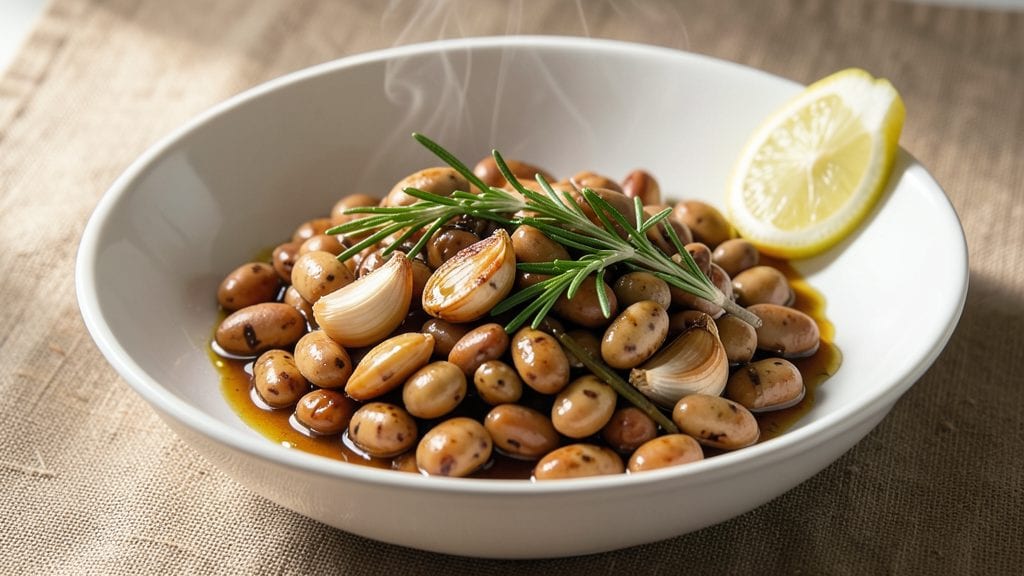
This Roman white beans recipe transforms simple borlotti beans into a garlicky, lemon-kissed masterpiece that captures the essence of Roman cuisine in under an hour. The secret lies in slow-simmered flavors—garlic, rosemary, and lemon—that infuse every bean, creating a dish that’s both rustic and refined.
I first discovered this technique while visiting a trattoria in Trastevere, where the beans were so tender they practically melted in your mouth.
The beauty of this recipe is its simplicity: just a handful of ingredients, a 30-minute active prep, and a 45-minute simmer that lets the flavors meld perfectly. No fancy techniques required—just patience and attention to balance the tangy lemon with the earthy garlic and rosemary.
The result is a dish that’s hearty enough to stand alone or pair beautifully with grilled meats, crusty bread, or even as a pasta side.
What you’ll end up with is a pot of creamy, flavorful beans with just the right texture—tender but still holding their shape, kissed by bright lemon and aromatic herbs. The aroma alone will have everyone at the table asking what’s for dinner.
This is comfort food at its finest, elevated by the bold flavors of Rome without the fuss.
Serve it warm with a sprinkle of fresh parsley and a drizzle of high-quality olive oil for that final touch of authenticity. The beans keep well in the fridge for up to 3 days, making this a perfect make-ahead dish for busy weeknights or meal prep. Let’s get cooking!
Ingredients for roman bean
Seven essential ingredients transform borlotti beans into Rome’s garlicky, lemon-kissed masterpiece.
| Ingredient | Amount | Notes |
|---|---|---|
| Dried Borlotti Beans 🍲 | 1 ½ cups | Rinsed, soaked overnight |
| Extra-Virgin Olive Oil 🫒 | ½ cup | High-quality, fruity variety |
| Garlic Cloves 🧄 | 6 cloves | Fresh, peeled, thinly sliced |
| Fresh Rosemary 🌿 | ¼ cup | Finely chopped, stems removed |
| Lemon Juice 🍋 | ⅓ cup | Freshly squeezed, strained |
| Vegetable Broth 💧 | 4 cups | Low-sodium, homemade or quality |
| Salt 🧂 | 1 ½ tsp | Diamond Crystal kosher salt |
| Ground Black Pepper 🌶️ | ½ tsp | Freshly ground preferred |
| Fresh Parsley 🌿 | ⅛ cup | Chopped, for garnish |
| Bay Leaves 🍃 | 2 whole | Dried, removed before serving |
| Red Pepper Flakes 🔥 | ¼ tsp | Optional, for heat |
The dried borlotti beans are the foundation—Trader Joe’s or Whole Foods carry them in bulk, ensuring optimal quality. Opt for beans that are uniformly plump and free of blemishes, as these will yield the creamiest texture. San Marzano canned beans can substitute in a pinch, but they lack the rustic texture of dried. Soaking overnight reduces cooking time and improves digestibility. For the extra-virgin olive oil, seek out California or Italian varieties like Colavita or Bertolli—their fruity notes complement the garlic and rosemary beautifully. The fresh rosemary should be vibrant green with a piney aroma; Penzeys or your local farmers' market are ideal sources for this aromatic herb.
No borlotti beans? Cannellini or fava beans work as substitutes, though texture will differ slightly. Fresh garlic is non-negotiable—pre-minced garlic lacks the depth of freshly sliced cloves. Dried rosemary can replace fresh at one-third the amount, but the flavor won’t be as bright. For the lemon juice, avoid bottled versions; freshly squeezed lemon provides the bright acidity essential to balance the dish. Vegetable broth should be low-sodium to avoid overpowering the delicate flavors. If you’re short on time, canned broth works, but homemade elevates the dish significantly. The red pepper flakes are optional but add a subtle heat that mimics Roman trattoria dishes—adjust to taste.
The beans keep exceptionally well—3 to 4 days in the fridge when stored in an airtight container with a splash of olive oil to preserve freshness. For longer storage, freeze for up to 6 months in portion-sized containers. Reheat gently on the stove with a splash of water or broth to restore creaminess. This dish tastes even better the next day as flavors meld, making it perfect for meal prep. Garnish with fresh parsley and a drizzle of olive oil just before serving to maintain vibrant presentation.
Why You'll Love This Recipe
- I swear by this trick: just toss dried Borlotti beans in cold water overnight, then simmer until tender. No fancy soaking jars or peeling—just dump, cook, done. My lazy Sundays thank me.
- No-Soak Necessary: I swear by this trick: just toss dried Borlotti beans in cold water overnight, then simmer until tender. No fancy soaking jars or peeling—just dump, cook, done. My lazy Sundays thank me.
- Rosemary Kiss: That first whiff of fresh rosemary and garlic sizzling in olive oil? It’s like a hug for your kitchen. The lemon juice ties it all together—bright, herby, and impossible to resist.
- Lunchbox Hero: Cold or warm, these beans pack perfectly. I’ll make a big batch on Sunday, portion them into jars, and they’re ready for work lunches or picnic spreads all week. (Yes, even my picky coworkers ask for seconds.)
Step-by-step instructions for Roman white beans
Transform simple borlotti beans into a fragrant, garlicky masterpiece with this authentic Roman technique.
Prepare the Beans for Cooking
Drain the soaked borlotti beans thoroughly and transfer them to a large, heavy-bottomed pot. Add the 4 cups vegetable broth, ensuring the beans are completely submerged. Bring to a gentle boil over medium-high heat, then immediately reduce to a simmer. Cover and cook for 45 minutes, stirring occasionally to prevent sticking to the bottom.
Here's the thing—borlotti beans need patience. The initial simmer helps break down their tough skins, creating that signature creamy texture. Taste the beans after 45 minutes—they should be tender but still hold their shape. If they're not quite soft enough, continue simmering uncovered for another 10-15 minutes, adding a splash of water if needed to maintain liquid.
Build the Flavor Base
Once the beans are tender, stir in the 0.5 cup extra-virgin olive oil and the 6 cloves garlic cloves. Increase heat to medium and let the mixture cook for 5 minutes, allowing the garlic to infuse its aromatic oils into the beans. You'll notice the kitchen fills with that irresistible garlic scent—this is when the magic begins.
Add the 0.25 cup finely chopped fresh rosemary and the 2 whole bay leaves. Cook for another 3 minutes, stirring gently to distribute the herbs evenly. The rosemary should release its piney fragrance, while the bay leaves will add subtle earthy depth. This step creates the aromatic foundation that defines Roman white beans—don't rush it.
Finish with Acid and Seasoning
Reduce heat to low and stir in the 0.33 cup lemon juice and the 1.5 teaspoons salt. The lemon brightens the dish instantly, cutting through the richness of the olive oil. Add the 0.5 teaspoon ground black pepper and 0.25 teaspoon red pepper flakes, adjusting to taste. The pepper adds warmth while the red pepper flakes introduce a subtle heat that enhances the overall complexity.
Simmer gently for 10 minutes, allowing all the flavors to meld together. The beans should be coated in a glossy, aromatic sauce. If the mixture appears too thick, add 1-2 tablespoons of water to achieve the perfect consistency—it should be creamy but still spoonable.
Final Adjustments and Garnish
Remove the pot from heat and discard the bay leaves. Taste and make any final adjustments to seasoning—this is your opportunity to perfect the balance of salt, acid, and heat. The beans should be flavorful but not overwhelming, with each component clearly identifiable.
Stir in the 0.125 cup chopped fresh parsley just before serving. The parsley adds a fresh, bright finish that contrasts beautifully with the rich, garlicky beans. Ladle into serving bowls and enjoy immediately, where the textures and flavors are at their peak. This dish holds well for 2-3 days in the refrigerator, but it's best enjoyed fresh from the pot.
Pro Tips For Making Roman Bean
- SOAK BEANS OVERNIGHT: I learned this the hard way—rushing soak time leaves Borlotti beans tough as boot leather. Use 8 cups water per cup beans, add 1 tsp baking soda (yes, really), and let them sit 12+ hours. The longer they soak, the creamier they’ll get when simmered.
- CRUSH GARLIC UNEVENLY: Skip the mincer—roughly chop garlic cloves with a knife, leaving some whole and some crushed. This creates layers of flavor: sharp bursts from whole cloves, mellow garlic oil from crushed pieces. Toss them in at the end for maximum aroma.
- SIMMER LOW AND LONG: After draining, cover beans with fresh water and bring to a gentle boil, then drop to a whisper-low simmer. If you rush it, the skins split and the beans turn mushy. I’ve seen this ruin perfectly good Borlotti—trust me, patience pays off.
- FINISH WITH COLD LEMON: Add lemon juice when the beans are hot, but let it steep for 5 minutes before serving. Cold lemon brightens the dish better than hot, and the acidity cuts through the richness of the olive oil. (Your future self will notice the difference.)
Storing and reheating your leftovers
Refrigerator Storage
Store your Roman white beans in an airtight container with a splash of extra-virgin olive oil to preserve freshness and prevent drying. The oil creates a protective layer that maintains the beans' creamy texture and vibrant flavors.
I recommend using glass Pyrex containers—they're non-reactive and keep the beans tasting fresh for up to 3 days in the fridge at 40°F or below. 🌡️
Always let the beans cool completely before refrigerating to prevent condensation, which can dilute flavors. Divide leftovers into smaller portions if you plan to reheat them later—this ensures even heating and prevents overcooking.
The beans will thicken slightly in the fridge, so add a splash of broth or water when reheating.
Freezer Storage
For longer storage, freeze your Roman white beans in portion-sized airtight containers or freezer-safe bags, leaving 1 inch of headspace for expansion. I use quart-sized silicone molds because they're easy to stack and thaw quickly.
Label containers with the date—they'll keep for up to 6 months at 0°F or below. ❄️
When ready to eat, thaw overnight in the fridge for best results. For a quick meal, transfer the frozen beans directly to a pot with ½ cup vegetable broth and simmer on low heat for 10-15 minutes, stirring occasionally, until heated through.
Add a pinch of salt and a squeeze of lemon to revive the flavors.
Reheating Methods
Reheat your beans gently on the stovetop to maintain their creamy texture. Pour them into a pot with 2-3 tablespoons of water or broth and simmer over low heat for 5-7 minutes, stirring occasionally.
This prevents the beans from drying out or becoming mushy. Taste and adjust seasoning—reheated beans often need a pinch of salt or a splash of lemon juice to brighten the flavors. 🔥
For microwave reheating, transfer beans to a microwave-safe bowl, cover loosely with a damp paper towel, and heat on medium power for 2-3 minutes. Stir halfway through to distribute heat evenly.
Avoid high power settings, which can turn the beans rubbery. If the mixture seems too thick, add 1 tablespoon of water or broth and stir until smooth.
Reviving Flavors
If your reheated beans taste slightly flat, revive them with a 1-teaspoon drizzle of high-quality olive oil and a fresh pinch of red pepper flakes. The oil restores richness, while the flakes add a subtle heat that wakes up the dish.
I also like to finish with fresh parsley and a squeeze of lemon—this brightens the flavors and makes the beans taste almost as good as fresh. 💫
For a restaurant-quality touch, stir in 1 teaspoon of unsalted butter during reheating. The butter adds a velvety texture and complements the garlicky, lemony profile. Serve with crusty bread or alongside grilled meats to soak up every last bit of that aromatic sauce.
Nutrition facts
Frequently asked questions
Can I substitute borlotti beans with canned beans?
You can use canned borlotti beans, but the texture will be different. Canned beans are pre-cooked and softer, so they won't achieve the same creamy, rustic texture as dried. For best results, stick with dried beans—just soak them overnight for 8-12 hours to reduce cooking time. If you're short on time, cannellini beans are a close substitute, though they lack the distinctive speckled appearance of borlotti.
How do I know when the beans are perfectly tender?
The beans are ready when they're fork-tender but still hold their shape—no mushiness. After 45 minutes of simmering, taste one and press gently with your fork. It should yield slightly but not fall apart. If they're still firm, continue cooking uncovered for another 10-15 minutes, adding a splash of broth if needed. Overcooking turns them mushy, so keep an eye on them.
Can I make this recipe without rosemary?
If you don’t have rosemary, swap it for 1 teaspoon dried thyme or ½ teaspoon dried oregano for a similar earthy depth. For a brighter flavor, try ½ teaspoon dried marjoram. Just remember that fresh herbs have more vibrant flavor than dried—use dried herbs sparingly. The key is balancing the garlic and lemon, so adjust other seasonings to taste.
Why do my beans taste bland after reheating?
Reheated beans often lose some brightness because the flavors settle. To fix this, stir in 1 teaspoon of lemon juice and a pinch of salt while reheating. A drizzle of extra-virgin olive oil also restores richness. For extra flavor, add a splash of vegetable broth and simmer for 2-3 minutes to let the aromas revive. Always reheat gently—high heat can dull the flavors further.
What’s the best way to serve these beans?
These garlicky, lemon-kissed beans shine as a hearty side dish or light main course. Pair them with grilled chicken, seared scallops, or crusty sourdough bread to soak up the sauce. For a complete meal, serve over al dente spaghetti or alongside roasted vegetables. Garnish with fresh parsley and a drizzle of olive oil just before serving for that restaurant-quality finish.