
Sauces & Condiments
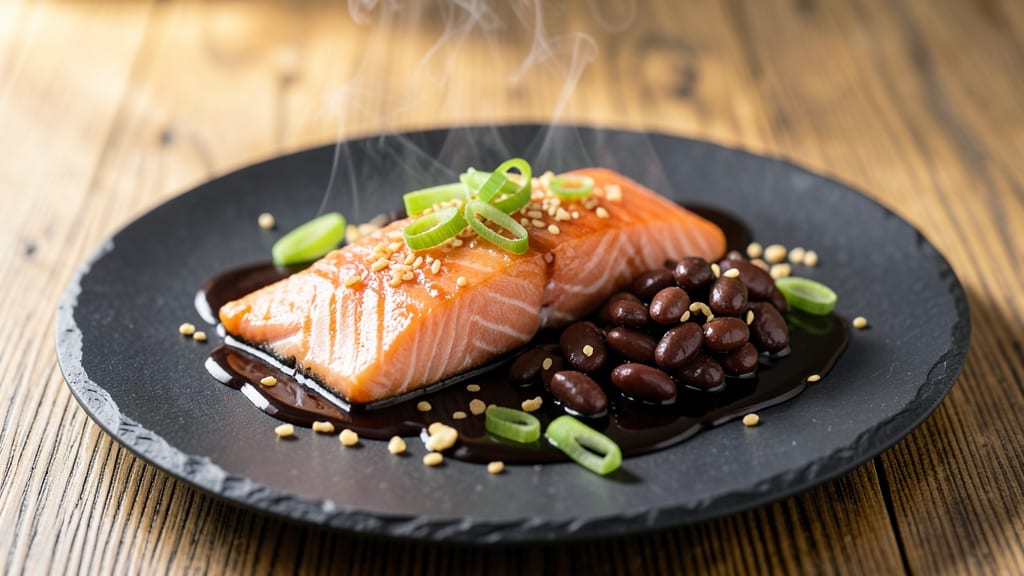
This steamed salmon with black bean sauce delivers restaurant-quality harmony in a single pan, where tender fish meets a rich, umami-packed sauce that's impossible to resist.
The secret lies in balancing the natural sweetness of black beans with aromatic spices and a touch of soy, creating a sauce that clings perfectly to flaky salmon. I developed this recipe after years of perfecting steaming techniques that preserve moisture while building deep flavor.
What makes this dish truly special is the simplicity of preparation combined with professional results. You'll steam the salmon and cook the sauce simultaneously, ensuring perfect doneness without overcooking. The black bean sauce transforms from simple ingredients into a velvety, complex condiment that enhances rather than overpowers the delicate fish.
This method requires just 25 minutes of active time but yields a dish that feels like you've spent hours in the kitchen.
By the time you plate this dish, you'll have perfectly steamed salmon with a glossy, golden crust and a sauce that's neither too thick nor too thin—just right.
The aroma alone will have everyone anticipating the first bite, where they'll experience tender fish melting in your mouth alongside that rich, savory sauce. This is the kind of complete meal that satisfies both the palate and the promise of healthy, flavorful dining.
The beauty of this recipe extends beyond the main dish. The black bean sauce works equally well as a marinade for grilled proteins or a topping for rice bowls, making it versatile for meal prep.
Serve with steamed vegetables or a simple side salad to complete the one-pan harmony. Let's create this dish together—it's simpler than you think, yet more impressive than any takeout.
Ingredients for steamed salmon black bean sauce
Four salmon fillets and a pantry of umami-packed essentials transform into restaurant-worthy harmony.
| Ingredient | Amount | Notes |
|---|---|---|
| Fresh Salmon Fillets 🐟 | 4 whole | Skin-on, 6 oz each, sushi-grade preferred |
| Black Beans 🫘 | 1 cup | Canned, drained and rinsed |
| Low-Sodium Soy Sauce 🥢 | 2 tbsp | For umami depth |
| Sesame Oil 🫒 | 1 tbsp | Toasted, for aroma |
| Fresh Ginger 🌿 | 1 tbsp | Finely grated, peeled |
| Garlic Cloves 🧄 | 3 cloves | Minced, fresh preferred |
| Green Onion 🧅 | 1 whole | Thinly sliced, white and green parts |
| Honey 🍯 | 1 tbsp | Light, for balance |
| Rice Vinegar 🍶 | 1 tbsp | For brightness |
| Sesame Seeds 🌽 | 1 tsp | Toasted, for garnish |
| Vegetable Oil 🫒 | 1 tbsp | For pan coating |
| Sea Salt 🧂 | 1 tsp | Kosher, for seasoning |
| Black Pepper 🌶️ | ½ tsp | Freshly ground |
| Water 💧 | ½ cup | For steaming |
The salmon is non-negotiable—sushi-grade ensures perfect texture without overcooking. Costco or Whole Foods carry the best quality, but any reputable fishmonger will have it. Look for fillets with a vibrant pink hue and minimal bruising. If you can't find skin-on, skinless works too (just add a splash of soy sauce to the pan for crispiness). The black beans? Low-sodium canned is key—rinsed thoroughly to remove any lingering salt. I always grab Trader Joe's organic black beans when I'm stocking up, but any good brand will do. Fresh ginger and garlic are worth the extra minute to prep—they make all the difference in that sauce's depth.
No sesame oil? Toasted peanut oil adds a similar nuttiness, though it's slightly heavier. Short on honey? Maple syrup or agave works in a pinch, but honey's floral notes balance the sauce perfectly. The rice vinegar can be swapped for apple cider vinegar if that's what you've got, though it'll be slightly less delicate. For the black beans, if you've got dried, soak them overnight—no canned beans? Use lentils instead. The sesame seeds are purely for garnish, but if you're out, a sprinkle of toasted slivered almonds adds crunch. Pro tip: toast your sesame seeds in a dry pan for 30 seconds before adding—they'll smell amazing and taste even better.
This sauce reheats beautifully—just warm it gently on the stove with a splash of water to loosen it up. The salmon? Steam it fresh for the best texture, but you can prep the sauce ahead and store it in the fridge for up to 5 days. For meal prep, portion the sauce into small containers and pair it with pre-cooked rice or quinoa. The salmon itself keeps for 2 days in the fridge if you've got leftovers, but honestly, it disappears faster than you can say 'umami.' Freeze the sauce for up to 3 months—just thaw overnight in the fridge before reheating.
Why You'll Love This Recipe
- Steam, Don’t Stress: I swear by this method—just lay the salmon on a rack, pour that black bean sauce (savory, slightly sweet from the beans and soy) over it, and steam for 12 minutes. No flipping, no frying, no stressing over timing. The salmon stays moist, the sauce clings perfectly, and I’m not standing there babysitting the stove.
- Umami Bomb: That black bean sauce—ginger, soy, and a hint of sesame oil—is where the magic happens. It’s rich but not heavy, with a depth that makes the salmon taste like it’s been simmered for hours (even though it’s not). Honestly, the first time I tasted it, I thought, “Why haven’t I done this every week?”
- Lunchbox Hero: Between us, this is my go-to for meal prep. The salmon holds up beautifully in the fridge for three days, and I pack it with rice and steamed veggies for work lunches. The sauce stays vibrant, the salmon stays tender, and it’s way more exciting than sad desk salads. (Yes, even on a Tuesday night.)
- Budget-Friendly Protein: Fresh salmon can feel fancy, but here’s the trick: black beans stretch the flavor and the wallet. A single fillet feels special, but the sauce makes it feel like a restaurant meal without the price tag. Plus, the leftovers? I freeze half the sauce and use it for stir-fries later—zero waste, all flavor.
Step-by-step instructions for steamed salmon with black bean sauce
Here's how to create a perfectly balanced dish where tender salmon meets a rich, aromatic black bean sauce.
Prepare the Aromatic Base
Heat the 1 tablespoon vegetable oil in a large skillet over medium heat. Add the 3 cloves minced garlic cloves and 1 tablespoon finely grated fresh ginger, cooking for 1-2 minutes until fragrant and just beginning to turn golden. This is where the flavors start to develop—don't let the garlic burn, or it'll turn bitter.
Next, pour in the 1 cup black beans and stir to coat in the oil. Add the 2 tablespoons low-sodium soy sauce and 1 tablespoon rice vinegar, mixing well. Let this simmer for 3-4 minutes until the beans are heated through and the liquid reduces slightly. You'll see the sauce start to thicken and cling to the beans—this is your flavor foundation.
Build the Sweet-Savory Sauce
Reduce the heat to low and stir in the 1 tablespoon honey and 1 tablespoon sesame oil. The sauce should begin to glisten as the honey blends in, creating a perfect balance between sweet and savory. Let it simmer for another 2 minutes, stirring occasionally, until the sauce reaches your desired consistency—it should coat the back of a spoon but still be pourable.
Here's the thing—if the sauce feels too thick, add 1-2 tablespoons of the 0.5 cup water to loosen it. You want it to coat the salmon beautifully without being watery. Taste and adjust seasoning with 1 teaspoon sea salt and 0.5 teaspoon black pepper if needed. This sauce should be vibrant and full of layers—umami from the soy, brightness from the vinegar, and depth from the honey.
Steam the Salmon to Perfection
Place the 4 whole fresh salmon fillets (skin-side down) in the skillet with the sauce. Pour the 0.5 cup water around the fillets—this creates steam that gently cooks the salmon without overpowering its delicate texture. Cover the skillet with a tight-fitting lid and cook for 8-10 minutes until the salmon flakes easily with a fork and reaches an internal temperature of 145°F.
I like to check the salmon after 7 minutes—gently lift one fillet to see if it's just beginning to separate. If it's not quite there, cover it back up and cook for another 1-2 minutes. The steam ensures the salmon stays moist, while the sauce infuses it with incredible flavor. Don't skip the water—it's what makes this method work.
Finish and Garnish
Once the salmon is perfectly cooked, remove the lid and increase the heat to medium-high. Let the water in the pan reduce for 1-2 minutes to slightly thicken the sauce, then carefully transfer the salmon to a serving platter. Spoon the black bean sauce over the top, making sure each fillet is generously coated.
Garnish with 1 whole thinly sliced green onion and sprinkle with 1 teaspoon toasted sesame seeds for a pop of color and crunch. The sesame seeds add a nutty finish that ties everything together. Serve immediately while the salmon is still warm and the sauce is at its peak flavor. This dish comes together beautifully and delivers that perfect harmony of textures and tastes.
Pro Tips For Making Steamed Salmon Black Bean Sauce
- STEAM GINGER FIRST: Toss finely minced ginger into the steamer basket before adding salmon and beans—it releases aroma faster and flavors everything evenly. I used to add it later, and the dish always tasted like the ginger was an afterthought.
- DRY BEANS WELL: Pat black beans thoroughly with paper towels after draining—excess moisture turns the sauce watery. I learned this after making a batch where the sauce looked more like a soup, no matter how much I reduced it.
- LOW-HEAT SOY SAUCE: Simmer soy sauce with ginger on the lowest heat—it burns faster than you’d think. I’ve ruined three batches by walking away mid-cook; now I keep the flame at a whisper and stir every 30 seconds.
- SEAR SALMON SEPARATELY: Quickly sear salmon skin-side down in a dry pan before steaming—it adds crispness without overcooking the fillets. Sounds like extra work, but it cuts down on flaky, dry salmon by half. (Yes, even if you’re impatient like me.)
Troubleshooting perfect results
Sauce Too Thick?
If your black bean sauce ends up thicker than you'd like, don't panic—it's an easy fix. Simply add 1-2 tablespoons of water at a time while stirring gently over low heat. The sauce should loosen up in about 1-2 minutes.
I've found that using low-sodium soy sauce helps prevent excessive thickening, but if you used regular soy sauce, you might need a splash more water. Remember, the sauce should coat the back of a spoon but still be pourable—this ensures it clings beautifully to the salmon without being watery. 💧
Salmon Overcooking Risk
The biggest challenge with steamed salmon is avoiding overcooking, which can turn it dry and rubbery. To prevent this, use a meat thermometer and remove the salmon when it hits 145°F internal temperature. I recommend checking it at 7 minutes and then every 30 seconds afterward.
If you don't have a thermometer, gently press the thickest part with a fork—it should flake easily but still hold together slightly. Never steam salmon uncovered, as the steam is what keeps it moist. 🌡️
Sauce Too Thin?
A watery sauce can happen if you added too much liquid or if the beans released excess moisture. To fix this, simply increase the heat to medium-high and let the sauce reduce uncovered for 2-3 minutes. Stir occasionally to prevent sticking.
If it's still too thin, mash 1-2 tablespoons of the cooked black beans directly into the sauce—their starch will help thicken it naturally. For next time, try simmering the sauce uncovered for an extra 1-2 minutes after adding the honey to help it thicken properly.
Uneven Cooking
If your salmon fillets cook unevenly, it's usually because they're not the same thickness. To fix this, trim any thicker edges with kitchen shears before cooking. Also, make sure the salmon is placed skin-side down in a single layer—crowding the pan can lead to uneven cooking.
I've found that using 6-ounce fillets ensures consistent doneness. If you notice one fillet cooking faster, remove it from the pan and finish it separately once the others are done. 🔥
Sauce Separating
Sometimes the sauce can separate, with oil or water pooling on top. This happens when the sauce isn't emulsified properly. To fix it, remove the pan from heat and stir vigorously with a chopstick or fork to break up the separation.
Then, return it to low heat and add ½ teaspoon cornstarch mixed with 1 teaspoon water. Stir until the sauce thickens and becomes homogeneous again. For prevention, always simmer the sauce gently and avoid rapid temperature changes.
Flavor Imbalance
If your sauce tastes too salty, soy sauce is usually the culprit. Balance it by adding ½ teaspoon honey or 1 teaspoon rice vinegar to brighten the flavors. Too sweet? Add a pinch of black pepper or a splash of sesame oil to deepen the umami.
For a more complex flavor, stir in ½ teaspoon grated fresh ginger or 1 minced garlic clove. Taste as you go—this sauce should be vibrant, not one-dimensional. 💡
Nutrition facts
Frequently asked questions
Can I use frozen salmon instead of fresh for this recipe?
Yes, but thaw it properly first! Place frozen salmon in the fridge overnight or use the cold water method (sealed in a bag) for 30-45 minutes. Never microwave—it creates uneven cooking. Pat dry thoroughly before steaming to ensure a perfect crust. The texture will be just as tender as fresh salmon.
How do I adjust this recipe for spicier flavors?
Add ½ teaspoon red pepper flakes or 1 teaspoon sriracha to the sauce while simmering. For heat lovers, stir in 1 minced jalapeño with the garlic and ginger. Remember, black beans already have mild heat—start small and adjust to taste. Garnish with extra sesame seeds to balance the spice.
What's the best way to reheat leftovers?
Reheat gently in a skillet over low heat with 1 tablespoon water to prevent drying. For the sauce alone, warm it in a saucepan for 2-3 minutes—it thickens slightly when reheated. Never microwave salmon—it turns rubbery. Store leftovers for 2 days max in the fridge.
Can I make this dish vegetarian?
Swap salmon for firm tofu or extra-firm tempeh, cut into ½-inch thick slices. Press tofu first to remove excess water, then steam for 6-8 minutes until tender. The black bean sauce works perfectly with plant-based proteins. For extra texture, add ½ cup chopped mushrooms to the sauce.
Why does my sauce sometimes split or separate?
Sauce separation happens when oil and water separate due to rapid temperature changes. Fix it by whisking vigorously while off heat, then return to low heat and add ½ teaspoon cornstarch mixed with 1 teaspoon water. For prevention, simmer the sauce gently and avoid high heat. The sauce should stay emulsified if you stir occasionally during cooking.